








A vegan diet is often associated with cholesterol management because many plant-based foods are naturally higher in fiber and are low in saturated fat compared to many animal-based foods. Because of this, some people turn to plant-based eating to help support heart health, improve overall diet quality, or better manage cholesterol levels over time.

What is cholesterol?
Cholesterol is a waxy, fat-like substance that helps support important functions in the body, including hormone production, digestion, and cell structure. Your body naturally produces cholesterol, but levels may also be affected by diet and lifestyle habits.
When people talk about “high cholesterol,” they are often referring to elevated low-density lipoprotein (LDL) cholesterol levels (also referred to as “bad” cholesterol), which may build up in blood vessels over time and increase cardiovascular disease risk.
Because high cholesterol is often associated with red meat, fried foods, butter, and other high-fat foods, some people explore plant-based eating patterns to help support heart health.
Can a vegan diet help lower cholesterol?
Yes, a vegan diet may help support lower cholesterol. Some plant-based foods, like oats and barley, contain beta-glucan. This is a type of soluble fiber linked to lower LDL cholesterol levels.
Beta-glucan helps remove excess cholesterol from the body during digestion by binding to it before it is absorbed into the bloodstream. Once it reaches the large intestine, it is also fermented by the gut bacteria into short-chain fatty acids (SCFAs) that help influence cholesterol metabolism, further lowering levels.
Some research suggests that consuming about 10 to 25 grams of soluble fiber daily may help lower LDL.
At the same time, vegan diets also tend to be lower in saturated fat and higher in fiber-rich foods, an eating pattern that’s typically associated with improved cardiovascular health.
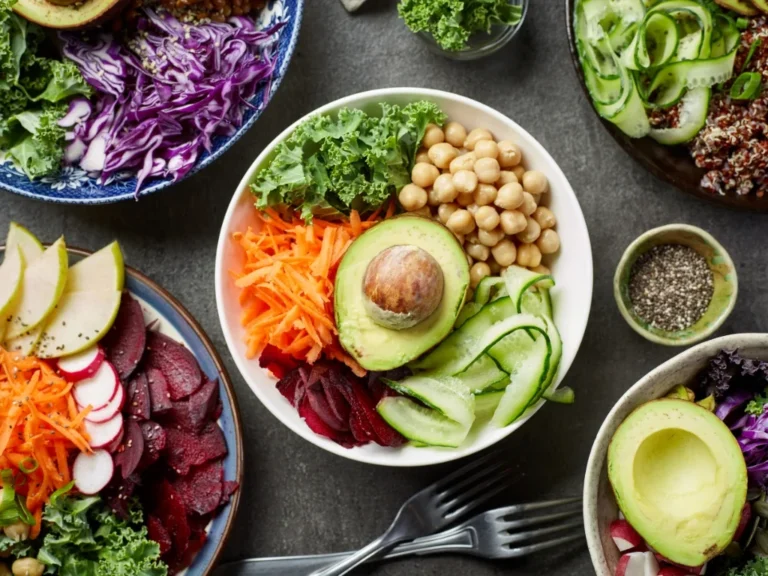
Many vegan meals naturally include foods like vegetables, legumes, nuts, seeds, and whole grains while reducing intake of certain foods higher in saturated fat, refined carbohydrates, added sugars, and heavily processed ingredients.
Can a vegan have high cholesterol?
Yes, high cholesterol levels are still possible even with a vegan diet.
According to the American Heart Association, an ideal cholesterol level is generally considered to be a total cholesterol below 150 mg/dL, with LDL at or below 100 mg/dL. However, following a vegan diet does not automatically guarantee cholesterol levels will stay within those ranges.
For instance, ultra-processed vegan products, such as packaged meat alternatives, convenience meals, vegan sweets, or dairy substitutes, can contribute to higher LDL cholesterol if they’re rich in saturated fats like coconut or palm oil.
At the same time, cholesterol levels are not determined solely by diet. Other contributing factors may include:
- Genetics and family history
- Chronic stress
- Physical inactivity
- Poor sleep habits
- Certain medical conditions
- Some medications
As a result, some people may still experience elevated cholesterol levels despite being a vegan.
What vegan foods may help lower cholesterol?
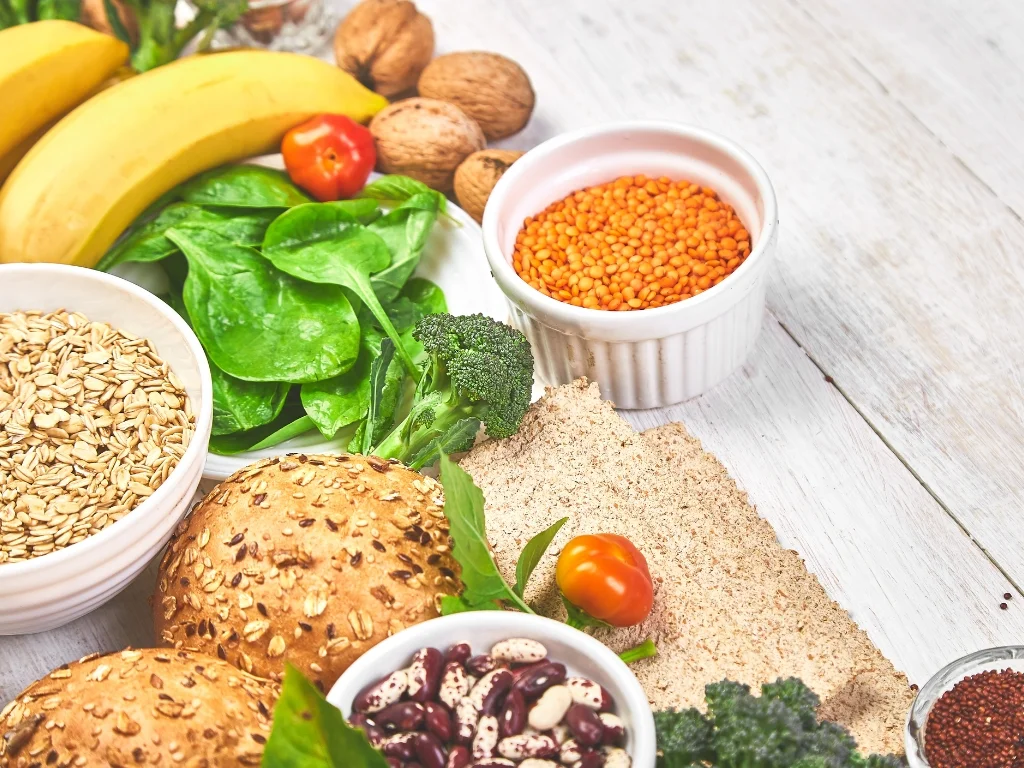
In many cases, building meals around a wider variety of whole plant foods may provide greater long-term cardiovascular benefits than focusing on a single food group.
Here are some common vegan foods that can be beneficial for cholesterol management.
Oats
Oats contain beta-glucan, the soluble fiber known to reduce levels of LDL cholesterol in the body. Beta-glucan helps trap cholesterol in the digestive tract so it can be released as waste.
Aside from dietary fiber, oats also contain a combination of antioxidants, plant compounds, and essential minerals (such as magnesium, copper, and manganese) that work alongside beta-glucan to improve your lipid profile.
Even one serving of oatmeal or overnight oats daily may help increase overall fiber intake.
Fruits and vegetables
Fruits and vegetables generally contain fiber, including some soluble fiber, along with vitamins, minerals (like potassium), and plant compounds (like polyphenols and carotenoids) that have also been linked to improved blood pressure and heart health.
Increase your daily fiber intake with options like:
- Berries
- Apples
- Citrus fruits
- Leafy greens
- Broccoli
- Carrots
- Avocados (also contain unsaturated fats)
Soy-based proteins
Some studies suggest that soybeans and foods derived from them can help modestly improve cholesterol levels, especially when included in balanced eating patterns.
Soy foods like the following are naturally low in saturated fat while providing high-quality protein, along with folate and iron:
- Tofu
- Tempeh
- Edamame
- Soy milk
Legumes
Aside from soybeans, other legumes also offer soluble fiber that helps lower cholesterol naturally, as well as protein, fiber, iron, magnesium, and complex carbohydrates. Because they are nutrient-dense and filling, they may help reduce reliance on animal proteins (which may contain saturated fats) and ultra-processed foods.
Some common choices are:
- Chickpeas
- Lentils
- Pinto beans
- Kidney beans
- Black beans
Olive oil
Olive oil is considered a heart-healthy fat source, as it’s mostly made up of unsaturated fats and offers polyphenols. Together, these components may help support cardiovascular health, especially when olive oil replaces saturated fat.
Olive oil is also a staple in the Mediterranean diet, which in itself is widely associated with improved cardiovascular health.
Nuts and seeds
Other reliable sources of healthy fats are nuts and seeds, which both provide fiber, magnesium, and omega-3 fatty acids. Magnesium may help support muscle and nerve function, while omega-3 fats support heart health by helping maintain healthy triglycerides and supporting blood vessel function.
The following can be easy additions to your everyday plate:
- Walnuts
- Almonds
- Pistachios
- Cashews
- Hemp
- Pumpkin
- Sunflower seeds
- Chia seeds
- Flaxseeds
Eating as little as one ounce of nuts daily may already help lower the risk of heart disease and improve overall diet quality.

What other habits support healthy cholesterol?
Food can play a major role in cholesterol management, but daily habits may also affect cardiovascular health, blood pressure, energy levels, and overall metabolic health over time.
Stay physically active throughout the week
Regularly exercising may help support healthier cholesterol levels, circulation, blood sugar regulation, and overall heart health. It may also help raise high-density lipoprotein (HDL) cholesterol (or the “good” cholesterol) while supporting stress management and overall fitness.
This doesn’t always have to mean intense workouts. Physical activities that feel personally enjoyable to you are often easier to maintain in the long term.
Here are some options you can consider:
- Walking with friends or pets
- Dance classes
- Hiking
- Swimming
- Recreational sports
- Cycling
- Pilates or yoga
- Resistance training
- Home workout
- Gardening or active hobbies
Many health organizations recommend aiming for about 150 minutes of moderate physical activity per week, though individual needs and abilities can vary.
Prioritize better sleep habits
Sleep affects more than just energy levels. When you’re deprived of high-quality sleep, it may also affect appetite, cravings, stress hormones, recovery, and metabolic health over time.
Many adults benefit from getting around seven to nine hours of sleep consistently every night. Some small habits that may help improve sleep quality and make it easier to fall asleep earlier are:
- Keeping a more consistent sleep schedule
- Limiting screen time before bed
- Keeping the lights dim in the evening
- Avoiding caffeine too late in the day
- Reading or listening to calming music before bed
- Spending more time outdoors during daylight hours
Find healthy ways to manage stress
Similar to sleep, chronic stress may also impact hunger and fullness, energy levels, and heart health as a whole. It also plays a crucial part in the quality of sleep you get.
For some people, stressful periods trigger emotional eating, lower motivation to exercise, or difficulty sticking to routines, which means that other aspects of your cholesterol management may be affected.
Manage stress levels by exploring approaches to ease tension and find relief:
- Cooking or baking without multitasking
- Doing puzzles, coloring books, or Lego sets
- Crocheting, knitting, or other hands-on hobbies
- Watching comfort shows or lighthearted content
- Voice calling friends or family instead of texting
- Listening to podcasts or audiobooks while relaxing
- Setting boundaries around work or social obligations when possible
Limiting smoking and alcohol may support heart health
Smoking and drinking alcohol, especially when done excessively, can negatively influence blood circulation, pressure, and cardiovascular inflammation.
While completely avoiding these habits may be more helpful, it’s not always necessary to go cold turkey when you’re not yet ready. Gradually reducing your weekly alcohol intake or smoking may still help support your heart health in the long run, alongside balanced nutrition and lifestyle habits.
When should you speak with a healthcare professional?
Some people may benefit from additional medical or nutrition guidance, especially if cholesterol levels remain elevated despite dietary or lifestyle changes.
Consider speaking with a healthcare professional if you experience:
- Persistent high cholesterol levels
- A family history of cardiovascular disease
- Existing heart or metabolic conditions
- Confusion around vegan nutrition
- Concerns about nutrient intake
- Difficulty building balanced meals
A registered dietitian may also help create a more balanced vegan eating pattern that supports both cholesterol management and overall nutrition needs.
Get support with plant-based nutrition through Health Loft
A vegan diet may help support healthier cholesterol levels, especially when meals are built around fiber-rich, minimally processed foods and balanced overall eating habits. Alongside nutrition, factors like sleep, stress, physical activity, and consistency may also play a role in supporting cardiovascular health over time.
Plant-based eating does not need to feel overly complicated to support your health goals. With the right structure, vegan meals can still provide balanced nutrition, adequate protein, satisfying meals, and flexibility that feels realistic for everyday life.
At Health Loft, our plant-based nutrition dietitians can help you create a more personalized approach to vegan and vegetarian eating based on your preferences, lab work, medical history, lifestyle, and long-term goals.
Start building a more balanced plant-based nutrition plan by connecting with a Health Loft dietitian.
This article was reviewed by Katie Whitson, RD, LD. It is intended for informational purposes only and does not replace personalized nutritional advice.