








Plant-based eating has become increasingly popular for people looking to manage weight in a healthy, sustainable way. Whole plant foods tend to provide key nutrients the body needs without relying so much on extra calories, making them a practical option for losing weight.
That said, getting started on a vegan diet can feel overwhelming or even restrictive when you’re not sure how to properly structure meals around your fitness goals. Unlike vegetarian diets that may still include certain animal byproducts, vegan diets rely entirely on plant-derived ingredients. Without proper planning, it’s easy to run the risk of deficiencies, especially when restriction is mistaken for healthy weight loss.
This guide includes a dietitian-designed vegan weight loss meal plan along with practical tips to help you build nutrient-dense, plant-based meals that support both your weight loss journey and your long-term health.

How a vegan diet can support healthy weight loss
A well-planned vegan diet often puts emphasis on plant foods that are high in fiber, water, and nutrients while being lower in calorie density. Because of this, it can be an effective approach to healthy weight loss, offering several key benefits:
Offers high nutrient density with fewer calories
Many whole plant foods are nutrient-dense, which means they supply relatively more vitamins, minerals, and other beneficial substances per calorie. Vegetables, fruits, beans, and broth-based soups also contain water and fiber, which add more volume without drastically increasing your calorie intake.
This idea is sometimes called “volume eating.” For example, a large salad loaded with chickpeas and colorful vegetables will have a much larger volume than a smaller fast-food meal for the same amount of calories.
Research consistently shows that people tend to eat a relatively constant weight or volume of food across meals, regardless of their energy use. This is because fullness appears to be more volume-dependent rather than calorie-dependent.
Helps control fullness and appetite, thanks to fiber
Fiber, which is exclusively found in plant foods, plays quite a critical role in regulating appetite. Foods such as lentils, beans, oats, berries, chia seeds, broccoli, and whole grains help slow digestion and gastric emptying, helping you stay full for longer after meals.
Fiber may also help stabilize blood sugar levels, which reduces sharp energy dips as well as cravings.
Some studies further suggest that fiber can influence hormones that signal feelings of fullness to the brain. This in itself may naturally support appetite control without the need for strict calorie tracking.
Improves metabolic health
The benefits of plant-based eating seem to depend largely on the overall food quality rather than just the removal of animal products.
For instance, diets rich in minimally processed plant foods provide antioxidants, plant compounds (or phytochemicals), and healthy fats that may help reduce chronic inflammation linked to obesity and metabolic disease.
Developing research also suggests that a diverse intake of plant foods promotes the presence of beneficial gut bacteria associated with better insulin sensitivity, blood sugar regulation, and generally healthier body composition.
What’s the ideal calorie target for a vegan weight loss diet?
Instead of eating as little as possible, the goal of a vegan weight loss plan should be to create a gentle calorie deficit with meals that still feel nourishing, satisfying, and energy-boosting.
Remember that your individual calorie needs will vary significantly depending on factors such as age, body size, activity level, metabolism, and biological sex. Working with a registered dietitian helps in determining the most effective approach you can realistically stick with, while allowing you to meet your nutrient and fiber needs solely through whole plant foods.
How to structure your plate for balanced plant-based nutrition
A balanced vegan weight loss meal plan is not just about reducing calories. It also depends on getting the right mix of protein, fiber-rich carbohydrates, and healthy fats to help maintain energy levels and protect lean muscle during weight loss.
A simple plate method can make this easier to follow:
- Fill half of your plate with non-starchy vegetables such as broccoli, spinach, peppers, tomatoes, zucchini, or leafy greens. These foods add volume, fiber, and nutrients with relatively few calories.
- Next, fill one quarter with plant proteins like beans, lentils, tofu, or tempeh.
- The remaining quarter can include high-fiber carbohydrates such as brown rice, quinoa, barley, whole-wheat pasta, or corn tortillas.
You can round out your meals with some fresh fruit, fortified plant milk, or small portions of healthy fats like nuts or olive oil.
7-day vegan meal plan for healthy weight loss
The following is a sample vegan meal plan designed to help you lose weight in a healthy way. Take it as a flexible example to help you visualize what proper plant-based eating should look like. This isn’t meant to be a strict set of rules, so don’t hesitate to adjust the featured meal ideas based on your preferences, tolerances, allergies, budget, or accessibility of ingredients.
Day 1
- Breakfast: Oatmeal (cooked in plant milk) with sliced banana, apricots, and chia seeds
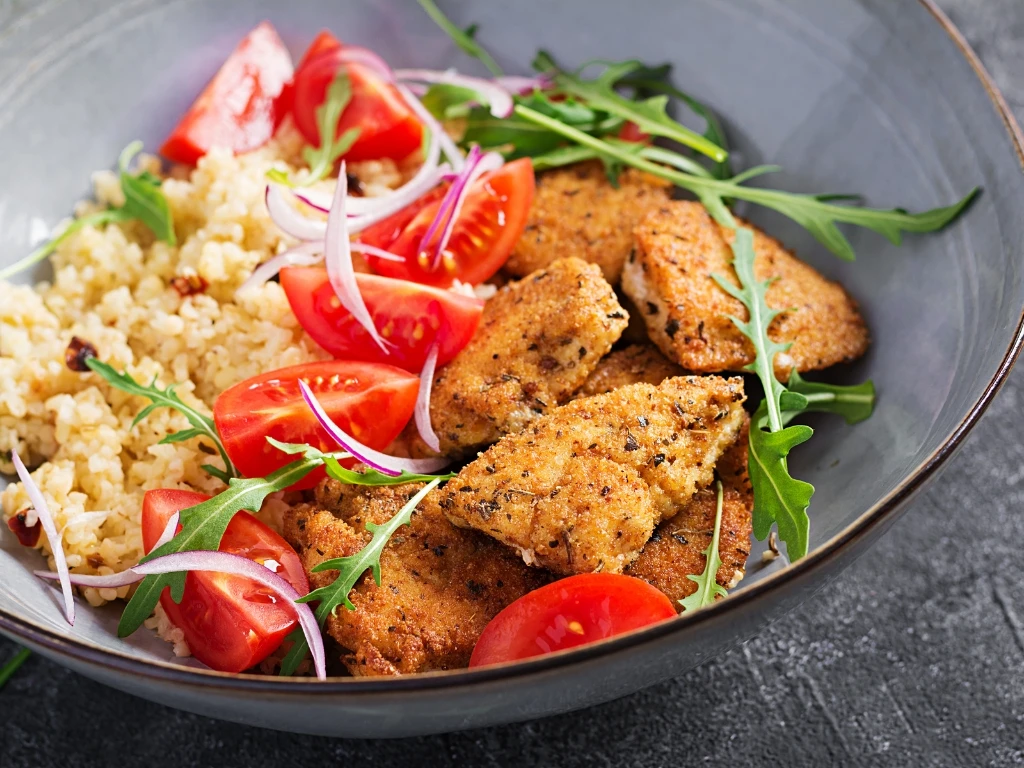
- Lunch: Quinoa bowl with savory plant-based protein strips, tomatoes, broccoli, and spring greens
- Dinner: Mixed bean chili soup (broth-based) with fresh avocado salsa
- Snack: Apple slices with creamy peanut butter
Day 2
- Breakfast: High-fiber bran cereal with unsweetened almond milk, blueberries, and walnuts
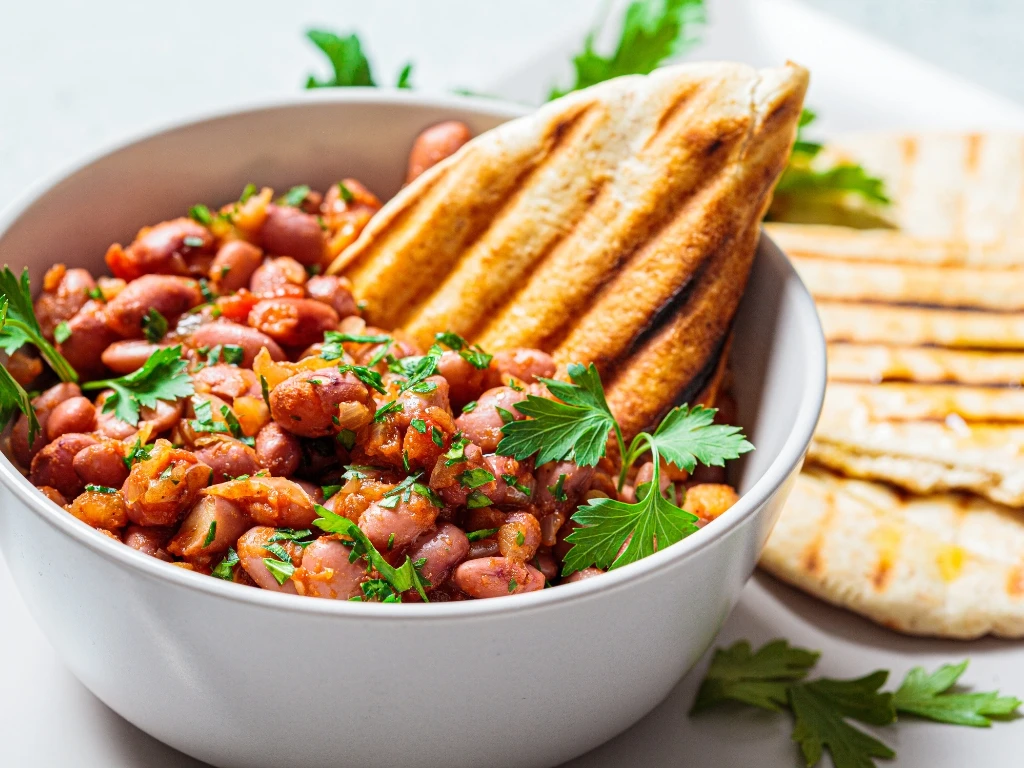
- Lunch: Slow-simmered butternut squash and borlotti bean stew with shredded greens, served with flatbread
- Dinner: Five-spice baked tofu strips with farro over a garden salad
- Snack: Oven-roasted spicy chickpeas
Day 3
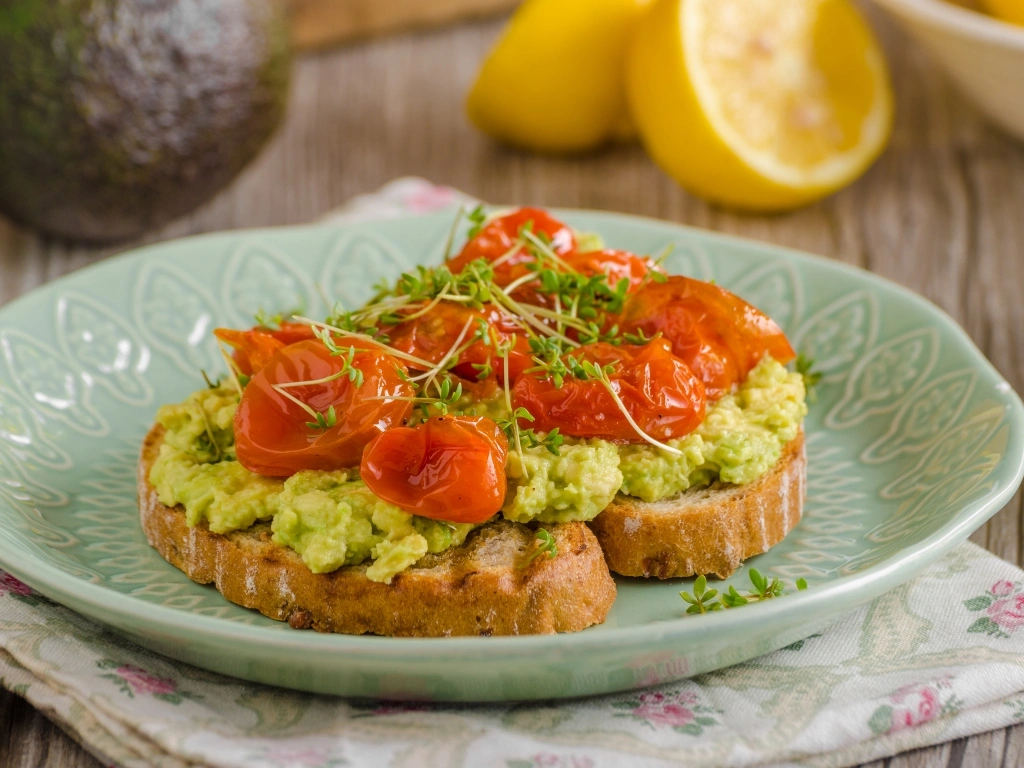
- Breakfast: Toasted whole-grain bread with smashed avocado and thick tomato slices and a side of high-protein vegan Greek yogurt topped with berries
- Lunch: Roasted butternut squash stuffed with quinoa and mixed beans
- Dinner: Kale and lentil soup
- Snack: Banana and almond butter
Day 4
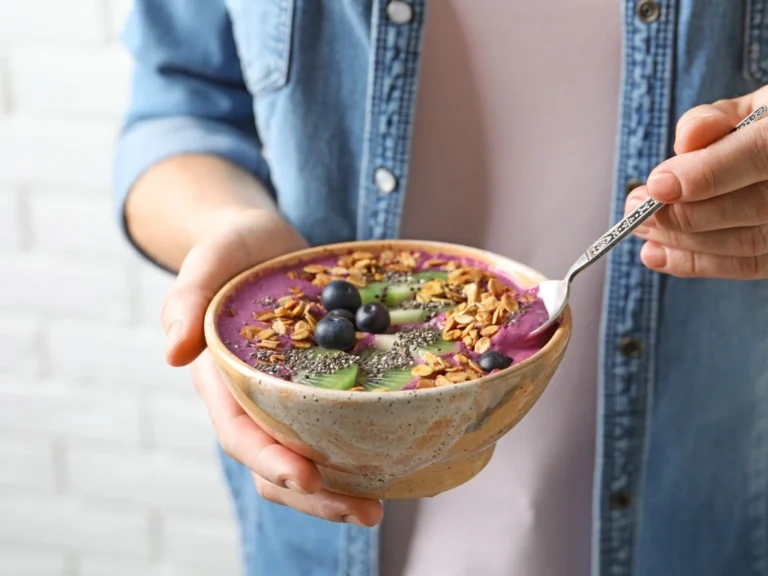
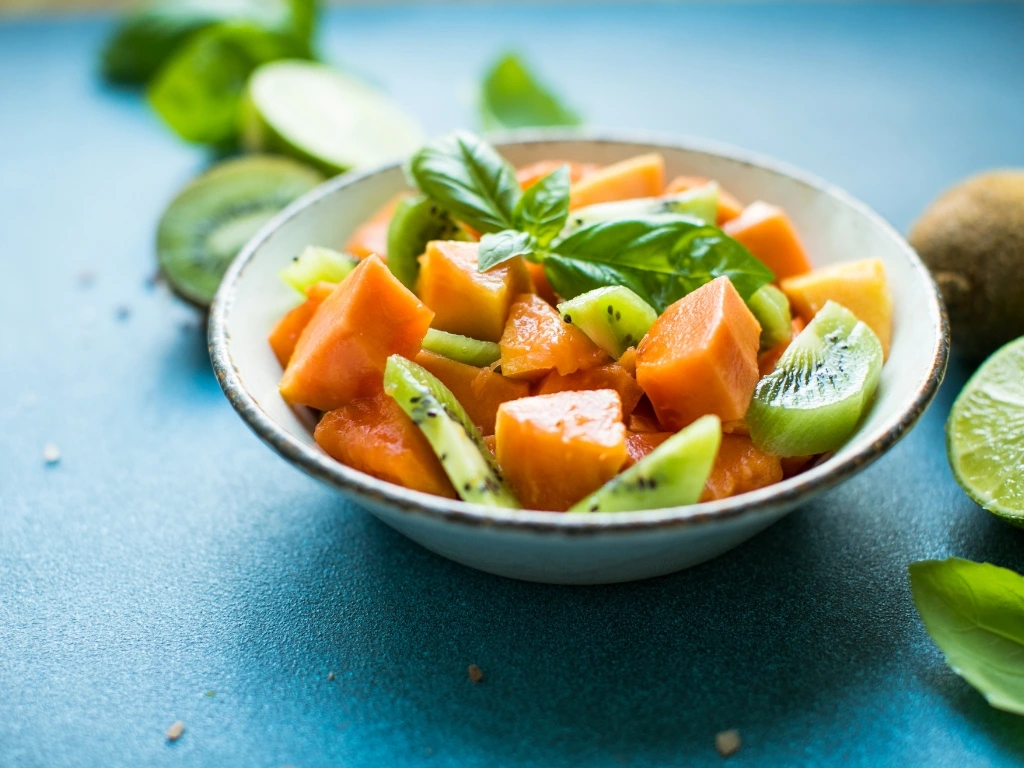
- Breakfast: Tropical fruit and zucchini smoothie bowl blended with chia seeds and silken tofu
- Lunch: Sweet potato, chickpea, and carrot stew, served over wilted spinach topped with nutritional yeast
- Dinner: Tomato, olive, asparagus, and white bean salad on top of whole wheat toast
- Snack: Cantaloupe melon and kiwi wedges
Day 5
- Breakfast: Tofu-stuffed Portobello mushrooms
- Lunch: Vegetable ragu (finely diced mushrooms, carrots, and celery) with whole-wheat pasta
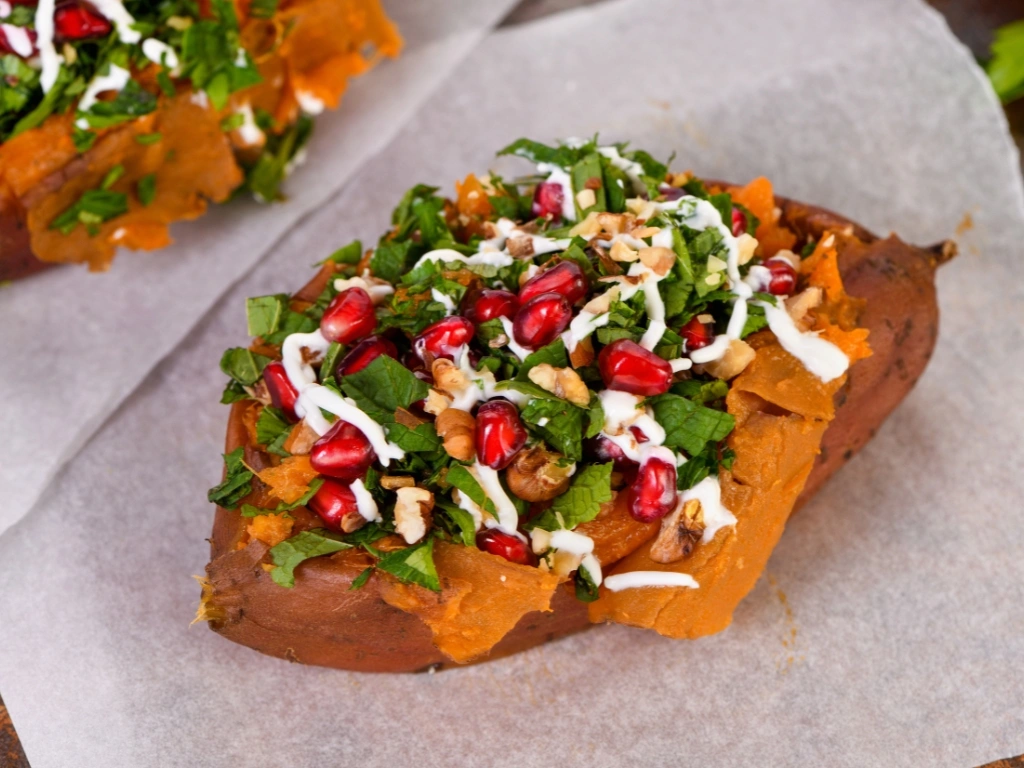
- Dinner: Baked sweet potato topped with crispy chickpeas, nuts, citrus garden vegetables and/or chopped greens
- Snack: Cocoa-orange energy truffles
Day 6
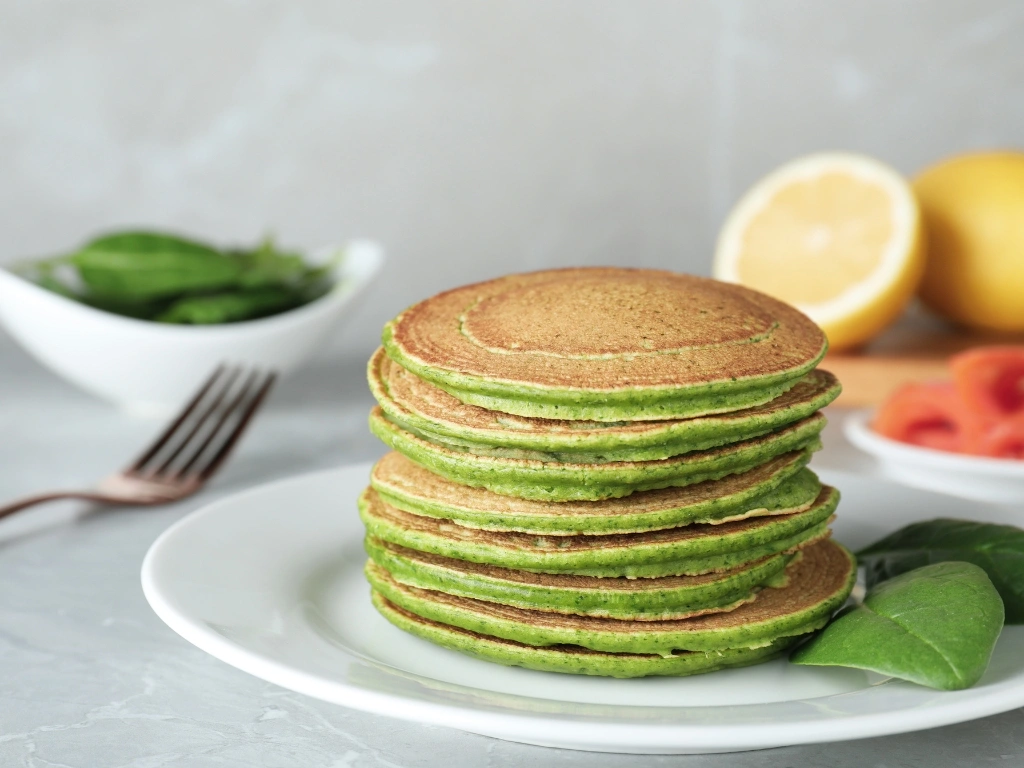
- Breakfast: Fluffy matcha pancakes made of oat flour and plant protein powder, served with fresh berries
- Lunch: Grilled plant-based veggie burger with arugula salad
- Dinner: Spiced lentil and root vegetable curry soup
- Snack: Seaweed salad
Day 7
- Breakfast: Creamy banana-berry smoothie, pea protein powder, ground flaxseeds, and soy milk
- Lunch: Pearl barley, wild mushroom, and peas risotto
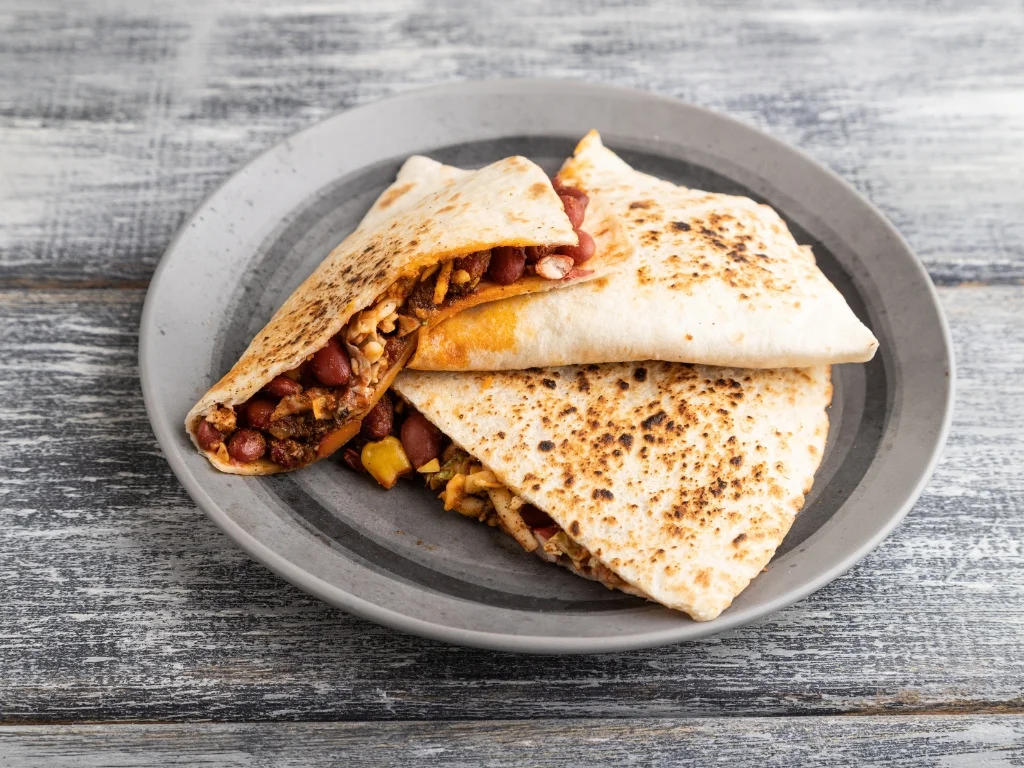
- Dinner: Toasted spicy bean quesadilla with vegan cheese
- Snack: Diced apples with whole almonds
Foods to minimize when trying to lose weight on a vegan diet
Not every food marketed as “vegan” automatically supports healthy weight loss, and this is where many people get confused.
While a vegan weight loss meal plan can be rich in whole, nourishing foods, it can still become calorie-dense or nutrient-poor if it relies too heavily on highly processed products.
Here are some of the usual red flags to be wary of:
- Vegan snack foods high in added oils, such as chips, fries, or packaged baked goods
- Plant-based meat substitutes that are high in sodium and additives, when eaten frequently
- Sugary dairy-free desserts and sweetened drinks that add calories without much satiety
- Large portions of calorie-dense foods like nut butters, oils, or processed vegan treats
To stay aligned with your vegan weight loss plan without having to completely avoid the food items listed above, it may be worth adopting helpful habits, such as reading nutrition labels before purchasing groceries, monitoring your portion sizes, and making whole foods the foundation of your diet.
Create an eating pattern you can actually maintain with Health Loft
Nutrient-dense whole plant foods may play a promising part in healthy weight loss, but even low-calorie vegan meals require close attention to ingredients, portions, dietary habits, and adequate intake of nutrients like vitamin B12, iron, zinc, calcium, omega-3 fatty acids, and protein adequacy, especially for helping preserve muscle mass.
A registered dietitian specializing in plant-based diets can be especially valuable in guiding you as you build plates that actually move you closer to your goals.
At Health Loft, our experts tailor nutrition plans not only to your preferred eating pattern and goals of losing weight, but also to your body’s specific needs, making sure you consistently get the right balance of protein, vitamins, minerals, and calories while maintaining a healthy deficit that supports your steady progress.
Working with Health Loft also means you’re receiving support from professionals who understand the unique considerations of plant-based eating, from optimizing protein intake and meal timing to identifying potential nutrient gaps before they become a problem.
Reach out to a Health Loft dietitian to begin your journey toward healthier eating and sustainable weight loss.
This article was reviewed by Solveig Adalsteinsdottir, MS, RDN, LDN. It is intended for informational purposes only and does not replace personalized nutritional advice.