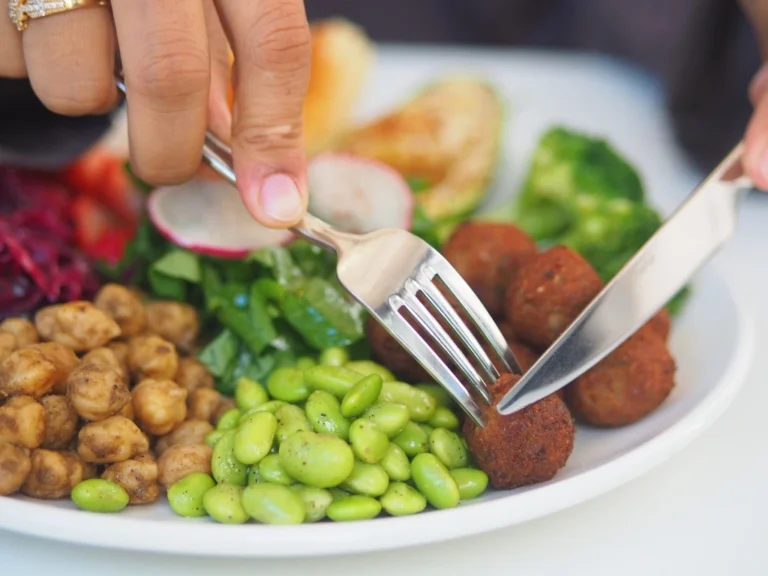









If you’re looking into how you can reduce cholesterol naturally, it helps to start with understanding what affects it in the first place. Cholesterol levels can be influenced by genetics and age, but the simple choices you make every day — from the foods you eat and how physically active you are, to how well you manage stress — also play an important role.

What affects your cholesterol levels?
Understanding the different factors that impact cholesterol can help you pinpoint the areas where lifestyle changes may have the greatest impact for you.
Lifestyle and eating patterns
Your everyday habits can strongly influence cholesterol levels. For instance, diets high in saturated fats, like fatty cuts of red meat, processed foods, and full-fat dairy products, can raise low-density lipoprotein (LDL) cholesterol (also commonly referred to as “bad” cholesterol).
Scientific and public opinion on eggs and dietary cholesterol has shifted drastically over the decades. You may feel like you have whiplash from the changing opinions on eggs and dietary cholesterol, as nutrition guidance has evolved from warning against eggs to recognizing that, for most people, saturated fat plays a much larger role in blood cholesterol levels.
The 2026 American Heart Association Dietary Guidance Scientific Statement explicitly states that dietary cholesterol is “no longer a primary target for [cardiovascular disease] risk reduction for most people” and that moderate egg consumption can be included as part of a heart-healthy dietary pattern.
On the other hand, refined carbohydrates (from sugary drinks, desserts, candy, white bread) have been shown to worsen lipid panels through a process known as hepatic de novo lipogenesis (DNL). This is a process where the liver turns extra carbohydrates into fat for storage, which increases circulating triglyceride levels.
The same goes for other lifestyle habits, such as:
- Not getting enough physical activity
- Smoking
- Being exposed to chronic stress
- Having a poor quality of sleep
- Consuming excess alcohol
These negative habits also tend to shift cholesterol in an unhealthy direction. What’s encouraging, though, is that these are often the most changeable factors when it comes to reducing cholesterol naturally. Even small, slow adjustments to your daily routines can already be supportive of heart health when done consistently long-term.
Genetics and family history
For some people, cholesterol runs in families. If close relatives have high cholesterol or early heart disease, your body may naturally produce more LDL or have difficulty clearing it.
Inherited conditions like familial hypercholesterolemia can lead to high cholesterol levels even in people who otherwise maintain healthy habits.
Medical conditions
Certain health conditions can raise cholesterol or make it harder to manage. These include diabetes, hypothyroidism, chronic kidney disease, and conditions linked to excess weight, such as sleep apnea. In some cases, both the condition itself and the medications used to treat it can influence cholesterol levels.
Medications
Some medicines prescribed for unrelated conditions may also unintentionally affect cholesterol. Certain beta-blockers, steroids, diuretics, and some treatments used for inflammatory diseases or cancer are some common examples.
If you suspect a medication may be affecting your cholesterol, it’s worth discussing options with your healthcare provider.
Age and hormonal changes
As you get older, your body becomes less efficient at removing LDL cholesterol from the bloodstream. Hormonal changes, including menopause, can also affect cholesterol balance by increasing LDL levels and lowering high-density lipoprotein (HDL) levels (also called “good” cholesterol).
Because cholesterol is influenced by many overlapping factors, personalized guidance from a registered dietitian or healthcare provider can help identify where to focus first.

What’s the difference between LDL and HDL cholesterol?
LDL and HDL are both carriers of cholesterol across the body, and not necessarily the cholesterol itself. But why is one deemed “good” while the other is considered “bad”?
The two primarily differ in how they function. LDL carries cholesterol from the liver to the rest of the body. When levels are higher than your body needs, LDL can leave cholesterol behind in artery walls, where fatty plaque may build up over time. This fatty plaque may increase the risk of heart problems.
HDL, on the other hand, works in the opposite direction. It helps collect excess cholesterol from the bloodstream and brings it back to the liver for removal. Although high HDL cholesterol (with 40 to 80 mg/dL as a safe range to target) is generally viewed as protective against heart disease, it’s not always without consequence. Extremely high levels (80 mg/dL or higher) are, in fact, still associated with risks in heart health.
Overall, it may help to move away from viewing LDL and HDL as black-and-white. Although managing cholesterol may require lowering LDL levels, healthy HDL levels should also be maintained to better protect the heart.
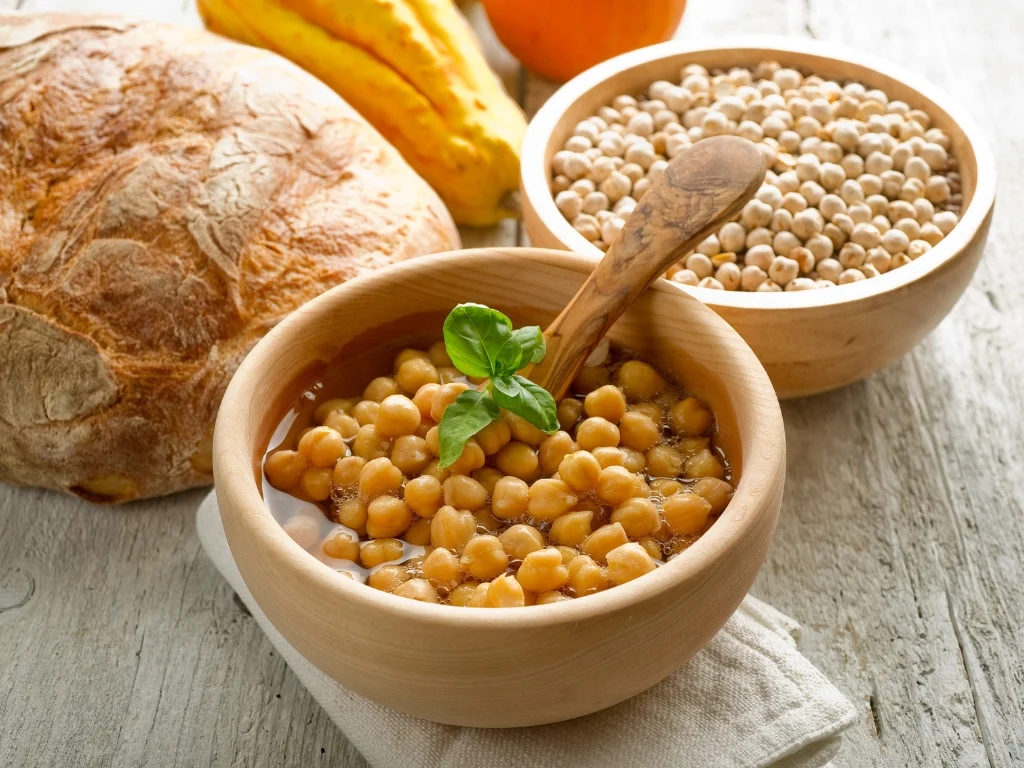
6 practical habits to help reduce cholesterol naturally
Body weight can influence how your body processes cholesterol, so it may feel like losing weight is the best course of action when aiming to lower cholesterol naturally. However, heart health isn’t dependent solely on the number you see on the scale. For some people, modest changes in lifestyle play a more meaningful part in improving cholesterol levels compared to drastic weight loss.
Rather than following strict calorie counting or complicated food rules, build a balanced routine with habits that feel realistic long term, starting with the following:
1. Increase soluble fiber intake
Soluble fiber can help lower the amount of LDL cholesterol absorbed into the bloodstream. This type of fiber is found in foods such as:
- Oats
- Barley
- Lentils
- Chickpeas
- Apples
- Flaxseeds
Start by adding one high-fiber food to each meal. This can be as simple as having oatmeal with fruit for breakfast or adding lentils to a soup for lunch.
It’s usually best to increase fiber gradually, especially if you’re not used to eating a high-fiber diet, since sudden increases may cause digestive discomfort. Working with a registered dietitian can also help pace this appropriately and tailor your fiber intake to what your body actually needs.
2. Cut back on refined carbs and added sugars
Highly refined carbohydrates and added sugars can raise triglycerides and negatively affect cholesterol balance. They’re often easy to overconsume because they’re found in many processed foods, such as:
- High-sugar drinks
- Pastries and baked goods
- White bread
- Candies
- Sweetened snack foods
Be practical with food swaps. For instance, instead of reaching for refined grains, choose whole-grain options like brown rice, whole wheat bread, or oats. You can also drop sugary beverages for water, tea, or coffee with no added sugar, all of which may serve as simple, natural drinks that can lower cholesterol.
It can also help to check labels for added sugars hidden in foods such as flavored yogurts, sauces, cereals, and snack bars. Even foods and beverages marketed as “healthy” choices may actually contain high amounts of sugar.
3. Stay physically active
Regular movement supports heart health in several ways, including helping maintain healthy HDL and LDL cholesterol levels, regulate blood pressure, and support overall metabolic health.
You don’t need an intense workout routine to reap the benefits. Even 30 minutes of moderate activities like brisk walking, cycling, swimming, or dancing can all help when done consistently.
If you’re short on time, shorter sessions still count. Three 10-minute walks throughout the day can be just as helpful as one longer session.

4. Choose healthier fats more often
Not all fats affect cholesterol in the same way. Replacing saturated and trans fats with unsaturated fats can help support healthier LDL levels.
Saturated fats are commonly found in:
- Fatty cuts of red meat (beef, pork, or lamb)
- Processed meats, such as sausages, bacon, or salami
- Hard cheeses, such as cheddar, Gouda, or Parmesan
- Butter
- Lard
- Ghee
- Cream or whole milk
- Coconut oil
On the other hand, healthier fats come from foods like:
- Olives and olive oil
- Avocados and avocado oil
- Nuts, such as walnuts, almonds, and hazelnuts (including nut oils or butter)
- Seeds, such as chia seeds, flaxseeds, and hemp seeds
- Fish rich in omega-3 healthy fats, such as salmon, anchovies, or sardines
- Eggs
- Full-fat yogurt
Keep swaps simple. Use olive oil instead of butter when cooking, or choose nuts as a snack instead of processed chips.
Because saturated fats can also come from less obvious sources like sauces or baked goods, working with a dietitian can help you better identify these hidden contributors in your diet.
5. Limit alcohol intake
Alcohol can raise triglyceride levels when consumed in excess, which may impact your overall cholesterol balance over time.
If you drink alcohol, keeping your intake moderate is crucial. Some practical ways to do this include:
- Alternating alcoholic drinks with water
- Setting alcohol-free days during the week and sticking to this schedule
- Choosing smaller portions or lower-alcohol options
For some people, especially those already at risk of heart problems, avoiding alcohol altogether may be a better way to reduce cholesterol naturally.
6. Add more plant-based meals
Shifting toward more plant-based meals tends to be more supportive of healthier cholesterol levels, because these diets are often naturally higher in fiber and lower in saturated fat. Research even suggests that following vegetarian or vegan eating patterns may help lower LDL cholesterol levels.
But of course, you don’t have to eliminate meat completely. Starting with one or two meatless meals per week can be a manageable way to begin.
Some easy meal ideas you can incorporate into your diet are:
- Lentil soup
- Chickpea curry
- Tofu stir-fry
- Bean tacos
- Vegetable pasta with lentils
Beans and legumes can also be added to familiar dishes like pasta sauces or tacos to add fiber and protein while allowing you to be less dependent on using processed meats.
Achieve healthier cholesterol levels with a nutrition-first plan from Health Loft
When learning how to reduce cholesterol naturally, it helps to focus less on short-term fixes and more on the everyday habits that shape heart health long-term.
Cholesterol levels are affected by a combination of several factors, some biological, while others are lifestyle-focused. Because of this, ideas like reducing cholesterol naturally in seven days or finding foods that lower cholesterol fast can be misleading. While certain dietary choices can be supportive of healthier cholesterol levels, meaningful improvements come from steady, sustainable changes that build over weeks and months.
At Health Loft, we take this long-term, nutrition-first approach and tailor it to your specific needs. Our registered dietitians who specialize in heart health help translate your lab results into clear, practical steps that account for your personal preferences, lifestyle, and current health status, so that changes always make sense for you.
Connect with a Health Loft dietitian to start building a personalized plan that not only supports healthier cholesterol levels but also improves your overall well-being.
This article was reviewed by Solveig Adalsteinsdottir, MS, RDN, LDN. It is intended for informational purposes only and does not replace personalized nutritional advice.