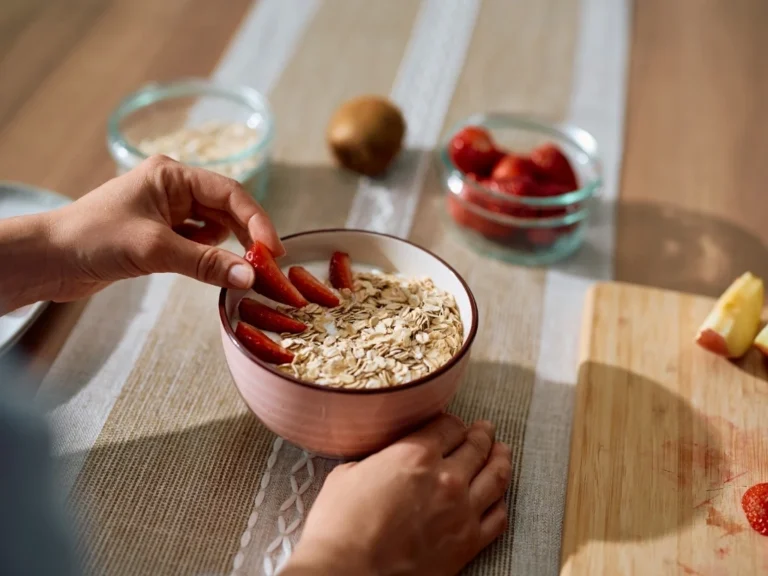









Oatmeal is often commended as a wholesome, comforting breakfast option that can support heart health and keep you feeling full and satisfied. But for people managing blood sugar, it can also raise questions about the extent of its effect on blood glucose levels.
The answer here is rather promising: oatmeal doesn’t have to be off the table. It can neatly fit into a balanced diet as long as you understand the best oatmeal for people with diabetes — the right type, portion, preparation method, and what to pair it with. Read on to learn how to start enjoying this breakfast staple while supporting steadier blood sugar levels in a practical, approachable way.

Does oatmeal raise blood sugar?
Yes, oatmeal can raise blood sugar, especially for individuals with insulin resistance or diabetes.
Oats generally contain soluble fiber, especially beta-glucan, which helps to slow digestion and support better control of blood sugar (or glucose). However, oatmeal remains a carbohydrate-rich food. Carbohydrates naturally break down into glucose, so it’s inevitable for them to influence blood sugar levels.
On the bright side, its impact on glucose levels depends on the type of oats you eat. Less processed options like steel-cut oats or oat bran tend to digest more slowly, thus leading to a less drastic rise in blood glucose. On the contrary, instant oats are more processed, which can cause a quicker spike in blood sugar levels.
How oatmeal may support blood sugar and overall health
Building on how different types of oats affect blood sugar, it’s helpful to understand how oatmeal can help with type 2 diabetes when chosen and prepared thoughtfully.
Promotes steadier blood sugar levels
Thanks to soluble fibers like beta-glucan that are naturally found in oats, eating oatmeal can lead to a more gradual release of glucose into the bloodstream, rather than sharp spikes after eating. Of course, portion sizes must still be taken into account for this benefit to be observed.
Helps with appetite control and satiety
Because of its fiber and water content, oatmeal can also keep you feeling full for longer and may help to reduce hunger between meals. Having it for breakfast, when paired with healthy fats and protein to round out your plate, can help avoid constant snacking later in the day.
Encourages healthy weight patterns
Oatmeal’s effect on appetite control may also make it easier to manage or lose weight over time. Maintaining a healthy weight can significantly improve the body’s response to insulin.
Excess fat can further prompt inflammation and block insulin action. Less fat generally means less inflammation, allowing cells to use insulin much more effectively. Managing weight also reduces fat that may accumulate in the liver, which is a major driver of insulin resistance.
Contributes to cholesterol management and heart health
Beta-glucan may help lower low-density lipoprotein (LDL) cholesterol — or colloquially referred to as “bad” cholesterol — by forming a gel in the gut (as soluble fibers do) and binding with cholesterol-rich bile acids for easier removal from the body.
Since people with diabetes often face a higher risk of heart-related conditions, supporting healthy cholesterol levels is especially important.
Consuming oats regularly has also been linked to positive results in managing blood pressure, improving blood flow (mainly through the unique antioxidants called avenanthramides), and supporting heart function overall.
What are the best oatmeal options for diabetes?
Not all oats are the same, and that difference matters for people with diabetes. Each type of oat essentially comes from the same whole grain, but the level of processing — and the particle size that it results in — can significantly affect how quickly they’re digested and how they impact glucose levels.
Less processed forms, which retain more of the oat’s natural structure and fiber — especially beta-glucan — are digested more slowly and can help support better glycemic control and an improved response to insulin.
With this in mind, let’s take a closer look at the most common types of oats and how they compare with one another in terms of their impact on blood sugar levels.
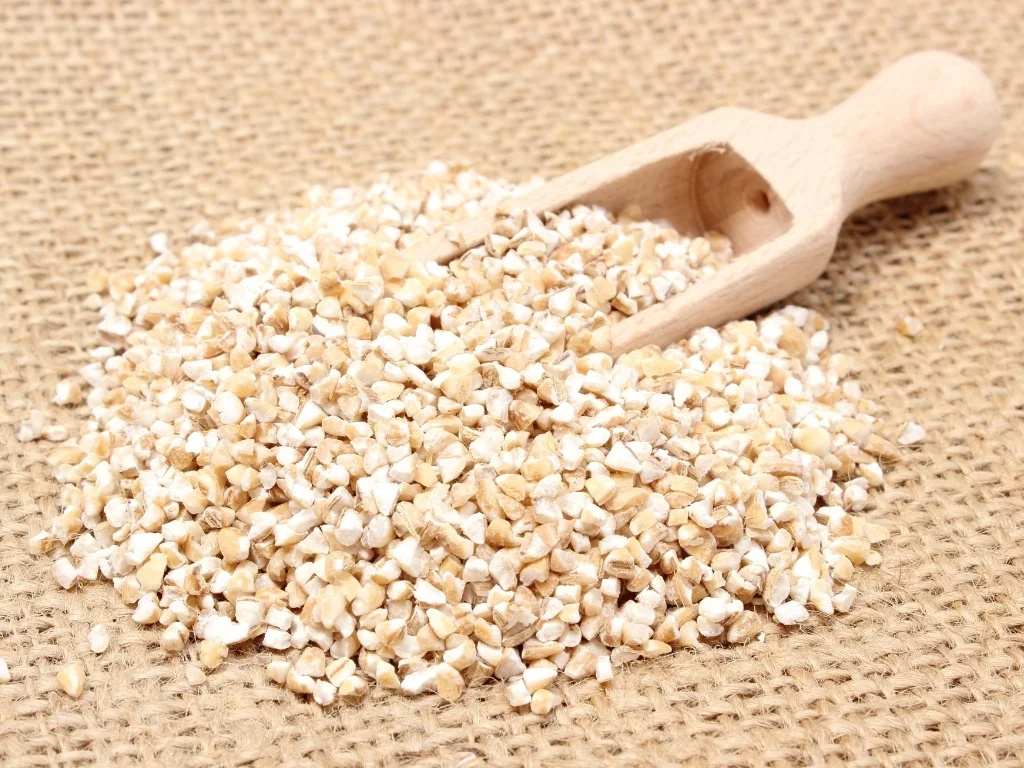
Steel-cut oats
Steel-cut oats are considered to be the best oatmeal option for diabetes, for the simple reason that they’re the least processed and have the slowest effect on blood sugar.
These oats are simply whole oat groats, containing all components of the whole grain, that have been chopped into small pieces, which helps to preserve their natural structure. As a result, they take longer to digest and release glucose more gradually into the bloodstream.
This slower digestion is linked to a lower glycemic response and improved blood sugar stability. Studies show that less-processed oats, like steel-cut varieties, tend to have a lower glycemic index and higher beta-glucan content, both of which support improved post-meal blood glucose control.
They are also rich in soluble fiber, which can help delay gastric emptying and support feelings of fullness and satiety. While they take longer to cook, many people find the steady energy and blood sugar benefits well worth the extra time.
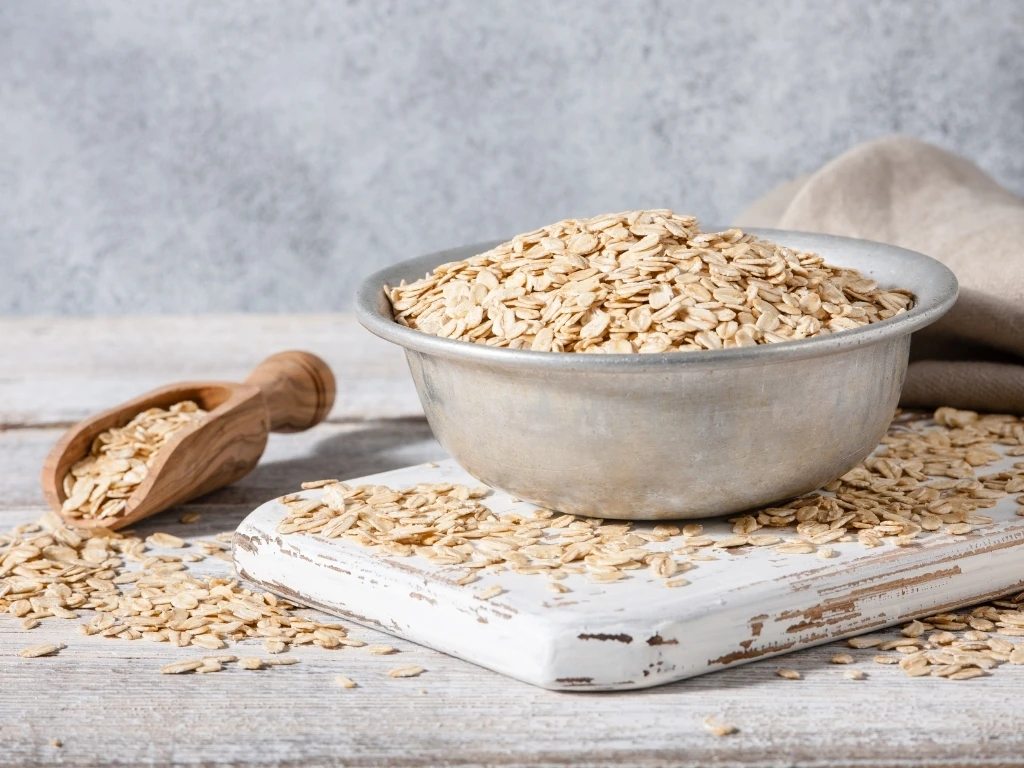
Rolled oats (old-fashioned oats)
Rolled oats are often recommended as the second-best choice of oats for diabetes. They are moderately processed — being steamed and flattened — which makes them quicker to cook while still retaining many of their beneficial nutrients.
Because they are slightly more processed than steel-cut oats, rolled oats digest a bit faster and may lead to a slightly higher rise in blood sugar. However, thicker oat flakes can still significantly reduce blood glucose and insulin responses compared to more refined grains.
This makes them a practical and balanced option, especially for busy mornings. When paired with protein or healthy fats, they can be part of a well-balanced meal that’s also blood sugar-friendly.
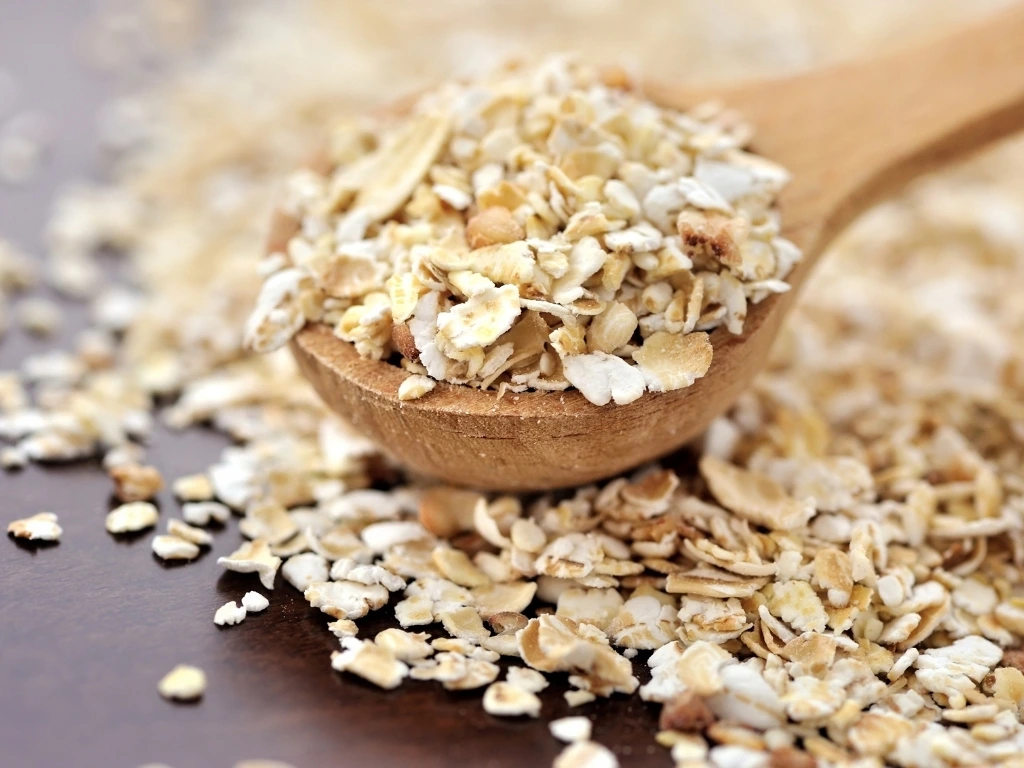
Quick or instant oats
Quick or instant oats can still be enjoyed occasionally, but they’re a lot more processed, which means they tend to raise blood sugar more quickly. These oats are cut into smaller pieces and pre-cooked, allowing them to absorb water rapidly and cook very quickly. However, this also means they’re digested much faster, often leading to sharper blood sugar spikes.
Studies suggest that highly processed oats, such as instant varieties, generally have a higher glycemic index and may not provide the same blood sugar benefits as less processed options.
How to prepare oatmeal for a more stable blood sugar
Knowing the best type of oats for diabetes is a great first step, but the way in which you prepare your oatmeal also matters. The following are a few simple adjustments to make your bowl more balanced, satisfying, and supportive of your blood sugar levels.
Start with less processed oats
Choose steel-cut or rolled oats when possible. Generally considered the best oats for diabetes, these digest more slowly and help prevent rapid blood sugar spikes.
Mind your portions
How many oats you eat may also play a part in how they can affect blood sugar. Even healthy foods can spike blood sugar if eaten in large quantities, so it’s best to keep your oatmeal intake in moderation, using the serving size on the oats’ packaging as a reference point
Add other foods to balance your plate (or bowl)
Eating oatmeal on its own may cause a higher spike. Incorporate other foods to offset the carbs and help lower the overall glycemic index of the meal. Consider pairing oatmeal with the following:
- Protein slows the digestion of carbs and keeps you full for longer, helping prevent rapid blood sugar spikes. Easy pairings are Greek yogurt, protein powder, nut butters, or eggs.
- Fiber curbs absorption of glucose while slowing digestion and improving long-term blood sugar control. Easy pairings are fruits like berries or apples, or beans for more savory options.
- Healthy fats slow down gastric emptying, which keeps blood sugar from spiking soon after eating. Easy pairings are chia seeds, flaxseeds, almonds, or nut butters.
Skip added sugars
Avoid flavored instant oats or sugary toppings, as these typically contain added sugars that can further increase blood glucose levels. Instead, use cinnamon, vanilla, or fresh fruit to add natural sweetness and flavor.
Try savory options
Oatmeal doesn’t have to be sweet. Cooked oats can be used as a base for savory meals, just like how you’d normally use quinoa or brown rice. Consider adding vegetables, eggs, or beans to create a meal that’s balanced, flavor-diverse, nutritious, and reliably blood sugar-friendly. You can also add herbs and spices to boost flavor without using too much additional salt or fat.
Support your blood sugar with nutrition habits that last
Oats are generally considered to be okay for people with diabetes, but they can be made even healthier by choosing minimally processed varieties, portioning them well, and avoiding added sugars that can increase their glycemic effect.
Ultimately, the best oatmeal for people with diabetes is one that’s mindfully prepared to support more stable blood sugar levels. Still, no single food is enough to do the job on its own. Pairing oats with protein, healthy fats, and fiber, and practicing other thoughtful eating practices, such as proper meal timing and complementing food with regular exercise, leads to much more effective results over time.
A registered dietitian specializing in diabetes care can help you understand your own body’s responses with the clarity and patience it requires. By receiving personalized guidance from a Health Loft dietitian, you can start building meals that are satisfying, nourishing, and realistic for your daily life. Discover ways to enjoy foods like oatmeal while making sure your blood sugar remains steady, your symptoms are addressed, and your preferences are duly honored.
Begin working with a Health Loft dietitian today to create habits that truly last.
This article was reviewed by Haleigh Mann, MS, RDN, LDN. It is intended for informational purposes only and does not replace personalized nutritional advice.