









Managing high blood pressure doesn’t require completely overhauling your lifestyle overnight. In many cases, it’s your everyday habits that matter most, and nutrition is one of the most powerful places to begin.
This guide includes a practical, dietitian-approved seven-day meal plan for high blood pressure you can easily follow and adapt for daily life, along with simple dietary strategies to help you build balanced eating habits you can maintain long term.

What diet is best for managing high blood pressure?
The DASH (or Dietary Approaches to Stop Hypertension) approach is a research-proven diet plan specifically developed to help manage high blood pressure or hypertension.
It focuses on reducing excess intake of sodium and increasing nutrients like potassium, magnesium, and calcium that support healthy blood pressure and overall cardiovascular health. Adapting the DASH diet brings positive results within just a few weeks, making it a trusted choice by nutrition experts specializing in cardiovascular health.
How to adapt the DASH diet for better blood pressure
The DASH diet may sound intimidating at the start, but its key principles can be easily added to your everyday life. Here are some diet-focused strategies to help with blood pressure management:
Reduce sodium intake in realistic ways
Lowering sodium doesn’t mean you have to stop using salt completely. Instead, start by limiting your intake of heavily processed, packaged, and restaurant foods, since these tend to contribute the largest amounts of sodium in the average diet.
Common high-sodium items include:
- Deli meats
- Canned soups
- Instant noodles
- Chips
- Frozen meals
- Fast food
- Packaged sauces
Preparing meals at home more often, reading nutrition labels, and using herbs, garlic, citrus, vinegar, and spices for flavor instead of relying fully on salt can make lower-sodium eating feel far more manageable and enjoyable.
The DASH diet generally recommends keeping sodium intake around 2,300 milligrams or less per day, though some people may benefit from lower targets depending on their health needs.
Include adequate fiber
Fiber isn’t just good for digestion. It also plays an important role in heart health, with research suggesting that eating more fiber may support healthier blood pressure and help manage cholesterol.
Increase your fiber intake with these easy additions to meals:
- Oats
- Beans
- Lentils
- Berries
- Apples
- Vegetables
- Whole grains
Including at least one fiber-rich food at each meal or snack can serve as a manageable place to start. Make sure to increase fiber intake gradually and stay well-hydrated in the process to help prevent digestive discomfort.
Choose heart-healthy fats
It’s a common misconception that all fats are bad. Yes, you’re usually better off cutting down on trans fats and saturated fats from fried foods, processed snacks, fatty meats, and full-fat dairy, as they may raise cholesterol levels when eaten too often.
On the other hand, there are healthier fats that may actually contribute to better heart health when included as part of a balanced eating pattern.
Some fat sources considered heart-healthy are:
- Olive oil
- Avocados
- Nuts
- Seeds
- Fatty fish such as salmon or sardines
Incorporate them into your day-to-day eating through small changes like cooking with olive oil instead of butter or adding nuts or seeds to your snacks and meals.
Increase potassium-rich foods
Potassium is another essential mineral to watch for when managing blood pressure. It helps balance the effects of sodium and supports healthy blood vessel function. y.
The following are some plant foods that may be good for high blood pressure, as they naturally contain potassium:
- Bananas
- Avocados
- Potatoes
- Spinach
- Beans
- Oranges
- Tomatoes
Including a variety of fruits and vegetables throughout your day can be a safe, nourishing way to increase your potassium intake.
However, potassium may best be limited if you’re diagnosed with chronic kidney disease or medical conditions like Addison’s disease or uncontrolled diabetes. In these cases, make sure to speak with a healthcare professional first before making any significant changes to your potassium intake.
Focus on lean proteins and plant-based options
The proteins you choose can also support healthy blood pressure management. Some options that fit well into a heart-conscious eating pattern include:
- Lean poultry
- Fish
- Eggs
- Tofu
- Beans
- Lentils
- Low-fat dairy
Plant-based proteins are especially helpful because they often provide fiber and minerals alongside protein.
Choosing minimally processed options more often rather than heavily processed meat alternatives or cured meats can help balance your plates in a way that remains supportive of long-term heart health.
7-day DASH diet meal plan for high blood pressure
Once you understand the nutrition principles behind blood pressure support, it becomes easier to put them into practice with everyday meals. This simple, seven-day meal plan for high blood pressure is meant to provide ideas and structure rather than strict rules.
Meals can be swapped, repeated, or adjusted based on your schedule, preferences, culture, and appetite. Portion sizes and nutrition needs will also vary from person to person, which is why many people benefit from personalized guidance from a registered dietitian.
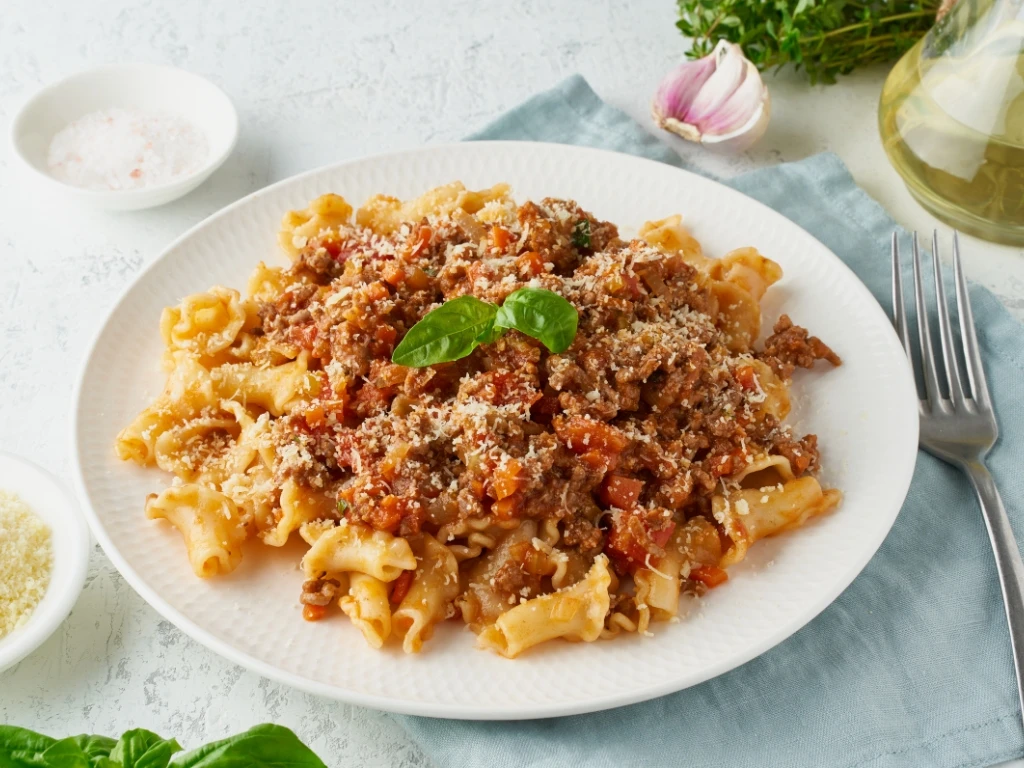
Day 1
- Breakfast: Instant oatmeal served with low-fat milk
- Lunch: Turkey breast sandwich on whole wheat bread with steamed broccoli and an orange
- Dinner: Whole wheat pasta Bolognese with lean ground beef, with a side of green beans, baked potato, and a whole grain roll
- Snack: Unsalted peanuts and dried apricots
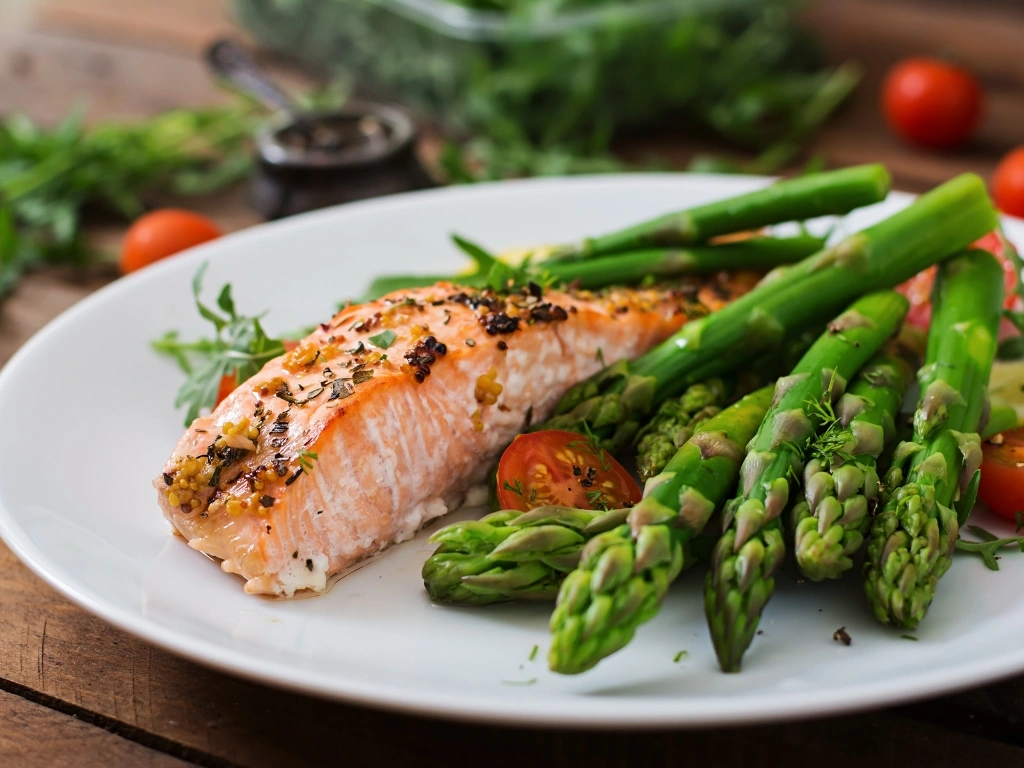
Day 2
- Breakfast: Whole-wheat English muffin breakfast sandwiches with egg whites, tomato, reduced-fat cheese, skim milk, and tropical fruit salad
- Lunch: Snow pea and orzo salad with roasted pork loin
- Dinner: Baked salmon with asparagus and quinoa
- Snack: Banana and sliced strawberries
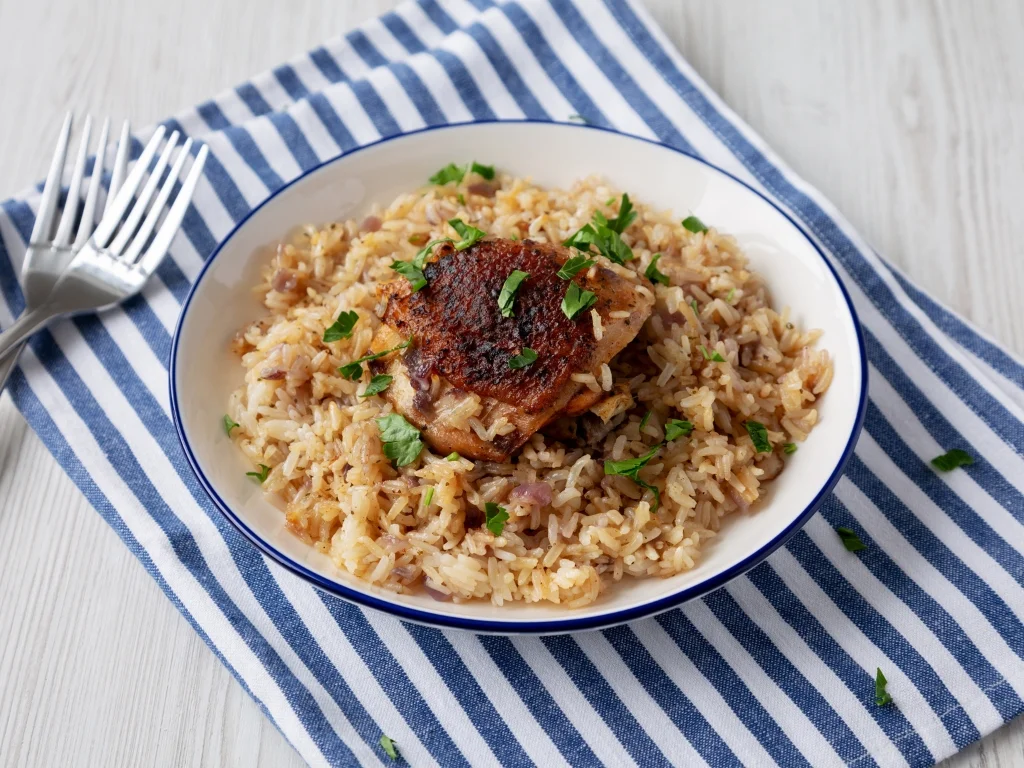
Day 3
- Breakfast: Breakfast tacos with egg whites, avocado, tomato, reduced-fat cheese, skim milk, orange juice, and fruit salad
- Lunch: Roasted garlic chicken and mushroom pizza with a side of Mediterranean spinach salad
- Dinner: Ginger chicken with brown rice, roasted asparagus, and glazed carrots
- Snack: Yogurt parfait with banana, almonds, and granola
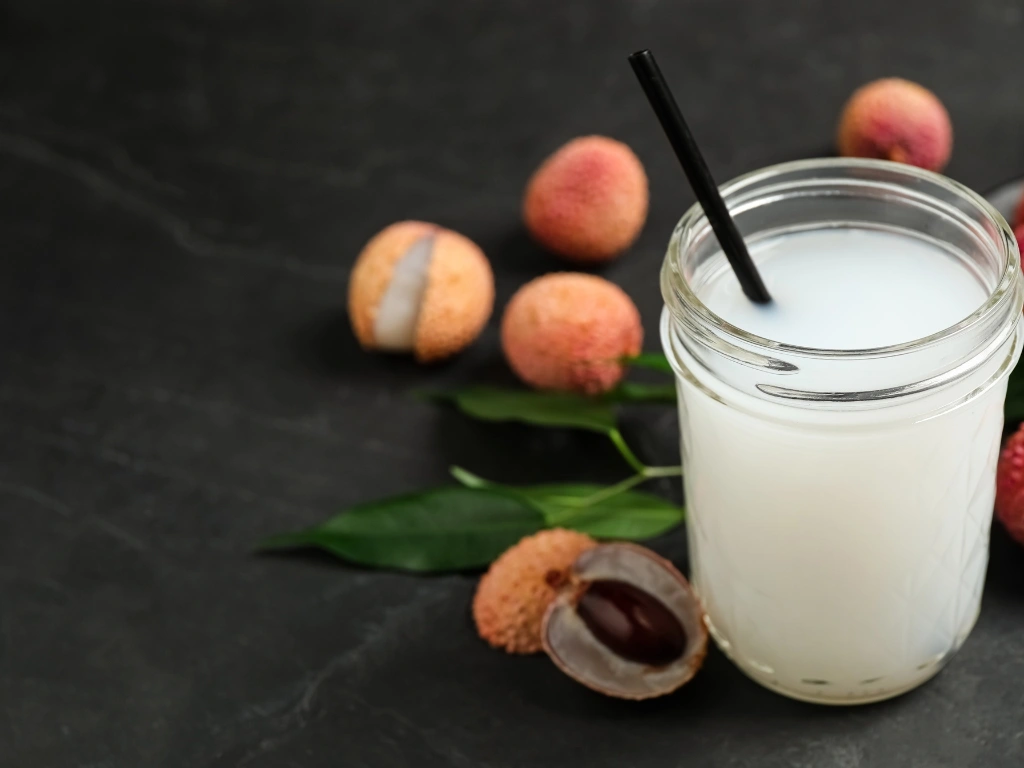
Day 4
- Breakfast: Steel-cut oats with berries, chia seeds, and low-fat yogurt
- Lunch: Whole wheat wrap with hummus, avocado, spinach, corn, and tomato
- Dinner: Moroccan-inspired vegetable and chickpea stew with couscous and mixed greens
- Snack: Lychee fruit kefir
Day 5
- Breakfast: Whole-grain cereal with low-fat milk, banana, and whole-wheat toast with peanut butter
- Lunch: Roasted beet and lentil salad with carrots and vinaigrette
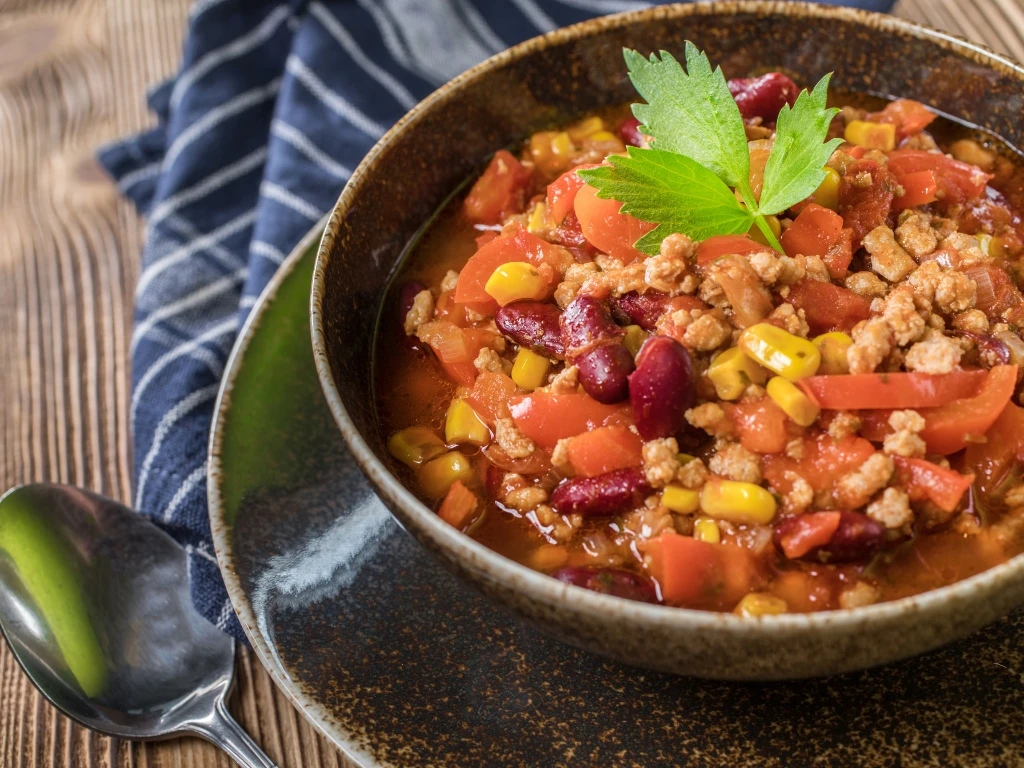
- Dinner: Turkey chili with beans and seasonal vegetables
- Snack: Low-fat yogurt topped with sunflower seeds
Day 6
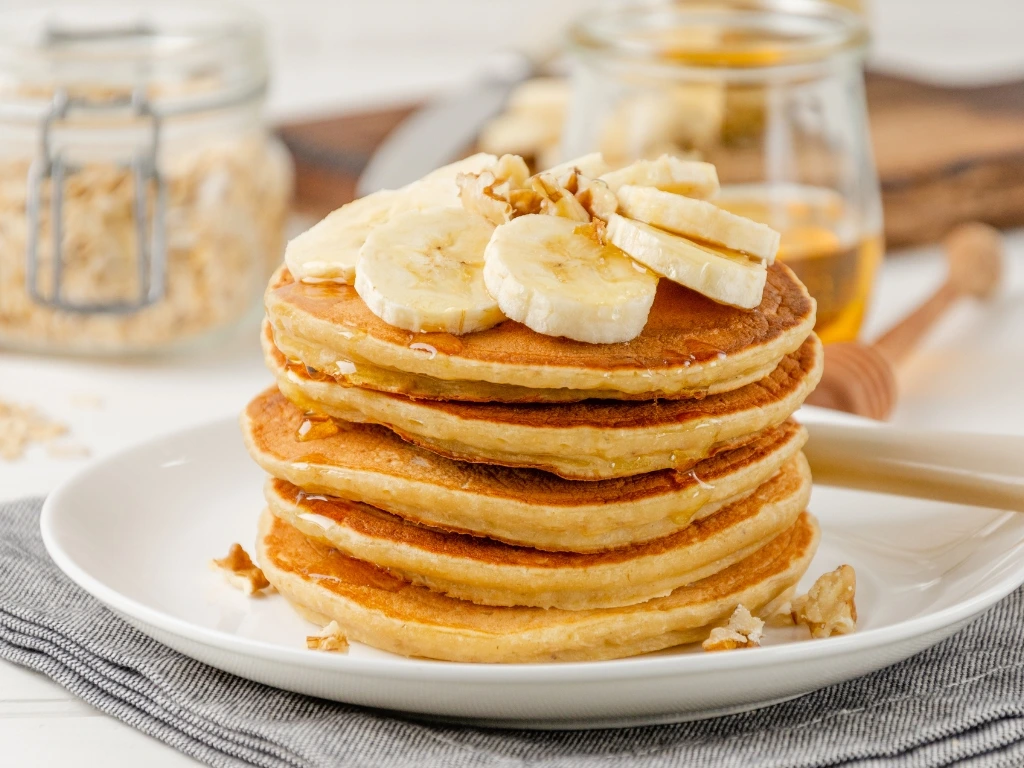
- Breakfast: Pumpkin pancakes with walnuts, banana slices, honey, and skim milk
- Lunch: Whole-grain pasta salad with tuna and a fresh peach
- Dinner: Spicy chicken salad lettuce wraps with citrus fruit salad and whole-grain crackers
- Snack: Roasted vegetables with feta cheese
Day 7
- Breakfast: Whole-grain oat cereal with low-fat milk, banana, and yogurt
- Lunch: Tuna salad (made with low-sodium canned tuna) on whole-wheat bread, served with apple slices
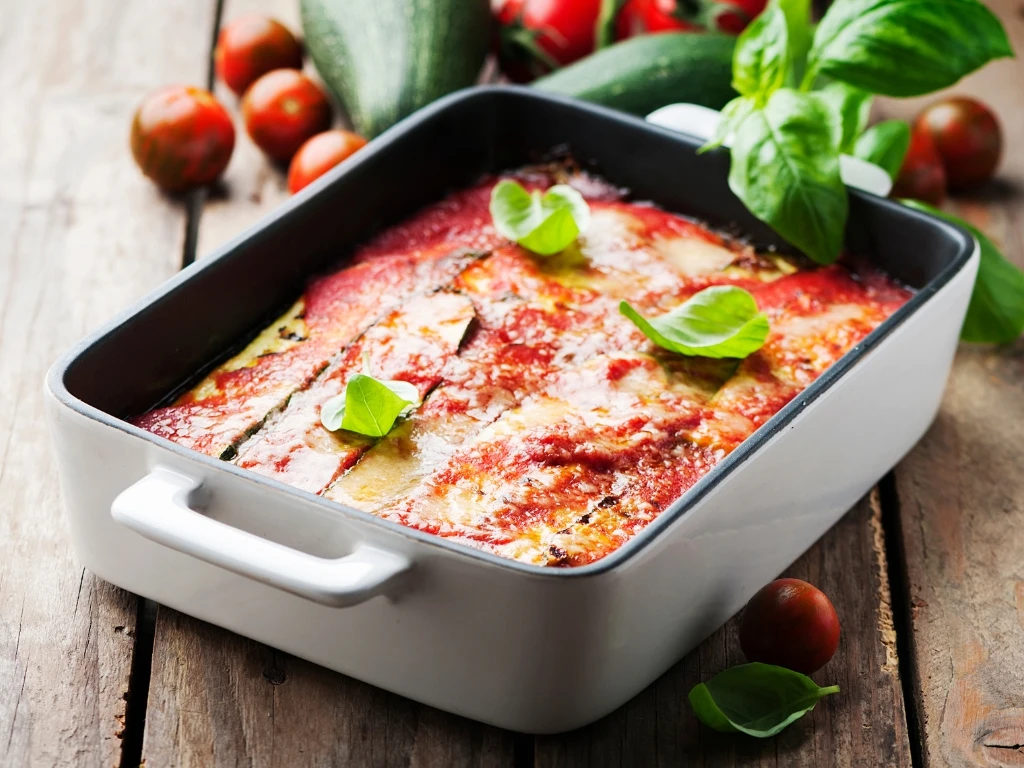
- Dinner: Zucchini lasagna with spinach and tomato salad and a whole-wheat roll
- Snack: Whole-wheat crackers
Other lifestyle habits to maintain
Food and nutrition aren’t your only keys to better blood pressure management. What you do daily, from exercise to sleep, stress management, and whether you smoke or not, all count towards your heart health and overall well-being.
- Aim for better quality of sleep. Blood pressure normally decreases by 10% to 20% during sleep. Being consistently sleep-deprived prevents you from reaching this natural dip, forcing your heart to work harder and increasing your risk of hypertension.
- Manage stress levels. Chronic stress tends to activate the body’s “fight or flight” response, which can cause blood vessels to constrict and your blood pressure to spike. Build small habits for stress relief, such as meditating, exercising, or even taking short walks outdoors.
- Stay physically active. Exercising regularly helps strengthen the heart, allowing it to pump blood with less effort. It also keeps blood vessels flexible while helping manage weight and stress levels.
- Avoid smoking and excess alcohol. Both nicotine and excess alcohol can raise blood pressure and heart rate temporarily. Over time, repeated spikes may contribute to long-term damage in the arteries and blood vessels.
- Build routines you can sustain. Consistency is a necessity. Stick with realistic strategies to manage high blood pressure, such as simple meal ideas you genuinely enjoy for easier maintenance.
Improve your heart health with dietitian-led support from Health Loft
Following a heart-healthy eating pattern like the DASH diet can be a major step to managing high blood pressure. Meal plans such as this seven-day high blood pressure diet are a great starting point, but in the long run, improving heart health often demands a more personalized approach.
As your needs evolve, so does the nutrition support your body requires. At Health Loft, our registered dietitians specialize in cardiovascular conditions and can help you build food-first nutrition plans designed around your medical history, preferences, lifestyle, and even other conditions like diabetes, kidney disease, or high cholesterol.
Our experts can also help clear up confusion around matters like understanding sodium intake, managing portion sizes, making healthier grocery choices, and preparing simple meal ideas for high blood pressure that’s both satisfying and DASH diet-aligned.
Reach out to a Health Loft dietitian to get started on a heart-health plan created just for you.
This article was reviewed by Katie Whitson, RD, LD. It is intended for informational purposes only and does not replace personalized nutritional advice.