









Managing chronic kidney disease (CKD) often means taking a closer look at what’s on your plate. Food becomes one of the key tools in supporting your health, and for many people whose experience also involves diabetes, it can take a bit more thought to find a way of eating that addresses both.
Some foods that help with blood sugar may need adjusting for kidney health. Because kidney disease has varying stages, your nutritional needs will also depend on the CKD stage you’re in, your lab values, medications, and whether you’re on dialysis or not.
This guide offers a simple seven-day meal plan for kidney disease that you can use as a starting point for finding a comfortable routine that works for you. Adjust meals based on your preferences, routine, and how your body responds with the help of your healthcare team or a registered dietitian.

How are kidney disease and diabetes connected?
Diabetes is the leading cause of chronic kidney disease. About one in three adults with diabetes has kidney disease, and nearly half of all new CKD cases are associated with diabetes.
When blood sugar levels stay elevated, they can gradually damage the delicate blood vessels and filters in the kidneys. Over time, the damage can make it harder for kidneys to filter waste and extra fluid from blood, paving the way for CKD to develop.
On the other hand, as kidney function changes, your body also handles insulin and blood sugar differently.
Key nutrition principles for managing kidney disease and diabetes
When you’re managing both conditions, your diet needs to support blood sugar control while also being mindful of kidney function. These goals can overlap, but sometimes they require small adjustments depending on your stage of CKD and your lab results.
Balance carbohydrates carefully
Carbohydrates still play an important role in your meals. The focus is not on removing them, but on choosing types and portions that support steadier blood sugar.
Whole grains, fruits, and legumes can all fit into your diet. Pairing them with protein or healthy fats may help slow digestion and reduce sharp spikes. For example, having fruit with yogurt or nuts often feels more balanced than eating it on its own.
Be mindful of sodium intake
Sodium can affect blood pressure and fluid balance, both of which are important for kidney health. In some individuals, reducing sodium intake may help lower strain on the kidneys.
You don’t need to remove salt completely, but it helps to be aware of where it adds up. Cooking at home more often, using fresh ingredients, and limiting packaged foods can make a noticeable difference.
Include appropriate protein amounts
Protein is essential, but the amount you need may vary depending on your stage of kidney disease.
Some people may need to moderate their intake, while others need to make sure they are getting enough. This balance can feel tricky, especially if you are on dialysis, which is why many people benefit from personalized guidance.
Focus on whole, minimally processed foods
Whole foods tend to be lower in added sodium and sugars while providing more fiber and nutrients. Building meals around vegetables, whole grains, and lean proteins can support both kidney health and blood sugar control. This approach also tends to feel more sustainable than following strict or overly restrictive rules.
It’s worth noting, however, that some whole foods can still be high in potassium and phosphorus, which are laboratory values commonly monitored in CKD. Consult a dietitian on how best to manage these minerals in a personalized manner.
Foods to include in your diabetes-friendly CKD diet plan
The following foods may be helpful for both kidney disease and diabetes when eaten in appropriate portions. They can help you build meals that feel more complete and easier to maintain over time.
Some of these foods may require portion adjustments if you have high potassium or phosphorus levels.
Non-starchy vegetables
Zucchini, green beans, and peppers are excellent ingredients to fill up your plate without significantly affecting blood sugar. Spinach and broccoli may also work, but they must be portioned carefully based on your lab results, as they contain moderate to high amounts of potassium.
Add non-starchy vegetables to stir-fries, soups, or simply roast them as a side to make meals more filling.
Lower-glycemic fruits
Fruits like berries, apples, pears, and grapes tend to have a gentler impact on blood sugar compared to more sugary options. Pairing fruit with a protein or fat, like nuts or yogurt, may help keep your energy more stable.
Whole grains
Whole wheat, oats, quinoa, brown rice, and corn, as well as foods made from these grains, such as whole-wheat bread or pasta, provide fiber and can be included in moderate portions. If your potassium or phosphorus levels need closer monitoring, your portions or choices may need small adjustments.
Lean proteins
Including a source of protein at each meal can help with fullness and support more balanced blood sugar. Consider lean options such as chicken, fish, eggs, tofu, and legumes (may depend on potassium needs). The type and amount you can consume may also vary based on your kidney function.
Healthy fats
Healthy fat sources like olive oil, avocado, nuts, and seeds can make meals more satisfying and help slow digestion, though be mindful of your portions as some of these may contain high amounts of potassium or phosphorus.
Even small additions, like a drizzle of olive oil or a handful of nuts, can already help round out a meal.
Foods to limit with CKD and diabetes
When managing kidney disease and diabetes, it’s often best to limit foods with high amounts of sodium, added sugars, and preservatives like phosphate additives. These include:
- Processed meats such as bacon, sausages, or deli meats
- Packaged snacks such as chips, crackers, or cookies
- Convenience foods such as frozen meals, instant noodles, or canned soups
- Sugary beverages such as soda, energy drinks, or artificial fruit juices
- Refined carbohydrates such as white bread, white rice, or pastries
- Processed cheeses
You don’t need to completely avoid these foods, but being mindful of how often they show up in your routine can help reduce extra strain on the kidneys and keep blood sugar more stable.
7-day meal plan for kidney disease and diabetes
The following seven-day meal plan for kidney disease and diabetes should give you a clear structure for how you can eat well while managing your conditions thoughtfully, but it’s not meant to be taken as a strict plan. Feel free to adjust portion sizes, swap ingredients, or repeat meals depending on what works for you.
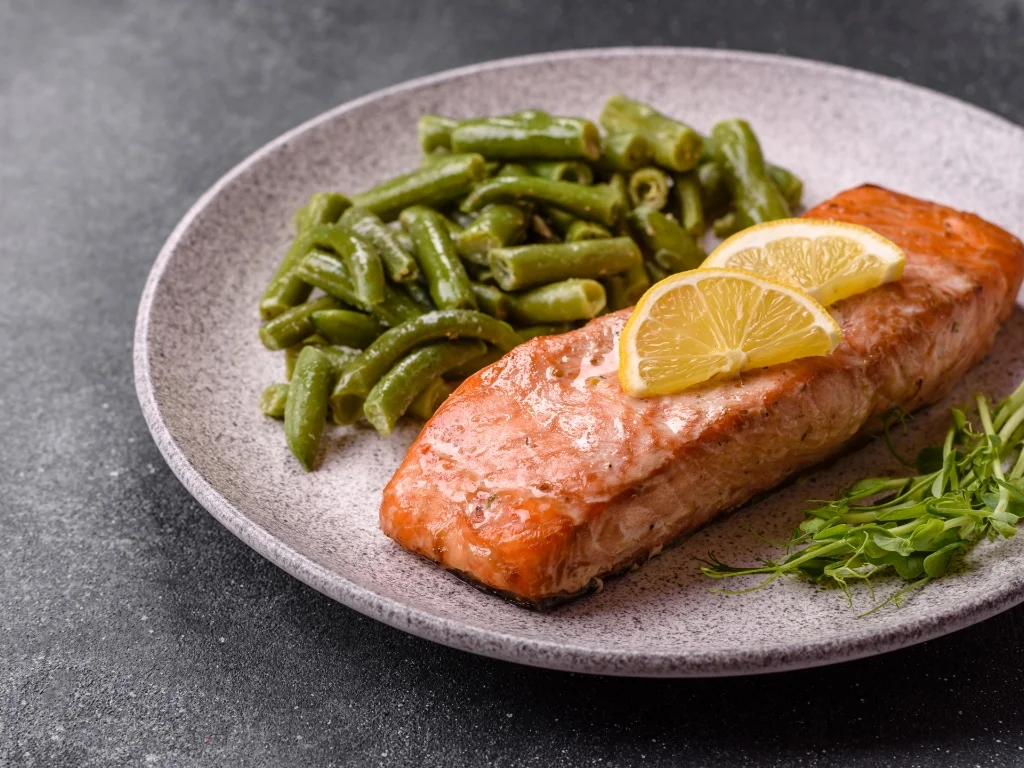
Day 1
- Breakfast: Oatmeal with mixed berries and cinnamon
- Lunch: Grilled chicken salad with olive oil dressing
- Dinner: Baked salmon, quinoa, and green beans
- Snack: Apple slices with cream cheese

Day 2
- Breakfast: Egg-white omelet with green onions
- Lunch: Turkey and zucchini whole-grain wrap
- Dinner: Seitan stir-fry with cabbage, kale, and wild rice
- Snack: Handful of Macadamia nuts
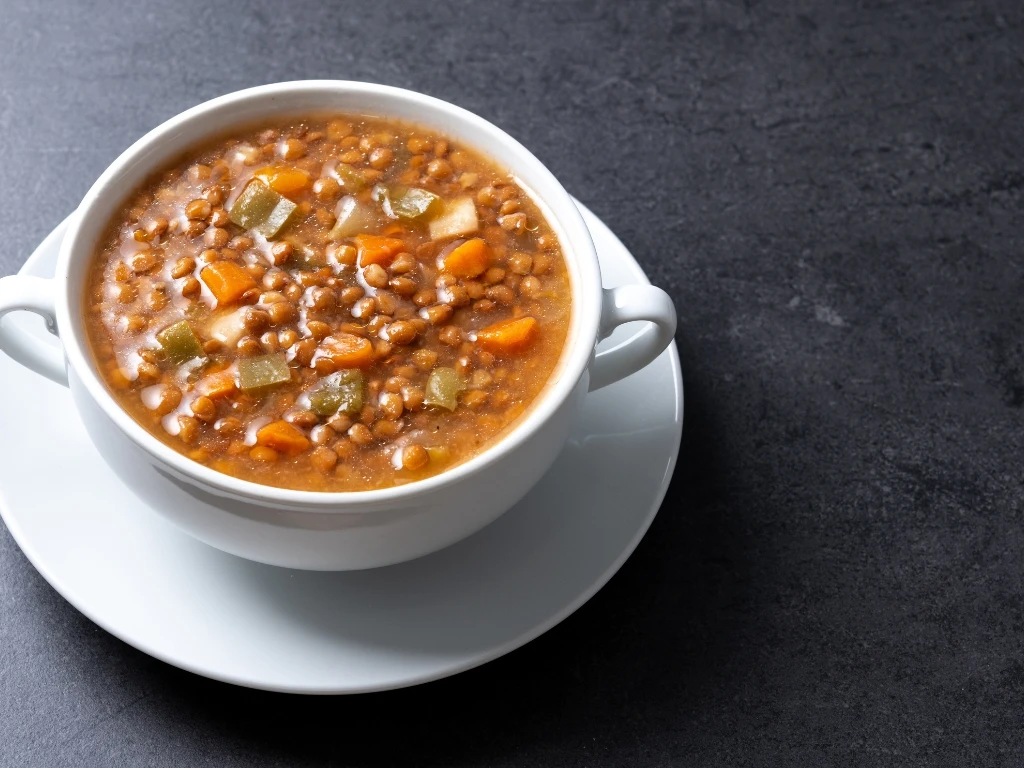
Day 3
- Breakfast: Scrambled eggs with whole-grain toast
- Lunch: Low-sodium lentil soup with a side salad (mixed greens, cucumber, and cherry tomatoes)
- Dinner: Grilled chicken with roasted zucchini and couscous
- Snack: Pear slices

Day 4
- Breakfast: Smoothie with kale, strawberries, and coconut milk
- Lunch: Tuna salad with whole-grain crackers
- Dinner: Baked cod and green beans with a small portion of quinoa
- Snack: Cottage cheese with grapefruit

Day 5
- Breakfast: Pearl barley porridge with pear slices and maple syrup
- Lunch: Millet salad with lettuce, cucumber, carrots, and bell pepper with lemon juice and olive oil dressing
- Dinner: Grilled chicken with green beans and a buckwheat side dish
- Snack: Homemade shortbread

Day 6
- Breakfast: Eggs served with sautéed cabbage and onions
- Lunch: Shredded chicken and cabbage salad with soy-ginger vinaigrette
- Dinner: Fried wild rice with cucumber, tomatoes, bok choy, and seitan
- Snack: Fruit salad (grapes, apples, watermelon, berries)

Day 7
- Breakfast: Whole-grain toast with cucumber slices and eggs
- Lunch: Vegetable soup with a side salad
- Dinner: Baked tilapia with roasted asparagus and steamed carrots
- Snack: Homemade waffles
Your exact needs may also vary based on your lab results, CKD stage, and medications. For a more personalized seven-day renal diet plan that aligns closely with what your body requires, consider working with a registered dietitian from Health Loft.
Get a personalized meal plan that works for your kidney health and blood sugar
Managing both kidney disease and diabetes is possible, but it often takes some adjustment to find what works for your body and lifestyle.
A structured plan like this seven-day meal plan for kidney disease can give you a starting point, but your needs may change over time, and you need a flexible approach to eating that evolves alongside your lab results, medications, and daily routines.
Working with a dietitian who specializes in kidney health can make that process feel more manageable. At Health Loft, our experts can help you build and adjust meals according to your lab values, symptoms, preferences, and lifestyle — always ensuring that you achieve nutrient balance in ways that support both CKD and diabetes. We can also coordinate with your primary healthcare provider to keep your treatment plan comprehensive.
Discover how food can play a central role in keeping your kidneys healthy and blood sugar stable. Connect with a Health Loft dietitian today.
This article was reviewed by Katie Whitson, RD, LD. It is intended for informational purposes only and does not replace personalized nutritional advice.