








Reducing sodium may help support healthy blood pressure and heart health, especially if you have hypertension, heart disease, kidney concerns, or fluid retention. But given how sodium shows up in more foods than most people realize, including breads, sauces, soups, and restaurant meals, it can be overwhelming to start a low-sodium diet.
This eating pattern does not have to mean bland food or strict rules. With a better understanding of where sodium comes from and what foods to build your meals around, you can create a way of eating that feels satisfying and realistic.

Understanding how sodium affects the body
Sodium is a mineral that helps your body maintain fluid balance and supports normal nerve and muscle function. The issue is not sodium itself, but how much of it you consume on a regular basis.
When your sodium intake is consistently high, your body may hold onto extra fluid. In some individuals, this can raise blood pressure and make the heart and kidneys work harder over time. It may also contribute to swelling, especially in the feet, ankles, or hands.
A low-sodium diet is commonly recommended for people managing:
- High blood pressure
- Heart disease or heart failure
- Kidney disease
- Swelling or fluid retention
How much sodium is recommended in a low-sodium diet depends on your health needs. In many cases, healthcare providers recommend limiting sodium to around 1,500 to 2,300 milligrams per day, though your target may be higher or lower depending on your medical history and needs. For perspective, 1,500 milligrams of sodium is roughly equal to about ¾ of a teaspoon of table salt from all foods and seasonings combined.
If you are taking medications such as diuretics or if you are managing more than one condition, your sodium needs may be more individualized.
Working with a registered dietitian can help you understand what level of sodium is appropriate for you and how to apply it in a way that still feels practical and enjoyable.
Which foods should you limit on a low-sodium diet?
A low-sodium diet focuses on reducing foods that contribute large amounts of sodium, especially packaged and restaurant foods. The goal is awareness and moderation, not avoiding every food that contains sodium.
Packaged and processed foods
Many convenience foods contain significant sodium because salt is used for flavor and preservation.
Common examples include:
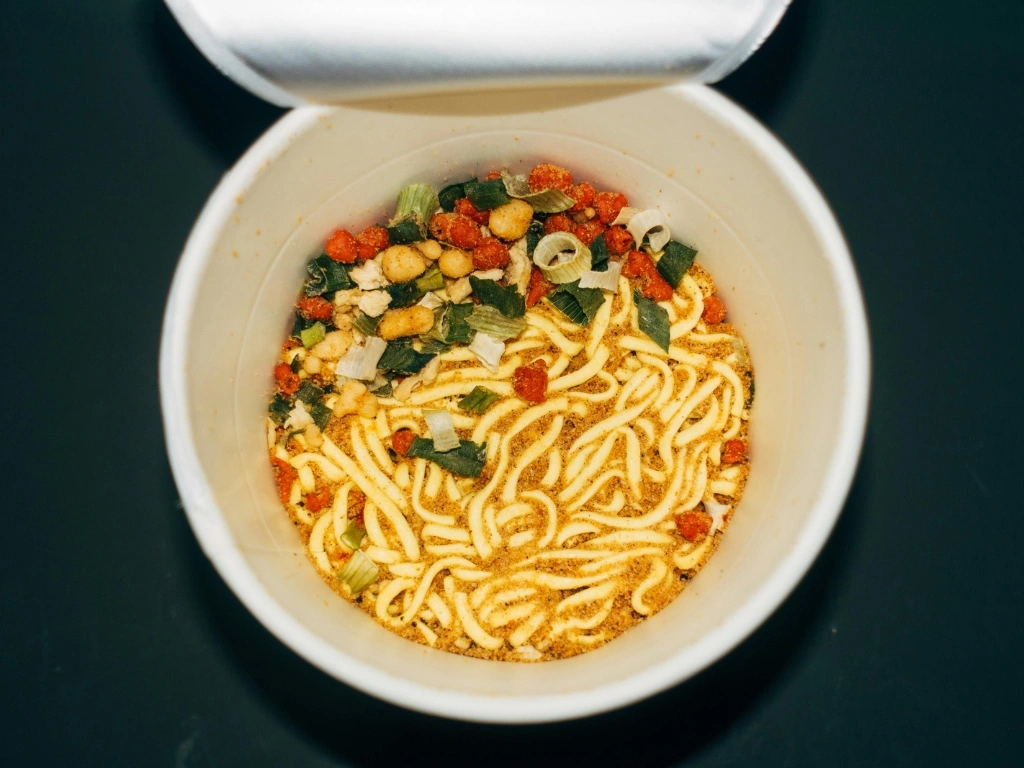
- Instant noodles
- Canned soups and other goods
- Frozen meals
- Boxed rice or pasta mixes
- Chips and crackers
- Packaged snack foods
Even foods marketed as wholesome or healthy can be surprisingly high in sodium, so checking labels is worth the extra few seconds.
Processed meats
Among the highest-sodium foods in many diets are processed meats, such as:
- Deli meats
- Bacon
- Sausage
- Ham
- Hot dogs
- Jerky
These foods are also preserved with sodium-containing ingredients, which can make sodium add up quickly.
Restaurant and takeout meals
Restaurant meals often contain more sodium than home-cooked meals, even when they don’t taste especially salty. In fact, the following can easily provide a full day’s worth of sodium in one sitting:
- Soups
- Sandwiches
- Pizza
- Stir-fries
- Fast food meals
If dining out or ordering takeout is more convenient, one way around this is to simply request that your meal be prepared without added salt when placing your order.
Sauces, dressings, and condiments
Big flavors often entail high sodium content. It’s always best to limit the following when you’re on a low-sodium diet:
- Soy sauce
- Teriyaki sauce
- Salad dressings
- Ketchup
- Barbecue sauce
- Bouillon cubes
Using these strategically rather than automatically can help lower your overall sodium intake.

What low-sodium foods should you eat instead?
A low-sodium diet becomes much easier when you focus on foods that are naturally lower in sodium and build meals around them. Shifting your attention to what you can eat, rather than only what to avoid, often makes this approach feel more satisfying and sustainable.
Fresh fruits and vegetables
Fresh fruits and vegetables are naturally low in sodium and rich in nutrients that support heart health, including fiber, potassium, and antioxidants.
Some options you can count on are:
- Berries
- Apples
- Oranges
- Leafy greens
- Carrots
- Cucumbers
- Broccoli
- Bell peppers
They can add volume and flavor to meals without relying on packaged ingredients.
Fruits and vegetables also provide potassium, which may help support healthy blood pressure. If you have kidney disease, your potassium needs may differ, so it is important to follow your healthcare provider’s guidance.
Whole grains
Whole grains provide fiber and complex carbohydrates that help keep you full and support steady energy.
Good options include:
- Oats
- Brown rice
- Quinoa
- Barley
- Whole-grain pasta or bread
Cooking larger batches of grains ahead of time can make it easier to build simple meals throughout the week, such as grain bowls, salads, or side dishes.
When choosing bread, compare labels carefully. Bread and rolls are a surprisingly common source of sodium because they are eaten frequently, even though they may not taste salty.
Low-sodium legumes
Legumes are another fiber-rich food that can help support fullness, digestive health, and healthy cholesterol and blood sugar management.
Some reliable choices you have include:
- Black beans
- Chickpeas
- Kidney beans
- Lentils
- Green peas
- Split peas
- Edamame
If you use canned beans, choose no-salt-added varieties when possible or rinse them under water to remove some of the added sodium.
Lean proteins
Protein helps make meals more satisfying. For a heart-conscious way of eating, choose lean options, such as:
- Chicken
- Turkey
- Fish (white or lean)
- Eggs
- Tofu
When shopping, look for proteins that are unseasoned and minimally processed. For example, plain chicken breast is usually much lower in sodium than deli meat or pre-marinated options.
Also, check labels for terms like “broth,” “saline,” or “enhanced,” which indicate that sodium-containing solutions have been added to improve moisture and flavor.
Healthy fats
Healthy fats add flavor and help meals feel more satisfying. They also support heart health when used in place of heavily processed fats.
Include these sources in your diet:
- Olive oil
- Avocado
- Unsalted nuts
- Seeds
- Fatty fish
A small amount can go a long way, such as sliced avocado on toast or a handful of unsalted nuts as a snack.
Herbs, spices, and citrus
Flavor matters, especially when you’re eating less sodium. Add depth and brightness to meals with the following ingredients:
- Garlic
- Onion
- Black pepper
- Paprika
- Lemon juice
- Vinegar
- Fresh herbs
Using these regularly can help you rely less on salt while still enjoying your food.
Sample 5-day low-sodium meal plan, designed by a dietitian
This sample meal plan shows what a balanced low-sodium diet can look like using simple, affordable ingredients. You can repeat meals, swap ingredients, and adjust portions based on your preferences and health needs.
Day 1
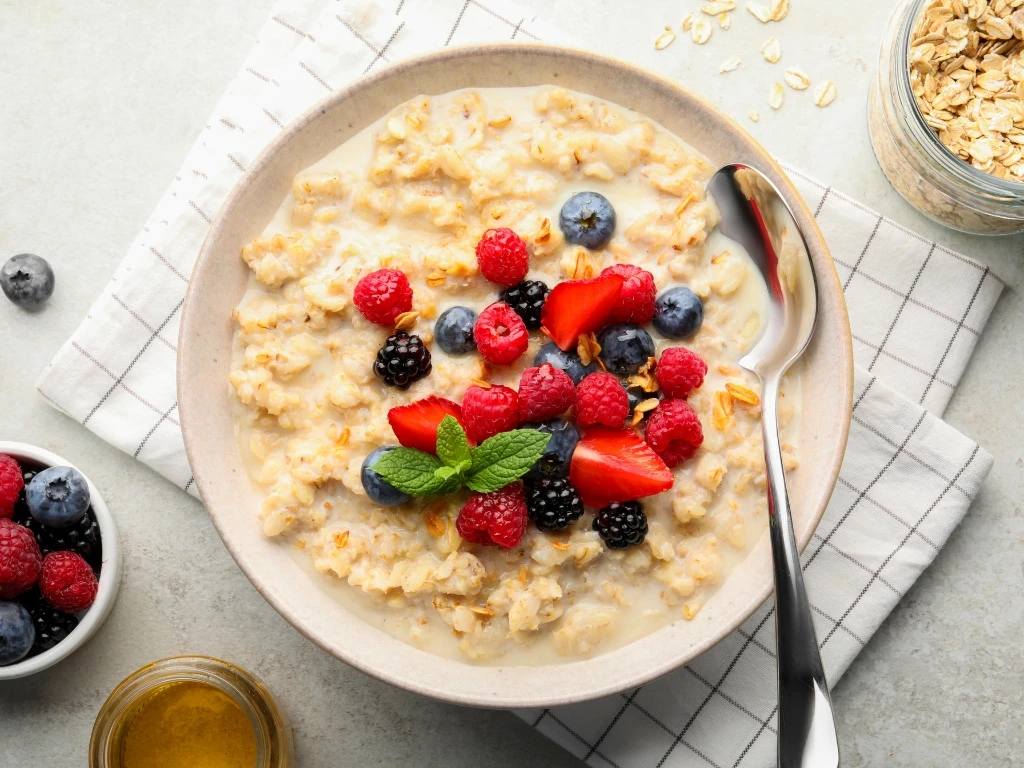
- Breakfast: Oatmeal with blueberries, chia seeds, and unsweetened almond butter
- Lunch: Grilled chicken salad with mixed greens, cucumber, carrots, olive oil, and lemon
- Dinner: Lemon salmon with brown rice and oven-roasted broccoli
- Snack: Apple slices with unsalted peanut butter
Day 2
- Breakfast: Plain Greek yogurt with strawberries and oats
- Lunch: Home-cooked roasted turkey, avocado, and lettuce in a whole-wheat tortilla
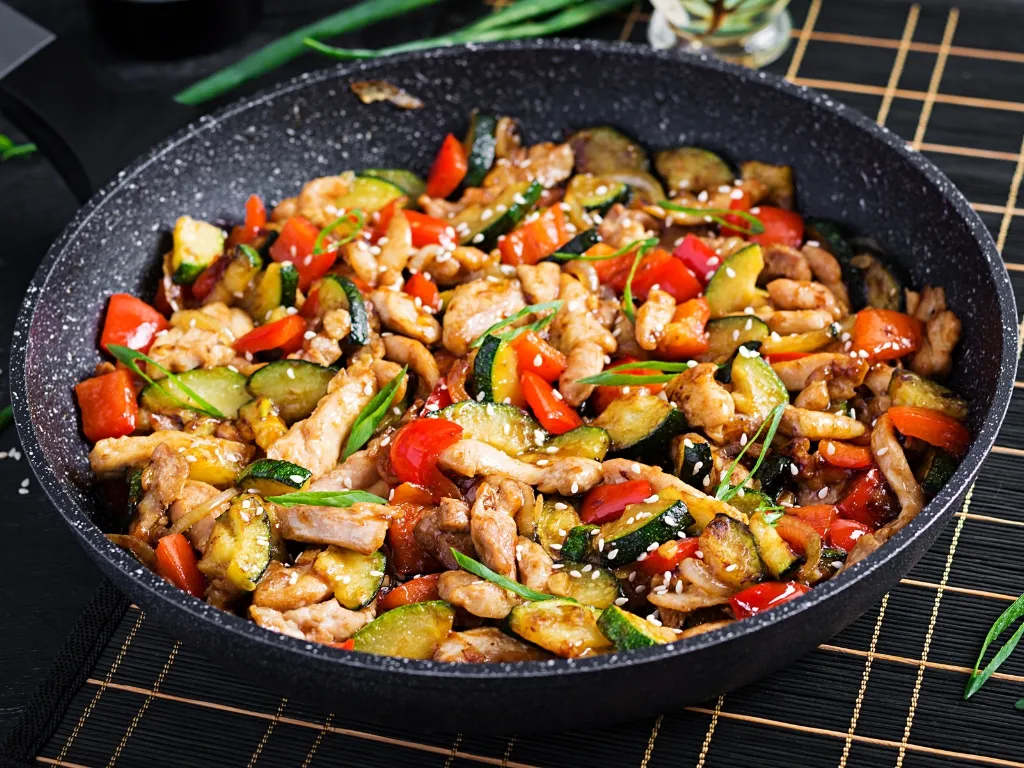
- Dinner: Stir-fried chicken with bell peppers, zucchini, and quinoa
- Snack: Unsalted almonds and a pear
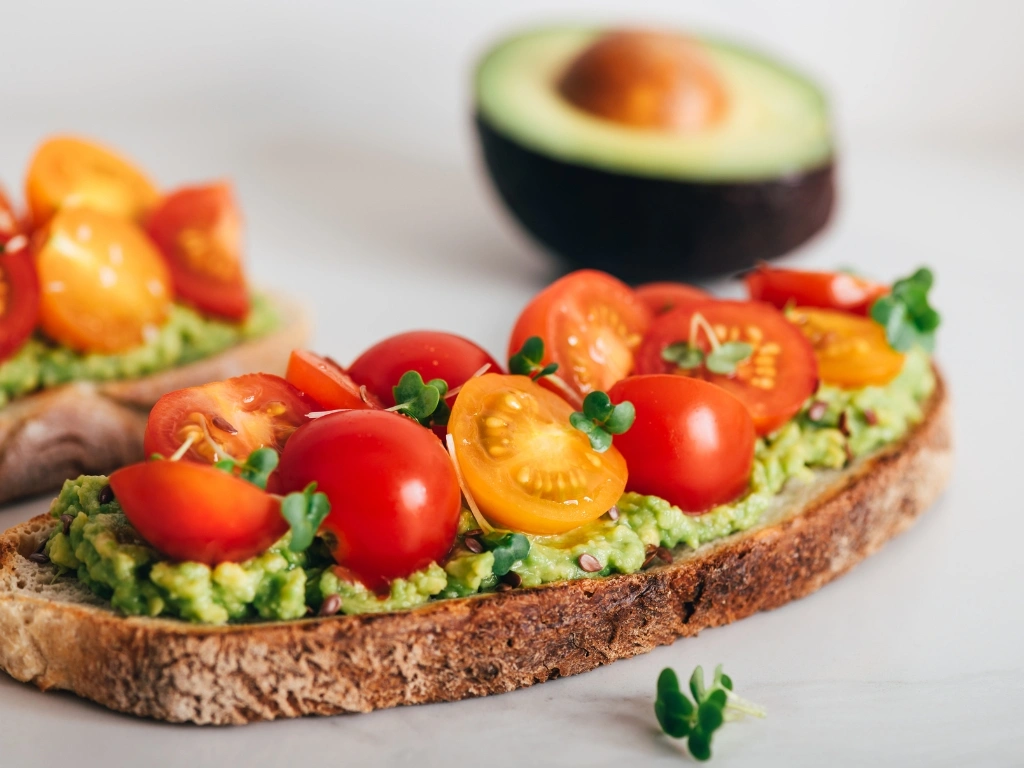
Day 3
- Breakfast: Whole-grain toast with avocado and sliced tomato
- Lunch: Lentil soup made with no-salt-added broth and a side salad
- Dinner: Baked cod, sweet potato, and green beans
- Snack: Carrot sticks with low-sodium or homemade hummus
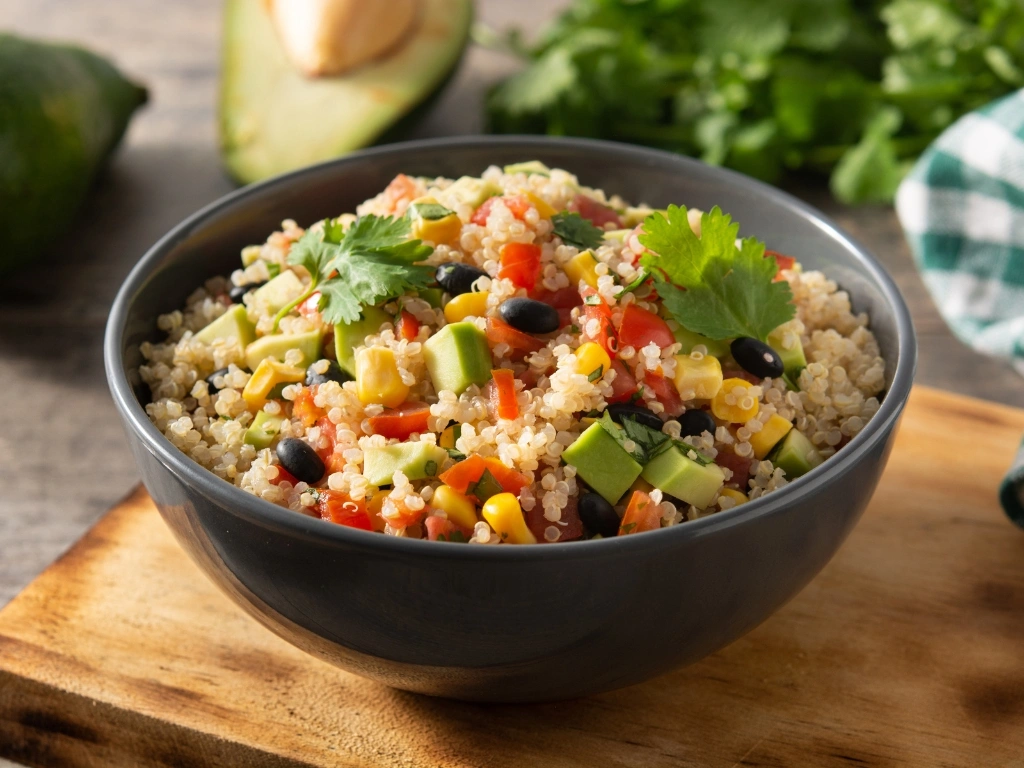
Day 4
- Breakfast: Smoothie with spinach, banana, oats, and unsweetened milk
- Lunch: Quinoa bowl with black beans, corn, avocado, and low-sodium salsa
- Dinner: Grilled chicken, roasted Brussels sprouts, and brown rice
- Snack: Orange slices and unsalted walnuts
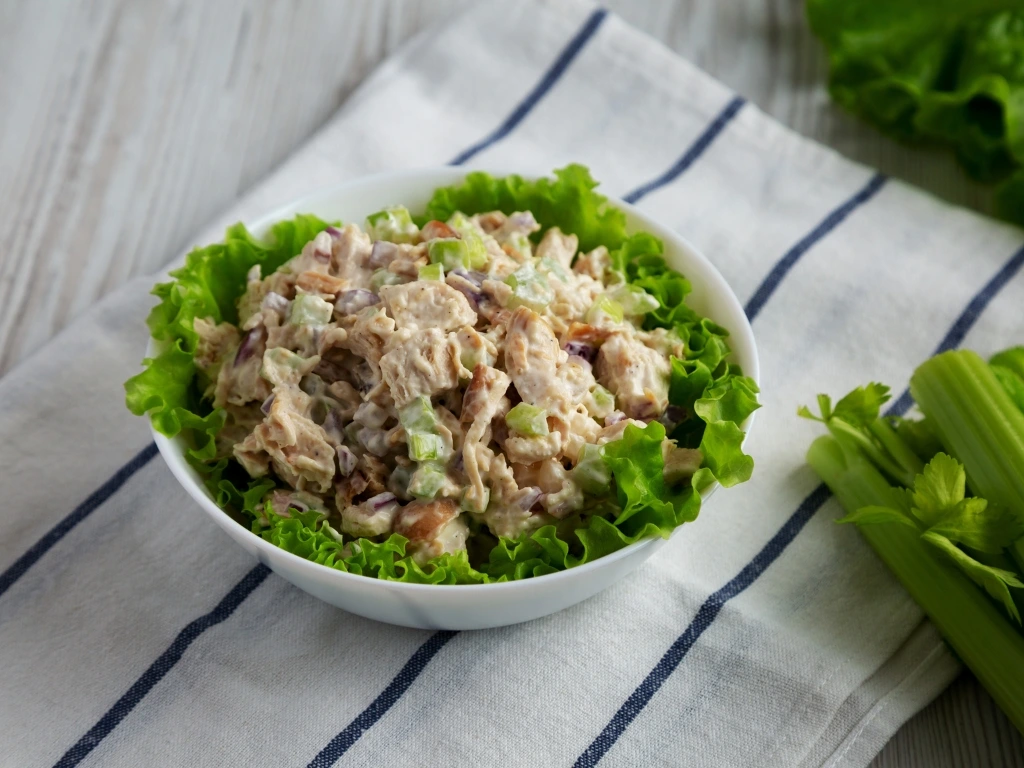
Day 5
- Breakfast: Soft scrambled eggs with sautéed spinach and toasted whole-grain bread
- Lunch: Low-sodium tuna salad made with plain yogurt, celery, and lettuce
- Dinner: Homemade turkey meatballs with whole-wheat pasta and sautéed zucchini
- Snack: Fresh berries
Create a sustainable low-sodium plan with Health Loft
Following a low-sodium diet is not about eating perfectly or cutting out every food that contains sodium. It is about building habits that support your health and fit your everyday life.
A registered dietitian specializing in heart health can help you:
- Build realistic meal plans
- Identify hidden sodium sources
- Compare nutrition labels
- Adapt your favorite cultural foods
- Balance sodium goals with conditions like diabetes or kidney disease
- Make gradual changes that feel sustainable
At Health Loft, our dietitians help you create a practical plan that works with your routine, preferences, and health needs. Small changes can add up over time, and having the right support can make the process feel much more manageable.
Connect with a Health Loft dietitian to build a heart-healthy eating plan that feels realistic and sustainable.
This article was reviewed by Katie Whitson, RD, LD. It is intended for informational purposes only and does not replace personalized nutritional advice.