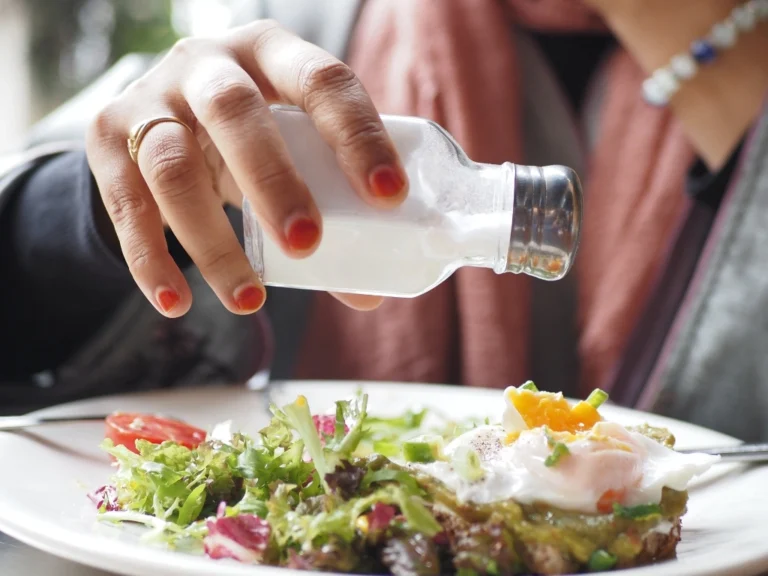









Sodium is an essential mineral that helps regulate fluid balance, nerve function, and muscle contractions. The challenge is that many people consume more sodium than they realize, often through packaged foods and restaurant meals. As a result, their total sodium intake per day may be higher than recommended.
This article provides general guidance on healthy sodium intake, especially for people managing high blood pressure, heart disease risk, or other cardiovascular concerns. Keep in mind that sodium needs can vary depending on your health conditions, medications, activity level, and advice from your healthcare team.

What is sodium?
Sodium is a mineral found naturally in some foods and commonly added to processed foods for flavor and preservation.
Most of the sodium we eat comes from sodium chloride, which is better known as table salt. Salt contains both sodium and chloride, but sodium is the component most closely linked to blood pressure. Other food additives, such as monosodium glutamate (MSG) and baking soda (sodium bicarbonate), also contribute to the total sodium listed on the nutrition label.
Your body needs sodium to function properly. It helps maintain fluid balance and supports normal nerve and muscle function. Over time, however, consistently consuming more sodium than your body needs may affect health in some individuals.
How much sodium do you actually need each day?
Most adults are advised to keep their daily sodium intake below 2,300 milligrams, which is roughly equivalent to one teaspoon of salt from all sources combined.
For some individuals, lower targets may be recommended. The American Heart Association defines “heart-healthy diet” as 1500 mg of sodium per day. People with high blood pressure, kidney disease, heart failure, or other cardiovascular concerns may benefit from reducing sodium based on medical guidance.
The recommended amount is generally similar for men and women, so the commonly searched term daily sodium intake for men is not significantly different from general adult recommendations.
Sodium needs can also vary by age, activity level, and health status. If you’re looking at recommended sodium intake by age, children and older adults may have different needs, and healthcare providers may suggest more personalized targets.
What are the risks of consuming too much sodium?
Consistently high sodium intake is associated with elevated blood pressure in many individuals.
Sodium affects how much fluid your body retains. When you consume more sodium than your body needs, it may hold onto extra water. This can increase the volume of blood circulating through your blood vessels, which may raise blood pressure. You may have experience with feeling swollen or puffy (e.g., rings fitting too tightly) after a very high-sodium meal. Likewise, you may notice extreme thirst after higher sodium meals as well.
Over time, elevated blood pressure can place additional strain on the heart, blood vessels, and kidneys. Higher sodium intake is also associated with increased cardiovascular risk, especially when combined with factors such as smoking, physical inactivity, or a diet low in fruits and vegetables.
Not everyone responds to sodium in the same way, but being mindful of your sodium intake per day may be especially helpful if you have a personal or family history of high blood pressure.

Which high-sodium foods should you limit?
Reducing your intake of high-sodium foods is a practical way to lower your overall sodium levels. However, salty snacks are not the only foods to watch out for.
In fact, many everyday staples contain high amounts of salt. Some examples are:
- Canned soups and broths
- Instant noodles
- Frozen meals
- Processed meats like bacon, ham, and deli turkey
- Chips and crackers
- Packaged sauces, dressings, and marinades
- Pickled foods and olives
- Restaurant meals and takeout
Some foods that are generally considered healthy can also contain significant sodium. Whole-grain bread, cottage cheese, canned beans, and vegetable juices may all contribute more sodium than expected.
You do not need to avoid these foods. The goal is to be aware of how often they appear in your routine and how they fit into your overall sodium intake per day.
How to check for sodium content in packaged foods
It’s surprisingly easy to exceed your recommended daily sodium intake, especially when many packaged and processed foods contain more sodium than expected. A good way to keep your intake in check is to pay attention to sodium content while grocery shopping.
Nutrition labels can help you compare products quickly. Here’s how to use them effectively:
Refer to the Daily Value
The Daily Value, often listed as a percentage, is a reference amount found in Nutrition Facts labels that essentially states the daily intake limit for a particular nutrient. For sodium, the %DV is 2,300 mg per day for most adults.
Comparing the %DV of similar products can help you identify lower-sodium options at a glance.
As a general guide:
- Foods with 5%DV of sodium or less per serving are considered low in sodium
- Foods with 20%DV of sodium or more per serving are considered high
Understand different nutrient claims
Knowing what different claims imply makes it easier to determine which products work best for you.
According to the United States Food and Drug Administration:
| Nutrient claim | What to expect |
| Sodium-free | Less than 5mg of sodium per serving |
| Very low sodium | 35mg of sodium per serving |
| Low sodium | 140 mg of sodium or less per serving (5% daily value or less) |
| Reduced sodium | At least 25% less sodium than the regular product |
| Light in sodium or lightly salted | At least 50% less sodium than the regular product |
| No salt added or unsalted | No salt added during processing (should not be assumed as completely salt-free unless stated otherwise) |
Keep in mind, however, that claims such as “reduced sodium” and “lightly salted” are relative terms. A product may contain less sodium than its regular counterpart but still be high in sodium overall, so it’s still important to check the Nutrition Facts label.
Mind your portions
It also helps to pay attention to serving sizes of the foods you buy, especially for soups, sauces, and snacks. A package that looks like one serving may actually contain two or more. If you consume multiple servings, you will also consume multiple servings’ worth of sodium.

Tips to keep daily sodium intake at a healthy level
Reducing sodium does not mean your meals have to taste bland or that you need to stop eating your favorite foods. In many cases, small changes in how you shop, cook, and order food can make a meaningful difference in your sodium intake per day.
Cook at home more often when possible
Preparing meals at home gives you more control over how much salt goes into your food.
You do not need to cook every meal from scratch to see benefits. Even making simple meals a few times a week, such as grilled chicken, roasted vegetables, and rice, can help lower your sodium intake compared with restaurant or packaged meals. If you use canned ingredients, look for “no salt added” or rinse them before cooking.
Focus on overall eating patterns
Lowering sodium is often easier when you build meals around foods that are naturally lower in salt, such as:
- Fresh or frozen vegetables
- Fruits
- Beans and lentils
- Whole grains
- Lean proteins
- Unsalted nuts and seeds
This approach leaves room for higher-sodium foods occasionally without pushing your overall intake too high.
Include more potassium-rich foods
Potassium helps support fluid balance and plays a role in maintaining healthy blood pressure. Some good sources are:
- Bananas
- Oranges
- Potatoes
- Beans
- Spinach
- Yogurt
- Avocado
Including these foods regularly may help balance the effects of sodium as part of an overall heart-healthy eating pattern. If you have kidney disease, check with your healthcare provider before increasing potassium intake.
Use herbs, spices, and acids for flavor
Food does not have to rely on salt to taste good. You can add depth and brightness to meals using ingredients like:
- Garlic
- Onion
- Black pepper
- Paprika
- Lemon juice
- Vinegar
- Fresh herbs
If you are used to saltier foods, your taste preferences often adjust over time, making lower-sodium meals more enjoyable.
Get expert support to lower sodium without feeling restricted
Managing your sodium intake per day is one part of supporting heart health, blood pressure, and overall wellness. Sodium is an essential nutrient that the body needs to function properly, so the goal is not to eliminate it completely.
Instead, working with a registered dietitian can help you build balanced eating habits that feel realistic, enjoyable, and sustainable over time. A dietitian specializing in heart health can help you:
- Create meal plans that fit your preferences and routine
- Adjust sodium recommendations based on your health conditions
- Navigate food labels and packaged products with confidence
- Build habits that feel manageable over the long term
At Health Loft, our dietitians provide personalized guidance based on your health history, culture, and lifestyle. If you want support making sense of your daily sodium intake, connect with a Health Loft dietitian and build a plan that works for you.
This article was reviewed by Solveig Adalsteinsdottir, MS, RDN, LDN. It is intended for informational purposes only and does not replace personalized nutritional advice.