









In the two weeks before bariatric surgery, a pre-operative liquid diet is often recommended. During this time, solid foods are replaced with liquids and high-protein or nutrient-focused drinks.
While it may feel like a major dietary shift, a liquid-only diet is a common step to prepare the body for the procedure and ease into changes in eating patterns during post-surgery recovery.

Why do you need a liquid diet before bariatric surgery?
One of the main goals of a pre-op liquid diet before bariatric surgery is to help reduce liver size and fat. A smaller liver may make the procedure easier for the surgical team by improving visibility and creating more space to operate safely.
In addition to this benefit, the liquid diet may also:
- Help your body adjust to the eating habits typically recommended after surgery
- Make the transition into post-op diet stages feel more manageable
- Support hydration and protein intake before the procedure
- Prepare yourself mentally and physically for the dietary changes that come with bariatric surgery
Although many bariatric programs recommend following the pre-op liquid diet for about two weeks, the exact timeline and guidelines can vary depending on the procedure, surgeon, and your individual health needs.
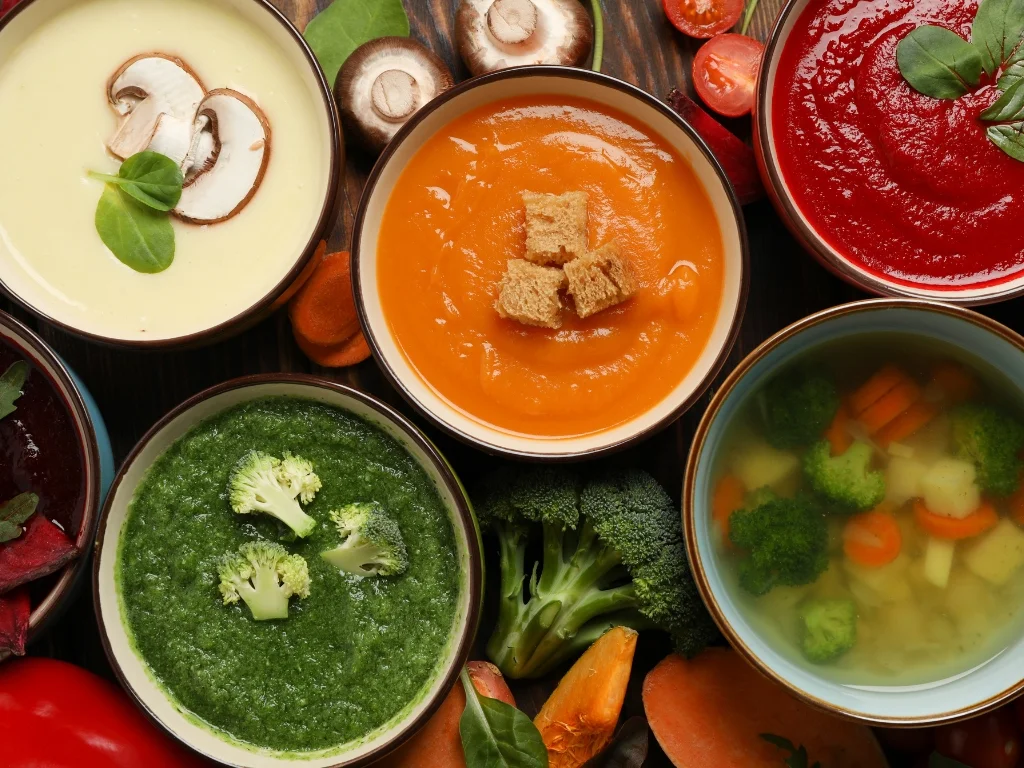
What can you have on a bariatric pre-op liquid diet?
Before bariatric surgery, liquid diet plans commonly include options like these to help maintain nutrition while limiting solid foods.
Protein-based liquids
A liquid diet before bariatric surgery often prioritizes protein, as it helps support recovery, preserve muscle mass, and maintain nutrition leading up to the procedure.
Rather than consuming large amounts all at once, many programs encourage spreading protein intake throughout the day. Lower-sugar options are also encouraged to help avoid energy crashes and support steadier blood sugar levels during the transition.
Here are some options you may consider:
- Protein shakes
- High-protein meal replacement drinks
- Drinkable Greek yogurt
- Protein water
- High-protein bone broth
Clear liquids and hydration options
Staying hydrated is another important part of the pre-op diet. Many bariatric programs encourage drinking fluids consistently, though sugary or carbonated beverages must be limited. Taking small, frequent sips may be easier to tolerate than drinking large amounts at once, especially as your eating habits change before surgery.
Here are some options you may consider:
- Water
- Low-sugar or sugar-free electrolyte drinks
- Sugar-free flavored water
- Decaffeinated tea or decaffeinated coffee
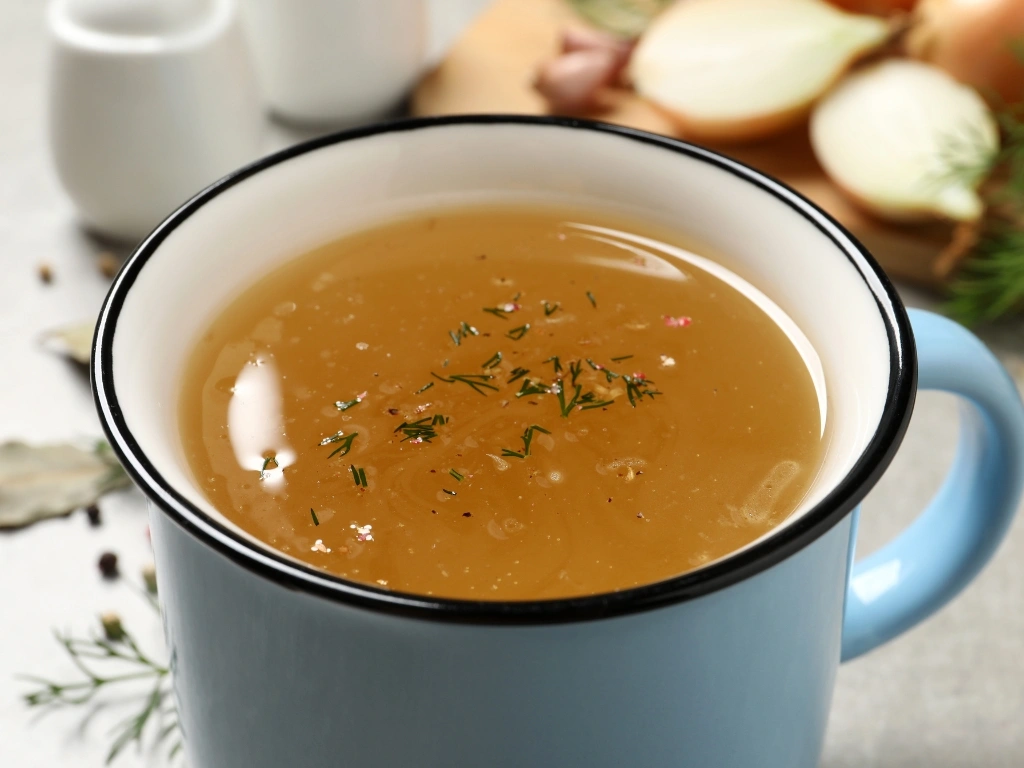
- Clear broth
Other foods that may be allowed
Some bariatric programs may allow limited soft or blended foods, while others recommend liquids only. This largely depends on the stage of the diet and your individual plan. These foods are usually included to help add variety, improve comfort, or make the liquid phase feel easier to tolerate while still keeping the diet light and relatively low in texture.
Here are some options you may consider:
- Sugar-free gelatin
- Sugar-free popsicles
- Blended soups
- Low-fat milk or plant-based milk
- Thin oatmeal
- Cream-based soups with a thinner consistency
What foods and drinks are usually avoided?
During a bariatric pre-op liquid diet, foods and drinks that are high in sugar, heavily processed, or difficult to digest are often limited. This helps keep the focus on hydration, protein intake, and lighter meals before surgery.
Liquids that are commonly avoided may include:
- Sugary drinks
- Soda and other carbonated beverages
- Alcohol
- Sweetened coffee drinks
- High-sugar smoothies or milkshakes
- Energy drinks
Foods that are commonly avoided may include:
- Fried foods
- Fast food
- Desserts and sweets
- Chips, crackers, and crunchy snacks
- Fatty or heavily processed foods
- Anything served in large portions
Exact restrictions can still vary depending on your bariatric program, which is why it’s important to follow the specific instructions provided by your surgeon or bariatric care team.
What does a 2-week liquid diet meal plan look like?
The structure of a bariatric pre-op liquid diet can vary, but many use a combination of high-protein drinks, blended soups, lighter liquids, and hydration-focused snacks as replacements for regular solid meals before surgery.
Here’s a sample two-week liquid diet plan to help you visualize this pre-op eating pattern:
Day 1
- Breakfast: Blended white bean rosemary soup
- Snack: Cucumber-mint electrolyte water
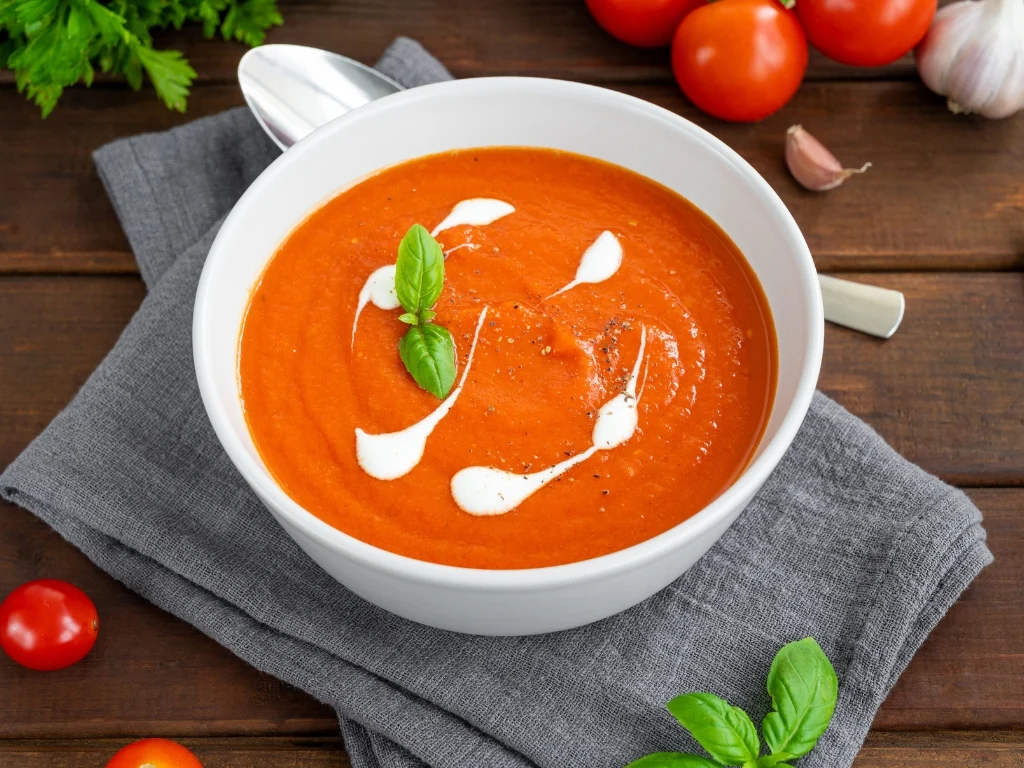
- Lunch: Roasted tomato soup with unflavored protein powder
- Snack: Sugar-free peach gelatin
- Dinner: Creamy cauliflower parmesan soup

Day 2
- Breakfast: Strawberry Greek yogurt smoothie
- Snack: Berry protein water
- Lunch: Carrot ginger soup
- Snack: Sugar-free orange popsicle
- Dinner: Light cream of mushroom thyme soup
Day 3
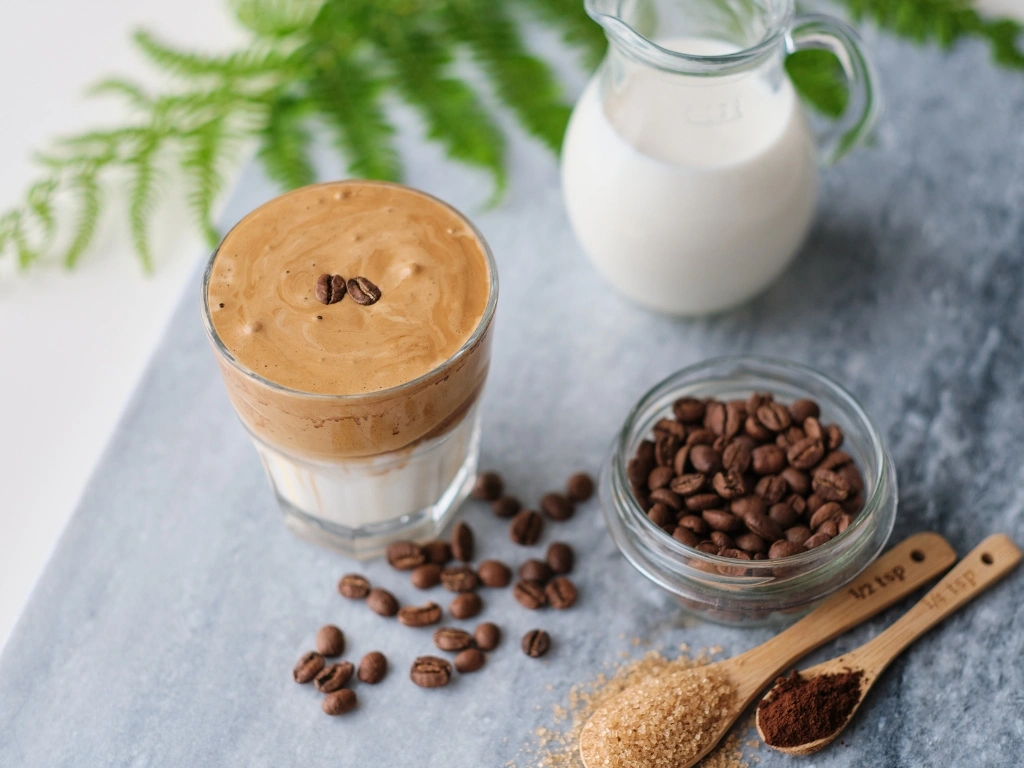
- Breakfast: Iced decaf coffee protein shake
- Snack: Warm herb-seasoned broth
- Lunch: Butternut squash soup
- Snack: Low-sugar drinkable yogurt
- Dinner: Blended chicken soup broth

Day 4
- Breakfast: Blended egg-drop soup with ginger
- Snack: Lemon electrolyte drink
- Lunch: Smooth lentil cumin soup
- Snack:Sugar-free raspberry gelatin
- Dinner: Broccoli cheddar soup
Day 5
- Breakfast: Vanilla almond protein shake
- Snack: Warm vegetable consommé
- Lunch: Creamy zucchini basil soup
- Snack: Low-sugar protein pudding
- Dinner: Low-fat cream of chicken soup
Day 6
- Breakfast: Blueberry protein smoothie
- Snack: Protein electrolyte drink
- Lunch: Roasted red pepper gouda soup
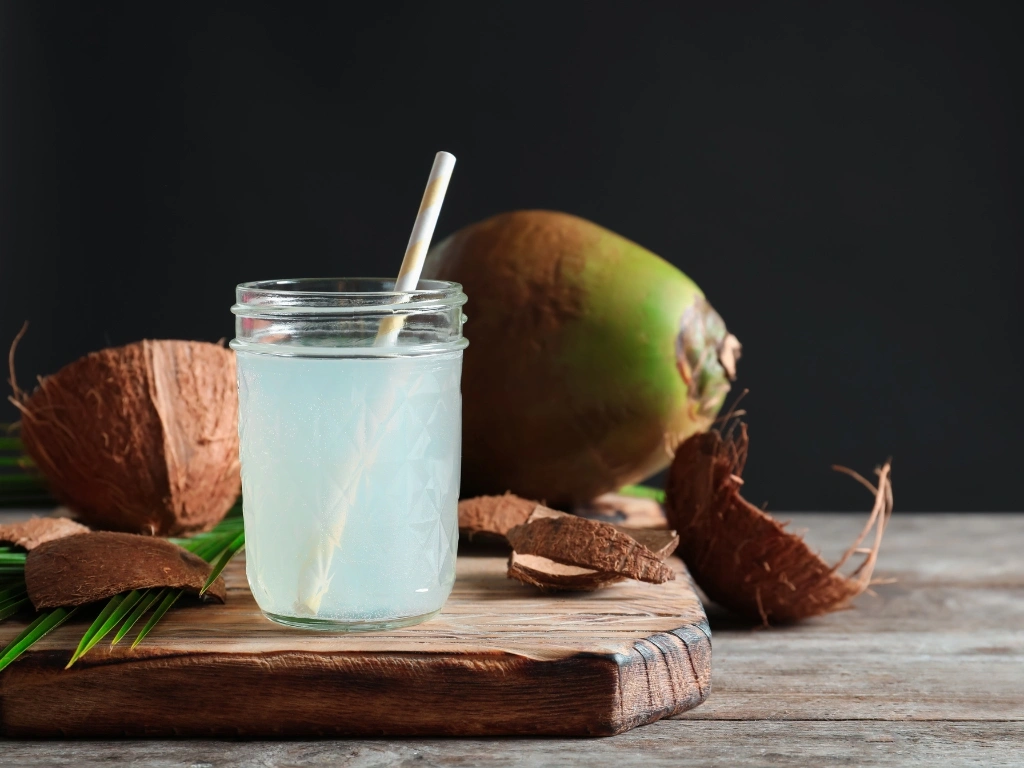
- Snack: Low-sugar coconut water
- Dinner: Creamy spinach ricotta soup
Day 7
- Breakfast: Warm cow’s milk (substitute any plant-based milk if needed)
- Snack: Bone broth with collagen peptides
- Lunch: Sweet potato cinnamon soup
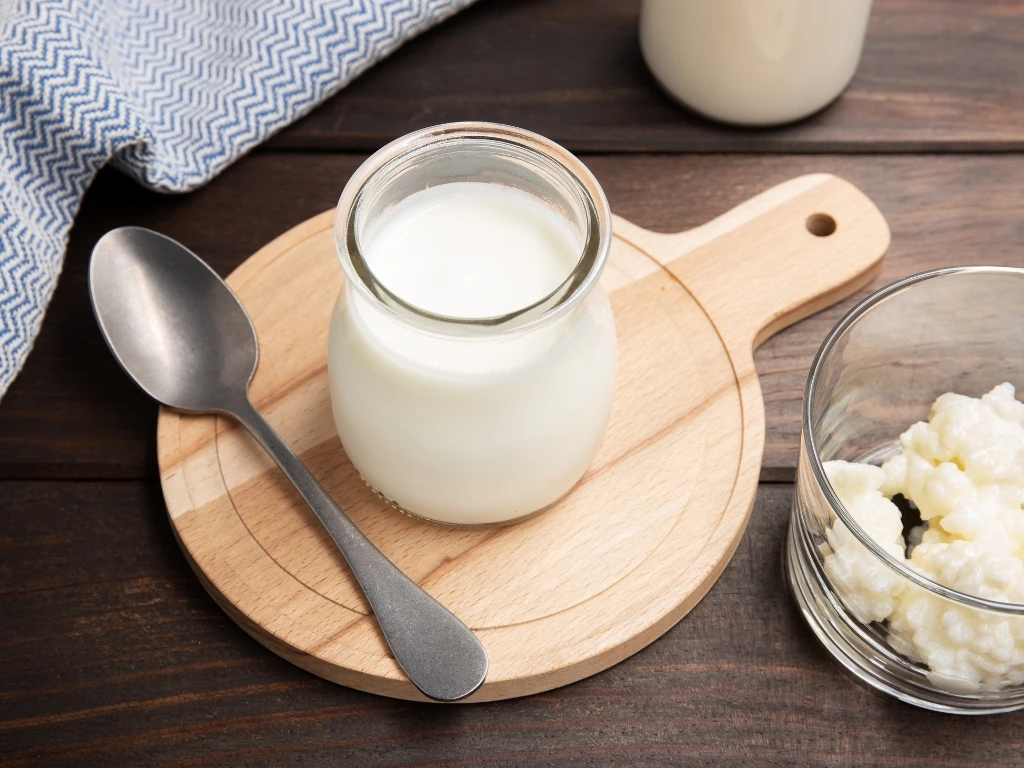
- Snack: Low-sugar kefir drink
- Dinner: Split pea soup

Day 8
- Breakfast: Matcha protein latte
- Snack: Sugar-free watermelon electrolyte drink
- Lunch: Creamy split pea soup
- Snack: Low-sodium tomato juice
- Dinner: Turkey herb soup, blended smooth

Day 9
- Breakfast: Protein smoothie made with powdered peanut butter
- Snack: Mild miso broth
- Lunch: Pumpkin curry soup
- Snack: Chocolate protein mousse
- Dinner: Blended broccoli leek soup
Day 10
- Breakfast: Decaf herbal tea
- Snack: Sugar-free grape electrolyte drink
- Lunch: Spinach ricotta soup
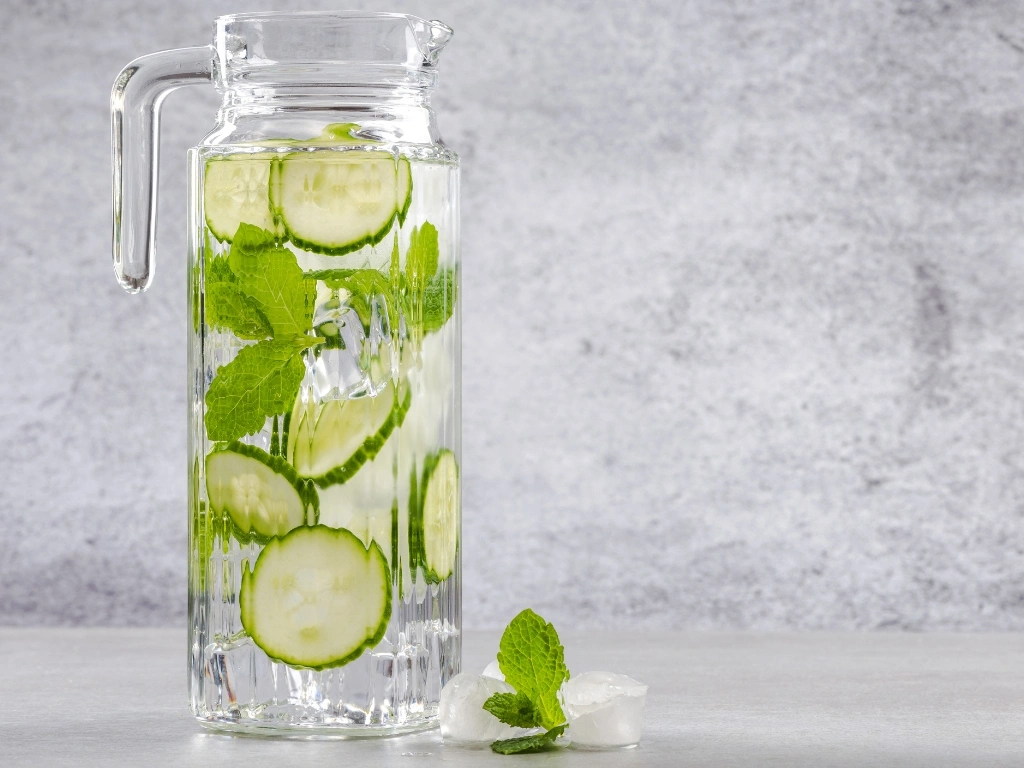
- Snack: Cucumber and mint-infused water
- Dinner: Light cream of chicken and garlic soup
Day 11
- Breakfast: Cinnamon oat protein drink
- Snack: Warm chicken consommé
- Lunch: Creamy asparagus Parmesan soup
- Snack: Strawberry drinkable yogurt
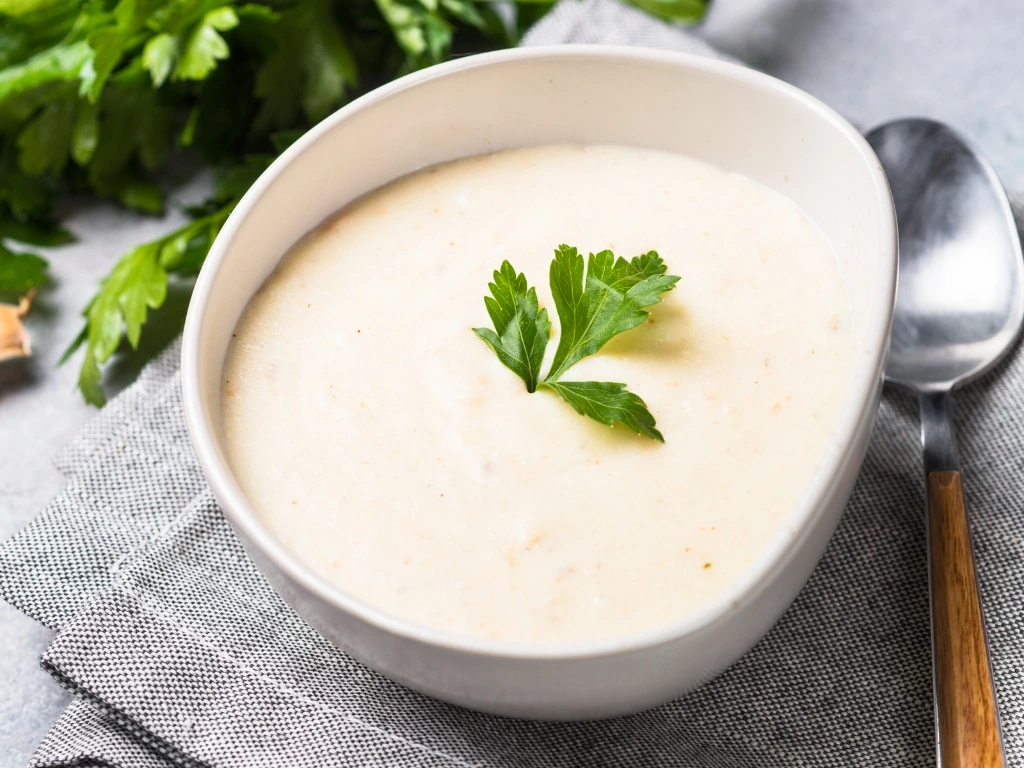
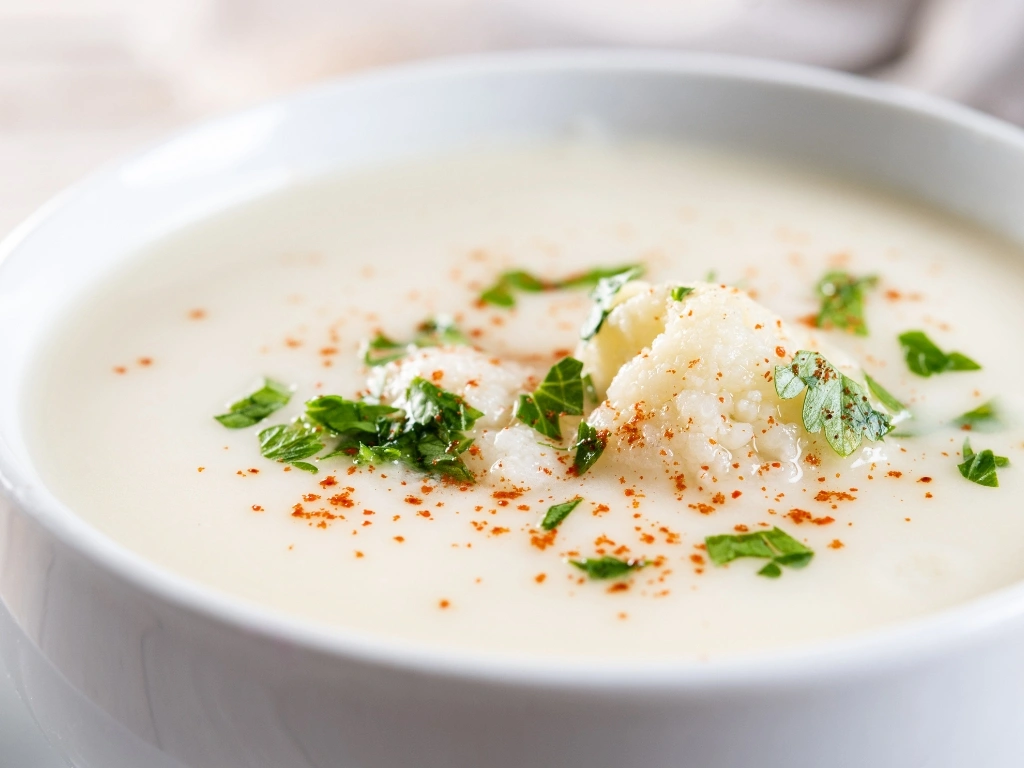
- Dinner: Blended cauliflower soup

Day 12
- Breakfast: Vanilla soy protein drink
- Snack: Cucumber electrolyte drink
- Lunch: Tomato basil soup
- Snack: Decaf green tea over ice
- Dinner: Blended carrot squash soup
Day 13
- Breakfast: Earl Grey tea
- Snack: Herb-seasoned bone broth
- Lunch: Smooth broccoli soup
- Snack: Diluted apple juice (½ apple juice, ½ water)
- Dinner: Mild blended chicken tortilla soup
Day 14
- Breakfast: Mango lassi-inspired protein drink
- Snack: Citrus protein water
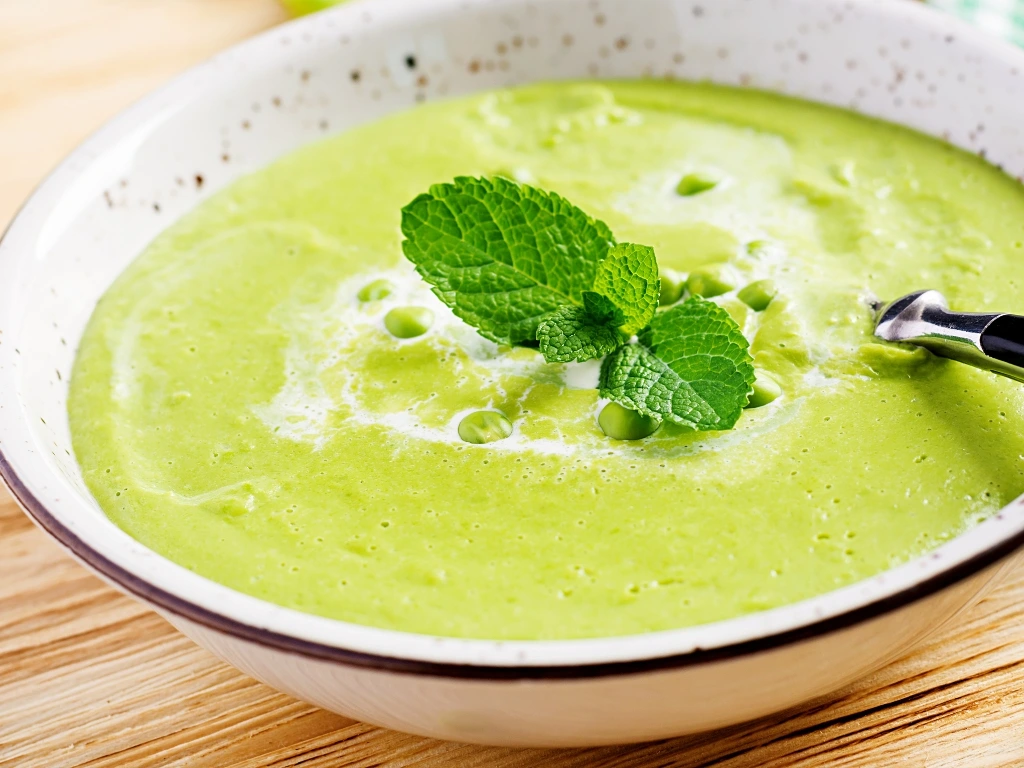
- Lunch: Green pea soup
- Snack: Sugar-free berry gelatin
- Dinner: Roasted fennel soup
How can you manage hunger during a liquid diet?
Hunger can feel more noticeable during a bariatric pre-op liquid diet, especially in the first few days while your body adjusts to a different eating routine. Some habits that may help make the transition feel more manageable include:
- Staying hydrated throughout the day
- Keeping protein intake consistent with shakes or meal replacements
- Spacing liquids and meals more evenly instead of consuming them all at once
- Sipping slowly to help reduce nausea or stomach discomfort
- Following a regular feeding schedule
- Staying occupied with light activity, hobbies, or walks may also help manage cravings
It’s also normal for emotional eating to come up during this phase, especially when favorite foods are temporarily off-limits. Having variety in flavors and warm liquids like broth or tea may help make the diet feel less repetitive.
What happens after the bariatric pre-op liquid diet?
Once the bariatric pre-op liquid diet is complete, the focus shifts toward surgery and the early stages of recovery.
Right after the procedure, food and fluids are usually reintroduced gradually to allow the stomach time to heal. You may start with clear liquids before progressing into full liquids, pureed foods, soft foods, and eventually more regular textures.
Vitamin and mineral supplements are also commonly recommended after surgery to prevent deficiencies that may result from significant changes in nutrient absorption and food intake.
As your body adjusts, some temporary symptoms can still happen, including:
- Headaches
- Constipation
- Nausea or vomiting
- Difficulty tolerating certain liquids or foods (especially if other medical conditions co-exist)
- Signs of dehydration
- Weakness or dizziness
The recovery process generally varies from person to person. If symptoms become persistent or recovery itself feels difficult, guidance from a bariatric care team may make the process easier to manage. Staying in close contact with your bariatric care team can help address concerns early and make dietary adjustments when needed.
Work through your bariatric journey with guidance from Health Loft
A bariatric pre-op liquid diet is a short-term but essential part of preparing for surgery. Along with helping reduce surgical risks, this stage also supports hydration, protein intake, and the gradual transition into the eating habits typically recommended after the procedure. Giving up solid foods, even if temporarily, can feel challenging for anyone, but many people find that it becomes easier once they settle into a routine.
A registered dietitian for bariatric care can provide you with the guidance, structure, and reassurance you may need before and after surgery. Whether you’re getting ready for a bariatric procedure or adjusting to post-surgery eating, working with a Health Loft dietitian can help you feel more prepared, informed, and supported throughout your bariatric journey.
This article was reviewed by Katie Whitson, RD, LD. It is intended for informational purposes only and does not replace personalized nutritional advice.