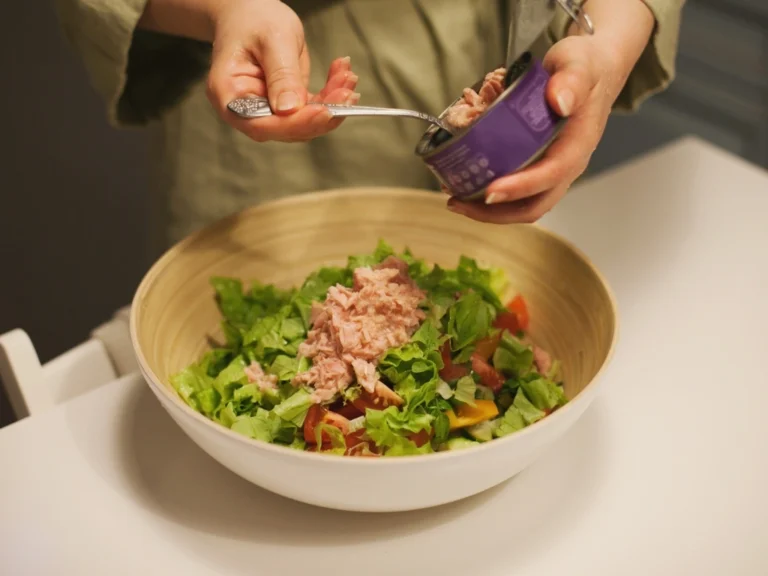









Bariatric surgery changes how your stomach handles food, which means your eating habits also need to adjust. Following a structured diet plan can make eating after bariatric surgery much more manageable.
Instead of planning every meal from scratch, you can simplify food choices while keeping portions controlled with this seven-day bariatric diet plan. Enjoy a clear structure you can easily adapt to meet your individual needs, preferences, and stage of recovery.

What is a bariatric diet plan for?
A bariatric diet plan is designed to support your body after bariatric surgery by helping you adjust to a new way of eating.
Since the stomach becomes smaller and handles food differently, this type of diet focuses on smaller portions, high-protein meals, and easy-to-digest foods. It also limits foods high in sugar, fat, or empty calories, since these can cause discomfort or slow progress with weight loss.
The bariatric diet helps by:
- Supporting healthy weight loss and long-term weight management
- Improving digestion and reducing discomfort after eating
- Enabling the body to absorb nutrients properly, despite smaller food intake
- Preventing complications like nutrient deficiencies
- Promoting better eating habits and portion control
While it’s commonly used after surgery, a bariatric diet plan can also be followed even without surgery as a structured way to improve portion control and build more consistent eating habits.
What are the basic rules of a bariatric diet?
A bariatric diet follows a set of simple habits that help your body adjust after surgery and support steady, safe progress. Here are some things to keep in mind:
1. Eat small, frequent meals
After bariatric surgery, your stomach can only hold a small amount of food. Eating large meals can cause discomfort, nausea, or even vomiting, so meals must be spaced out throughout the day and served in smaller portions to avoid overfilling the stomach and to keep energy steadier.
Here’s what that usually looks like in practice:
Portion sizes
- Early stage of recovery (when the stomach is still healing and can only handle very small amounts) – about ¼ to ½ cup per meal
- Later stage of recovery (as the body adjusts) – gradually increase to ½ to 1 cup per meal
Meal frequency
- 5 to 6 small meals per day for most individuals (instead of 3 large meals)
Calorie range (varies by stage)
- Pre-surgery – around 800 to 1,100 kcal/day
- 2 to 6 months post-op – increases to around 900 to 1,000 kcal/day
- Without surgery (used as a structured approach) – often around 1,200 kcal/day
2. Prioritize protein first
Protein is essential for recovery and long-term progress. It helps the body heal after surgery, supports muscle retention, and keeps you full for longer, which can help to reduce unnecessary snacking.
Since portions are smaller, prioritizing protein intake ensures your body still gets the nutrients it needs. A safe daily target is between 60 and 80 grams of protein per day, though this may vary by individual.
Below are some excellent protein sources and the ideal portion per meal:
- Chicken – about 2 to 3 oz
- Fish (salmon, tuna, or tilapia) – 2 to 3 oz
- Eggs – 1 to 2 pieces
- Tofu – about ½ cup
- Yogurt – ½ to 1 cup
- Cheese – 1 slice
3. Chew slowly and eat mindfully
Eating too quickly can overwhelm your smaller stomach and lead to discomfort, bloating, or vomiting. Allow your body to process food more comfortably by taking your time during meals.
Each bite should be chewed well before swallowing — up to 30 times depending on how dense the food is. Doing this also prolongs the duration of the entire meal, which is another factor that should be accounted for. It takes 20 minutes or so for the brain to fully recognize fullness signals, and any duration shorter than that means you’re eating too fast.
Once you do feel full, it’s best to stop eating to avoid discomfort and help maintain proper portion control.
4. Opt for softer foods
It can also help to soften high-fiber foods through cooking, especially during the earlier stages after surgery. Raw vegetables, tough skins, and very fibrous foods may be harder to tolerate or digest at first. You can make your meals much gentler on the stomach by cooking vegetables until they’re soft or choosing tender proteins and foods with more moisture.
Softer, slower-digesting meals may also help reduce the risk of dumping syndrome, a condition commonly experienced after bariatric surgery where high-sugar foods move too rapidly from the stomach to the small intestine, causing discomfort, cramping, nausea, and weakness.
As your tolerance improves, you can gradually reintroduce firmer textures based on your comfort level and your healthcare team’s guidance.
5. Avoid drinking during meals
Drinking fluids while eating can interfere with digestion. Liquids can move food through the stomach too quickly, which may reduce fullness and cause discomfort, especially during the early stages after surgery.
A common guideline is to avoid drinking about 30 minutes before and after meals. Instead, fluids are best consumed slowly throughout the day in small sips. This can help your body tolerate the food you’re eating more comfortably while supporting better portion control.
6. Stay hydrated throughout the day
That said, your body still needs enough fluids to function properly, even with smaller meals. Dehydration can happen easily if fluid intake becomes too low.
Most adults are advised to aim for 64 ounces of fluid or more per day (around 8 cups), taken in small, steady sips throughout the day. Drinking slowly may help avoid unnecessary discomfort. It’s also best to limit carbonated and sugary drinks, as these can contribute to bloating and negatively affect progress.
7. Limit high sugar, fried, and highly processed foods
Foods high in sugar or fat can be harder for the body to handle after bariatric surgery. They can trigger dumping syndrome, which may cause nausea, cramping, dizziness, or diarrhea. These foods also tend to provide lower nutritional value overall.
Limiting sugary drinks, desserts, fried foods, and processed snacks can help to reduce these issues. Choosing simple, whole foods instead allows for better weight management and more stable energy levels.
7-day bariatric diet meal plan
This sample plan keeps meals simple, high in protein, and easy to digest. Swap meals or substitute ingredients based on your preferences, food tolerance, or what’s readily available to you. Remember to keep portions controlled and prioritize protein in every meal.
Day 1
- Breakfast: Scrambled eggs with wilted spinach cooked in olive oil
- Snack: Plain low-fat Greek yogurt
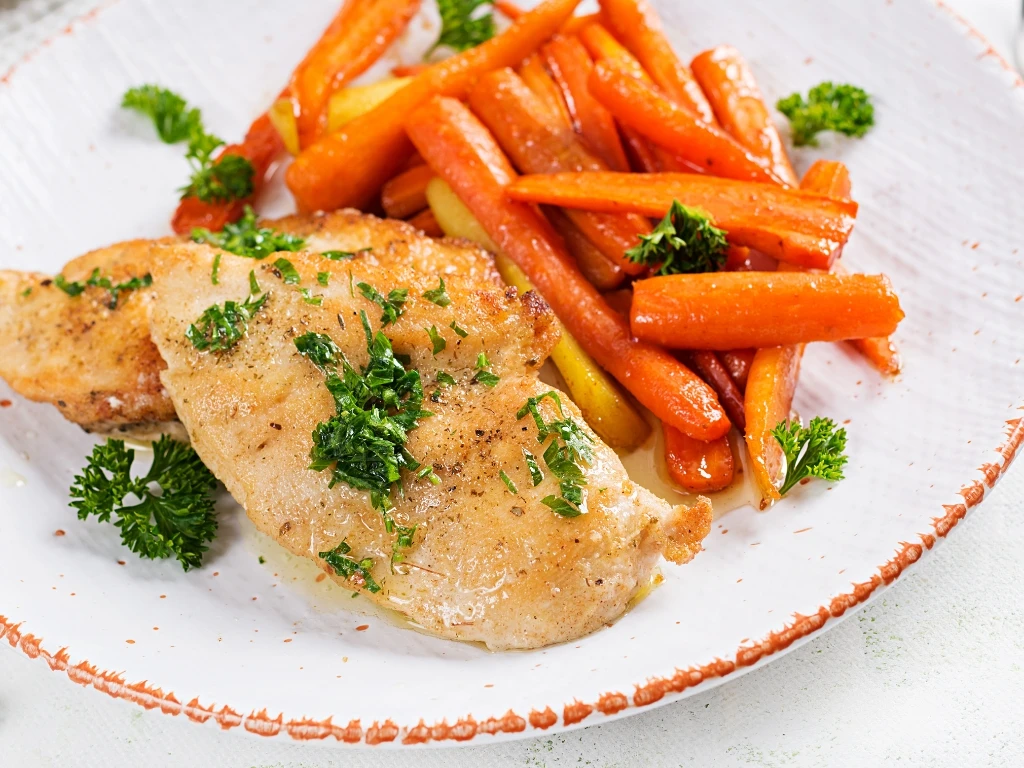
- Lunch: Grilled chicken with steamed carrots seasoned with pepper and herbs
- Snack: Cottage cheese with soft fruits like mashed berries or ripe banana
- Dinner: Baked cod with zucchini, lemon, and oregano

Day 2
- Breakfast: Protein smoothie with almond milk, peanut butter, and banana
- Snack: Soft-boiled egg with a light sprinkle of seasoning (like furikake or salt/pepper)
- Lunch: Tuna salad with yogurt and finely chopped cucumber
- Snack: Peeled apple slices, softened if needed
- Dinner: Ground turkey with sautéed squash and bell peppers
Day 3
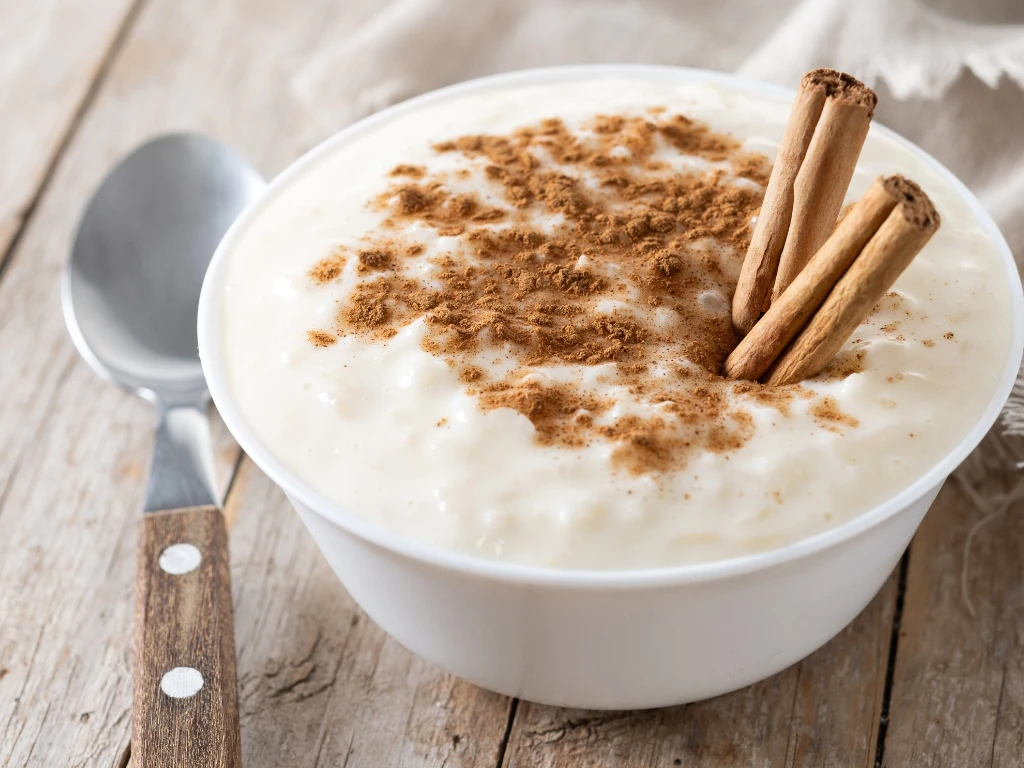
- Breakfast: Soft porridge with cinnamon
- Snack: Yogurt with chia seeds (if tolerated)
- Lunch: Soft chickpea stew
- Snack: Cheese slices with turkey strips
- Dinner: Grilled salmon with mashed squash or pumpkin

Day 4
- Breakfast: Chinese-style egg and tomato scramble
- Snack: Protein shake (low sugar)
- Lunch: Turkey lettuce wrap with ground turkey and soft vegetables
- Snack: Unsweetened applesauce
- Dinner: Steamed fish with bok choy and ginger
Day 5
- Breakfast: Oatmeal with milk and mashed fruit (like banana or berries)
- Snack: Hummus with soft cucumber or steamed carrot sticks
- Lunch: Garlic shrimp with sautéed eggplant or green beans
- Snack: Protein pudding
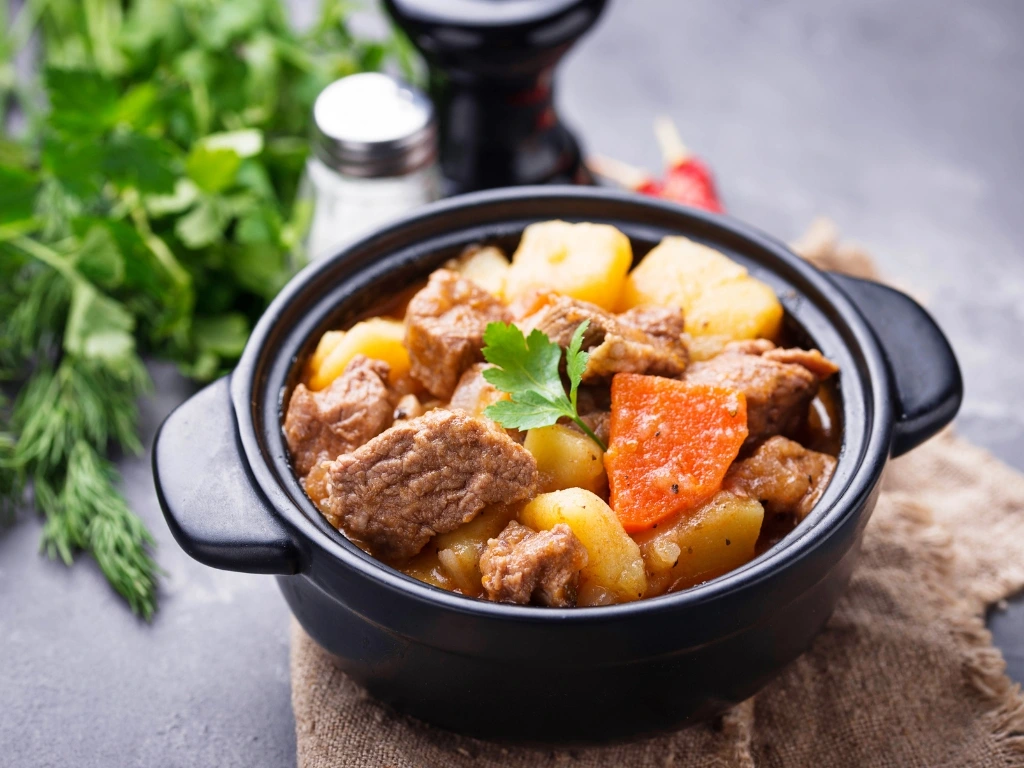
- Dinner: Lean beef stew, slow-cooked with carrots and potatoes until very soft

Day 6
- Breakfast: Soft scrambled tofu with spinach and a little soy sauce
- Snack: Ricotta with a drizzle of honey
- Lunch: Chicken salad with yogurt dressing and finely chopped, softened celery
- Snack: Ripe mango slices
- Dinner: Baked dory with steamed broccoli and cauliflower
Day 7
- Breakfast: Oat pancakes with honey and berries
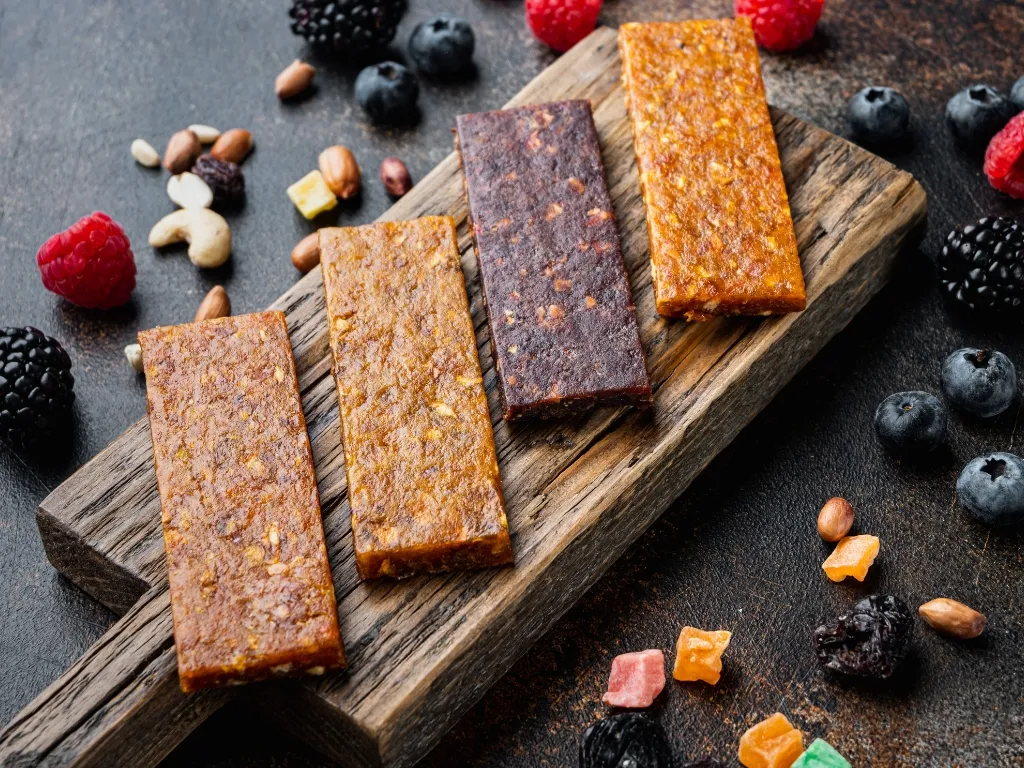
- Snack: Soft protein bar (low sugar)
- Lunch: Turkey with soft vegetables like bok choy, squash, and carrots, all well-cooked
- Snack: Yogurt with ground flaxseed
- Dinner: Miso soup with tofu, spinach, mushrooms, and soft seaweed
How can you adjust this bariatric diet plan to fit your needs?
If you’re still adjusting to a bariatric diet plan, a few small changes can make it easier to follow while still keeping your meals balanced and suitable for your needs.
- Modify portion sizes. Adjust based on your stage and how well you can tolerate food, keeping portions small and manageable.
- Choose protein sources you enjoy. Rotate options like chicken, fish, eggs, tofu, or legumes so that meals don’t feel too repetitive and are easier to stick to.
- Adjust food textures. Start with softer foods for comfort, then gradually move to more solid options as your body tolerates them.
- Stick with ingredients that align with your needs. Make sure that every aspect of your meal actually supports your recovery and dietary goals.
Build a way of eating that supports you in the long term
A bariatric diet plan works best when your meals are built around protein, portion awareness, and foods that your body can comfortably tolerate. This kind of structure helps support post-op recovery, improve digestion, and make everyday eating feel more manageable. Even without surgery, this approach can still support better portion control and overall eating patterns.
At Health Loft, our bariatric care dietitians can tailor nutrition plans to your individual needs, preferences, and stage of recovery. We focus on practical, realistic changes that fit your lifestyle while helping ensure that your nutritional needs are met.
Book a consultation with a Health Loft dietitian to start building a nutrition plan you can realistically maintain day after day.
This article was reviewed by Haleigh Mann, MS, RDN, LDN. It is intended for informational purposes only and does not replace personalized nutritional advice.