









When your stomach is irritated, even a simple meal can be hard to trust. One bite may settle in fine, but the next can easily bring a burning feeling, nausea, or an uncomfortable fullness out of the blue.
If you’re finding it hard to determine what’s actually safe to eat, this guide covers a few simple, gentle choices that can make eating feel a lot more predictable again. See how food fits into gastritis care and explore a flexible gastritis meal plan you can rely on for an entire week.

What is gastritis?
Gastritis is inflammation of the stomach lining. Its most common cause is an infection with H. pylori bacteria. It can also be prompted by regular use of nonsteroidal anti-inflammatory drugs (NSAIDs) like ibuprofen, heavy alcohol use, and autoimmune conditions.
Diet doesn’t play an important role in causing most cases, but it can certainly influence how symptoms feel day to day. Eating well with gentle, low-fat, low-acid meals may ease symptoms such as nausea and feelings of fullness and burning, while the underlying cause is treated with the right medical care.
What to eat with gastritis
A diet for gastritis centers on soft, low-fat, mildly seasoned foods eaten in smaller portions at regular times. No single food works for everyone uniformly, but these are the most reliable choices to consider:
- Cooked vegetables, such as carrots, squash, spinach, and green beans
- Low-acid fruits, such as bananas, melon, pears, apples, and berries
- Whole grains, such as oats, rice, and quinoa
- Lean proteins, such as eggs, skinless poultry, fish, and tofu
- Low-fat dairy and fermented foods, such as yogurt or kefir
- Mild seasonings, such as basil, parsley, thyme, and cinnamon
You may have heard that gastritis requires a strict bland diet. A few days of softer foods can feel soothing during a flare, but it isn’t a long-term rule. Instead, a balanced pattern of fruits, vegetables, whole grains, and lean protein is usually more sustainable, with fiber added gradually as symptoms improve.
Research on H. pylori infection has also linked higher fruit and vegetable intake with protective effects, and an anti-inflammatory approach to meals is one gentle way to put that into practice.
What to limit with gastritis
Nothing’s completely forbidden in a gastritis meal plan, so view the following foods as common triggers to limit and test one at a time:
- Alcohol, coffee and other caffeinated drinks, and carbonated beverages
- Spicy foods and hot sauces
- Acidic foods, such as citrus fruit, tomatoes, and juices made from them
- Fried and fatty foods
- Very salty, smoked, pickled, or heavily processed foods
Fatty, spicy, and very acidic foods tend to cause problems most often. In a cross-sectional study of people with chronic gastritis, more than half said their symptoms were linked to diet, and habits like eating too fast and irregular mealtimes were standard. Keep in mind, however, that such studies show associations, not cause and effect.
Because gastritis and acid reflux can show up together, the soft, low-fat approach in a seven-day gastroesophageal reflux disease (GERD) diet plan can be a helpful reference too.
7-day gastritis meal plan to start with
This seven-day meal plan for gastritis features meals that are soft, low in fat, and gently seasoned. Feel free to swap ingredients, adjust portions, and skip anything that doesn’t sit well with your personal palate. Smaller, regularly spaced meals tend to be generally more tolerated, while softer, fully cooked versions may be more ideal during flares.
Aside from getting meals right, don’t forget to stay hydrated and sip water throughout the day.
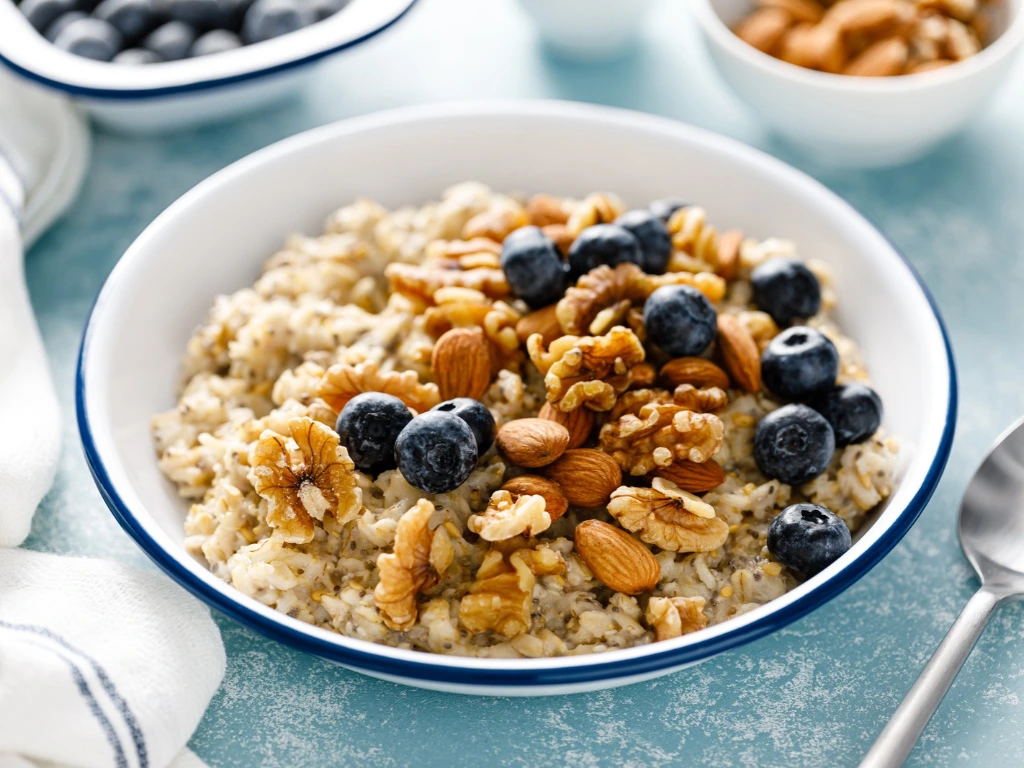
Day 1
- Breakfast: Creamy oatmeal topped with berries and chopped walnuts
- Lunch: Low-sodium chicken noodle soup with a small side salad and crackers
- Dinner: Baked white fish seasoned with dill and parsley (no lemon), with mashed potatoes and green beans
- Snack: Banana with a spoonful of almond butter
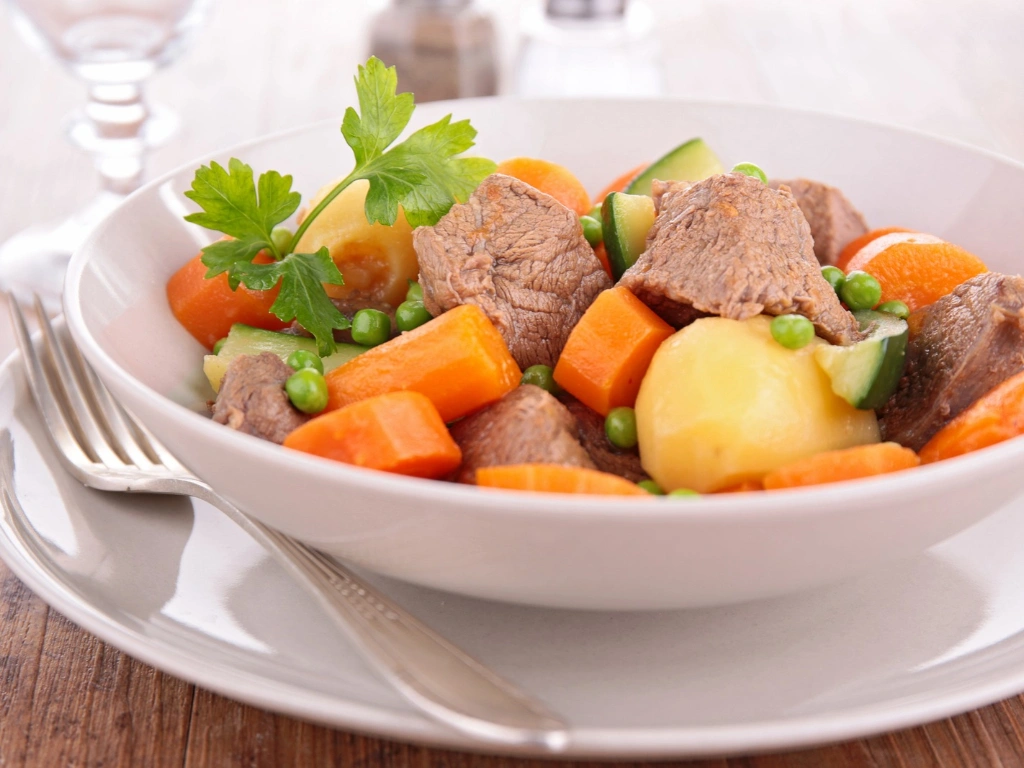
Day 2
- Breakfast: Banana and cantaloupe yogurt smoothie with scrambled eggs on the side
- Lunch: Turkey sandwich on whole-wheat bread with a thin spread of mild hummus, carrot sticks, and grapes
- Dinner: Beef and vegetable stew (no tomatoes and using low-fat broth) over brown rice
- Snack: String cheese and a sliced apple
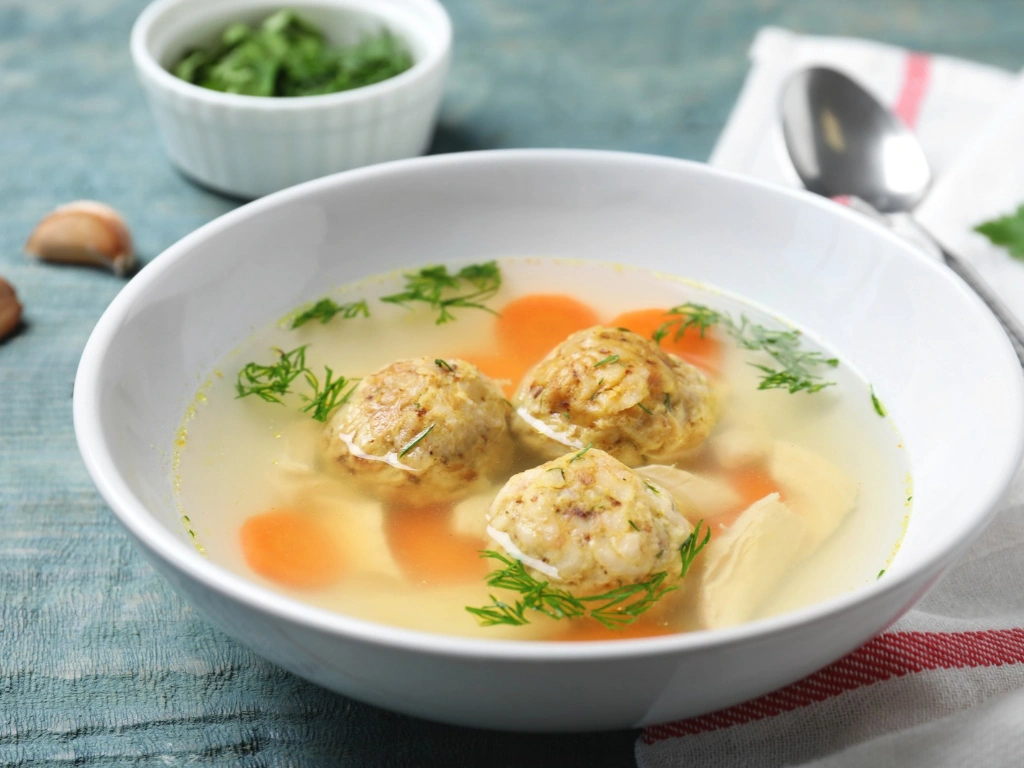
Day 3
- Breakfast: Quinoa porridge cooked in low-fat milk, topped with diced apple and cinnamon
- Lunch: Red lentil and vegetable stew with a slice of whole-grain bread
- Dinner: Turkey meatballs in a light vegetable broth over whole-wheat pasta
- Snack: Vanilla chia pudding with raspberries
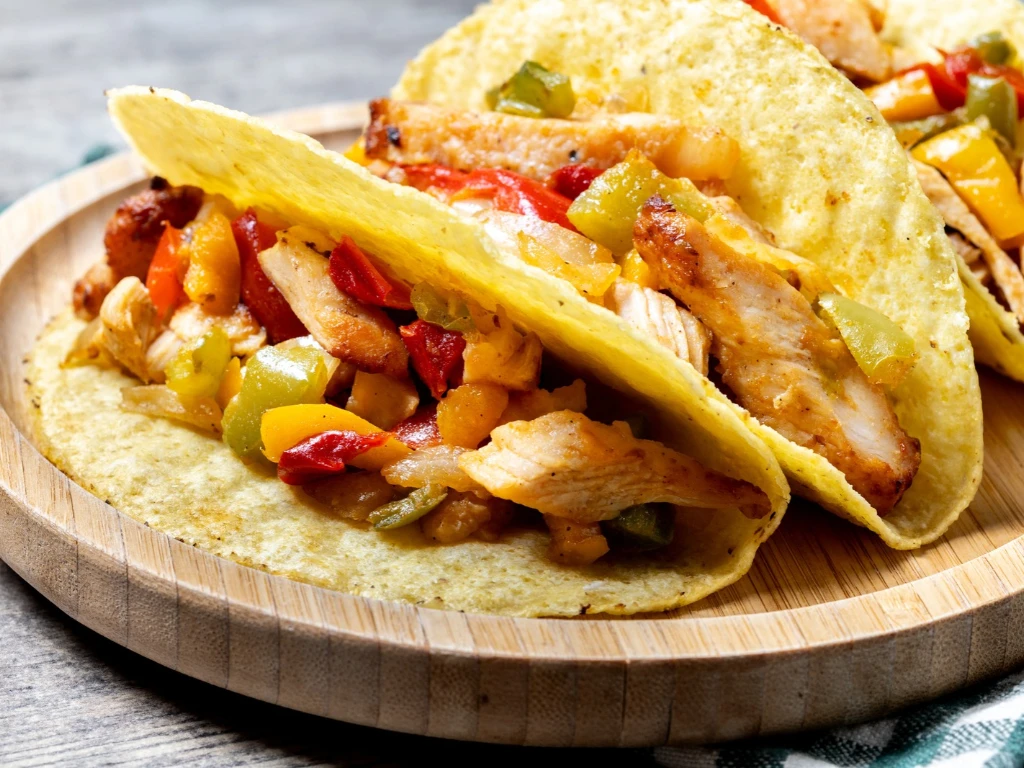
Day 4
- Breakfast: Egg white and spinach omelet with whole-grain toast and a thin layer of peanut butter
- Lunch: Soft tortilla fish tacos with lettuce, corn, rice, and avocado (skip the salsa and lime)
- Dinner: Grain bowl with baked chicken, roasted broccoli, farro, and a creamy tahini drizzle
- Snack: Low-fat cottage cheese with honeydew cubes
Day 5
- Breakfast: Overnight oats made with diced mango, topped with almonds
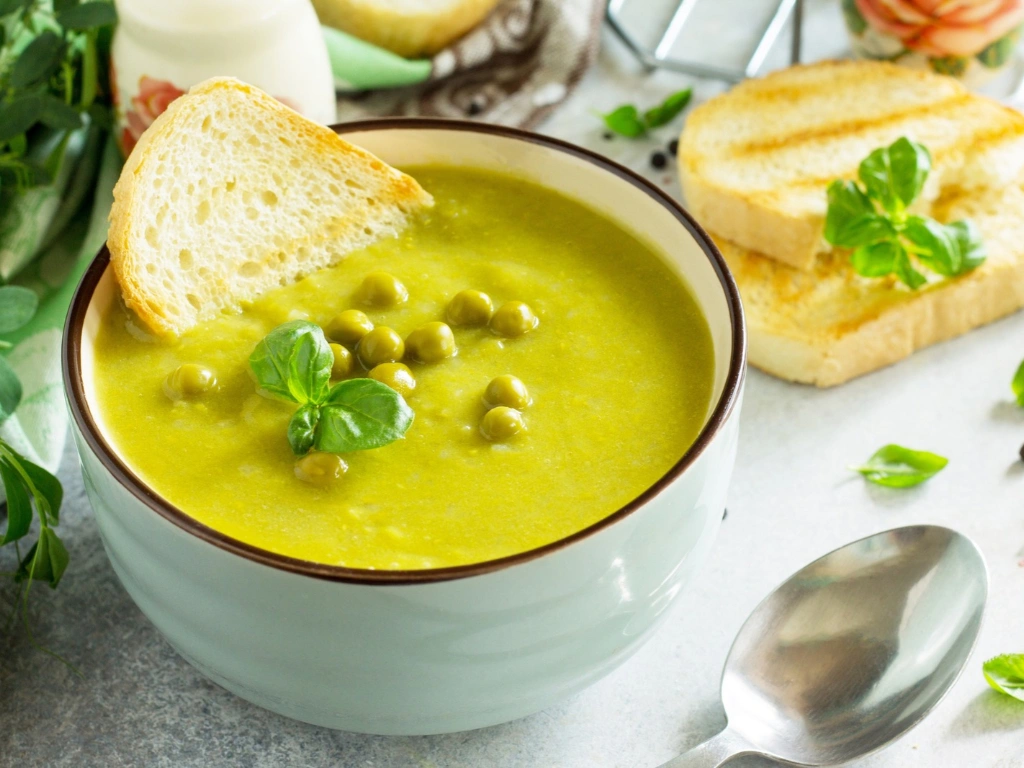
- Lunch: Split pea soup with whole-grain bread
- Dinner: Baked salmon with mashed potatoes and snap peas
- Snack: Hard-boiled egg with carrot and celery sticks
Day 6
- Breakfast: Soft veggie scramble with grated carrot, zucchini, and spinach, plus whole-wheat toast and watermelon cubes
- Lunch: Turkey and avocado wrap with a cup of vegetable soup
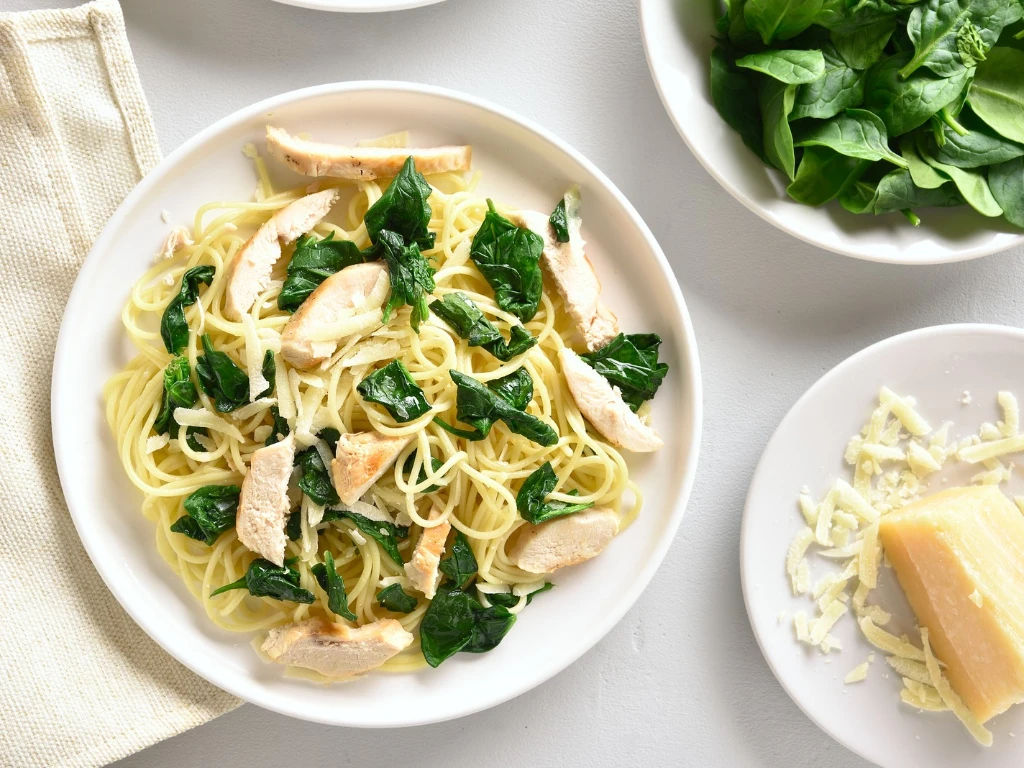
- Dinner: Grilled chicken over pasta tossed with olive oil, basil, Parmesan cheese, and sautéed spinach (no tomato sauce)
- Snack: Whole-grain crackers with a small spoonful of peanut butter
Day 7
- Breakfast: Yogurt parfait layered with oats or granola, sliced banana, and papaya cubes
- Lunch: Quinoa bowl with shredded chicken, steamed broccoli, and roasted sweet potato
- Dinner: Baked tofu with roasted root vegetables over brown rice, seasoned with mild herbs
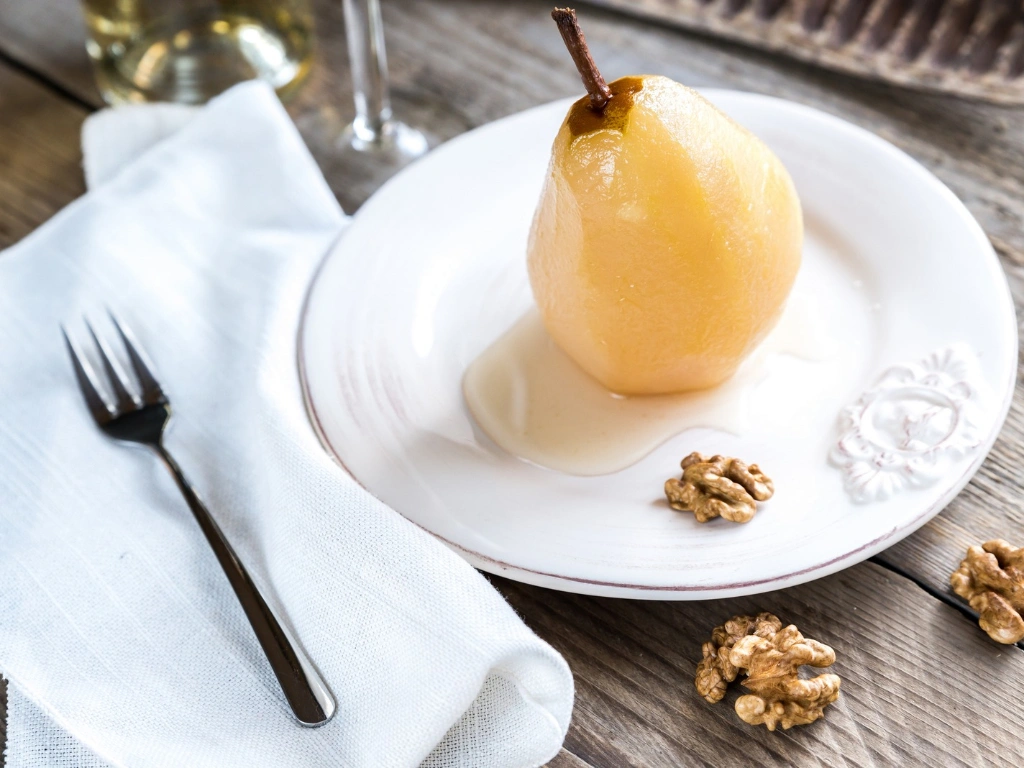
- Snack: Ripe pear with a few walnuts
Easy swaps for your gastritis meal plan
A few simple swaps can keep your favorite meals on the table without the usual triggers. Try them one at a time so you can tell what works for you.
| Instead of: | Try: |
| Coffee | Caffeine-free herbal tea, such as chamomile |
| Lemon or lime | Fresh dill, parsley, or thyme |
| Hot sauce or chili | Mild cumin, turmeric, or ginger, introduced slowly |
| Fried foods | Baked, steamed, grilled, or roasted versions |
| Creamy dressings | Plain low-fat yogurt blended with tahini, or a drizzle of olive oil |
| Soda and sparkling drinks | Plain water |
Nutrients to watch when you have gastritis
Some types of gastritis can make it harder to absorb certain nutrients, so it’s worth having your nutrient levels checked instead of guessing. Specific vitamins and minerals to be careful of include:
- Iron (can be sourced from poultry, lean beef, fish, lentils, and cooked spinach)
- Vitamin B12 (can be sourced from eggs, fish, poultry, and low-fat dairy)
- Folate (can be sourced from lentils, asparagus, and cooked leafy greens)
Many of these foods already appear in the plan above. In rare cases, iron supplements can irritate the stomach, so check first with a healthcare provider before starting any supplement.
Personalize your gastritis meal plan with a Health Loft dietitian
A gentle gastritis meal plan can make everyday meals feel much more manageable, but your triggers, medications, and nutrition needs are your own, and so should your approach to eating. Managing gastritis doesn’t have to mean bland, boring food. With the right guidance, you can build meals you enjoy that your stomach tolerates.
A registered dietitian specializing in gut health can help you identify the specific foods that trigger gastritis and build a realistic plan around your lifestyle to fill any nutrient gaps. Whenever you’re ready, a Health Loft dietitian is always available to support you through your journey to better symptom management and nutrition.
This article was reviewed by Katie Whitson, MS, RD, LD. It is intended for informational purposes only and does not replace personalized nutritional advice.