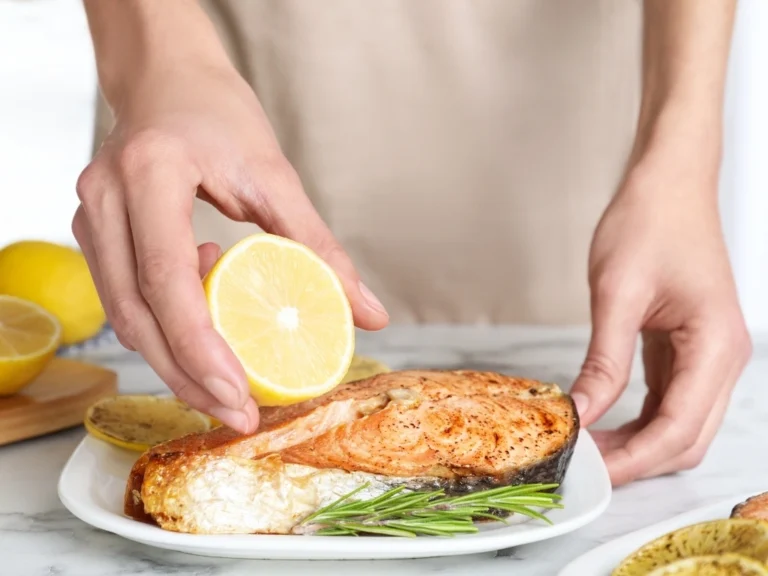









Inflammation is a natural process that helps the body heal and defend itself. At times, though, it can linger and become chronic, contributing to symptoms like fatigue, joint discomfort, and issues with digestion and metabolism.
While there are many factors that influence inflammation, nutrition is among the most critical. An anti-inflammatory diet plan, in particular, offers a reliable way to nourish the body while supporting a more balanced approach to inflammation.

What is inflammation?
Inflammation is the body’s natural defense response to injury or infection. Although it may lead to symptoms that often feel uncomfortable, its purpose is actually to protect and heal tissues.
When you get a cut or catch a cold, for instance, your immune system sends white blood cells to the affected area, typically causing redness, warmth, swelling, or pain. This is called acute inflammation — a type of inflammation that tends to last for only a short time and resolves within hours or days as the body starts to heal.
There are cases, however, when the immune responses don’t readily “switch off” and instead continue to release cells and chemical signals, which can eventually damage healthy tissues. This leads to the second type of inflammation: chronic inflammation.
Unlike acute inflammation, it may last for months or years. It often has no obvious symptoms, yet it has links to conditions like heart disease, diabetes, and autoimmune disorders like Crohn’s disease.
Why is nutrition important for healing inflammation?
Factors such as stress, poor sleep, environmental exposures, lifestyle habits, and especially diet can pave the way for chronic inflammation. What you eat, as well as the state of gut bacteria in relation to what you eat, can either sustain or curb the immune system’s inflammatory response.
By consuming nutrient-dense, anti-inflammatory foods, you can supply your body with antioxidants that help fight off oxidative stress, reduce markers of inflammation, and promote tissue repair.
Foods to include in an anti-inflammatory diet plan
An anti-inflammatory diet plan emphasizes whole, minimally processed foods that provide fiber, antioxidants, and healthy fats — nutrients that help calm the body’s ongoing immune response.
Fruits and vegetables
Rich in antioxidants and plant compounds that help neutralize free radicals, which can damage cells and promote inflammation, fruits and vegetables form the foundation of anti-inflammatory diet plans.
Research shows that colorful produce contains vitamins and phytonutrients that may lower inflammatory markers. The more vibrant your plate looks, the more protective compounds you’re likely getting, so aim for a variety of colors from sources like:
- Berries like blueberries, strawberries, and raspberries
- Tart cherries
- Grapes
- Citrus fruits like oranges, grapefruit, and lemons
- Avocado
- Cruciferous vegetables like broccoli, cauliflower, and cabbage
- Leafy greens like spinach, kale, and collard greens
- Tomatoes
- Bell peppers and chili peppers
- Root vegetables like sweet potatoes, carrots, and beets
Fiber-rich carbohydrates
Fiber is crucial to reducing inflammation and supporting gut health. Increase your dietary fiber intake with complex carbohydrates that provide steady energy and improve digestion while helping lower inflammatory markers.
Here are some reliable sources worth adding to your diet:
- Whole grains like oats, brown rice, quinoa, and barley
- Legumes like lentils, beans, and chickpeas
It’s important to be mindful not to reach for refined carbs like bread or pasta made from white flour, as these are major drivers of inflammation.
Healthy fats
Not all fats are bad for you. In fact, unsaturated fats, particularly omega-3 fatty acids, are highly regarded for their anti-inflammatory effects, producing compounds that help resolve inflammation and balance the body’s immune response. They’re also essential for heart health, as they reduce the risk of cardiovascular diseases.
Get these beneficial fats from foods like:
- Olive oil (preferably extra virgin varieties)
- Avocados
- Nuts like walnuts, macadamia nuts, and pecans
- Seeds like flaxseeds, chia seeds, and pumpkin seeds
- Fatty fish like mackerel, sardines, and salmon
Lean protein
Foods high in protein help reduce chronic inflammation and are supportive of tissue repair and immune function, but the source matters. While animal-sourced proteins can be helpful, plant-based lean options are often more associated with lower inflammation and are preferred for anti-inflammatory diet plans.
Aside from legumes, nuts, and seeds, other plant proteins to consider are:
- Soy products like tofu, edamame, and tempeh
- Wheat gluten
- Nutritional yeast
Low-fat fish and poultry can also be included in moderation. Explore sources like:
- Cod, halibut, and haddock
- Chicken and turkey (skinless, white meat only)
Use these to replace red meats and processed meats where possible.
Foods to limit in an anti-inflammatory diet plan
Knowing what you can eat on an anti-inflammatory diet is just as important as understanding what has to be reduced. The following foods need not be completely avoided, but limiting intake can certainly help support a healthier inflammatory balance.
Trans fats
Trans fats are widely known to promote inflammation by interfering with how cells normally work, creating oxidative stress that damages cells. They also throw off the balance of good bacteria in the gut, which can increase inflammation.
Be wary of consuming common, low-nutrient sources such as:
- Margarine sticks
- Deep-fried foods
- Packaged items like crackers and baked goods
Ultra-processed products
Ultra-processed foods can quietly fuel inflammation. Since they’re high in sugar, unhealthy fats, and additives, they can spike blood sugar and stress the body, triggering inflammatory responses.
They also lack fiber, prompting an imbalance in the gut bacteria that keeps the immune system on constant alert. Some artificial ingredients from either processing or packaging may also irritate the body further.
Eating the following regularly can keep your body in a low-level state of inflammation:
- Soda
- Chips
- Instant meals
- Processed meats
Excessive alcohol
Consuming alcohol in excess impairs the body’s natural defenses, creates toxic byproducts, and destroys the gut barrier, leading to even worse inflammation. It also impairs the liver’s ability to effectively clean toxins out of our blood, contributing further to pro-inflammatory processes in the body.
Processed and high intakes of red meat
Red meat is limited in anti-inflammatory diet plans mainly because of its high levels of saturated fats. It also contains compounds that may promote oxidative stress and inflammation.
Additionally, processed meats are linked to a higher risk of cancer and cardiovascular diseases.
If consuming red meat, always go for lean, unprocessed cuts in moderate portions.
Refined carbs
Refined carbs cause rapid spikes in blood sugar and insulin, which can trigger inflammation. They also lack fiber and can disrupt gut balance.
Go for complex carb sources instead of the following refined counterparts:
- White bread
- Pasta made from white flour
- White rice
- Foods with added sugar like cereals, pastries, and desserts
Refined sugars
Refined sugars directly trigger chronic inflammation, so it’s best to limit them as much as possible. High sugar intake creates excessive pro-inflammatory signaling proteins, triggers oxidative stress, causes rapid blood sugar spikes, and feeds inflammation-causing bacteria in the gut.
Full-fat dairy products
Full-fat dairy products contain high amounts of saturated fat, which can worsen inflammation. These include:
- Whole milk
- Full-fat yogurt
- Cheese
- Butter
- Cream
While dairy can fit into an anti-inflammatory diet plan, it’s best to opt for unsweetened and fermented options like Greek yogurt or kefir instead.
Nutritionist-approved anti-inflammatory meal plan good for 7 days
This simple anti-inflammatory meal plan is a balanced example of how you can leverage whole, nutrient-dense foods for everyday eating. Easily adjust the following meal ideas based on your personal preferences, tolerance, or symptoms.
Day 1
- Breakfast: Oatmeal with flaxseeds, cinnamon, and fresh mixed berries
- Lunch: Spinach chickpea salad with cucumbers, tomatoes, feta cheese, and a vinaigrette dressing
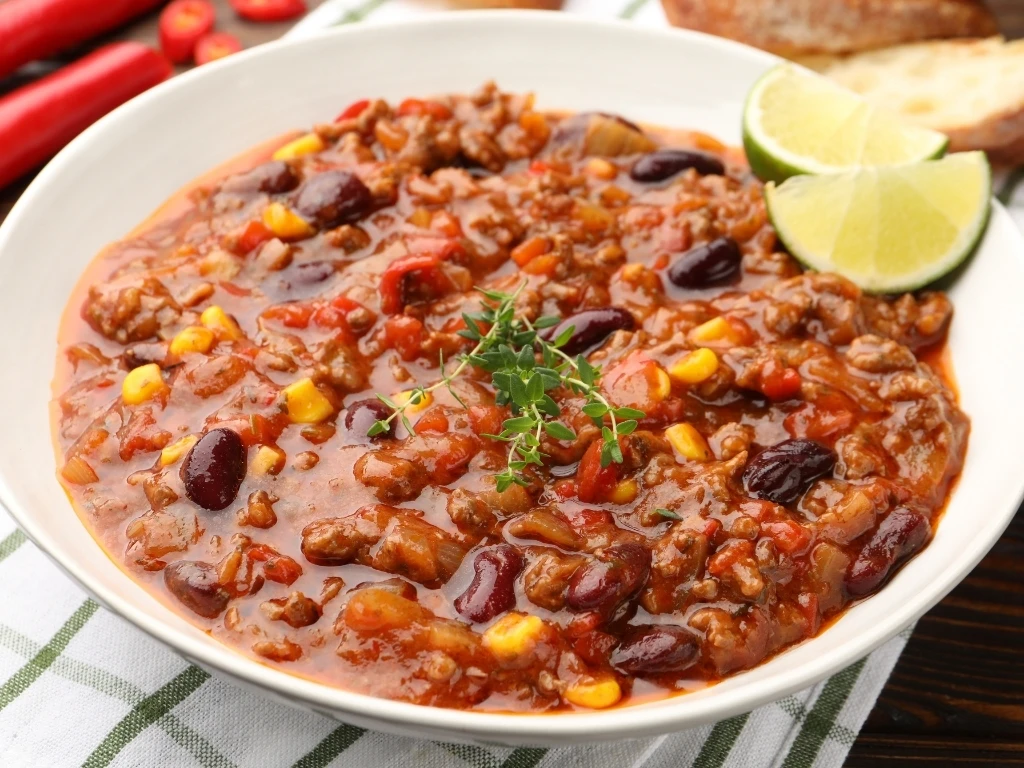
- Dinner: Chili con carne with beans and lean beef
- Snack: Handful of red grapes and pistachios
Day 2
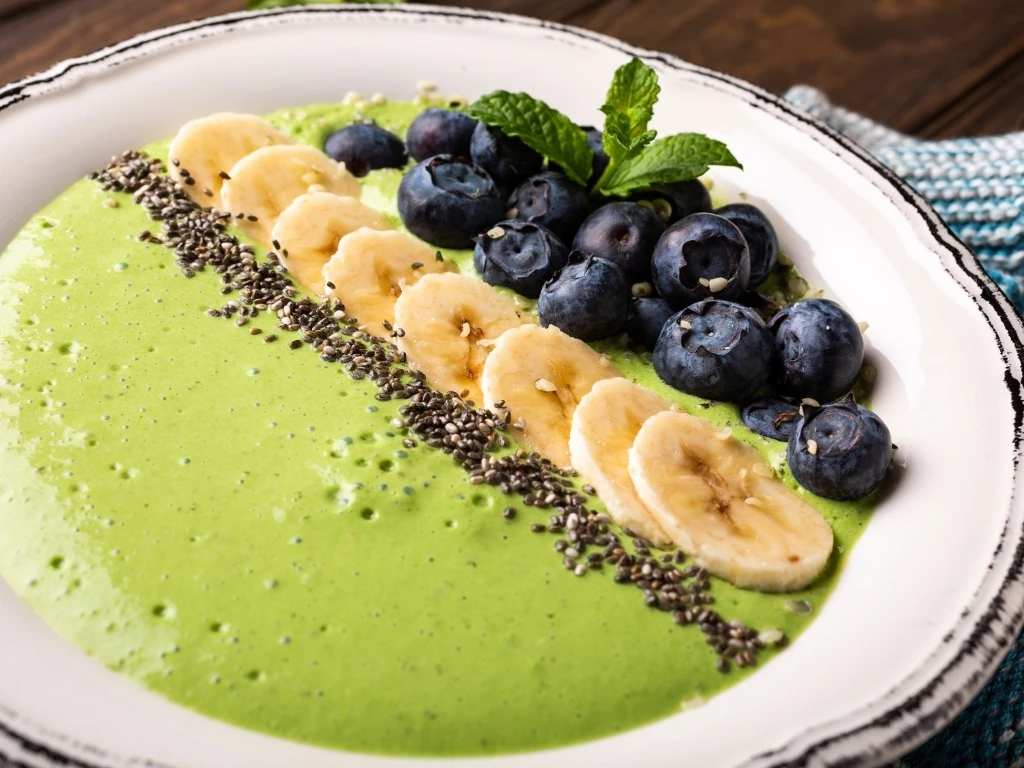
- Breakfast: Green smoothie made with spinach, topped with banana, blueberries, chia seeds, and mint
- Lunch: Vegetable hummus wrap with spinach, cucumber, bell peppers, tomatoes, and avocado wrapped in a whole-grain tortilla
- Dinner: Baked salmon with broccoli, carrots, and green beans
- Snack: Small piece of 70% dark chocolate
Day 3
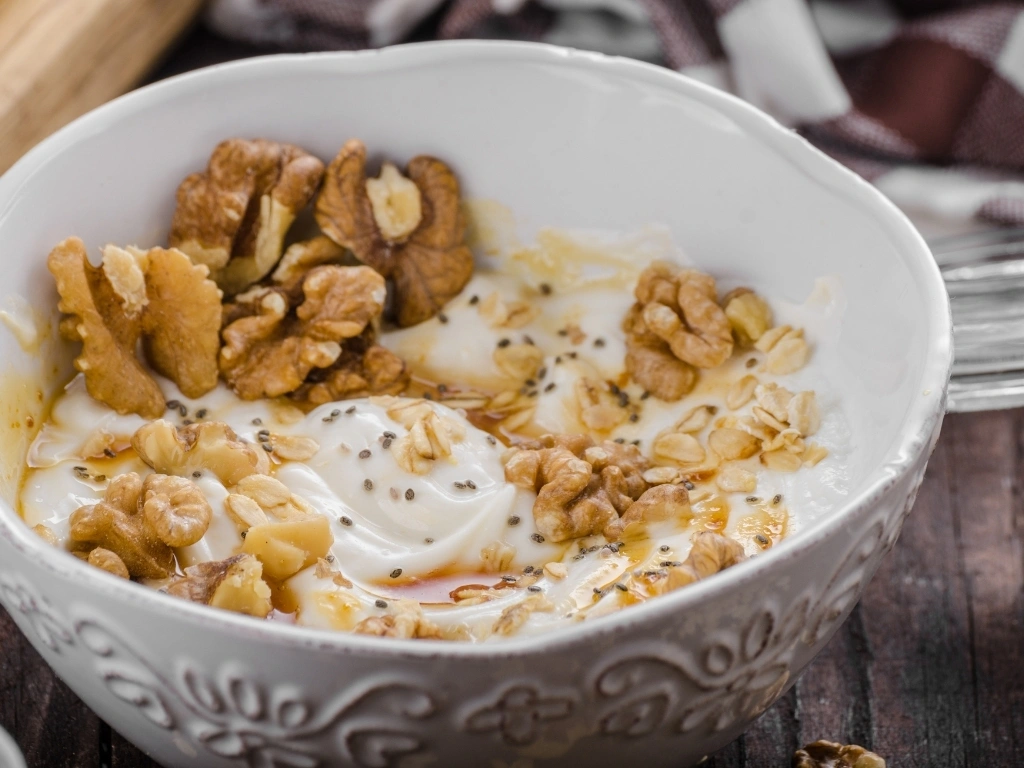
- Breakfast: Unsweetened yogurt with walnuts, chia seeds, and a drizzle of natural honey
- Lunch: Lentil soup with kale, onion, garlic, and celery
- Dinner: Grilled chicken and roasted vegetables with olive oil served on brown rice
- Snack: Papaya slices
Day 4
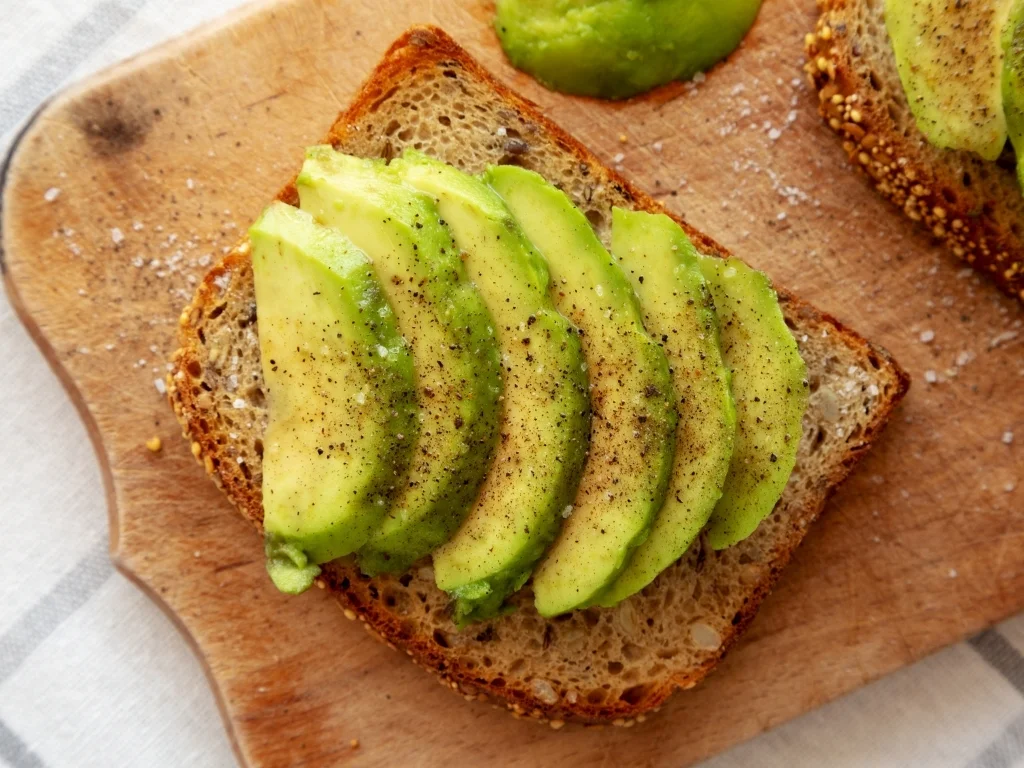
- Breakfast: Avocado slices on whole-grain toast, topped with sea salt and pepper
- Lunch: Quinoa and black bean bowl with bell peppers and tomatoes
- Dinner: Baked mackerel and sweet potato, served with a side of sautéed greens
- Snack: Cherries with ricotta cheese
Day 5
- Breakfast: Chia pudding with apple slices
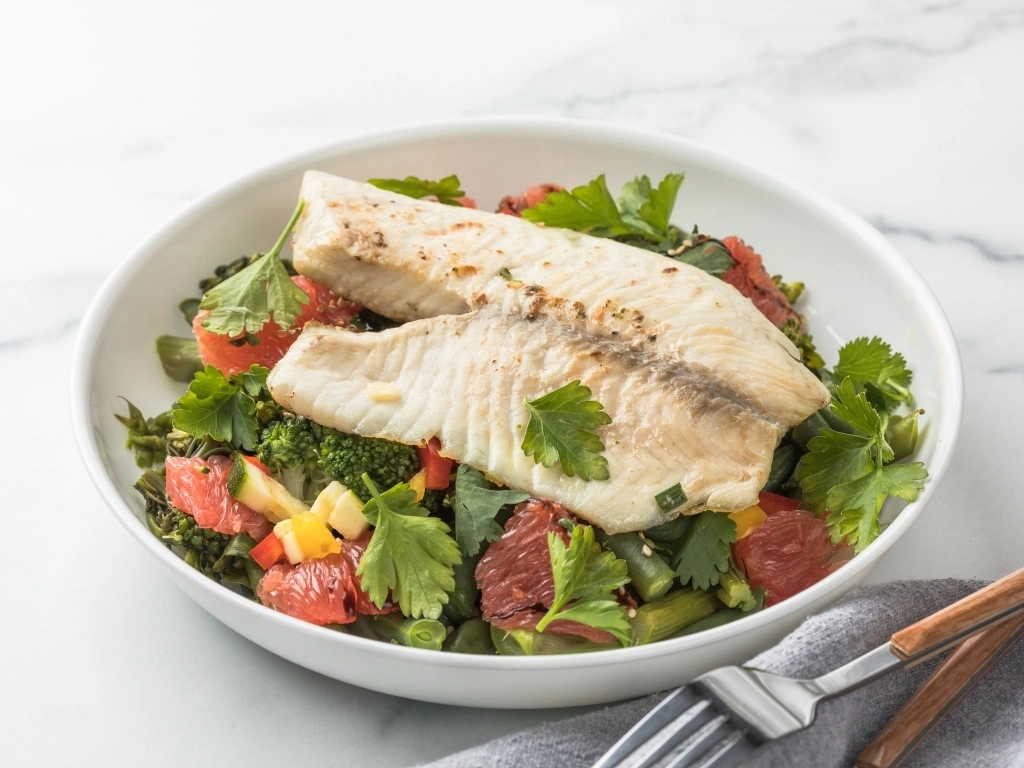
- Lunch: Tilapia and red grapefruit salad with assorted greens
- Dinner: Spinach whole-grain pasta with canned tuna, garlic, lemon, and olive oil
- Snack: Date nut butter bites
Day 6
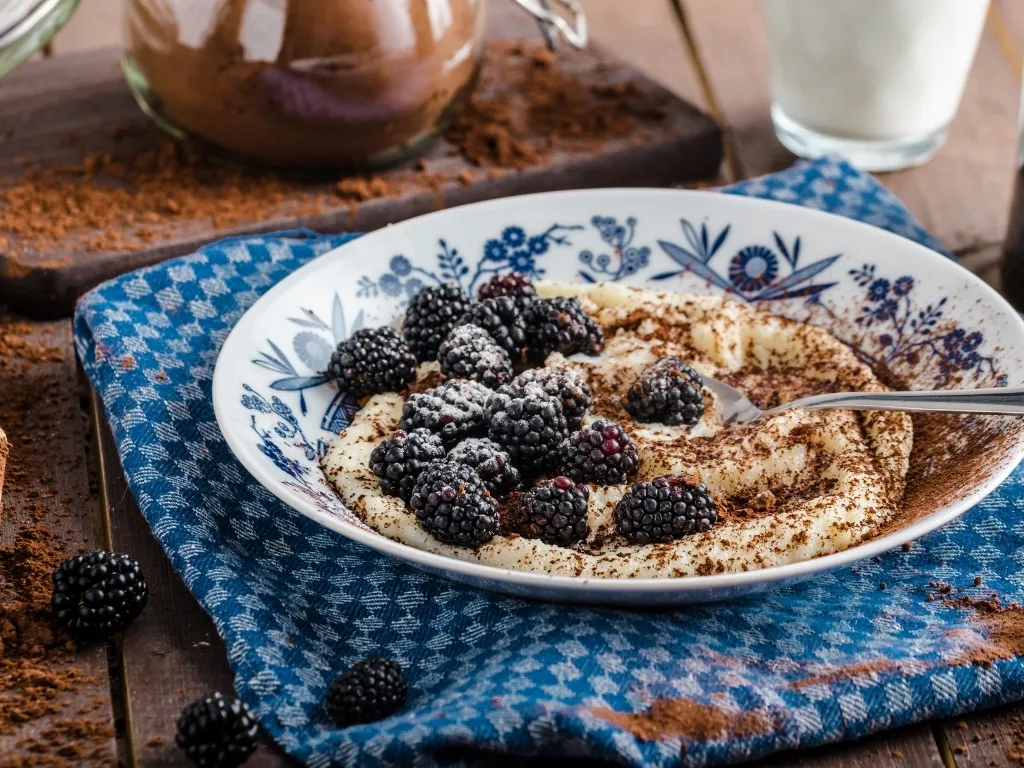
- Breakfast: Porridge with fresh blackberries and cocoa powder
- Lunch: Mixed bean and vegetable soup
- Dinner: Chicken and barley salad with fresh herbs
- Snack: Garlic hummus and carrot sticks, served with a side of strawberries
Day 7
- Breakfast: Smoothie with flaxseed, berries, and leafy greens
- Lunch: Mediterranean-style salad with vegetables, legumes, olive oil
- Dinner: Citrus salmon with capers
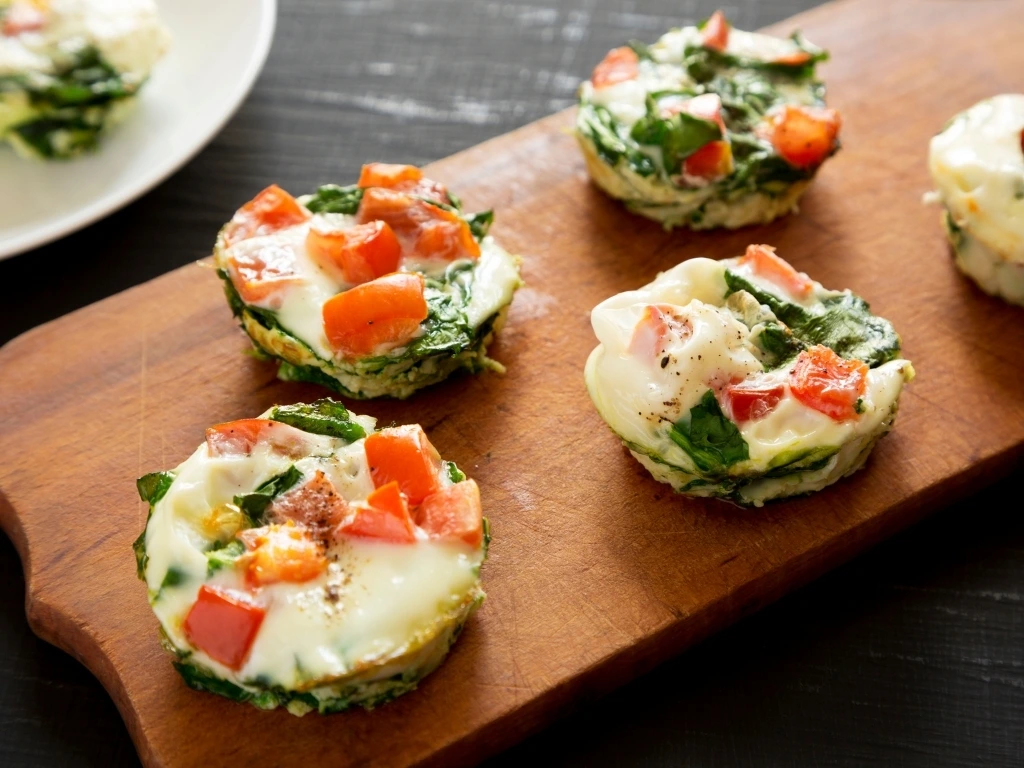
- Snack: Egg white bites with spinach and tomatoes
A printable PDF version of this anti-inflammatory diet meal plan is also available to make it easier for you to stay consistent and confident in your choices, even when planning meals offline.
Fight off inflammation with the right nutrition support from Health Loft
Inflammation is a natural process, but when it becomes chronic, it can disrupt a lot of your body’s functions, possibly affecting your overall well-being. One of the most effective ways to manage this is through an anti-inflammatory diet plan, but for results to be long-lasting, dietary choices should be tailored to your body’s unique needs.
Because gut health and inflammation are closely connected and are both highly individual, the foods that work for other people may not always work for you. This makes guidance from a registered dietitian especially valuable.
At Health Loft, our gut health-specialized dietitians offer personalized strategies that go beyond generic advice. We help you strengthen your gut microbiome, improve digestion, and build a nutrition plan that actively reduces inflammation.
Restore balance in your gut and everyday life by connecting with a Health Loft dietitian today.
This article was reviewed by Adrienne DePaul, MS, RDN. It is intended for informational purposes only and does not replace personalized nutritional advice.