









If your body stopped responding to the advice that used to work, you’re not imagining it. Midlife can bring stubborn weight changes, restless nights, and low energy — and it’s not your fault. It’s no surprise that a plan built specifically for menopause, like the Galveston diet, sounds appealing to many who suffer symptoms of menopause.
Created by obstetrician-gynecologist Dr. Mary Claire Haver, the Galveston diet is a combination of intermittent fasting and a high-fat/low-carbohydrate diet with the inclusion of anti-inflammatory foods. This guide offers an honest look at what works, what doesn’t, and how to decide whether it’s right for you.

What is the Galveston diet?
Dr. Haver developed the Galveston diet after her own struggles with weight changes in menopause, and it’s aimed at women in perimenopause and beyond. It’s delivered as a paid online program and book. The goal is to mitigate the changes many women notice in midlife by adjusting both what you eat and when you eat it.
It rests on these three ideas:
- Intermittent fasting – Most people follow a 16:8 pattern, eating within about eight hours and fasting for the other sixteen.
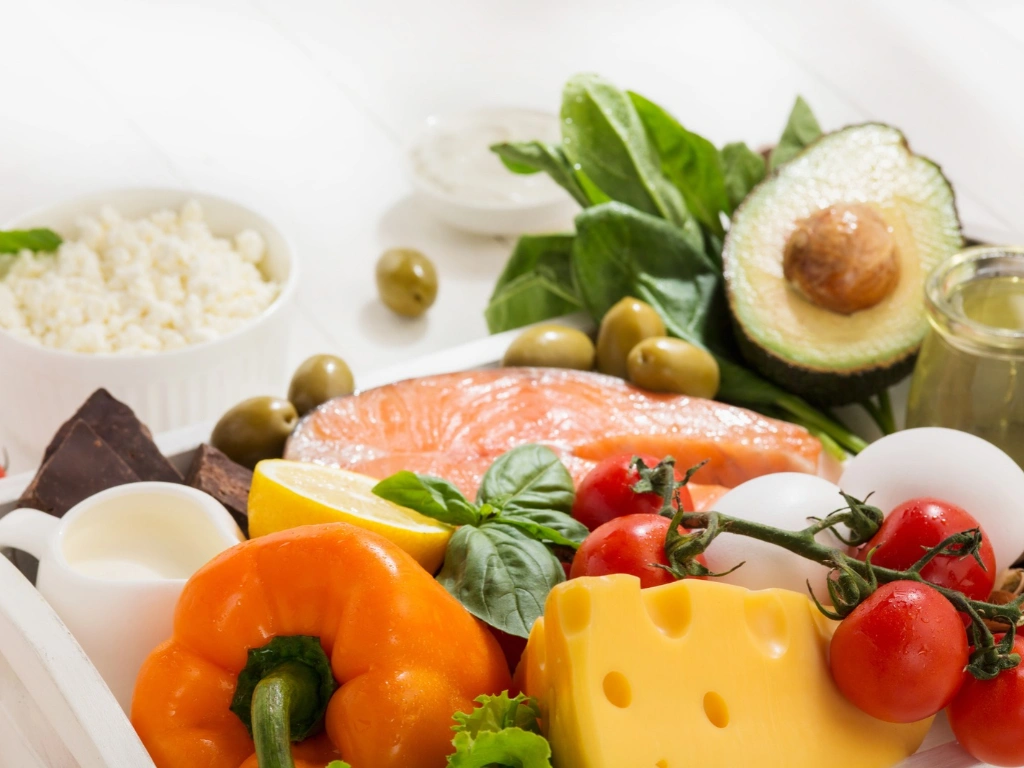
- Anti-inflammatory eating – Focus on leafy greens, berries, fatty fish, olive oil, and nuts, while reducing added sugar, alcohol, and ultra-processed foods.
- “Fuel refocus” – This means specifically leaning on healthy fats and cutting back on refined carbs. Published reviews describe a split of roughly 70% fat, 20% protein, and 10% carbohydrates in the early phase, though this balance can be adjusted as you progress.
Why the Galveston diet is used for menopause
Many menopausal individuals notice weight settling around the midsection in midlife, even when nothing about their routine has changed. Research suggests that aging is the main contributor to overall midlife weight gain, while the menopause transition also influences where fat is stored, particularly around the abdomen.
Belly fat often comes with other signs of menopause, such as hot flashes, low energy, and disrupted sleep, all of which may feel out of your control. Most diets weren’t designed with this experience in mind, so one that promises to address it head-on makes sense to try.
If unexpected weight gain is a concern, a dietitian who supports weight management can offer guidance tailored to you.
What works about the Galveston diet
Some of the ideas behind this particular diet plan are well-supported by research, especially when it comes to everyday food choices and meal timing.
A whole-food, anti-inflammatory foundation
Vegetables, fish, olive oil, nuts, and fewer ultra-processed foods echo Mediterranean-style eating, which the International Menopause Society counts among the best-researched approaches for midlife health.
It’s important to keep bone health in mind. Calcium and vitamin D still matter, perhaps even more so in midlife, so include dairy or fortified alternatives. A simple, seven-day anti-inflammatory meal plan is a good place to start.
Protein and fiber for fullness and muscle
Including at least one source of protein at each meal can help you to feel satisfied and supports muscle retention, which tends to decline with age. The standard recommendation is 0.8 grams per kilogram of body weight, though protein needs may rise with age. Some experts even suggest aiming for closer to 1.0 to 1.2 grams.
Fiber from vegetables, berries, and whole grains contributes to satiety and supports healthy blood sugar and cholesterol levels. Pairing adequate protein intake with regular strength training is one of the most helpful things you can do to support your muscles and bones.
A flexible eating window can help some individuals
A 2025 review of 13 trials found that time-restricted eating helped overweight or obese women lose about two kilograms on average and lowered fasting insulin without sacrificing lean muscle. The catch, however, is that it wasn’t better than traditional calorie reduction, and the women studied weren’t specifically menopausal. Fasting can be one helpful tool, but it isn’t a requirement.
Where the Galveston diet falls short
No plan is perfect, and this one has a few gaps worth knowing about before you commit.
Limited research on the plan itself
The program itself hasn’t been tested in published trials. Much of its support is borrowed from research on fasting, low-carb eating, and anti-inflammatory foods. That doesn’t make the advice useless, but it does mean results can vary. What worked for one person may not necessarily work as well, or at all, for you.
Very high-fat/low-carb = less fiber and can affect cholesterol
Very low-carb eating tends to fall short on fiber, while a high-fat approach may raise cholesterol in some people. This matters because heart disease risk rises through the menopause transition, and cholesterol is a big part of that picture.
Cutting back on starchy fruits, beans, and whole grains removes foods with well-documented benefits. If heart health is a priority, a dietitian who focuses on heart health can help you to strike the right balance.
Fasting isn’t for everyone
Check in with a professional first if you are any of the following:
- Have diabetes
- Take medications affected by meal timing
- Struggle with sleep
- Have a history of disordered eating
Rigid rules and a laser focus on the scale can also contribute to a harmful strain on your relationship with food and your body.
Cost and long-term sustainability
The program is paid with optional add-ons. On top of the ongoing fees, strict low-carb eating plus fasting can be difficult and unrealistic to continue for years. If the plan leaves you feeling restricted, more tired, or constantly thinking about food, it probably isn’t right for you. The best approach to eating is the one you can enjoy and maintain long-term.

Galveston diet recipes: simple ideas to try
If the Galveston diet does sound like a good fit for you, start with simple recipes. Aim for a plate that includes a protein source, non-starchy vegetables, a healthy fat, and a fiber-rich carbohydrate.
The following ideas follow that combination. These meals each work well for midlife eating in general, not just for a Galveston diet-inspired meal plan.
- Sheet-pan salmon with broccoli and olive oil: Fatty fish and olive oil fit the anti-inflammatory pillar. Since this is a one-pan recipe, have it ready on days you prefer easier cleanup.
- Veggie omelet with spinach and avocado: Eggs bring protein to break your fast, while avocado adds healthy fat and fiber to keep you full.
- Greek yogurt with berries and chia seeds: You get protein, calcium, and fiber in one bowl. Add in berries for the anti-inflammatory effect.
- Grilled chicken arugula salad with nuts and olive oil dressing: Lean protein, leafy greens, and healthy fats make a satisfying meal that’s easy to prepare.
- Shrimp and zucchini sauté with garlic and herbs: This one’s quick, lean, and low in refined carbs, with herbs that add flavor without any sugary sauces.
With a dietitian’s approval, you can boost your fiber intake by adding lentils, beans, and/or whole grains.
If you’re busy for the majority of the week, a little batch cooking goes a long way. Roasting a tray of vegetables or grilling extra chicken on the weekend, for instance, can make weeknight meals much easier. The official book also includes its own recipe collection if you’re looking for more inspiration.
Is the Galveston diet right for you? Consult a dietitian
The Galveston diet has real strengths — whole foods, steady protein, and fewer ultra-processed foods — but it shouldn’t be treated as a quick fix to menopause. After all, there’s no single approach to food during menopause in a way that suits everyone.
Your health history, medications, symptoms, and preferences matter more than any eating plan or fad diet, and it’s okay to borrow the parts that work for you and leave out the rest. This is where personalized support can be highly beneficial.
Health Loft can connect you with a menopause-specialized dietitian through virtual appointments that are covered by most major insurance plans, with most patients paying $0 out of pocket. If you’re keen to explore the Galveston diet, or want to discover more tailored dietary strategies that address the midlife changes you’re experiencing, find a registered dietitian today.
This article was reviewed by Haleigh Mann, MS, RDN, LDN. It is intended for informational purposes only and does not replace personalized nutritional advice.