









Aging is a natural part of life that cannot be reversed, but certain lifestyle choices can help the body stay functioning at its best, even as you age.
The foods you eat, in particular, can play an important role in supporting your health and well-being as you get older, and you don’t need to rely on so-called “superfoods” to achieve this. Rather, the goal is to build meals around nutrient-dense foods that provide “anti-aging” properties and strengthen your body over time.

What counts as “anti-aging foods”?
Foods considered “anti-aging” don’t stop or reverse aging in a literal sense. What they offer are nutrients that make healthy aging and long-term well-being possible.
These foods are typically rich in vitamins, minerals, protein, healthy fats, fiber, antioxidants, and other beneficial compounds that help support the body’s normal functions over time.
Many anti-aging foods are also rich in antioxidants, which help protect cells from oxidative stress caused by normal body processes and everyday environmental exposures.
By working together, these nutrients make up an overall nutritious eating pattern that can help support healthy aging, especially the muscles, bones, heart, brain, skin, and immune function that aging may typically impact.
How different nutrients support healthy aging
Despite what you may see online, foods do not reverse aging or keep you younger. However, the nutrients they provide help support many of the body’s normal functions as you age.
Antioxidants
Antioxidants are central to protecting cells from oxidative stress, which progressively worsens with age. Oxidative stress is driven by how the body processes energy, as well as external environmental exposures such as sunlight, air pollution, and smoking.
Some of the best-known antioxidants that combat oxidative stress include:
- Vitamin C (supports collagen production and protects against immune and inflammatory diseases)
- Vitamin E (protects tissues in the nervous system and red blood cells)
- Polyphenols (plant compounds that regenerate used vitamins C and E so they can continue functioning)
Omega-3 fatty acids
Omega-3 fatty acids help maintain healthy skin by reinforcing the skin’s natural barrier, elasticity, and hydration, while blocking enzymes that break down skin after UV exposure. They also reduce systemic inflammation in the body and improve blood flow, effectively contributing to better heart and brain health.
Protein
Protein provides the building blocks needed to maintain skin, muscles, bones, and other tissues throughout the body. Getting enough protein becomes especially important with age, as it helps preserve lean muscle mass and bone density alongside regular physical activity.
Fiber
Anti-aging foods should also be high in fiber, as this nutrient helps fight underlying causes of cellular decay and chronic disease. Since fiber is an indigestible plant compound, it slows sugar absorption, which keeps blood glucose levels stable and prevents the development of chronic, low-grade inflammation that typically increases with age.
Calcium and vitamin D
The combination of calcium and vitamin D is critical to bone strength at every stage of life. For older adults, adequate intake of both nutrients can help reduce the risk of age-related bone loss.
It can also directly lower the risk of falling, which may result in serious fractures, as calcium and vitamin D both contribute to neuromuscular health and are heavily linked to better balance and coordination.
B vitamins
B vitamins, including vitamin B6, vitamin B12, and folate, help the body produce energy and support healthy brain and nervous system function.
Since the ability to absorb vitamin B12 can decrease with age, older adults may need to pay closer attention to getting enough through food or supplements when recommended by a healthcare provider.
Best anti-aging foods to eat as you get older
While many people associate healthy aging with youthful-looking skin, the top anti-aging foods also support your muscles, bones, heart, brain, immune system, and overall quality of life as you age.

Lean protein sources
Many adults naturally eat most of their protein at dinner, but including protein at each meal can be an easy way to meet their daily needs. Build your meals around a protein source first, then add vegetables, whole grains, or other nutritious foods to round them out.
Some protein-rich foods to keep on your grocery list include:
- Salmon
- Trout
- Sardines
- Tuna
- Shrimp
- Chicken breast
- Turkey
- Eggs
- Tofu
- Tempeh
As a general guide, a serving of protein is about the size of your palm, though individual needs vary based on age, activity level, and overall health.
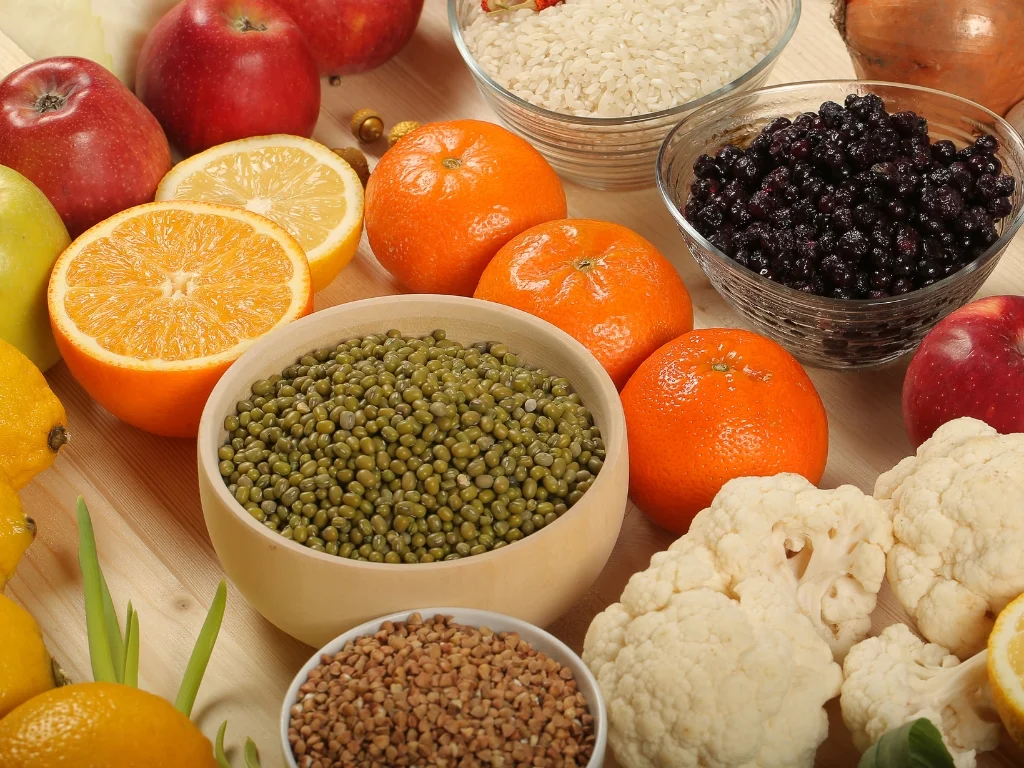
Fruits, vegetables, and legumes
Different produce provides a broad array of vitamins, minerals, and beneficial plant compounds, especially polyphenols and fiber, so variety is just as important as quantity.
Rather than eating the same produce every day, try rotating seasonal or different-colored fruits and vegetables throughout the week. Fill about half your plate with fruits and vegetables whenever possible.
Some great choices are:
- Raspberries
- Papaya
- Mango
- Grapefruit
- Purple cabbage
- Carrots
- Eggplant
- Zucchini
- Mushrooms
- Snap peas
- Black beans
- Lentils
- Chickpeas
If you’re trying to increase your intake, do so gradually and drink plenty of fluids to help reduce digestive discomfort and support regular bowel movements.
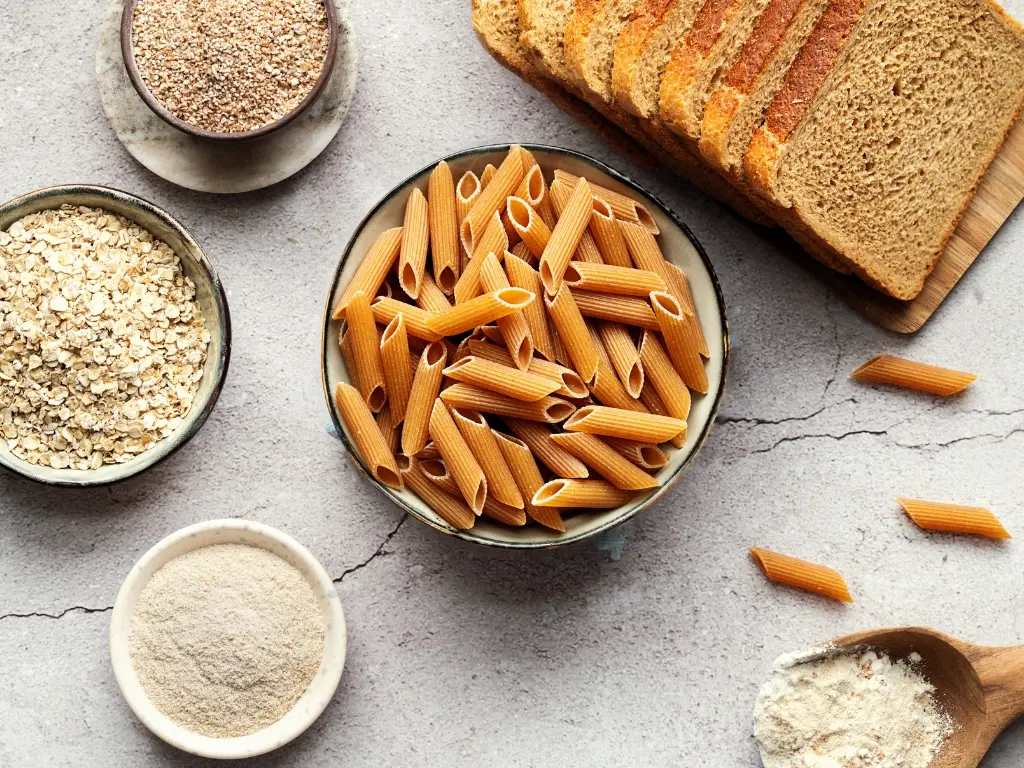
Whole grains
Whole grains retain all parts of the grain — the bran, germ, and endosperm — making them a more nutrient-dense choice than refined grains. Because they are less processed, they naturally provide more fiber, vitamins, minerals, and other beneficial compounds while generally offering a steadier blood sugar response.
Try rotating different whole grains throughout the week, such as:
- Oats
- Brown rice
- Quinoa
- Farro
- Barley
- Bulgur
- Whole-grain bread
- Whole-wheat pasta
Many whole grains can also be cooked in batches and stored in the refrigerator or freezer, making them a convenient staple for meal preparation.
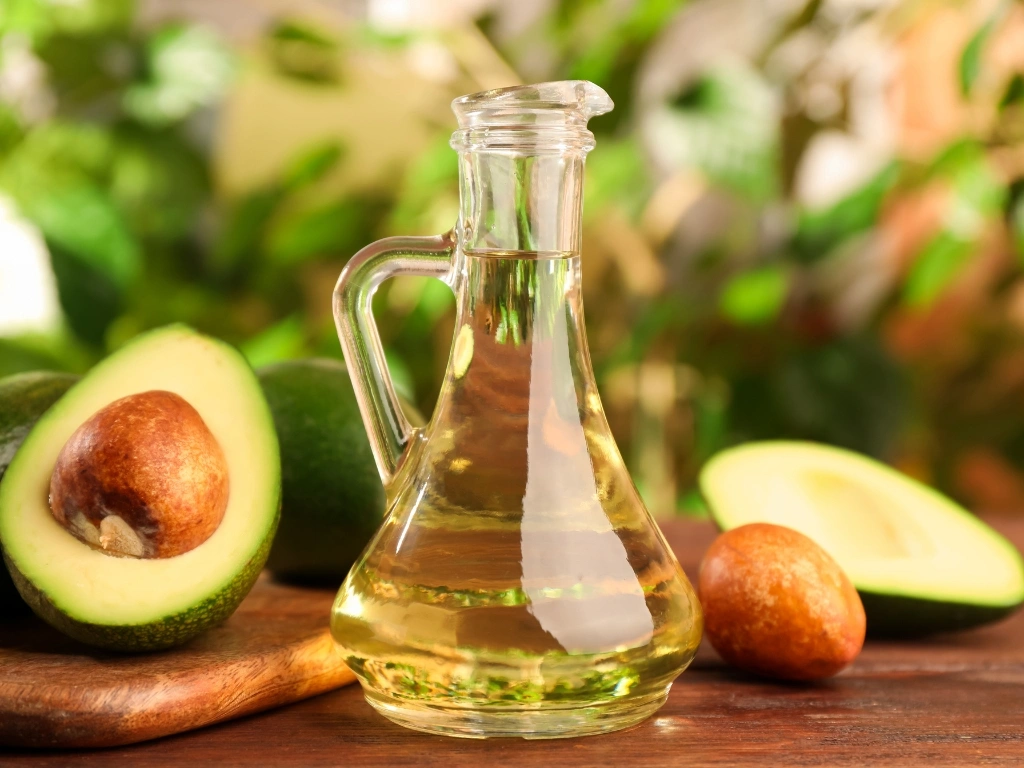
Healthy fats
Not all fats have the same nutritional value. Replacing foods high in saturated fat with foods rich in unsaturated fats is a simple change that can support an overall healthy eating pattern.
Here are a few foods rich in healthy fats:
- Avocados
- Extra-virgin olive oil
- Walnuts
- Almonds
- Pistachios
- Chia seeds
- Natural peanut butter
- Tahini
Since healthy fats are naturally calorie-dense, moderate portions are usually enough to enjoy both their flavor and nutritional benefits.
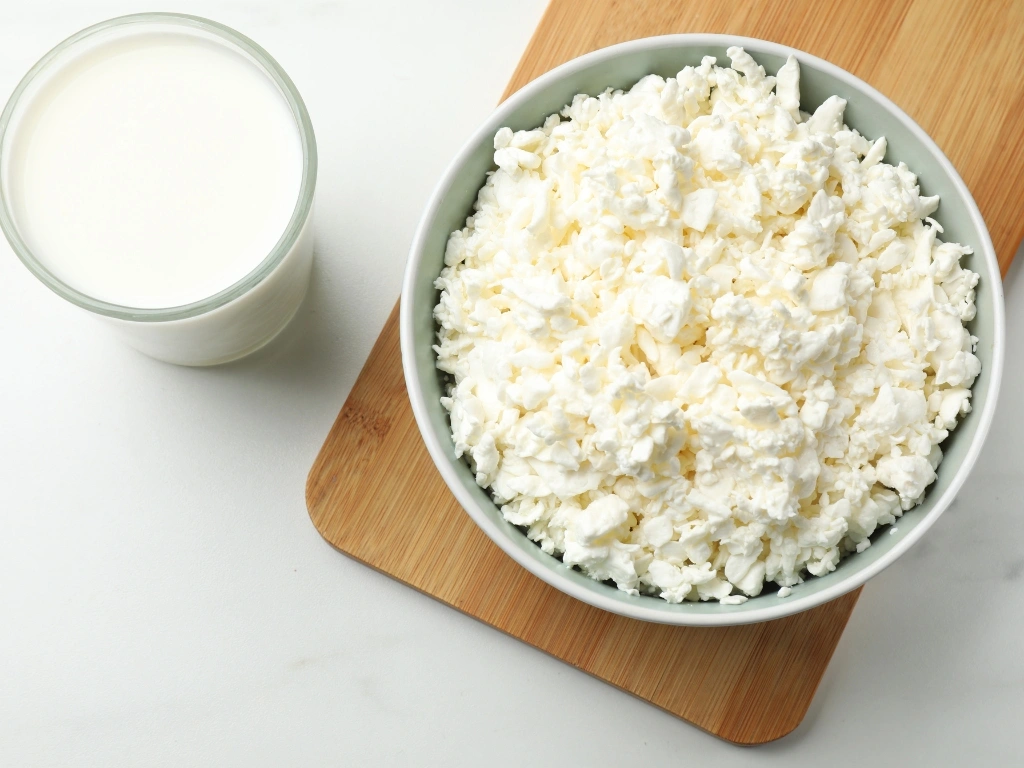
Calcium- and vitamin D-rich foods
Because vitamin D is naturally found in relatively few foods, many dairy products and plant-based alternatives are fortified with it. Taking a quick look at the Nutrition Facts label can help you compare products and choose those that provide both calcium and vitamin D.
Good options include:
- Milk
- Greek yogurt
- Cottage cheese
- Fortified soy milk
- Fortified almond milk
- Fortified oat milk
If you spend little time outdoors or have dietary restrictions, ask your healthcare provider whether vitamin D supplementation may be appropriate.

Fermented foods
Fermented foods may be valuable for healthy aging, as some choices may provide probiotics that help lower inflammation, as well as antioxidants, B vitamins, and minerals.
Keep in mind that not all fermented foods contain probiotics after processing. If you’re interested in adding fermented foods to your diet, look for products that explicitly state their contents of live and active cultures.
If you’re looking to add more fermented foods to your meals, consider:
- Kefir
- Kimchi
- Sauerkraut
- Miso
- Kombucha
- Natto
Start with small servings if fermented foods are new to you, especially if you have a sensitive digestive system.
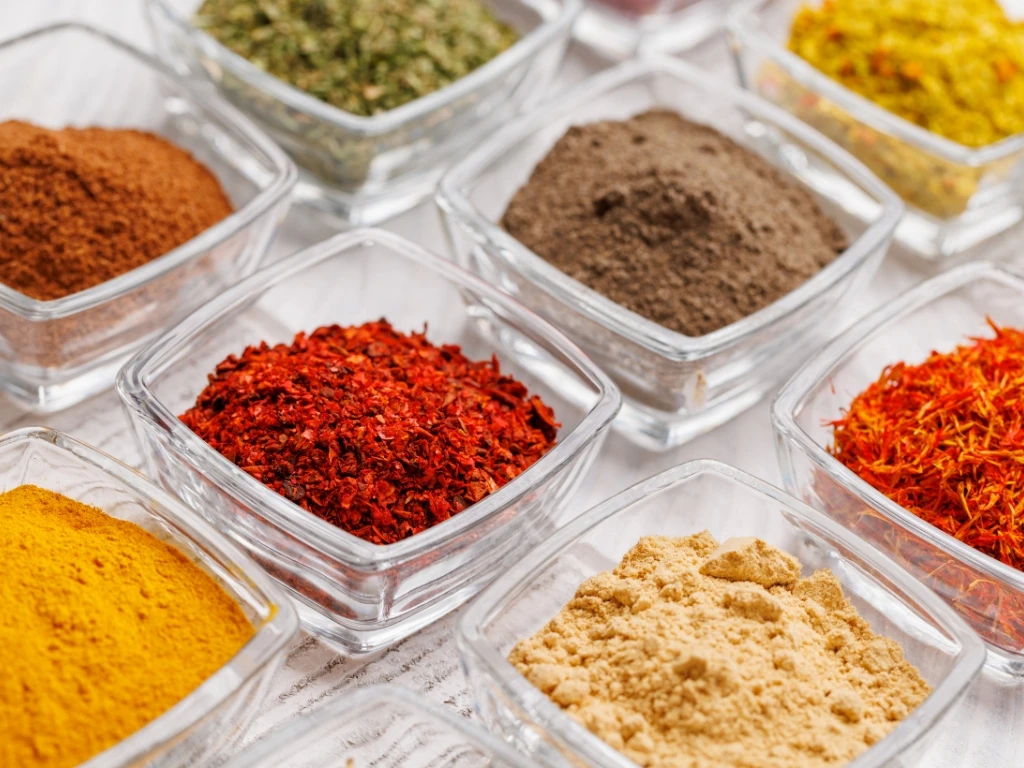
Herbs and spices
Using a variety of dried herbs and spices can help keep meals flavorful while reducing the need for excess salt or sugary sauces. Rotate different herbs and spices throughout the week to enjoy a wider range of naturally occurring plant compounds.
Experiment with different herbs and spices, including:
- Turmeric
- Ginger
- Garlic
- Cinnamon
- Rosemary
- Oregano
- Basil
- Parsley
- Thyme
- Black pepper
Support healthy aging with personalized nutrition support from Health Loft
Consistently eating a variety of nutrient-dense, anti-aging foods plays an important role in maintaining your health, strength, mobility, energy, and overall quality of life for years to come.
That said, it’s important to remember that your nutritional needs often become more individualized as you age. Your health status, activity level, the medications you take, and any changes in appetite or digestion due to aging or otherwise can all influence which foods and nutrients are right for you.
At Health Loft, our registered dietitians specializing in general health provide evidence-based nutrition support for every stage of life. Whether you’re managing a health condition or simply looking to improve your eating habits as you age, our experts can help you build an eating pattern that fits your lifestyle, nutritional needs, health goals, and current treatment plan, if any.
We also recognize that healthy aging takes more than just eating well. Our nutrition plan also accounts for other lifestyle factors, such as regular physical activity, quality sleep, stress management, sun protection, avoiding smoking, staying hydrated, and maintaining strong social connections.
If you’re ready to begin your journey toward healthier aging, connect with a Health Loft dietitian today.
This article was reviewed by Katie Whitson, RD, LD. It is intended for informational purposes only and does not replace personalized nutritional advice.