








If you’re diagnosed with a chronic skin condition like rosacea, you might find yourself relying extensively on skincare products and regimens. While these do play a significant role in managing symptoms, they’re not enough to prevent flare-ups from happening.
While not widely acknowledged, the foods you eat can either be supportive or detrimental to rosacea. This guide explores how food choices may influence symptoms, the best foods to include in a rosacea-friendly diet, and potential triggers that may best be limited for better symptom management.

What is rosacea?
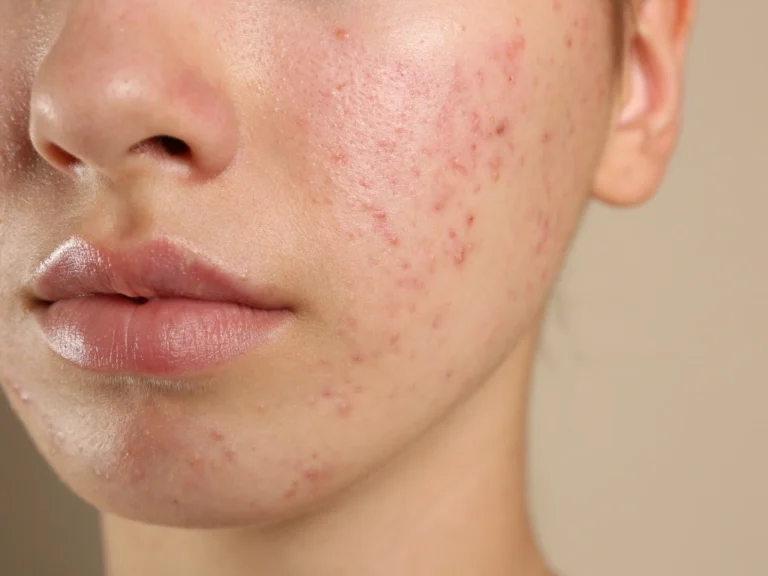
Rosacea is a chronic inflammatory skin condition that primarily affects the face. Common symptoms of the condition include:
- Persistent redness (sometimes a darker, violet color) or “flushing” of the face
- Acne-like bumps (sometimes pus-filled)
- Visible tiny blood vessels on the cheeks or nose
- Hyperpigmentation (darker patches of skin)
- Burning or stinging sensation on the skin
- Dry skin
- Red, itchy, watery, or gritty eyes (with ocular rosacea)
- Thickened skin in more severe cases, especially around the nose
These symptoms tend to vary from person to person. Some may experience only mild redness, while those with a more severe form of the condition may develop eye symptoms or thicker skin over time.
While the condition is long-term, symptoms usually are not. In fact, symptoms often come and go, with periods of flare-ups followed by times when the skin is calmer. This shift may depend on certain triggers, such as sun exposure, emotional stress, heat, or even certain foods.
Can diet cure rosacea?
No, diet alone cannot resolve rosacea. However, researchers are increasingly favoring diet and nutrition as a crucial part of managing rosacea. This is primarily due to certain nutrients and compounds that may affect inflammation, blood vessel reactivity, and gut-skin communication involved in rosacea.
There’s no specific diet that can help manage rosacea symptoms, but the Mediterranean diet is often a good springboard for gut balance and skin health. Rich in antioxidants and bioactive compounds, this way of eating emphasizes anti-inflammatory foods that may aid rosacea management, as well as eating patterns that lower inflammation while improving metabolic and vascular health, which ultimately promotes calmer, more resilient skin.
That being said, some foods that work well for others may not always yield the same benefits for you. A more effective approach when it comes to building a rosacea diet is to tailor food choices to your individual symptoms, health status, and experiences. Working with a registered dietitian can help to simplify this process.
Foods to include in a rosacea diet
A rosacea-friendly diet is one that emphasizes skin-supportive foods that help calm inflammation and strengthen the gut-skin connection, immune system, and skin barrier.
Omega-3 sources
Omega-3 fatty acids help to regulate inflammation by reducing pro-inflammatory signaling molecules in the body. They also support skin barrier structure, which helps the skin retain moisture and become less reactive to irritation and flushing.
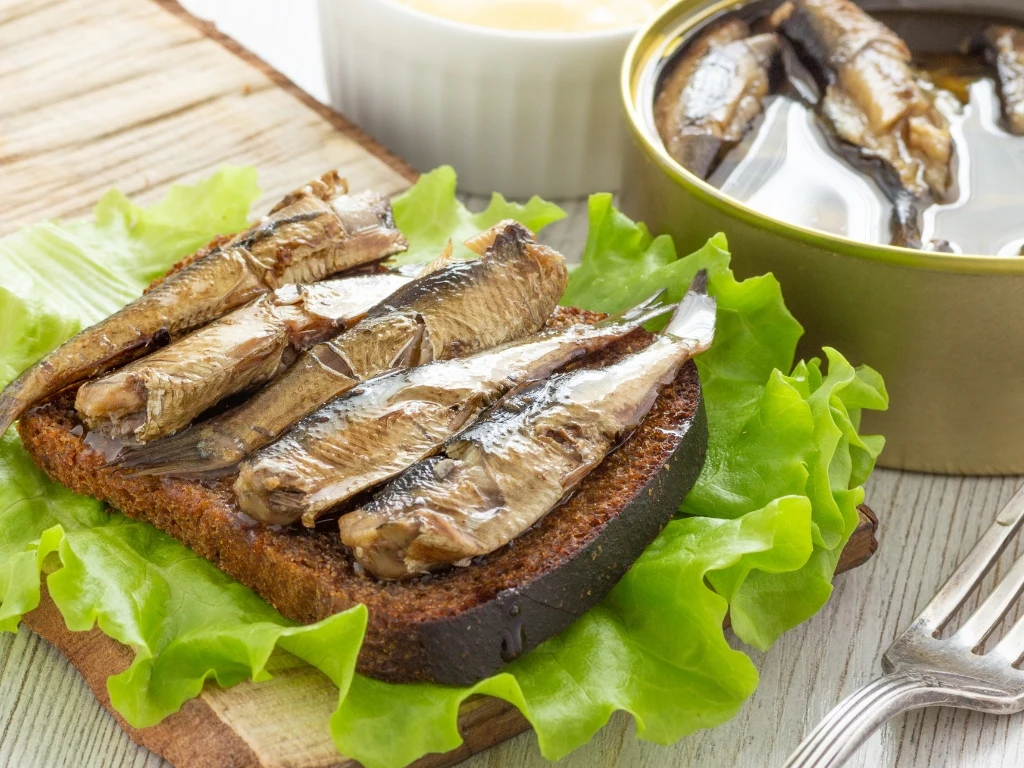
Omega-3s can be found in fatty fish, seeds, and certain nuts, such as:
- Salmon
- Sprats
- Mackerel
- Trout
- Walnuts
- Pecans
- Flaxseeds
- Chia seeds
- Hemp seeds
Probiotics (short-term ferments)
Some fermented or cultured foods offer live microorganisms called probiotics, which can help balance out the microbes found in the gut, which boosts the number of “good bacteria.” Their presence may influence immune response and reduce inflammatory signaling that contributes to redness and skin reactivity.
Common probiotic sources include:
- Yogurt (always look for labels stating “live and active cultures”)
- Kefir
- Kimchi
- Sauerkraut (in the fridge section of the grocery store vs. the inner aisles)
- Miso
- Tempeh
- Kombucha
- Naturally fermented pickles
- Certain aged cheeses, such as Gouda or cheddar
- Sourdough bread
With this being said, some individuals with rosacea may develop histamine sensitivity, in which case consuming fermented products may not be suitable. In these cases, consult a registered dietitian for fortified alternatives or dietary supplements that may help provide a safer intake of those good bacteria found in probiotics.
Prebiotic and soluble fiber
Dietary fiber — especially prebiotics — acts as fuel for “good” gut bacteria, helping to maintain a more balanced microbiome in the digestive tract. The resulting healthier gut environment then supports immune regulation and may reduce systemic inflammation that can cause skin sensitivity.
Fiber sources high in prebiotic fiber include:
- Garlic
- Onions
- Oats
- Bananas
- Lentils
- Leeks
- Asparagus
Prebiotic fiber may also be an effective alternative to fermented probiotic foods.
On the other hand, fiber doesn’t necessarily have to be strictly prebiotic for it to be helpful with rosacea management. Soluble fiber is another option that’s gentle on the gut, helping improve digestion and clear toxins from the gut. This is easily sourced in plant foods, such as fruits, vegetables, legumes, and whole grains, such as:
- Oats
- Barley
- Lentils
- Chickpeas
- Black beans
- Pears
- Avocados
- Sweet potatoes
- Carrots
Certain individuals may wonder whether gluten may cause or worsen rosacea. Gluten is generally safe for people with rosacea, with the exception of cases where the condition coincides with other sensitivities that require gluten restriction.

Common food triggers for rosacea
Managing rosacea isn’t limited to simply eating the right foods. Since it’s a condition that may entail several potential food triggers, depending on your personal health status, observing which foods and beverages should be kept at bay to prevent flare-ups may be even more essential.
Spicy or hot meals and drinks
Spicy foods, particularly those with capsaicin, as well as thermally hot beverages and foods, may provoke flushing by increasing skin temperature and result in vasodilation, or the widening of blood vessels.
Limit intake of the following spicy or hot ingredients:
- Chili powder
- Cayenne pepper
- Jalapeños
- Hot sauce
- Barbecue sauce
- Horseradish
- Extremely hot drinks (coffee, tea, etc.), soups, or meals
Cinnamaldehyde-containing foods
If you’ve ever come across questions regarding whether chocolate and rosacea go together, that’s because chocolate contains trace amounts of cinnamaldehyde. This compound, which gives cinnamon its distinct smell, can activate sensory nerve receptors in the skin, leading to the release of a substance P that causes inflammation and related flushing.
Aside from chocolate and cinnamon, these other foods may also contain cinnamaldehyde:
- Cloves
- Curry powders
- Cinnamon oil
- Pumpkin pie spice
- Cocoa products
- Breakfast foods, like cinnamon cereals, granola, or oatmeal
- Coffee drinks flavored with cinnamon syrups
- Tomatoes
- Citrus fruits
Histamine-rich fermented foods
Histamine may promote inflammation and may cause blood vessels to widen, directly contributing to redness and swelling. If you have developed histamine sensitivity, avoid consuming foods high in this compound, such as:
- Wine, beer, and spirits
- Aged cheeses, such as Parmesan, Gouda, and cheddar
- Fermented foods, such as kimchi, yogurt, and soy sauce
- Sourdough bread
- Processed and cured meats
- Certain fruits and vegetables, including spinach, eggplant, and bananas
Work with Health Loft to find the best rosacea-friendly diet for you
The most important step in managing a rosacea diet is understanding your own patterns. Rosacea triggers vary widely from person to person, so there is no single approach that will work for everyone.
A simple food and symptom journal can help make these links clearer. Note what you eat each day, any possible food triggers, and when flushing, redness, or discomfort occurs.
Navigating flare-ups is difficult to do alone. Working with a registered dietitian or nutritionist can help you to interpret these patterns and guide you toward a balanced, sustainable eating plan that supports your skin without unnecessary restriction.
At Health Loft, we tailor nutrition strategies and recommendations to your health history, symptoms, lifestyle, and personal preferences. Our experts also work as part of your broader healthcare team, complementing medical treatment and skincare guidance rather than replacing them.
Connect with a Health Loft dietitian to start building a more confident rosacea-friendly approach to eating.
This article was reviewed by Haleigh Mann, MS, RDN, LDN. It is intended for informational purposes only and does not replace personalized nutritional advice.