









Kidney disease can make grocery shopping tricky. It’s not enough to simply know a food is generally healthy for most; before you can add anything to your basket, you first need to check whether certain nutrients — such as potassium and phosphorus, in some cases — are present in amounts reasonable for your condition.
If you’re unsure of what’s actually worth adding to your eating routine, this guide offers a low-potassium diet plan you can easily adapt as your own, featuring a week’s worth of meal ideas and insights into what balanced, kidney-friendly eating should look like.

Why potassium matters in kidney disease
Potassium is an essential mineral that keeps your muscles and nerves, including your heart, working properly. In a healthy body, the kidneys act like a filter, clearing extra potassium through urine so levels stay balanced. When kidney function starts to decline, the body’s filtering process can become less efficient, making it harder to keep potassium in a safe range.

How kidney disease impacts potassium intake
Some people with kidney problems may develop hyperkalemia, the clinical term used to describe when you have too much potassium in your blood.
Because damaged kidneys can’t clear excess potassium as efficiently, it can build up in the bloodstream instead of leaving the body.
A safe blood potassium level generally falls between 3.5 and 5.0 milliequivalents per liter (mEq/L). Levels above that range are considered elevated and call for medical attention.
Kidney function isn’t the only contributor, however. Other factors that may influence potassium levels in the body include:
- Certain medications, including some blood pressure drugs, potassium-sparing diuretics, and potassium-based salt substitutes
- Dehydration
- Constipation
- Poorly controlled blood sugar
- Diet featuring high-potassium foods
Because hyperkalemia often causes no noticeable symptoms until it becomes severe, regular bloodwork is one of the best ways to catch an imbalance early.
When is a low-potassium diet necessary?
Does this mean that a low-potassium diet should be a default for everyone with chronic kidney disease (CKD) or reduced kidney function? Not at all.
Your care team may recommend a low-potassium diet based on several factors, including how well your kidneys are functioning, which medications you take, your recent lab results, and your overall health. Healthcare professionals are likely to advise potassium restriction only when blood levels are actually high.
Some people in the early stages may not need to limit potassium at all, while others managing the disease at later stages or on dialysis may need closer monitoring.
How much potassium is in a “low-potassium diet”?
Experts generally recommend a potassium limit of roughly two to four grams a day for people with mild-to-moderate kidney disease who aren’t on dialysis. This, however, may still depend on how your dietitian tailors it to your labs and health history.
For comparison, people without kidney complications are prescribed a limit of about 4.7 grams.

Tips for following a low-potassium diet safely
If you were in fact prescribed a low-potassium diet for kidney disease management, it doesn’t necessarily mean you need to eliminate foods entirely from your diet. More often than not, the focus is on managing portions and making smart substitutions to keep potassium levels within the ideal range. Start with the following strategies:
- Mind the serving size. A large portion of a low-potassium food, for instance, can essentially behave like a high-potassium one.
- Read nutrition labels. Potassium content isn’t always listed on every product package, so coordinate with your dietitian if you’re uncertain.
- Plan meals ahead. Scrambling for last-minute choices can often lead you to resort to meals that aren’t the best for your health.
- Avoid the liquids your ingredients came with. Drain your canned fruits and vegetables, and skip the juice from cooked meats. Potassium is water-soluble and often leaches out of the food into the liquid.
- Soak and cook high-potassium vegetables in fresh water. This can help lower, though not completely eliminate, their potassium content.
Ultimately, it’s worth consulting a registered dietitian to help guide your low-potassium diet. Removing too much potassium, especially without professional supervision, can make it harder to eat a balanced, nutrient-rich diet and may mean missing out on the fiber and other benefits found in many potassium-rich foods.
A dietitian can ensure that you’re observing ideal serving sizes while meeting your nutritional needs, especially if you’re also managing sodium or phosphorus.
Low-potassium foods to add to your plate
Plenty of foods still fit into a low-potassium diet when eaten in reasonable portions. The table below highlights a few everyday options and their typical serving sizes.
Fruits
| Food | Serving size | Approx. potassium (mg) |
| Blueberries | ½ cup | 57 |
| Apples | 1 whole (medium) | 195 |
| Raspberries | ½ cup | 90 to 140 |
| Strawberries | ½ cup | 120 to 130 |
| Cranberries | ½ cup | 45 |
| Grapes (red or green) | ½ cup | 140 |
| Pineapple | ½ cup | 90 |
| Pear | ½ cup sliced | 90 to 100 |
Vegetables
| Food | Serving size | Approx. potassium (mg) |
| Cabbage (raw) | ½ cup | 60 to 120 |
| Lettuce (raw) | 1 cup | 70 to 150 |
| Cucumber | ½ cup sliced | 75 |
| Spinach leaves (raw) | 1 cup | 140 to 165 |
| Bell peppers | ½ cup | 88 |
| Onion | ½ cup chopped | 115 |
| Celery | 1 medium stalk | 105 |
| Radish | ½ cup sliced | 135 |
| Cauliflower (cooked) | ½ cup | 90 |
| Corn (cooked) | ½ medium ear | 125 |
| Scallions | ¼ cup chopped | 65 |
| Garlic | 1 clove | 12 |
| Green beans (frozen) | ½ cup | 113 |
Proteins
| Food | Serving size | Approx. potassium (mg) |
| Popcorn | 1 cup | 26 |
| Egg (whole) | 1 large | 69 |
| Egg white | 1 large | 54 |
| Chicken breast (roasted, no skin) | 3 ounce | 218 |
| Shrimp (cooked) | 3 ounce | 220 |
| Tofu | 100 grams | 121 |
Dairy and alternatives
| Food | Serving size | Approx. potassium (mg) |
| Cheddar cheese | 1 ounce | 21 |
| Mozzarella | 1 ounce | 25 |
| Goat cheese (soft) | 1 ounce | 35 |
| Cream cheese | 2 tablespoons | 35 |
Grains and starches
| Food | Serving size | Approx. potassium (mg) |
| White rice (cooked) | ½ cup | 44 |
| Rolled oats (dry) | ½ cup | 150 to 165 |
| Rice noodles (cooked) | 1 cup | 20 |
| White pasta, orzo, or egg noodles (cooked) | 1 cup | 63 to 70 |
| Pizza dough from white flour | 1 piece | 100 |
| Grits (cooked) | ½ cup | 25 |
| White bread | 1 slice | 30 |
| Hamburger bun (white) | 1 bun | 65 |
| Flour tortilla | 1 (8 inch) | 60 |
| White flour (all-purpose, dry) | ¼ cup | 35 |
| Crisp rice cereal | 1 cup | 30 |
Others
| Food | Serving size | Approx. potassium (mg) |
| Coffee (brewed) | 6 ounces | 90 |
| Lemon or lime juice | 1 tablespoon | 20 |
| Olive oil, butter, light mayo | 1 tablespoon | 0 to 15 |
Keep in mind that potassium content can vary based on how foods are prepared and portioned. The foods listed above also aren’t automatically suitable for everyone, as your own targets may depend on your labs and your dietitian’s guidance.
7-day meal plan for a low-potassium diet
As you explore a low-potassium diet, take a page or two from the following meal ideas that feature accessible ingredients and dietitian-recommended preparations.
While some protein sources used in this meal plan contain moderate amounts of potassium, most renal diets still require them and typically control the portion rather than avoiding meat entirely.
Portion sizes and specific food choices should be adjusted to your own lab results, health needs, and any other restrictions you need to observe, such as sodium or phosphorus, in partnership with your care team or registered dietitian. Some people with kidney disease are told to limit protein, while others on dialysis need more.

Day 1
- Breakfast: Homemade pork sausage and egg cups with bell peppers and onions, served with white toast
- Lunch: Chicken and shredded cabbage slaw wrap (flour tortilla)
- Dinner: Shrimp stir-fry with celery and onion over white rice
- Snack: Apple slices with cream cheese
Day 2
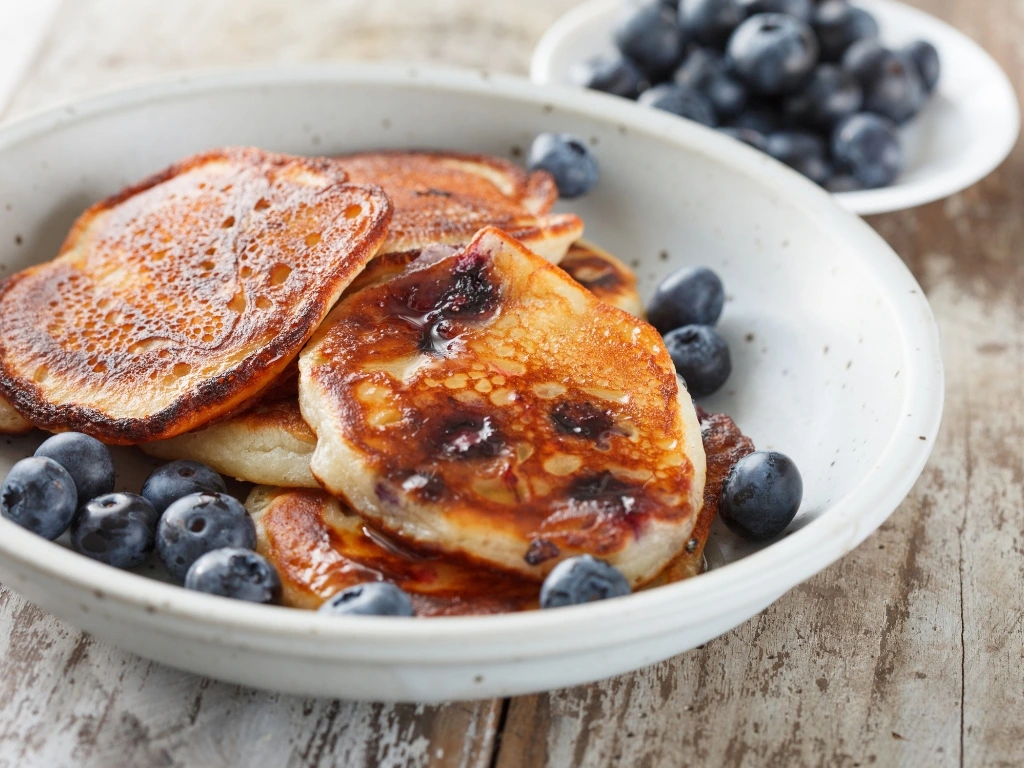
- Breakfast: Blueberry pancakes made with white flour
- Lunch: Tuna salad (drained, light mayo) on white bread with iceberg lettuce and cucumber
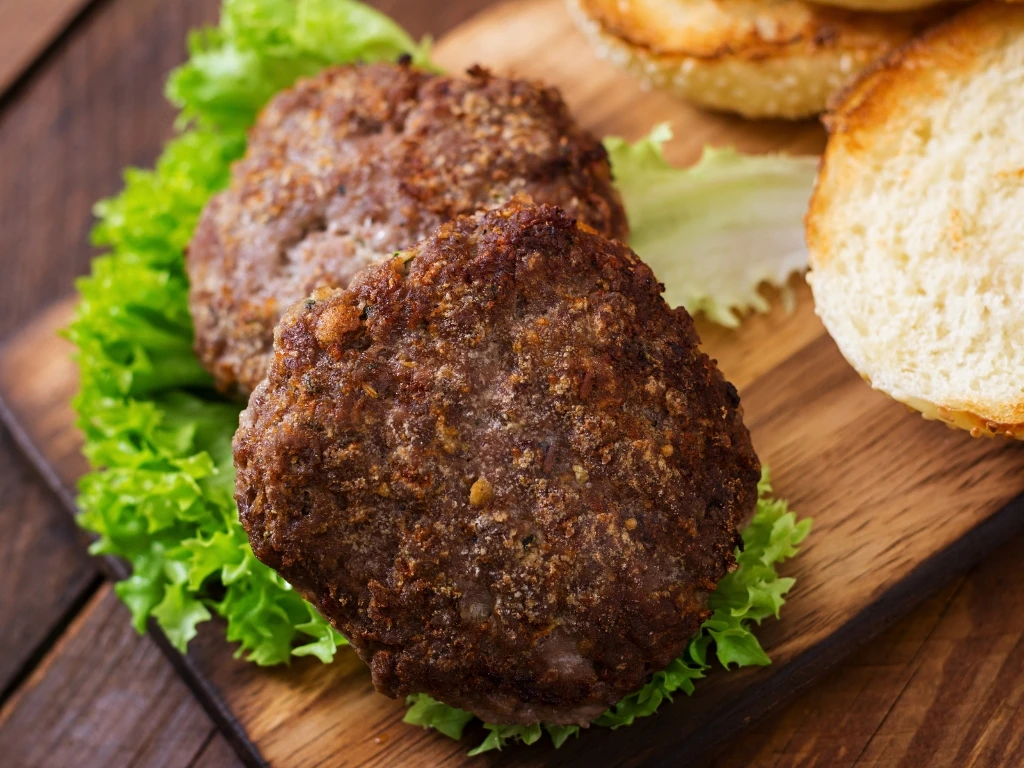
- Dinner: Herbed chicken meatballs (breast part), buttered rice noodles, green beans
- Snack: Oatmeal cookies
Day 3
- Breakfast: Egg white omelet with a little goat cheese
- Lunch: Fried cauliflower rice with egg and scallions
- Dinner: Tofu burger on a white bun with lettuce, onion, and cucumber, plus half an ear of corn
- Snack: Homemade plain popcorn

Day 4
- Breakfast: Cranberry-orange bread with a boiled egg
- Lunch: Egg and lettuce salad served with plain flatbread
- Dinner: Chicken fajita bowl with sautéed bell pepper and onion, white rice, lime, and cilantro
- Snack: Fruit skewers (apple, grapes, pineapple, and pear)
Day 5
- Breakfast: Scrambled eggs with grits
- Lunch: Homemade low-sodium chicken noodle soup with white bread
- Dinner: Homemade pizza with mozzarella and bell peppers
- Snack: Strawberries with a small dollop of cream cheese
Day 6
- Breakfast: Raspberry muffins with coffee
- Lunch: Cheese quesadillas with green beans
- Dinner: Collard greens with mushrooms and rice
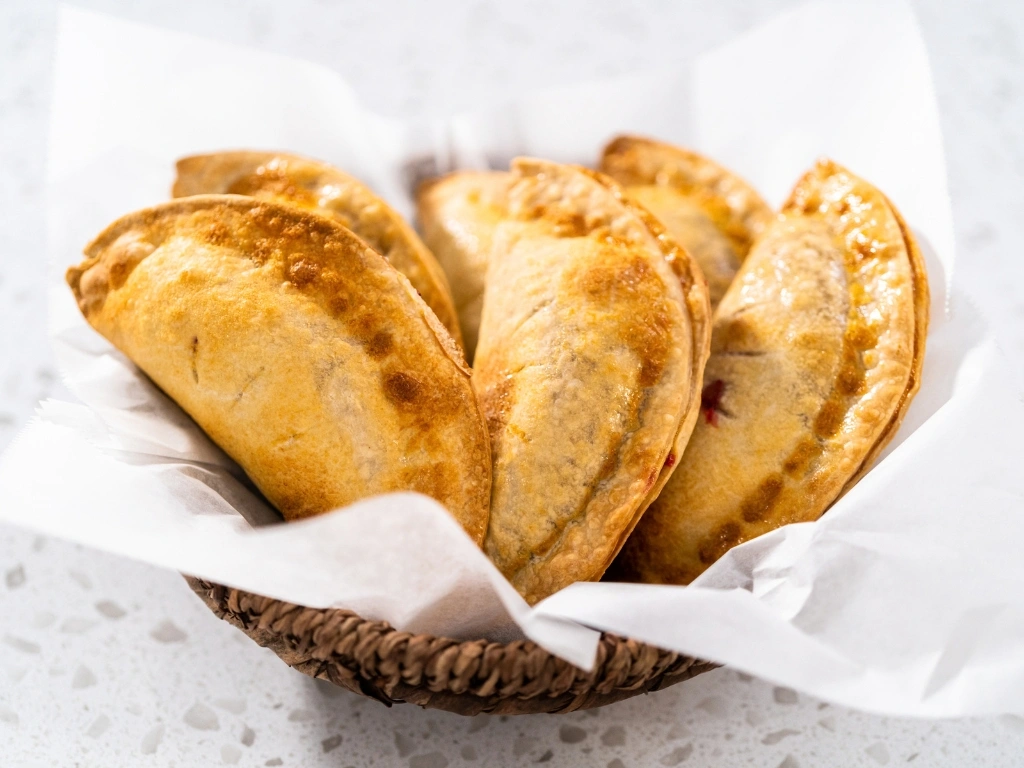
- Snack: Chicken empanadas
Day 7
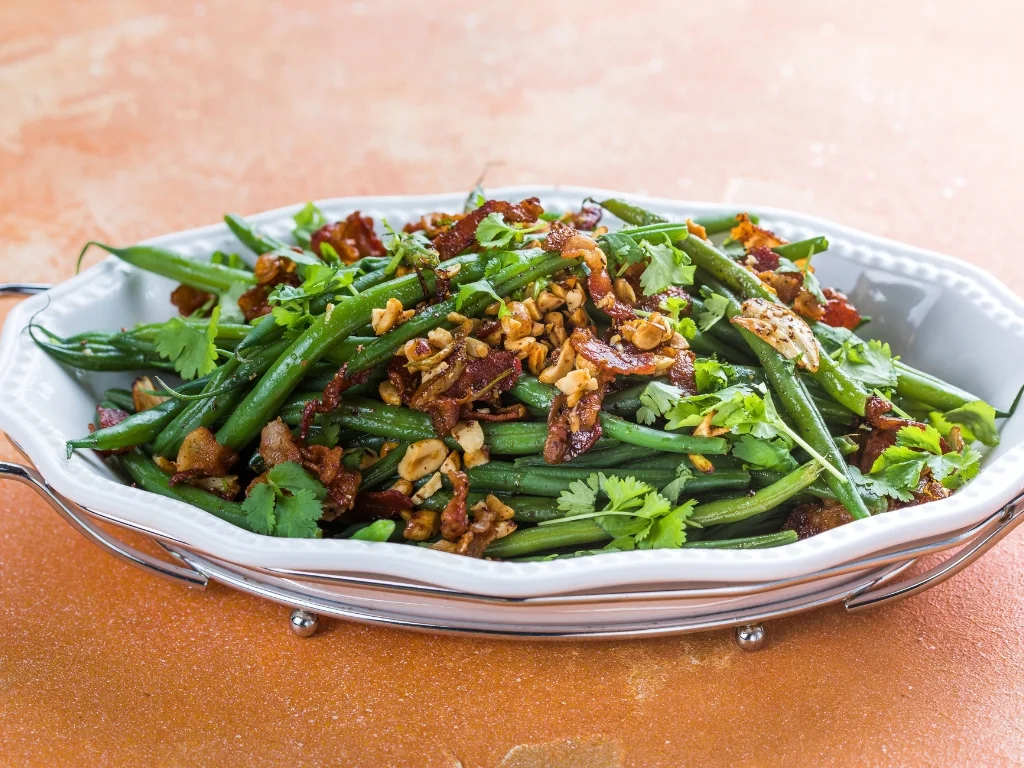
- Breakfast: Green beans with hazelnuts and dried cranberries
- Lunch: Low-potassium vegetable omelet (onions, mushrooms, bell peppers)
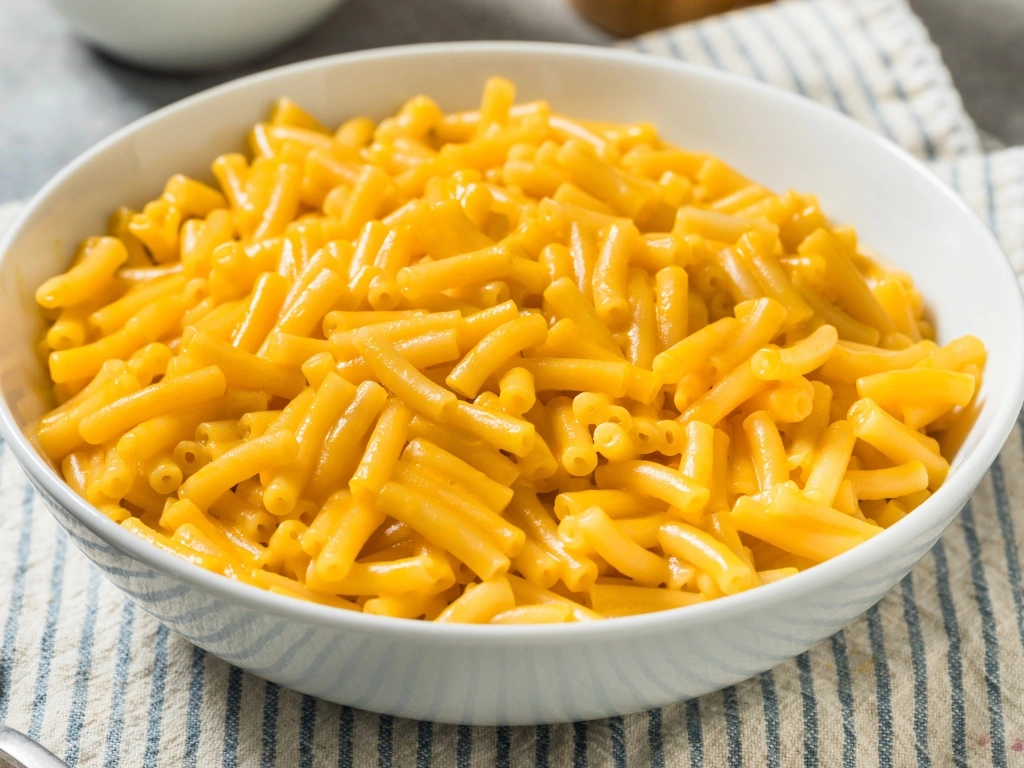
- Dinner: Kidney-friendly mac and cheese (a little sharp cheddar) with a cucumber-radish vinegar salad
- Snack: Crisp rice cereals
High-potassium foods to limit
Following a low-potassium diet is easier when you’re also aware of what foods to cut down on. Here are some high-potassium foods:
- Bananas
- Avocado
- Oranges and orange juice
- Melons, such as cantaloupe and honeydew
- Dried fruits, such as raisins, dates, and prunes
- White and sweet potatoes
- Fresh tomatoes and tomato products (tomato sauce, paste, etc.)
- Squash and pumpkin
- Cooked leafy greens
- Broccoli and Brussels sprouts
- Most nuts, seeds, and peanut butter
- Black beans, kidney beans, lentils, and lima beans
- Milk, yogurt, and ricotta cheese
- Bran cereals, granola, and whole-wheat bread
- Chocolates
- Salt substitutes containing potassium chloride (“lite” salts)
- Certain supplements, such as vitamin C in high doses and magnesium
Unless your healthcare provider has specifically advised strictly avoiding potassium, there’s really no need to swear off the foods above. Just be sure to enjoy them while staying mindful of portion sizes and preparation.
Build a kidney-friendly eating plan that works for you
Managing kidney health doesn’t necessarily require less potassium intake, but if your healthcare provider has advised you to do so, this doesn’t mean you have to give up flavors you enjoy.
With some thoughtful planning, substitutions, attention to portion size, and hands-on guidance from a dietitian specializing in kidney and liver health, a low-potassium diet can organically fit into your everyday life in ways that help support your kidneys.
At Health Loft, we help you build a realistic, sustainable nutrition plan specifically around your own needs, lab results, medications, preferences, and lifestyle — with strategies that are rooted in compassion and backed by science. Reach out to a Health Loft dietitian today to get started.
This article was reviewed by Katie Whitson, MS, RD, LD. It is intended for informational purposes only and does not replace personalized nutritional advice.