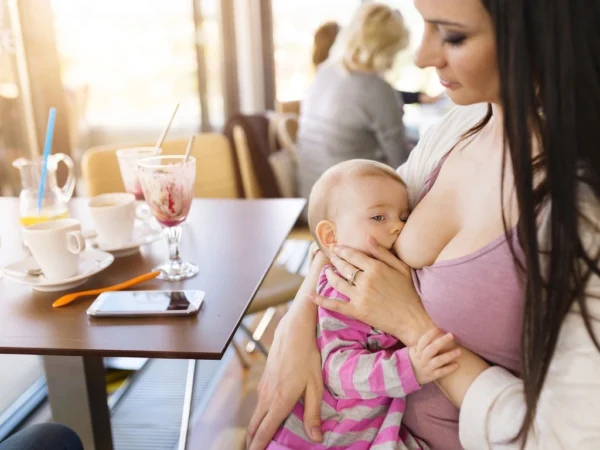









If you’ve just given birth and you find your stomach growling a good thirty minutes after a full meal, it’s not just you. For many new parents already adjusting to sleepless nights and a recovering body, this level of hunger may feel surprising (and even a little unsettling), but it’s definitely not uncommon.
Breastfeeding and hunger go hand in hand, and this guide demonstrates how you can navigate postpartum changes in appetite and keep your body properly nourished while nursing.

Does breastfeeding really make you hungrier?
Yes, breastfeeding and hunger are closely linked for most nursing parents. Producing breast milk takes a large amount of energy and nutrients, and your body signals that need through an increase in hunger.
That said, appetite changes tend to vary widely depending on the individual. Intense hunger doesn’t automatically mean you need to eat a specific amount of food. Some parents notice a dramatic uptick in hunger, and there are also cases when people barely notice any difference.
How breastfeeding and hunger are connected
Milk production is metabolically demanding. Here are the key factors that may play a role in how breastfeeding often causes hunger in nursing parents.
Higher calorie burn
When you’re nursing, you burn roughly 500 to 700 calories a day making milk. This means your body needs around 330 to 400 extra calories daily to keep up, depending on your activity level and whether you’re using breast milk as the only source of nourishment for your baby.
All of that energy must come from somewhere, so your body ramps up hunger signals to make sure you’re refueling properly.
Hormonal changes
Researchers have found that, during lactation, estrogen levels drop as prolactin (the hormone that triggers breast milk production) levels rise.
This drastic shift in hormones is what drives increased appetite and less fat-burning to help meet the demands of milk production. Essentially, your hunger during breastfeeding is a biological response primarily driven by your endocrine system doing its job well.
Other possible contributors
Hunger while breastfeeding isn’t only about your milk supply, either. A few other factors may contribute:
- Sleep deprivation, which is known to increase hunger hormones like ghrelin
- Postpartum recovery, since your body is healing tissue and rebuilding strength
- Hormonal shifts beyond estrogen and prolactin
- Stress, which can affect appetite in both directions
- Dehydration, which is easy to mistake for hunger when you’re focused on a feeding baby instead of your own thirst
Postpartum hunger tends to ebb and flow throughout the breastfeeding journey. Keep in mind that it looks different for every parent so try not to compare your experience to anyone else’s.
How to navigate postpartum hunger while breastfeeding: 4 tips from a dietitian
It’s normal to feel increased hunger during breastfeeding. Responding to it rather than ignoring or fighting it is one of the most supportive things you can do for your body right now. Here are some ways to do that:
1. Prioritize nutrient-rich foods
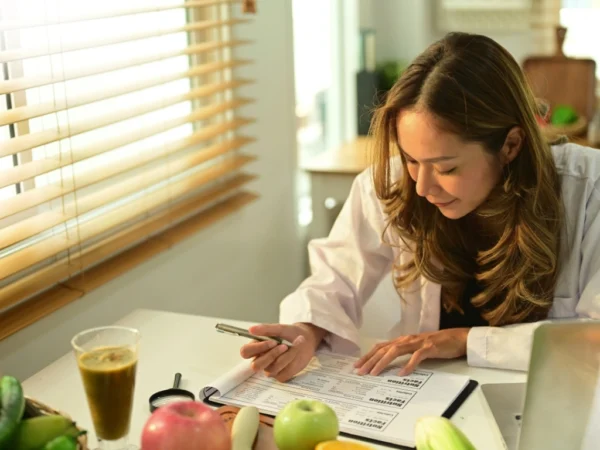
Breastfeeding increases your need for certain nutrients, so the quality of what you eat matters alongside getting enough food overall. While there’s no special diet recommended for nursing parents, it’s important to build meals and snacks around a variety of nutrient-dense foods, including lean protein, whole grains, fruits and vegetables, dairy (or fortified alternatives), and healthy fats.
Iodine and choline should be prioritized during lactation, as well as vitamins B12, folate, vitamin D, and vitamin A. Foods such as eggs, dairy, meat, seafood, legumes, and dark leafy greens can help provide these nutrients.
If you follow a vegetarian or vegan diet, you may need to pay closer attention to nutrients such as vitamin B12, iron, iodine, zinc, calcium, vitamin D, and omega-3 fats.
Some breastfeeding parents may benefit from taking a multivitamin or specific nutrient supplements, but whether you need one depends on your diet and health history. A registered dietitian can help you to determine what’s appropriate.
2. Understand cravings without guilt
Cravings are a common experience during postpartum. While they’re often viewed negatively, there’s no need to avoid them.
Try pairing whatever you’re craving with a more nutrient-dense food when it makes sense (for instance, eat fruit alongside chocolate if you’re craving the latter), or explore healthier alternatives (if you’re craving deep-fried chicken, consider fried mushrooms).
3. Choose foods that support steady energy levels
With a newborn, sitting down for three substantial meals every day isn’t always realistic. Eating smaller meals and snacks throughout the day can make it easier to respond to hunger as soon as those cues show up.
Keep simple, ready-to-eat options such as Greek yogurt, granola, whole-grain crackers, or hard-boiled eggs within reach, particularly in places where you regularly feed or hold your baby.
4. Stay hydrated throughout the day
Breastfeeding increases thirst, so hydration becomes a vital part of feeling well during this stage. Make it a habit to keep a water bottle within reach at each feeding session.
Beverages with caffeine or added sugar are fine in moderation, but water should still be your go-to. Hydration needs can change from person to person, so let thirst be your guide when determining how much fluid you need per day.
Haleigh Mann, MS, RDN, LDN, from Health Loft shares that a simple way to tell if you’re adequately hydrated is by your urine color. Aim for straw-colored or pale. The darker your urine is, the more your body is telling you it’s time to hydrate.
What not to eat while breastfeeding
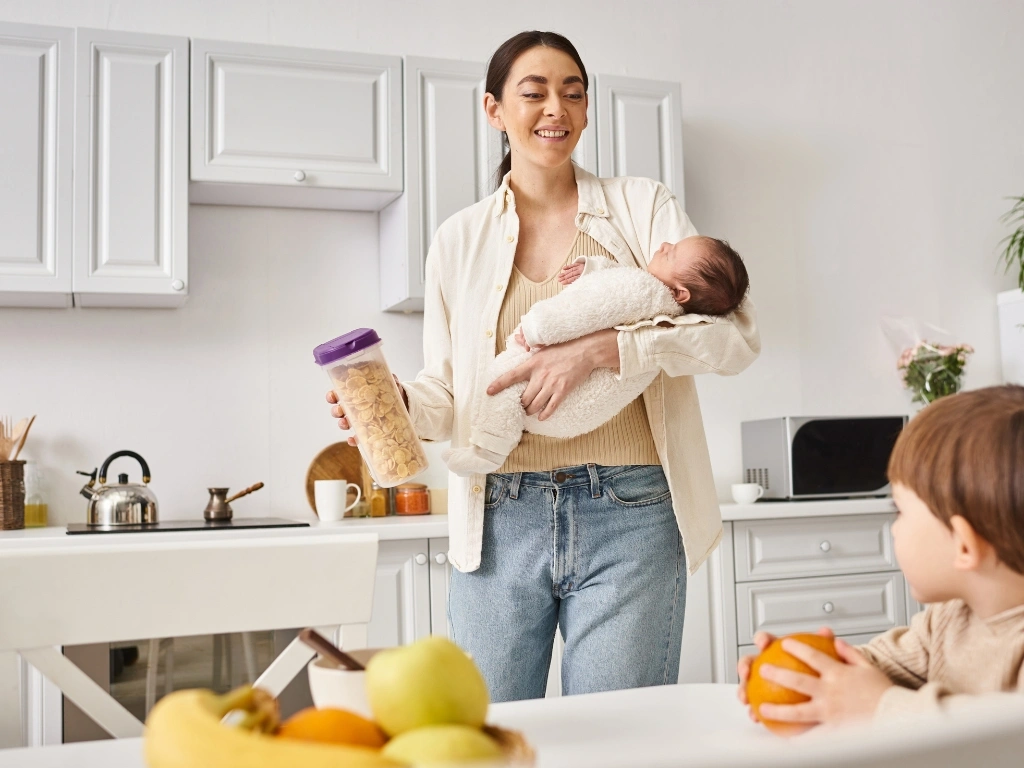
You don’t need to eliminate specific foods simply because you’re breastfeeding. In fact, unnecessary restrictions can make it harder to meet your own nutritional needs.
That said, there are a few exceptions. Seafood, for instance, is a nutritious source of protein and omega-3 fats, but some types contain high levels of mercury. Make sure to choose lower-mercury fish, such as salmon, shrimp, cod, and canned light tuna.
If you’re worried about your baby potentially developing food allergies from what you eat, such cases are actually quite rare, so there’s generally no need to worry. But if your baby shows symptoms, such as vomiting, diarrhea, blood or mucus in the stool, or a rash, consult their primary healthcare provider first before removing foods from your diet without medical guidance.
When does breastfeeding hunger stop?
There’s no set point when breastfeeding hunger stops. For some parents, appetite may slowly decline as your body gets used to breastfeeding, and feel a lot less hungry when your baby begins eating foods and nursing less often.
If your hunger feels extreme or persistent, even as your baby’s feeding patterns shift, it may be worth speaking with a healthcare professional. Symptoms such as dizziness, significant fatigue, or unintended weight loss deserve a closer look, so don’t automatically attribute them to breastfeeding.
Support your body through breastfeeding with a postpartum dietitian
Intense hunger while breastfeeding is often a normal response to the amount of energy and nutrients your body is using to nurture your newborn, as well as recover from pregnancy. Now is not the time to restrict yourself.
A postpartum-specialized registered dietitian from Health Loft can help you respond to your body’s needs accordingly, building a realistic nutrition plan around food options and strategies that contribute to your recovery.
Connect with a Health Loft dietitian today to support your body through this stage of life.
This article was reviewed by Haleigh Mann, MS, RDN, LDN. It is intended for informational purposes only and does not replace personalized nutritional advice.