









More often than not, keeping the heart healthy is hinged on small choices you make every day that, over time, build up into patterns, including the foods you eat on a regular basis.
That said, heart-friendly eating needs no complicated food selections. This article offers a sample seven-day menu for a cardiac diet built around foods you already know and enjoy — and designed to benefit not only people managing a diagnosed condition but anyone who wants to take care of their heart and reduce long-term risk.

Why diet matters for heart health
What you eat has a direct impact on how well your heart and blood vessels function. Your daily food choices influence several major cardiovascular risk factors, including, but not limited to:
- Cholesterol levels
- Blood pressure
- Body weight
- Blood sugar balance
- Inflammation
For example, diets high in saturated fats and trans fats can raise low-density lipoprotein (LDL) or “bad” cholesterol, which contributes to plaque build-up in the arteries. In the long term, this narrowing, known as atherosclerosis, can restrict blood flow to the heart. Too much salt can also push blood pressure higher, placing extra strain on the heart and blood vessels.
Eating a balanced diet rich in vegetables, fruits, whole grains, and healthy fats helps protect your cardiovascular system. These foods provide fiber, vitamins, and antioxidants that maintain healthy blood vessels and reduce harmful inflammation.
Of course, heart health isn’t dependent on individual meals, no matter how healthy. What matters more are long-term eating patterns. Choosing balanced meals over convenience foods, cooking at home when possible, and including more whole foods throughout the week are some simple ways to make your routine more supportive of heart health.
What is in a cardiac diet?
A cardiac diet focuses on foods that nourish the body while supporting healthy cholesterol levels, blood pressure, and circulation. Here are the main food groups highlighted in a cardiac diet:
Fruits and vegetables
Fruits and vegetables form the basis of a heart-friendly plate because they provide fiber, antioxidants, potassium, and other nutrients that support healthy blood vessels and help reduce inflammation. They are also naturally low in sodium and saturated fat, making them beneficial for blood pressure and cholesterol management.
Some options that can easily be included in meals and snacks — or may already be present in your daily rotation — are:
- Berries
- Cherries
- Oranges
- Apples
- Spinach
- Tomatoes
- Carrots
- Broccoli
- Bell peppers
Fresh produce is excellent, but frozen and canned options (without added salt or syrup) can be practical and budget-friendly alternatives. Aim for at least five servings daily, and choose whole fruit over juice for more fiber and steady energy.
Whole grains
Whole grains provide complex carbohydrates and dietary fiber that can help lower LDL cholesterol, stabilize energy levels, and improve fullness after meals. Unlike refined grains, whole grains retain nutrient-rich parts of the grain that contain vitamins, minerals, and fiber.
Examples of heart-friendly grain choices are:
- Steel-cut or rolled oats
- Brown rice
- Quinoa
- Barley
- Whole wheat bread
- Whole-grain pasta
Incorporating these usually just takes simple swaps, such as replacing white rice with brown rice or choosing oatmeal instead of sugary breakfast cereals.
Lean proteins
Protein is an important part of a balanced cardiac diet, but choosing lean and minimally processed sources is key. Reliable options that support heart health while helping maintain muscle and energy levels are:
- White fish
- Skinless poultry
- Beans
- Lentils
- Tofu
- Eggs
- Nuts
- Seeds
- Low-fat dairy products
Plant-based protein sources, in particular, offer the extra advantage of fiber, making them especially supportive for both heart health and digestion. Studies even suggest that eating more plant proteins than animal proteins may be better for the heart, though more extensive research is needed to strengthen the claim further.
How you prepare your proteins also matters when it comes to heart health. Grilling, baking, steaming, or roasting are generally better options than deep frying.
Heart-healthy fats
Unsaturated fats play an important role in heart protection, as they help improve cholesterol balance. These are found in sources like:
- Olives and olive oil
- Avocados and avocado oil
- Nuts and seeds (including butter and oil variations)
- Vegetable oils
- Fatty fish, such as salmon, tuna, and anchovies (contain omega-3 fatty acids, which are largely associated with cardiovascular and metabolic health)
These healthier fats are more flavorful and satisfying replacements to saturated and trans fats found in processed snacks, butter, and fried foods — both of which can be detrimental to the heart.
Sample 7-day menu for a cardiac diet
This seven-day cardiac diet menu is designed as a practical example of what balanced, heart-conscious eating can look like using familiar everyday foods.
Meals can be adjusted based on your personal preferences, cultural restrictions, food tolerance, appetite, or medical advice. Many of these dishes can also be swapped or repeated throughout the week.
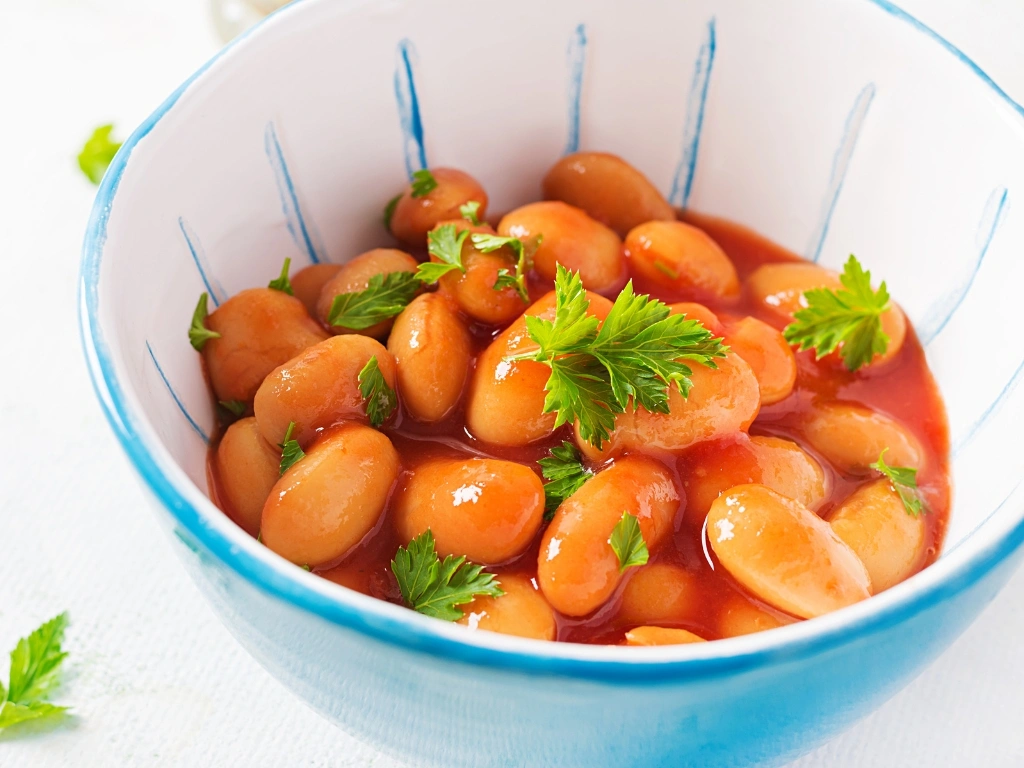
Day 1
- Breakfast: Savory beans in tomato with parsley
- Lunch: Chicken salad with leafy greens
- Dinner: Oven-roasted Dijon salmon over brown rice and vegetables
- Snack: Multi-color fruit bowl
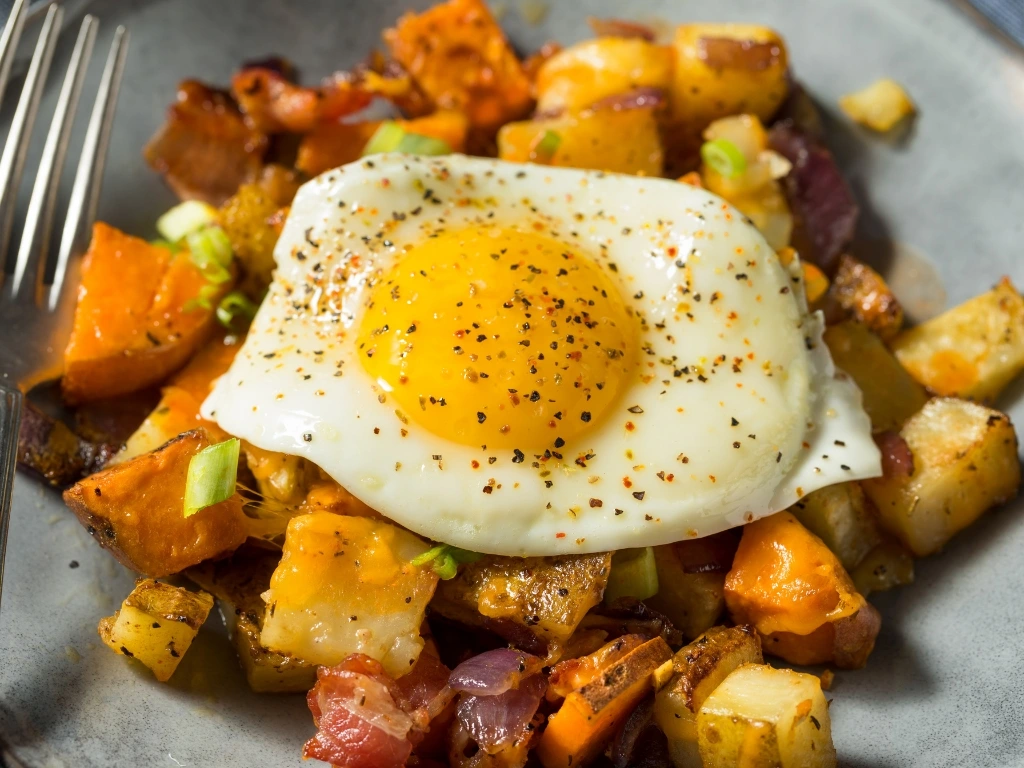
Day 2
- Breakfast: Sweet potato breakfast hash with poached egg
- Lunch: Lentil soup with whole wheat bread
- Dinner: Grilled chicken with steamed vegetables and quinoa
- Snack: Layered berry and banana yogurt parfait
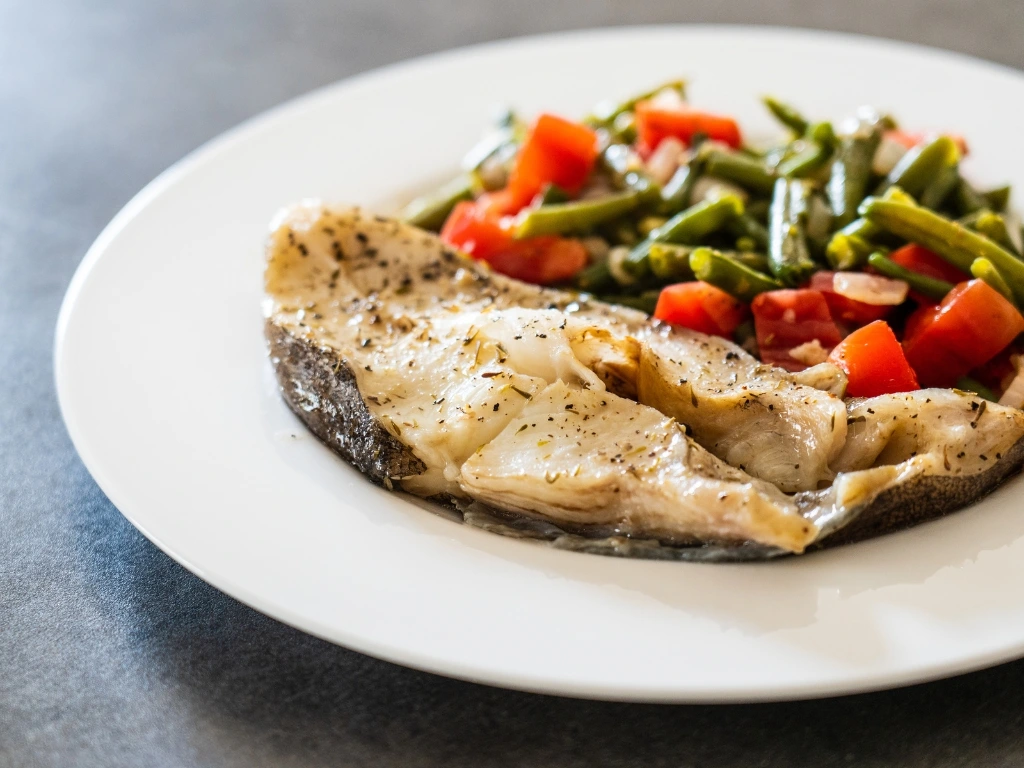
Day 3
- Breakfast: Whole-wheat English muffin, low-fat cottage cheese, and an orange
- Lunch: Savory pink beans over rice
- Dinner: Baked tilapia with tomatoes, green beans, and whole-grain dinner roll
- Snack: Avocado salsa with whole-grain crackers
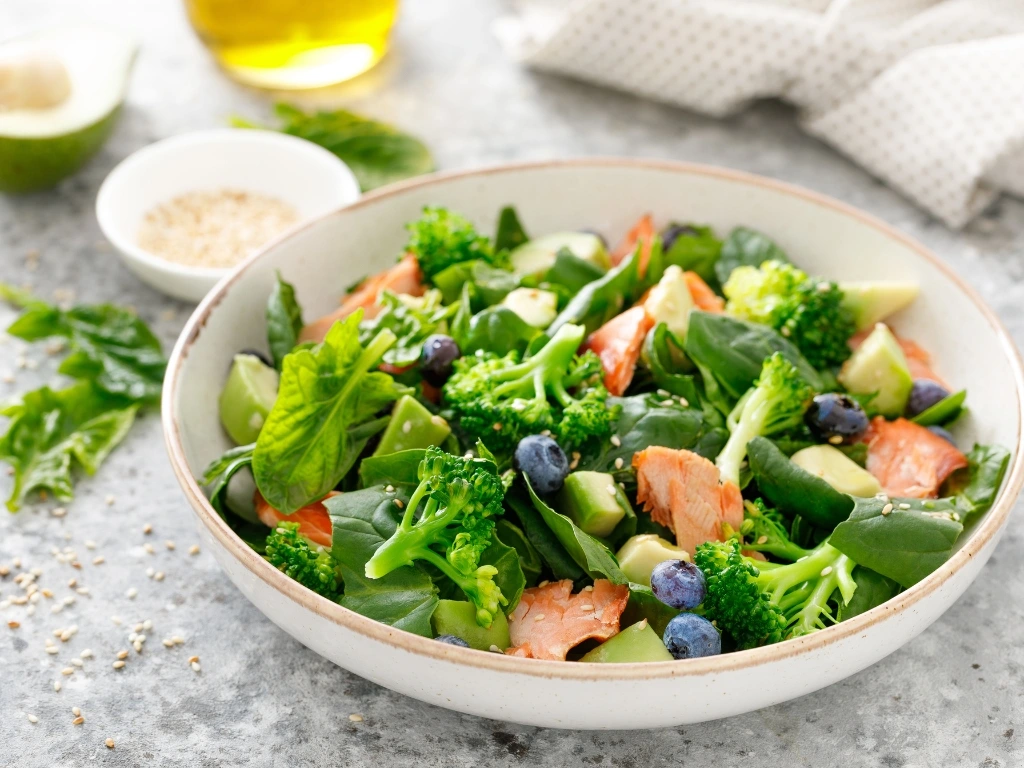
Day 4
- Breakfast: Tropical smoothie bowl
- Lunch: Flaked Pacific salmon and greens salad with berries
- Dinner: Braised vinegar-soy chicken (adobo style) with steamed brown rice
- Snack: Strawberry, orange, and banana smoothie
Day 5
- Breakfast: Whole-grain pancakes with berry reduction
- Lunch: Minestrone soup
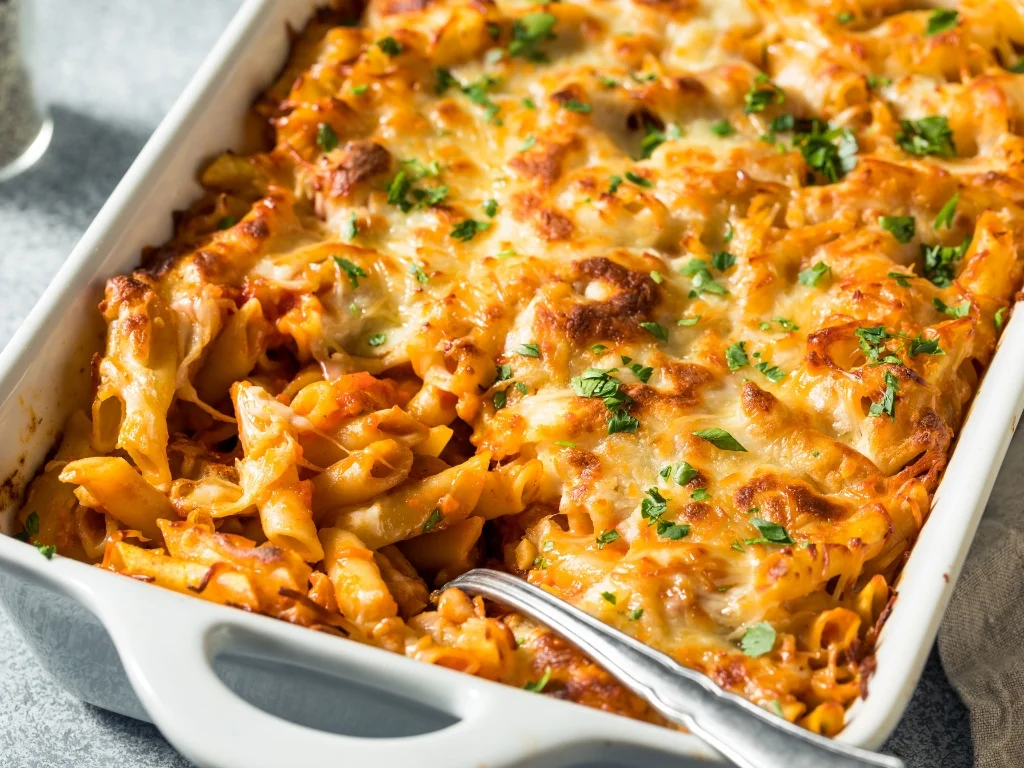
- Dinner: Turkey bolognese pasta bake
- Snack: Apples with nut butter
Day 6
- Breakfast: Zesty pepper and avocado morning quiches
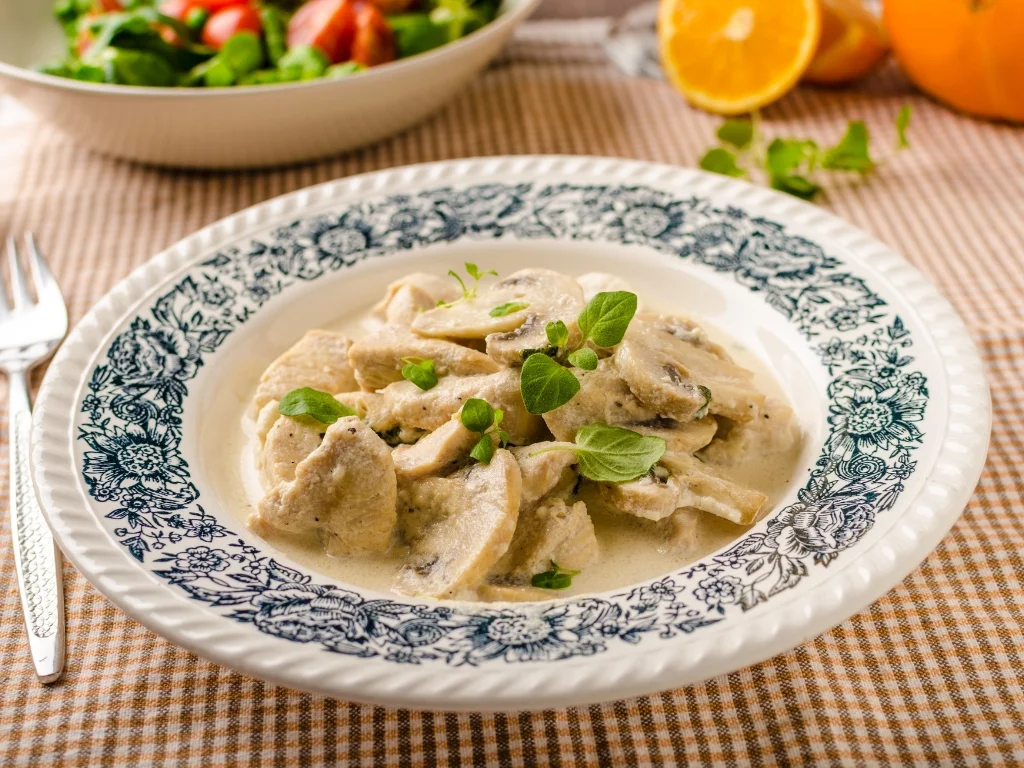
- Lunch: Chicken and mushroom fricassee with greens
- Dinner: Grilled tuna with a Mediterranean chickpea base
- Snack: Maple-glazed spiced pecans

Day 7
- Breakfast: Wrap with scrambled eggs, red peppers, and salsa in a high-fiber tortilla
- Lunch: Cuban-style ground chicken hash
- Dinner: Oven-braised cod with leeks and seasonal veggies
- Snack: Rainbow fruit kebabs
Personalize your cardiac diet with a registered dietitian from Health Loft
Eating for heart health doesn’t mean you have to give up on foods you enjoy. More than simply following a seven-day cardiac diet menu like the one we’ve shared above, your goal should be to build sustainable eating patterns that support your heart and fit realistically into your daily life.
When these habits become part of your routine, they can help lower long-term risk while still allowing flexibility and enjoyment in meals. Registered dietitians play an important part in making this process more practical and personalized.
At Health Loft, our dietitians with expertise in cardiac nutrition go beyond providing generic advice on foods to eat. We instead help you apply evidence-based guidance to real life in ways that align closely with your health needs, routines, and preferences. This individualized support can be especially valuable if you’re managing specific medical concerns or looking for guidance on building the right diet after a heart attack.
Make heart-healthy eating more achievable with hands-on support from a Health Loft dietitian.
This article was reviewed by Adrienne DePaul, MS, RDN. It is intended for informational purposes only and does not replace personalized nutritional advice.