








If you find yourself at higher risk for colon cancer, it’s normal to feel compelled to make changes to what you eat. Colorectal cancer is one of the most preventable cancers when found early, and while no single food causes or prevents cancer, diet is one of several lifestyle factors that can influence colorectal cancer risk.
One way to start is by learning about the foods you can avoid to lower your risk of colon cancer, along with foods that may help protect colon health.

How does diet affect colorectal cancer?
Food does not directly cause colorectal cancer. However, the type of foods you eat may influence your risk of colorectal cancer by directly affecting your gut bacteria, digestion, and exposure to substances that can damage cells over time.
Research suggests that long-term eating patterns, including regularly consuming red meats, processed meats, sugar, alcohol, and ultra-processed foods while eating too little fiber, may promote obesity and chronic inflammation in the intestines, both of which contribute to a higher risk of colorectal cancer.
On the other hand, a healthier diet focused on fiber, whole grains, fruits, and vegetables may be more protective, as it delivers specific nutrients that aid gut health and help lower overall cancer risk.
That said, diet alone isn’t enough to prevent or lower colorectal cancer. According to the American Cancer Society, screening can detect precancerous polyps before they become cancerous, making early detection a key part of prevention.
8 foods to avoid to lower colon cancer risk
The following foods don’t cause colorectal cancer directly, though there’s evidence suggesting that they contribute to increasing the risk.
You don’t have to view these foods as completely off-limits. Instead, think of them as foods to enjoy in moderation while making room for more nutrient-rich choices. Overall eating patterns over many years play a much larger role than any one meal or ingredient.
1. Red meat
According to the American Institute for Cancer Research, eating large amounts of red meat, such as beef, pork, and lamb, may result in a higher risk of colorectal cancer. Red meat contains higher amounts of heme iron, which researchers are looking into for its role in colorectal cancer development.
Rather than eliminating red meat entirely from your diet, you can reduce reliance on it by incorporating leaner protein sources such as poultry, fish, beans, or lentils into your meals.
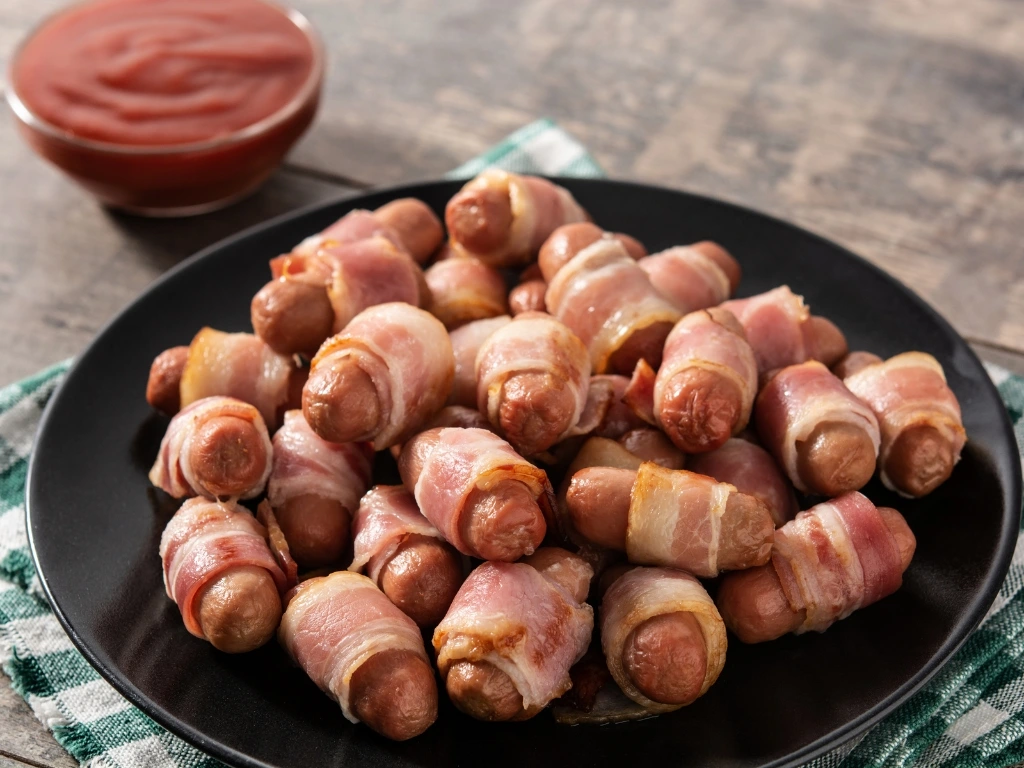
2. Processed meat
Processed meats, including bacon, hot dogs, sausage, ham, and deli meats, have been consistently linked with an increased risk of colorectal cancer, particularly when consumed frequently.
Consider enjoying these foods occasionally and choosing alternatives like roasted chicken, turkey, canned tuna, or homemade lean meats more often.
3. Fried foods
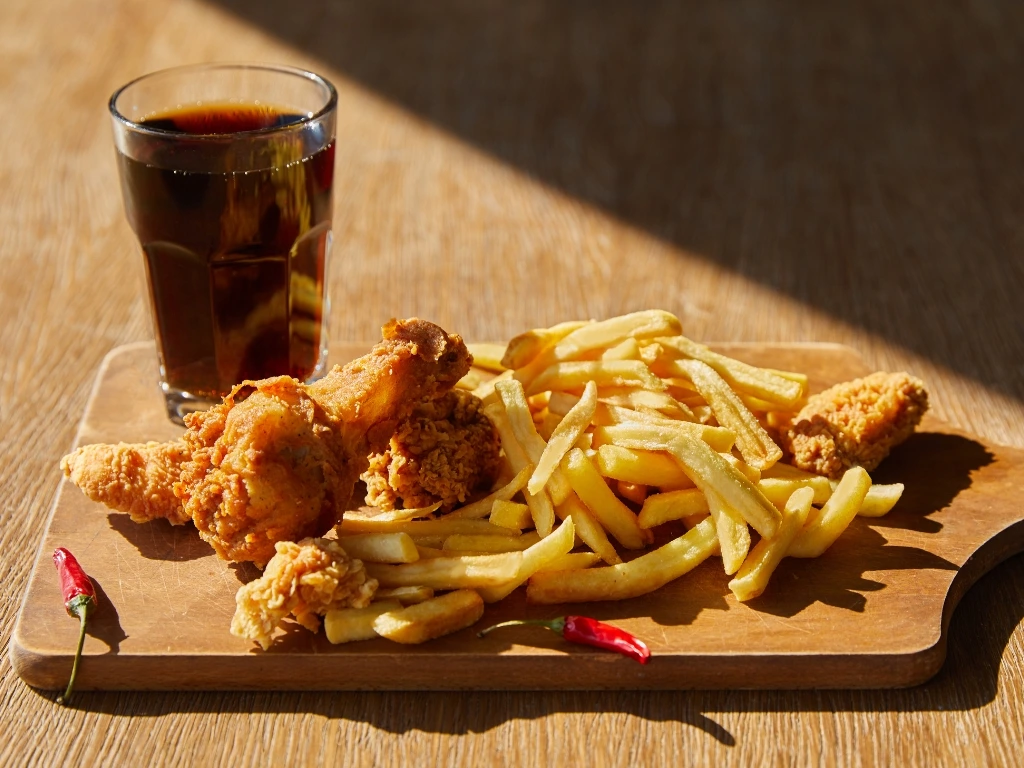
Fried foods tend to be higher in calories and fat and may contribute to inflammation and weight gain when eaten frequently. Since maintaining a healthy weight is one factor associated with colorectal cancer risk, it can be helpful to enjoy fried foods in moderation.
Baking, roasting, grilling without charring, or air frying can offer similar flavors while using less oil.
4. Sugary drinks and foods high in added sugar
Foods and drinks high in added sugars do not directly cause colorectal cancer. However, regularly consuming them in large amounts may contribute to excess weight, which is a known risk factor.
Swapping soda for sparkling water or unsweetened tea is one simple way to reduce added sugar.
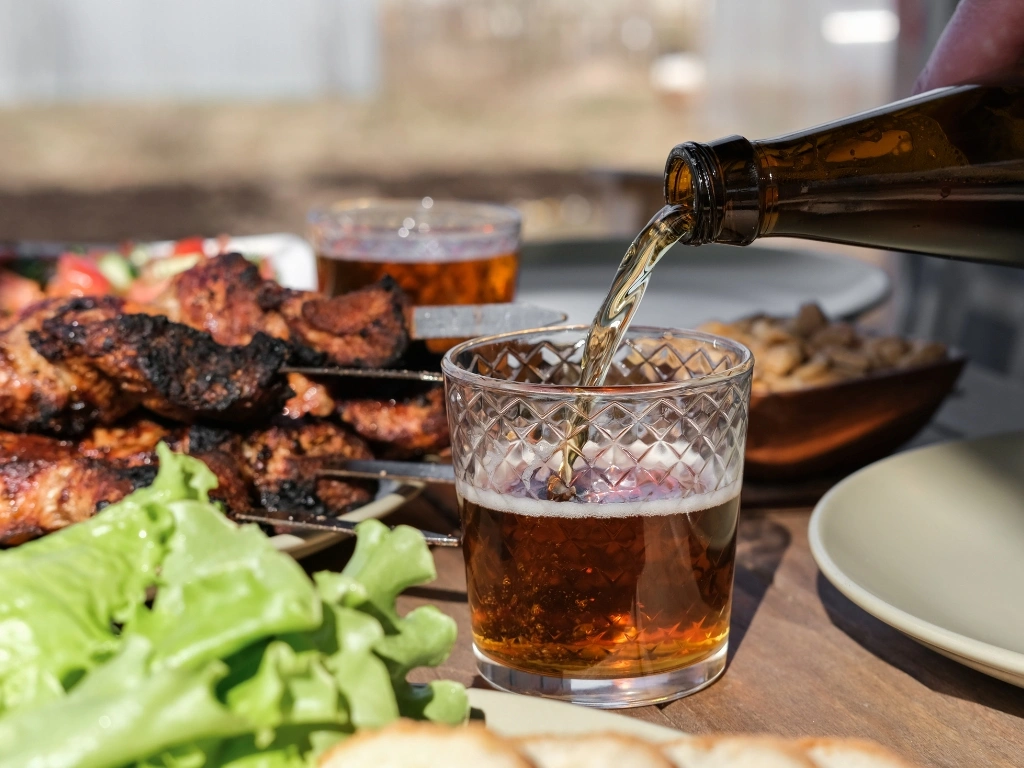
5. Alcohol
Alcohol consumption has been linked to an increased risk of several cancers, including colorectal cancer. The risk generally tends to rise with higher levels of alcohol intake.
If you drink alcohol, staying within recommended limits or cutting back may help reduce your overall cancer risk.
6. Charred or heavily grilled meats
Cooking meat at very high temperatures, especially until it’s heavily charred, can create compounds called heterocyclic amines (HCAs) and polycyclic aromatic hydrocarbons (PAHs). These compounds have been studied for their potential role in cancer risk.
Marinating meat before cooking, avoiding excessive charring, and using lower-temperature cooking methods may help reduce their formation.

7. Refined grains and white flour products
Foods made primarily from refined flour, such as white bread, pastries, and many packaged snack foods, typically contain less fiber than whole-grain alternatives. Fiber helps support digestive health, and studies suggest that higher intake may lower the risk of colorectal cancer.
Choosing whole-grain bread, brown rice, or oatmeal more often can help increase your fiber intake.
8. Convenience items
Similar to processed meats and sugary foods and drinks, convenience foods like ready-to-eat meals, mass-produced baked goods, packaged snacks, candy bars, and bagged potato chips are considered “ultra-processed.” This means they often contain added sugars, refined grains, saturated and/or trans fats, higher amounts of sodium, and additives like artificial flavors and preservatives.
While enjoying these foods in moderation is unlikely to determine your health, building your regular diet around them may crowd out more nutritious, fiber-rich foods. Whenever possible, preparing simple meals at home with whole foods can help improve overall diet quality.
What to eat instead to lower colon cancer risk
While there are foods best limited to lower colon cancer risk, there’s no single answer to what you should eat instead. Whatever works for someone else may not necessarily work the same way for you.
Still, experts consistently encourage eating patterns rich in fiber, fruits, vegetables, whole grains, and minimally processed foods that help support digestive health.
Consider including more of these foods:
- High-fiber foods (whole grains, legumes, and fresh produce) – Fiber helps waste pass through the colon more quickly.
- Lean proteins (fresh fish, poultry, beans, and tofu) – These provide quality protein without the harmful compounds found in red and processed meats.
- Non-starchy vegetables (broccoli, cabbage, kale, and spinach) – These foods are also high in fiber while providing phytonutrients that may help prevent many types of cancer.
- Calcium-rich foods (low-fat milk, yogurt, and other dairy products) – Calcium is believed to prevent colon cancer by binding to irritating acids in the gut, keeping them from damaging the gut lining.
- Vitamin D-rich foods (fatty fish, fish liver oils, fortified foods) – Vitamin D improves the absorption of calcium.
A balanced, nutrient-dense diet may help avoid colorectal cancer if used as part of a broader healthy lifestyle.

Other lifestyle factors that affect colon cancer risk
Lowering your colorectal cancer risk doesn’t end with improving the quality of your diet. You can support your overall health through other lifestyle changes, such as:
- Staying physically active most days of the week. The National Cancer Institute reports that people who engage in exercise have a 19% lower risk of colon cancer than those who do not.
- Maintaining a weight that’s appropriate for your body and health needs. Excess body fat drives chronic inflammation and increases levels of insulin that may stimulate cancer cell growth.
- Avoiding smoking and limiting alcohol intake. Both can significantly increase the risk of colorectal cancer. Smoking speeds up the growth of cancer cells, while alcohol breaks down into toxic chemicals that disrupt healthy gut bacteria.
- Keeping up with recommended colorectal cancer screening. This may include colonoscopies when appropriate.
Your personal risk also depends on factors such as age, family history, and certain medical conditions. Talk with your healthcare provider about when you should begin screening and whether additional preventive steps are appropriate for you.
Make healthier food choices with support from Health Loft
Learning about foods to avoid for colon cancer prevention is a positive step toward supporting your long-term health, but it’s only one piece of the bigger picture. What matters most is the overall pattern of your eating habits, not whether every meal is perfect.
If you’re looking for personalized guidance on building a balanced eating plan or making sustainable dietary changes, a registered dietitian specializing in cancer nutrition can help. At Health Loft, our experts provide practical, evidence-based nutrition advice tailored to your health goals, preferences, and lifestyle.
Whether you’re focused on cancer prevention, improving digestive health, or simply looking to build healthier habits, we’re here to support you. Connect with Health Loft today to create a nutrition plan that works for you.
This article was reviewed by Katie Whitson, MS, RD, LD. It is intended for informational purposes only and does not replace personalized nutritional advice.