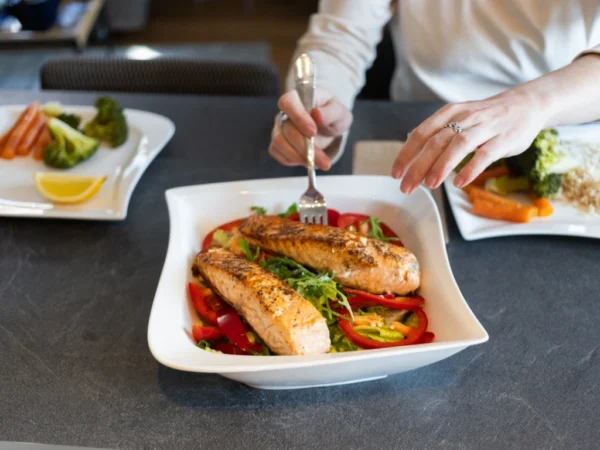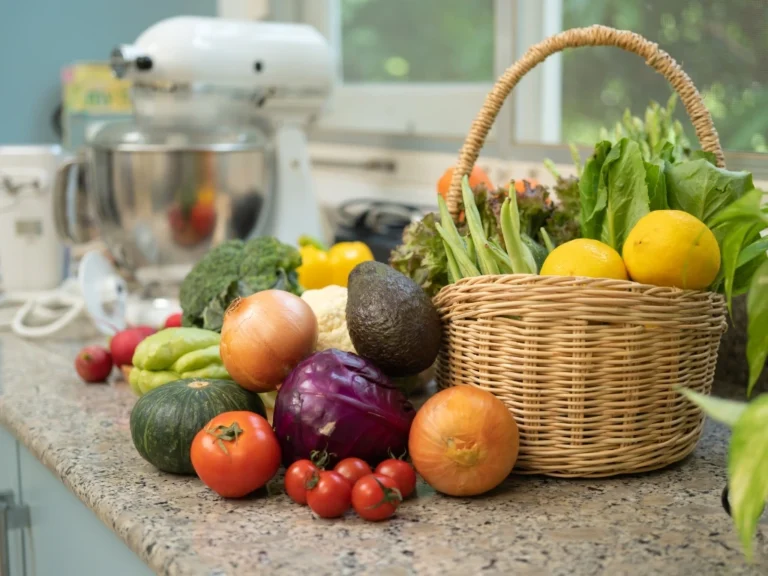









Liver cancer and its treatments can affect eating in ways that are often unpredictable. Appetite may decrease, digestion may feel more sensitive, certain foods may suddenly taste different, and preparing meals may take more effort than usual due to fatigue.
These changes are common during treatment, and the challenge is to build a balanced liver cancer diet that helps you stay nourished in ways that are realistic for you, while supporting your strength, hydration, energy, and overall liver health as your body recovers.

Why nutrition needs may change during liver cancer treatment
Treating liver cancer through chemotherapy, radiation therapy, or surgery can affect how the body digests, processes, and even tolerates food. This may lead to changes in nutrition needs throughout treatment and during recovery.
However, these changes tend to vary widely from person to person. Some individuals continue eating relatively normally, while others need to adjust portion sizes, meal timing, textures, or food choices more often.
Treatment side effects may reduce food intake
Cancer treatments may cause side effects like nausea, fatigue, dry mouth, taste changes, or early fullness, all of which may make eating feel more difficult.
Even mild symptoms can lower food intake over time, especially if meals become physically uncomfortable or tiring.
Changes in liver function may affect digestion
The liver helps process nutrients, metabolize fats, and support digestion. When liver function changes, some people notice bloating, discomfort after eating, or difficulty tolerating richer meals.
Heavier foods may sometimes feel less comfortable than lighter or simpler meals.
Maintaining muscle can become more difficult
When appetite drops or food intake becomes inconsistent, maintaining muscle mass may become more challenging during treatment.
This is one reason nutrition professionals often encourage regular meals and adequate protein intake throughout treatment whenever possible.
Food preferences and tolerances may shift frequently
Foods that sounded appealing earlier in treatment may suddenly feel unpleasant later on. Tastes, smells, textures, temperatures, and seasoning levels can all affect tolerance.
For some individuals, colder meals or softer foods may feel easier to eat during periods of nausea or fatigue.
There is no single liver cancer diet that works for everyone. Still, certain foods are often easier to tolerate and may help support nourishment during treatment.
7 foods to eat during liver cancer treatment
Many of the best foods to eat with liver cancer are foods that help support calorie intake, hydration, protein needs, and overall nourishment without placing unnecessary stress on digestion.
These foods are not treatments or cures for liver cancer. Instead, they are practical options that may help support strength and overall well-being during treatment. In many cases, the most helpful foods are the ones you can eat consistently and comfortably.
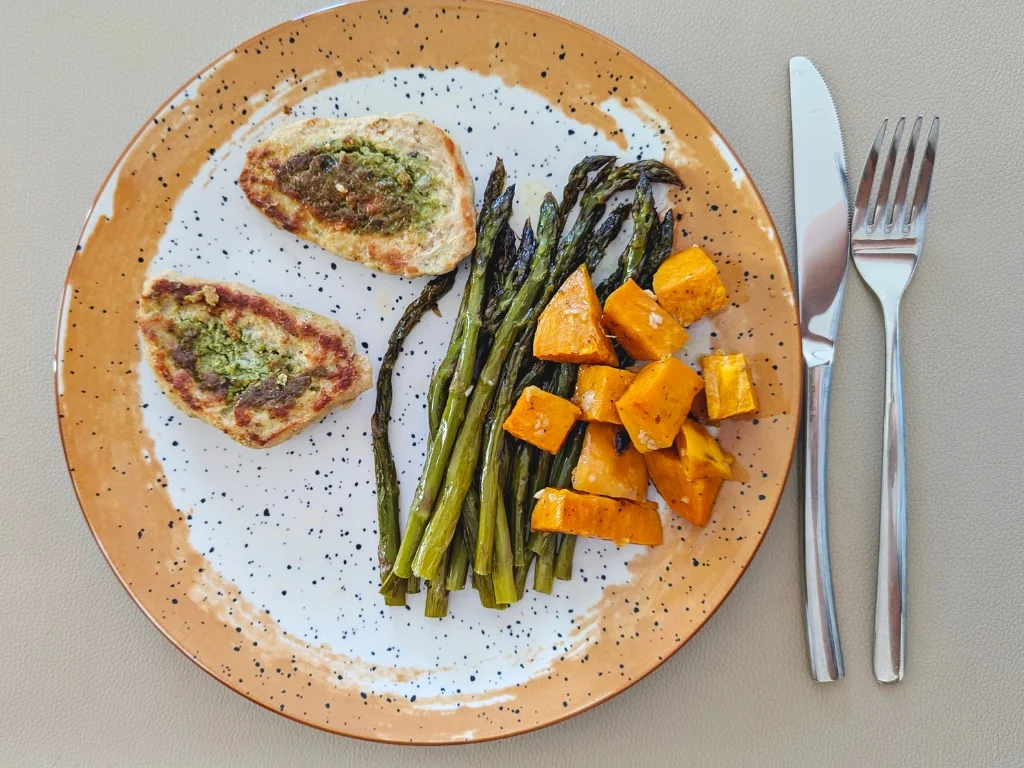
1. Lean protein sources
Protein may help support tissue repair, immune function, and muscle preservation during treatment.
Some lean proteins you can include in your liver cancer diet are:
- Eggs
- Skinless chicken
- White fish
- Greek yogurt
- Tofu
- Turkey
- Cottage cheese
Here are practical ways to prepare these choices:
- Add diced chicken to pasta or rice dishes
- Use Greek yogurt in smoothies or parfaits
- Prepare fish baked or steamed instead of fried
- Keep boiled eggs available for quick meals or snacks
Protein needs can vary depending on liver function and overall medical status, so some individuals may need more personalized guidance from their healthcare team.
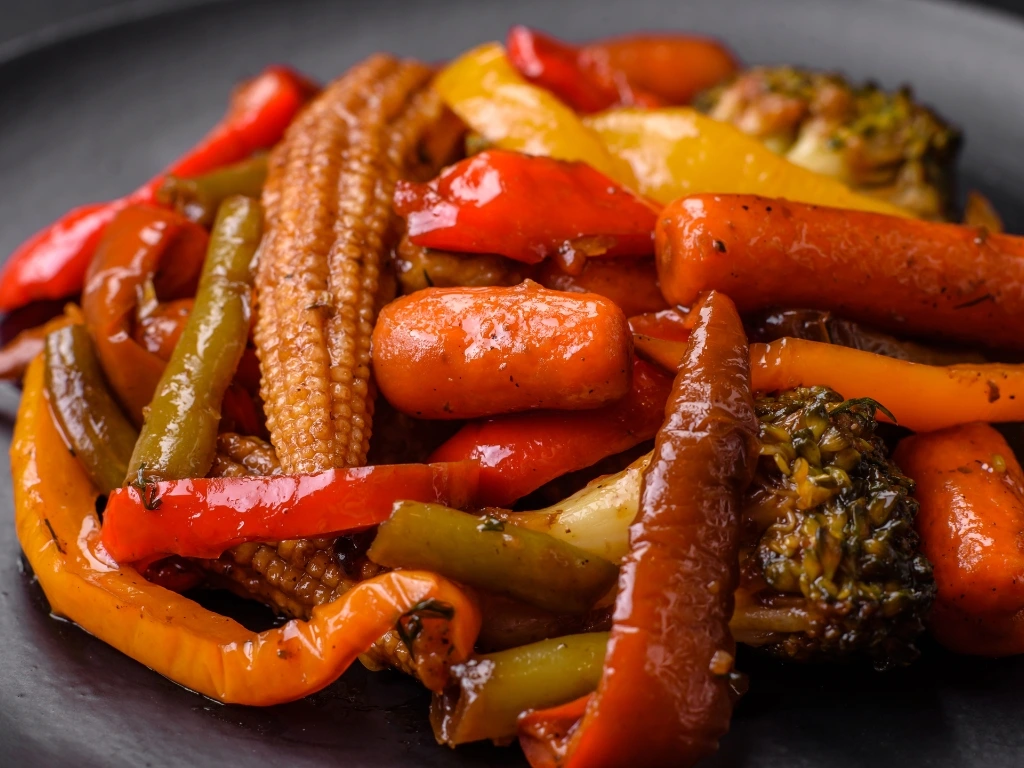
2. Cooked vegetables and softer produce
Vegetables and fruits provide vitamins, minerals, fluids, and fiber that support overall health during treatment.
Some people find cooked fruits and vegetables easier to digest than raw produce, especially when their stomach feels more sensitive during treatment.
Some produce options you can include in your liver cancer diet are:
- Cooked carrots
- Zucchini
- Squash
- Green beans
- Blueberries
- Pears
- Peaches
- Applesauce
Here are practical ways to prepare these choices:
- Roast or steam vegetables until soft
- Blend fruits into smoothies
- Add cooked vegetables to soups or grain bowls
- Choose canned fruit packed in juice if fresh fruit feels difficult to prepare
Softer textures may feel easier to tolerate during periods of fatigue or nausea.

3. Energy-supporting carbohydrates
Carbohydrates provide fuel for the body and may help support energy levels during treatment.
Some carbs you can include in your liver cancer diet are:
- Rice
- Oats
- Pasta
- Sweet potatoes
- Whole-grain cereal
- English muffins
- Pretzels
Here are practical ways to prepare these choices:
- Pair oatmeal with fruit and yogurt
- Add rice to broth-based soups
- Use toast or crackers during periods of nausea
- Prepare pasta with olive oil and lean protein for an easy meal
Sometimes bland or familiar carbohydrates feel easier to eat during treatment-related digestive symptoms.
4. Foods with healthy fats
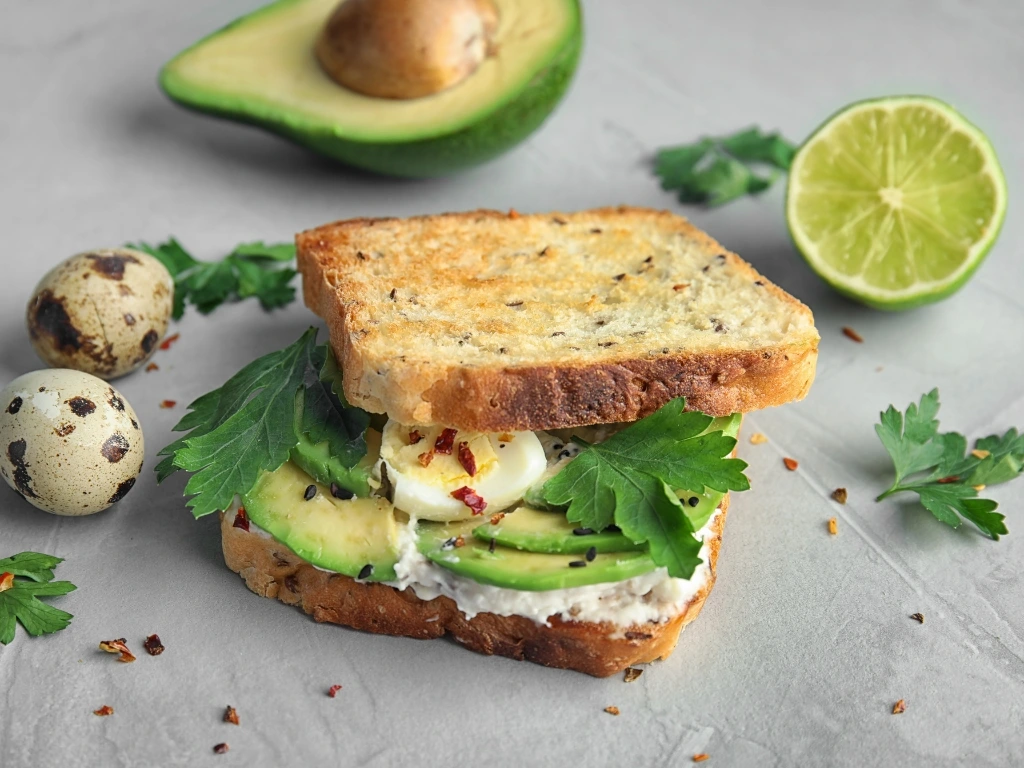
Healthy fats, if tolerated, can help increase calorie intake without requiring large meal portions. This can be especially helpful if appetite is low.
Some healthy fat sources you can include in your liver cancer diet are:
- Avocados
- Olive oil
- Walnuts
- Almond butter
- Chia seeds
- Fatty fish
Here are practical ways to prepare these choices:
- Add avocado slices to sandwiches or wraps
- Mix chia seeds into yogurt or cereal
- Use olive oil in grain bowls or roasted vegetables
- Spread nut butter onto toast or fruit slices
Small additions of healthy fats can help meals feel more filling and nourishing.
5. Hydrating foods and beverages
Staying hydrated may support digestion, circulation, and overall comfort during treatment.
Some hydrating choices you can include in your liver cancer diet are:
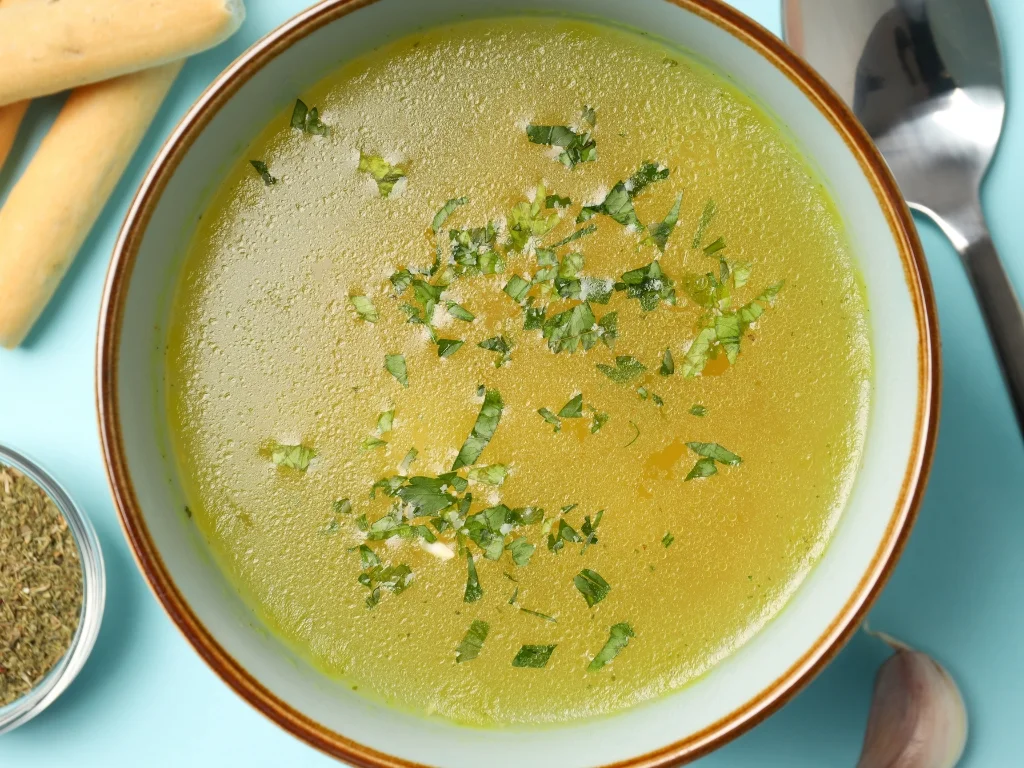
- Broth-based soups
- Smoothies
- Electrolyte beverages
- Herbal tea
- Watermelon
- Cucumbers
Here are practical ways to prepare these choices:
- Sip fluids throughout the day instead of drinking large amounts at once
- Try chilled drinks if room-temperature beverages feel unappealing
- Include foods with higher water content during lower-appetite days
Hydration needs can vary depending on symptoms, medications, and treatment type.
6. Mild foods during nausea or digestive discomfort
Some foods may feel gentler during periods of nausea, stomach discomfort, or taste changes.
Some mild foods you can include in your liver cancer diet are:
- Plain noodles
- Rice porridge
- Dry cereal
- Bananas
- Toast
- Mashed potatoes
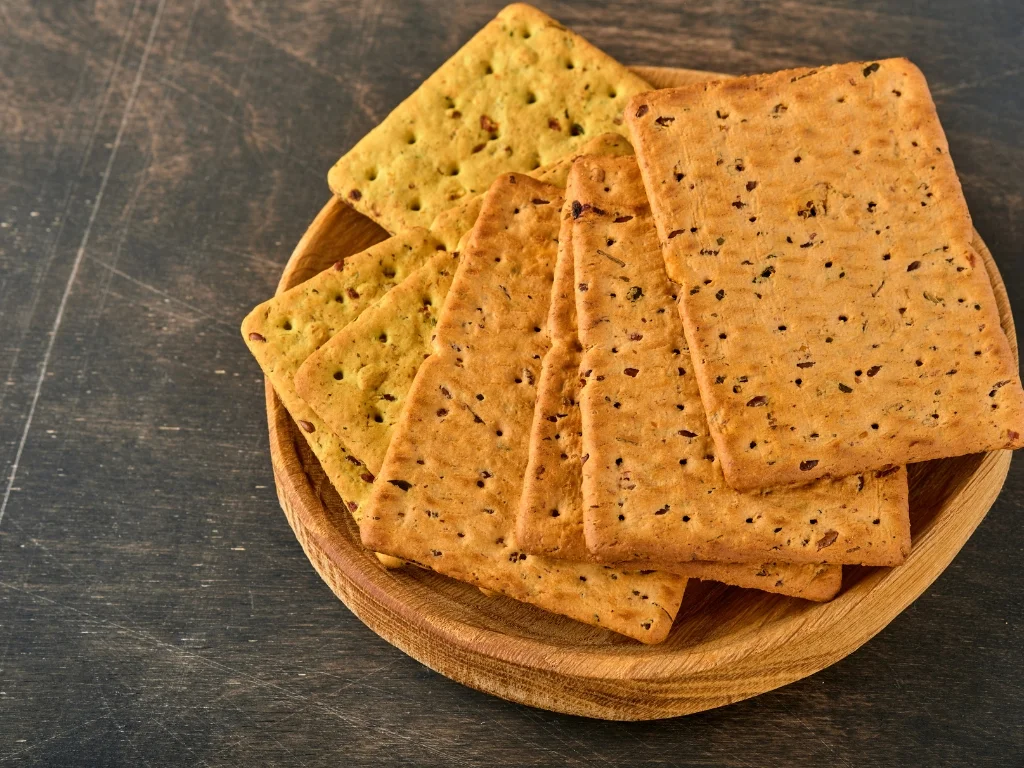
- Plain crackers
Here are additional tips for when symptoms are prominent:
- Eat slowly and in smaller portions
- Avoid overly greasy or heavily seasoned foods if they worsen symptoms
- Try cold meals if cooking smells trigger nausea
7. Convenient foods for low-energy days
Fatigue can make grocery shopping, meal prep, and cooking feel exhausting. Keeping simple foods available can help reduce the pressure around meals.
Some convenient foods you can include in your liver cancer diet are:
- Rotisserie chicken
- Frozen vegetables
- Instant oatmeal
- Yogurt cups
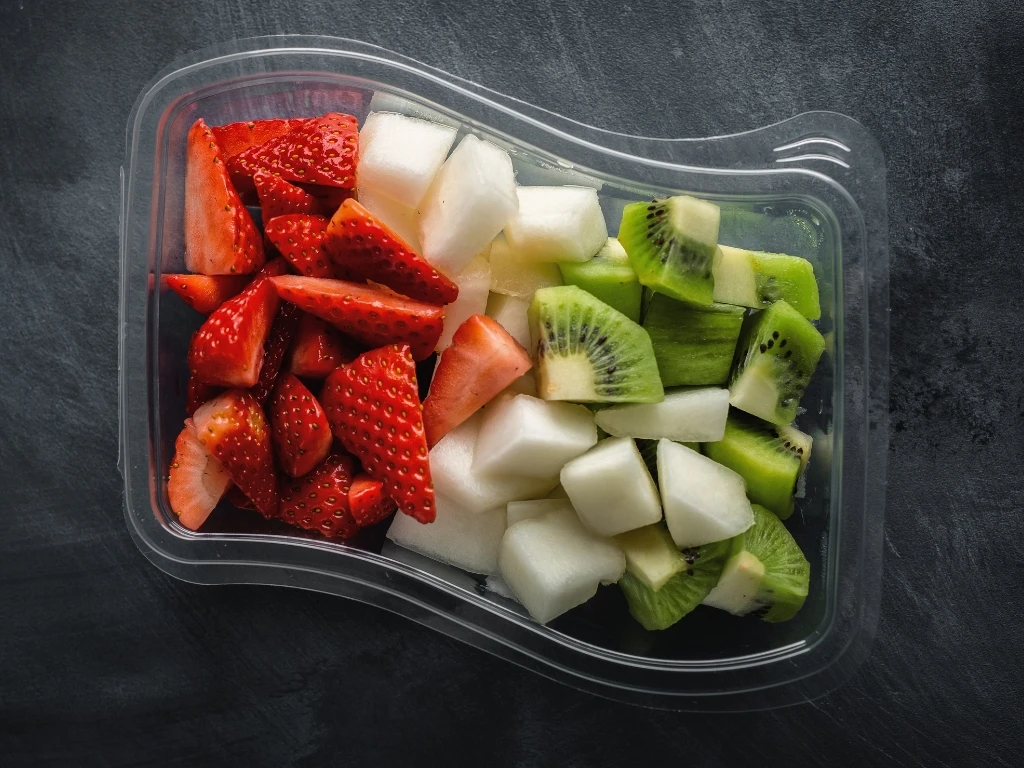
- Pre-cut fruit
- String cheese
- Ready-to-drink smoothies
Convenient options can still be part of a balanced liver cancer diet, especially when energy levels fluctuate.
Foods to limit or avoid for better liver health
Since cancer may impact the liver’s role in digestion, certain foods and products may be worth limiting upon receiving a liver cancer diagnosis, as well as after treatment to prevent cancer recurrence.
While recommendations may depend largely on your liver function, symptoms, medications, and guidance from your healthcare team, here are some common foods to avoid or limit:
- Alcohol
- Deep-fried foods
- Red meats, such as pork or beef
- High-sodium foods, such as processed meats (especially if managing fluid retention or swelling)
- Refined sugars and grains
- Full-fat dairy products
- Uncooked or undercooked eggs, meat, or seafood (higher risk of infection during treatment)
- Reused cooking oils
It is also important to speak with your medical team before starting supplements or herbal products marketed for “liver cleansing” or cancer support. Some may interfere with medications or affect liver function.
How personalized nutrition support may help during treatment
Liver cancer treatment can influence various factors — including appetite, symptoms, digestion, treatment side effects, energy levels, and nutrition itself — throughout the course of care. What feels manageable to you may change from week to week, and that is expected at this stage of healing.
A balanced liver cancer diet is about finding practical ways to maintain nourishment, hydration, strength, and overall quality of life during treatment. Instead of navigating this by yourself, consider working with a registered dietitian who specializes in cancer nutrition.
At Health Loft, our experts provide personalized support based on your treatment plan, symptoms, food preferences, and lifestyle. We work alongside your healthcare team to help tailor food-first recommendations as your needs evolve throughout treatment.
Whether you need support with meal planning, weight changes, managing side effects, or finding foods that feel easier to tolerate, Health Loft can help you build a more realistic and supportive approach to eating for as low as $0 out-of-pocket, depending on your insurance coverage.
Reach out to a Health Loft dietitian today to begin your recovery journey on the right track.
This article was reviewed by Katie Whitson, RD, LD. It is intended for informational purposes only and does not replace personalized nutritional advice.