








Many people assume that following a vegan diet automatically leads to weight loss or makes gaining weight difficult. That belief partly comes from the fact that many plant-based foods are naturally high in fiber and water, which helps increase fullness while keeping calories relatively low.
Although a vegan diet can support healthy weight gain, it usually requires more intentional eating habits and carefully chosen meals. A key part of making this process much more approachable is a better understanding of calorie density, meal timing, and the role of high-calorie vegan foods.

Why does gaining weight feel challenging on a vegan diet?
Weight gain can seem difficult to achieve when you’re a vegan because an exclusively plant-based eating pattern may limit calorie intake, even when meals appear balanced and filling.
Here are some specific factors that play into that:
- Plant foods have high fiber and water content. Many vegan staples like vegetables, legumes, and whole grains are high in fiber and water, which increase fullness before enough calories are consumed.
- Some foods lower calorie density, even if the food volume is high. Foods like leafy greens, soups, and beans take up a lot of stomach space but don’t provide many calories relative to their volume.
- Eating more fiber can reduce appetite. Fiber-rich meals can keep you full for longer, making it harder to eat additional meals or snacks later in the day.
- You may not be getting enough calorie-dense fats. Some vegans tend to limit their consumption of oils, nuts, and other high-fat foods. This can unintentionally reduce overall calorie intake.
- You may have higher energy needs. If you lead a physically active lifestyle, you may be burning more calories than you realize, making it more difficult to stay in a surplus.
- Balancing protein and calories can be a challenge. Many plant-based protein sources, like beans and lentils, tend to be filling, which can make it harder to increase both protein and total calories at the same time.
These challenges are not flaws of vegan eating itself. By being strategic with how you build your meals, eating more frequently, and carefully choosing higher-calorie plant foods, healthy vegan weight gain is certainly achievable.
What healthy vegan weight gain actually looks like
You don’t have to force yourself to eat very large amounts of food just to gain weight on a vegan diet. Instead, you need to work toward building steady habits that gently increase your overall energy intake over time.
The foundation of healthy weight gain is a consistent calorie surplus, which means you must regularly eat slightly more energy than your body uses, without relying on extreme measures.
Here are some ways to get started:
Eat more frequently throughout the day
Rather than trying to get everything in at main meals, it’s often more effective to space your meals properly across the day. Eating more often helps when appetite is naturally limited by high-fiber meals, which can make you feel full quickly.
Many people find that adding planned snacks between meals is easier than significantly increasing portion sizes at once.
Balance fullness and energy intake
Vegan diets are often rich in fiber, which supports health but can also lead to feeling full early. Being mindful of how quickly you reach that feeling of satiety can help you adjust your timing and meal structure, so you’re not stopping eating before meeting your needs.
Stay consistent with protein consumption
Protein consistency is also part of a healthy eating pattern, especially if you want to gain weight. Instead of eating large amounts of protein in one go, spreading protein sources throughout your day can be more supportive of muscle maintenance, especially when paired with strength training.
This becomes much more valuable if your activity levels are high or if age-related muscle loss is something you need to account for.
Use liquid calories (and avoid overly bulky choices)
Liquid calories — in the form of shakes and smoothies — can be a practical tool for vegan weight gain. Solid, bulky food tends to be filling, but liquids can bypass that extreme fullness, making it easier to consume huge amounts of calorie and nutrient surpluses you’d need to build muscle and body mass.
Another plus here is that heavy fiber loads may result in slowed digestion and feeling fuller faster, whereas liquids do not take as long for your stomach to process, making it easier to consume more nutrition and maintain a caloric surplus.
7 high-calorie vegan foods that can support healthy weight gain
Healthy vegan weight gain is usually easier when meals include more calorie-dense foods without dramatically increasing portion sizes. The best vegan foods for weight gain combine energy, protein, healthy fats, vitamins, and minerals, helping you increase calories while still supporting overall health.
Many of these high-calorie vegan foods can also be added to meals you already enjoy, making the process feel more manageable and sustainable.
Nut butters
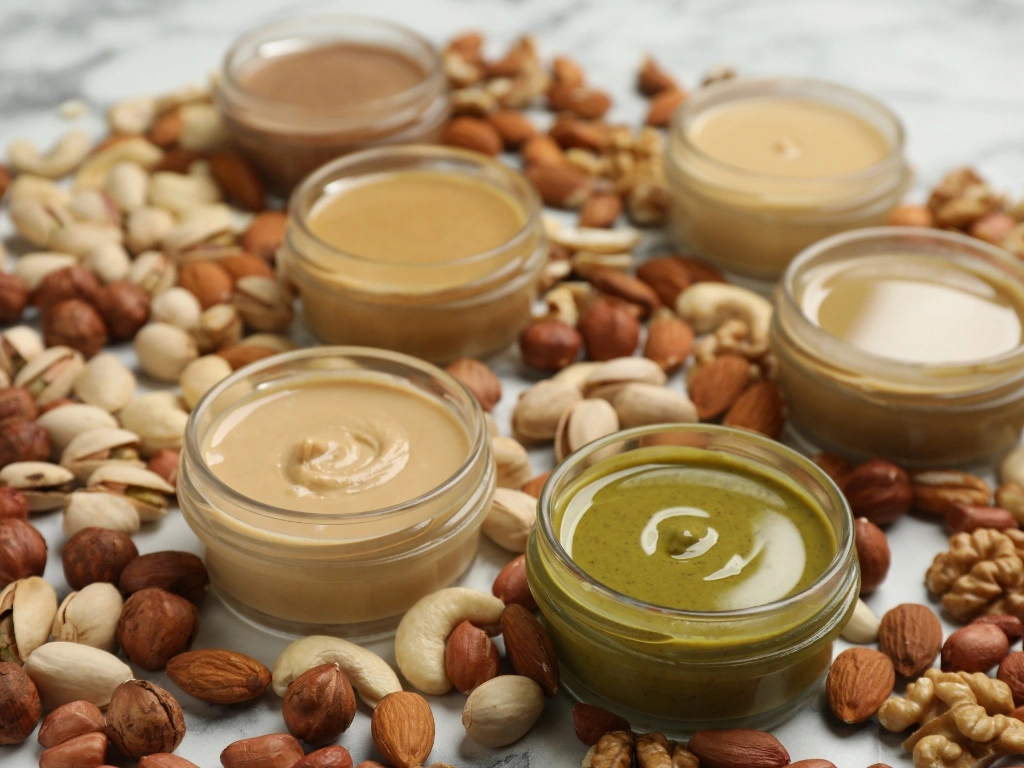
Nut butters are one of the easiest ways to increase calories because they are concentrated, versatile, and easier to add to meals than whole nuts. They don’t promote weight gain on their own, but they lend extra calories when used as additional ingredients to meals or as replacements for less healthy snacks like chips.
Nut butters can be stirred into smoothies, oatmeal, sauces, or snacks for an easy calorie boost. Here are some options to try, if tolerated:
- Peanut butter
- Almond butter
- Cashew butter
- Tahini (sesame seed butter)
- Sunflower seed butter
Nuts and seeds
Whole nuts and seeds provide healthy fats, minerals, and plant protein. Because they are portable and shelf-stable, they also make convenient snacks between meals.
The following are considered among the best nuts for weight gain because they pack substantial calories into small portions:
- Walnuts
- Cashews
- Pecans
- Macadamia nuts
- Pumpkin seeds
- Chia seeds
- Hemp seeds
- Trail mix
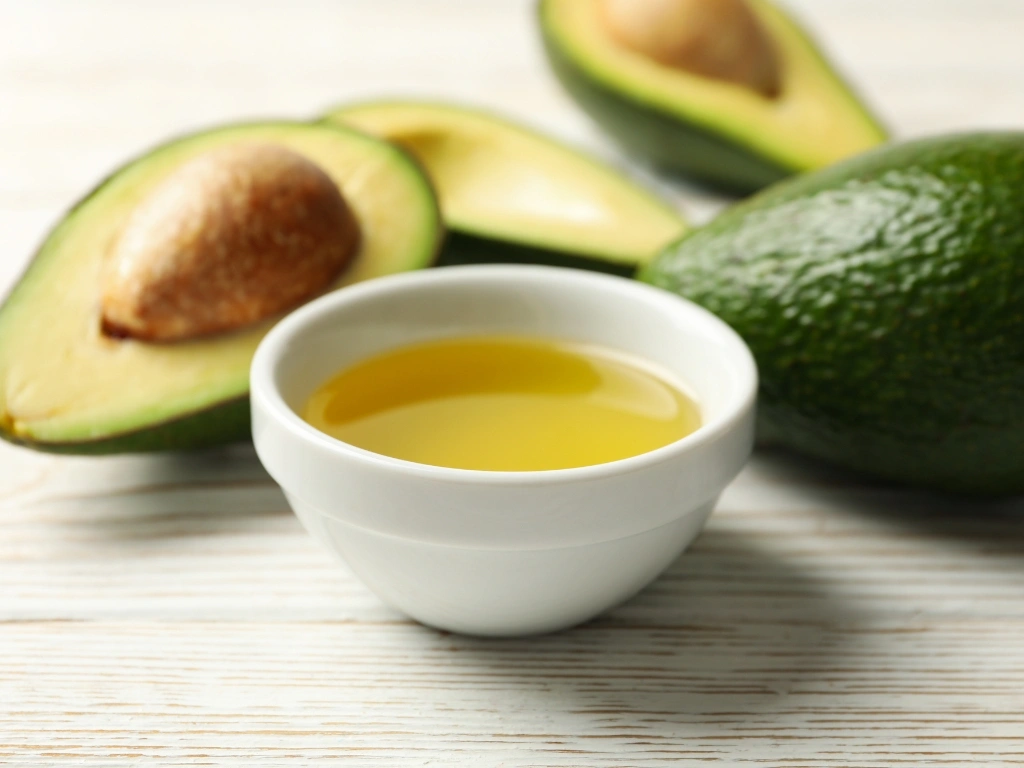
Healthy fats and oils
Adding fats to meals can significantly increase calories without adding much volume. This can be especially helpful for people who feel full quickly on high-fiber meals.
Here are some simple, higher-calorie options that can enrich your soups, grains, vegetables, and sandwiches — not just with calories but also flavor:
- Olive oil
- Avocado oil
- Coconut milk or coconut cream
- Avocados
- Vegan mayonnaise
- Salad dressings
- Vegan cream cheese
Dried fruit
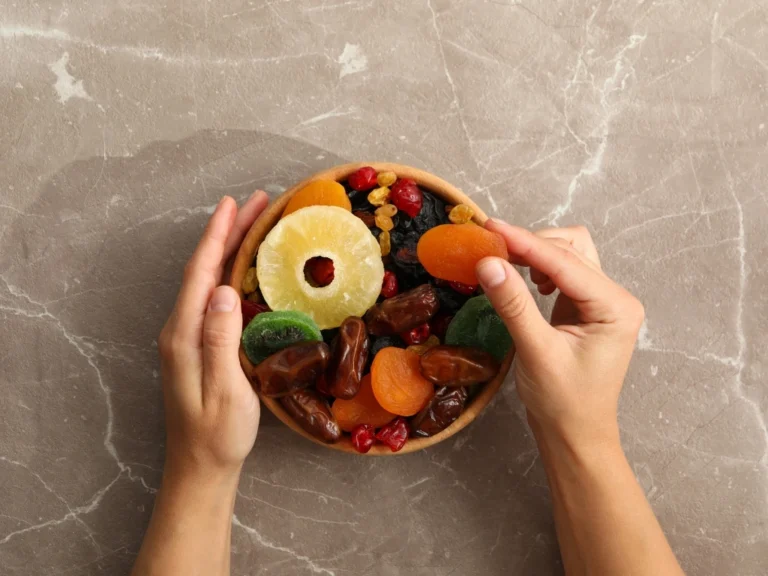
Dried fruit offers concentrated calories and natural carbohydrates in a smaller serving size than fresh fruit. Pairing dried fruit with nuts or nut butter can create a balanced, higher-calorie snack.
Grab these reliable choices for your snacks or toppings:
- Dates
- Raisins
- Dried apricots
- Figs
- Banana chips
- Dried mango

Whole grains and starches
Starches can help increase overall calorie intake while also providing lasting energy. Choosing denser starches over very bulky meals may make it easier to consistently eat enough calories.
Some filling but calorie-supportive staples include:
- Rice
- Pasta
- Oats
- Granola
- Potatoes
- Sweet potatoes
- Quinoa
Protein-rich vegan foods
When eating enough and adding in strength training, protein helps build and maintain muscle, which can support healthy weight gain. Including a protein source at most meals and snacks — preferably lean options — can also help improve your body’s overall nutrient balance.
Below are higher-protein vegan foods you can use as a foundation for your meals:
- Tofu
- Tempeh
- Seitan
- Lentils
- Chickpeas
- Black beans
- Soy milk
- Pea protein milk
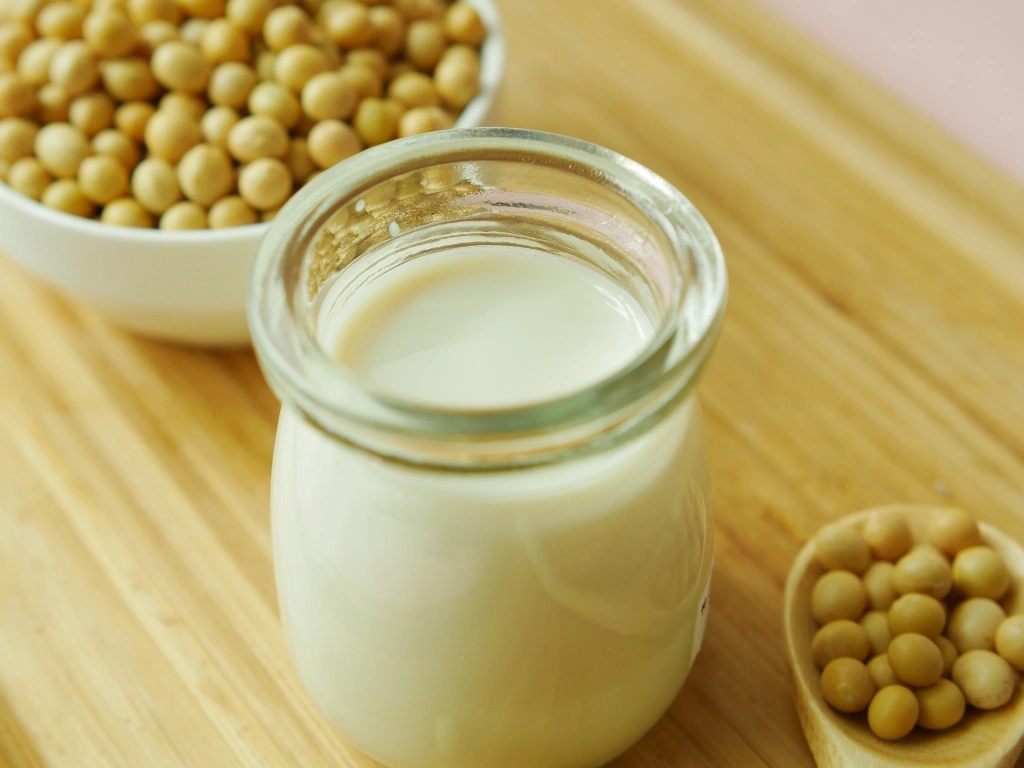
Smoothies
Smoothies are a neat, practical way to combine calories, protein, healthy fats, and carbohydrates in one smaller serving, even when appetite is low.
Here are some high-calorie ingredients you can use for your next blend:
- Soy milk
- Frozen fruits or vegetables (some of the highest-calorie options are yams, sweet potatoes, avocados, and coconuts)
- Nut butter
- Oats
- Chia or flax seeds
- Vegan protein powder
- Coconut cream
- Silken tofu
Achieve the physique you want with guidance from Health Loft
Gaining weight on a vegan diet is absolutely possible with intentional food choices, consistency, and patience. There’s no need to rely heavily on ultra-processed foods, either. Healthy weight gain should focus on your nourishment, steady energy intake, and sustainable habits that support your general well-being.
Including more high-calorie vegan foods like nut butters, avocado, tofu, granola, smoothies, and healthy oils can help increase calories without making meals feel overwhelming — but this is just one of the many ways you can achieve the body you want and deserve.
If you’ve been wondering how to gain weight as a vegetarian or vegan, remember that gradual progress is often more realistic and easier to maintain than rapid changes in your weight. Everyone’s calorie, protein, and nutrient needs are different based on activity level, lifestyle, and health goals, so how you approach weight gain should be tailored to what your body actually requires.
Working with a registered dietitian who specializes in vegan diets can help you create a personalized nutrition plan that doesn’t just feel balanced but also highly achievable. At Health Loft, we work with you closely to make sure that every recommendation we offer aligns well with your fitness goals, so you can take more confident steps toward a healthier life.
Connect with a Health Loft dietitian today to start receiving individualized, research-backed nutrition support at $0 out-of-pocket cost, depending on your insurance coverage.
This article was reviewed by Katie Whitson, RD, LD. It is intended for informational purposes only and does not replace personalized nutritional advice.