









So, you’ve just finished a hearty meal. Minutes later, you’re staring blankly at the wall, feeling completely out of it. Experiencing fatigue after eating is actually a very common experience, which makes it even more important to ask: Why do people even get tired after they eat?
Let’s look into exactly what contributes to this heavy, physical sluggishness after meals, as well as simple, everyday habits to keep your energy steady throughout the entire day — yes, even during siesta.

Why do you feel tired after eating?
probably hear its moniker “food coma” thrown around much more often. This is a temporary dip in energy and alertness that can happen after eating, especially after a large or heavy meal.
Fatigue after eating usually comes with:
- Sleepiness that also registered shortly after eating
- Brain fog or difficulty concentrating
- A heavy or sluggish feeling in the body
- Lower motivation or productivity, especially during the afternoon
Digestion requires energy, so the body naturally shifts into a calmer, more relaxed state while processing the food you ate. Although the feeling can be frustrating, it is usually a normal physiological response and not something alarming.
Experiencing this occasionally is common, but what if it happens frequently? Could the feeling of sleepiness after eating be a sign of diabetes or another serious condition? Not quite.
Although blood sugar issues can sometimes contribute to fatigue, feeling tired after meals is often connected to other factors surrounding your eating habits, rather than medical concerns.
Common dietary reasons you feel tired after eating
How you eat — and how much you eat — can both strongly influence your energy levels after meals. If you’re typically feeling tired after eating, these are some of the possible reasons why:
Eating too quickly
If you’re a fast eater, you’re much more prone to overeating before your fullness signals catch up. In fact, research has identified this factor as one of several dietary habits linked to poorer sleep quality and daytime fatigue.
“When clients slow down their eating speed, they often feel more satisfied after meals without feeling overfull, and have more sustained energy throughout the day,” says Adrienne DePaul, MS, RDN from Health Loft.
Large portion sizes and overeating
Heavy meals require more digestive effort, which can leave the body feeling sluggish afterwards. In one recent study on food coma, meal heaviness and bloating were specifically associated with drowsiness and reduced concentration after eating.
Long gaps between meals lead to overeating
Skipping meals or waiting too long to eat tends to increase not only hunger but also the chance of overeating or relying on larger meals later in the day.
Alcohol intake with meals
Drinking alcohol can intensify feelings of relaxation and fatigue, especially when you pair it with large meals. Alcohol itself is a powerful depressant that can alter your circadian rhythm (or your body’s internal clock) and worsen your sleep quality.
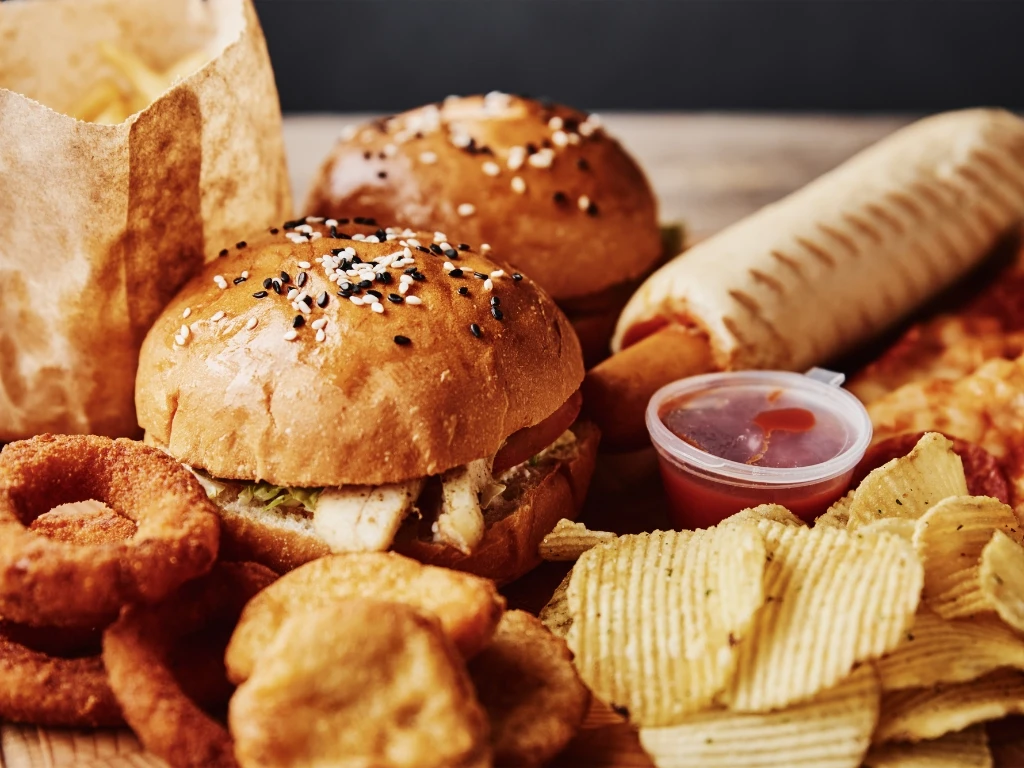
Foods that may make you sleepy or tired
It’s not just your eating patterns that prompt feelings of fatigue after eating. Certain foods are also more likely to contribute to energy dips, especially when they’re consumed in large amounts or as part of meals that aren’t rounded out with fiber and protein.
Refined carbohydrates and sugary foods
These are foods that can raise blood sugar quickly and then drop it just as fast, which may leave you feeling drained and unfocused. One study on macronutrient intake and daytime sleepiness found links between higher carbohydrate intake and increased sleepiness, while more recent research also highlights blood glucose shifts as a key mechanism behind post-meal fatigue.
The following are refined or sugary foods commonly linked with energy crashes:
- White bread
- Sweet pastries
- Sugary breakfast cereals
- Candy and desserts
- Sweetened soft drinks
High-fat meals
Meals that are energy-dense (high in fat, calories, protein, and carbs but not necessarily high in nutrients), especially when served in large portions, can feel physically dense and take longer for the body to digest, which may contribute to a slower, more relaxed post-meal state.
Studies suggest that these meals can increase feelings of drowsiness and reduce alertness during the afternoon.
Some examples of heavy meals that can be linked with sluggishness are:
- Fried chicken or fish meals
- Fast food burgers
- Cream-based pasta dishes
- Large restaurant platters
- Loaded cheesy pizzas
Ultra-processed foods
These foods are often convenient but tend to be lower in fiber and nutrients that help maintain steady energy levels. A recent study found that eating ultra-processed foods may be associated with poorer sleep quality and dysfunction during the daytime, even potentially contributing to night eating syndrome.
This may suggest that the same foods may have a potential role in post-meal fatigue patterns. Below are ultra-processed foods to be wary of:
- Packaged potato chips
- Instant noodle cups
- Frozen ready meals
- Sweet snack bars
- Processed meat snacks

Eating habits that can help you stay energized after meals
Since what you eat and how you consume food all influence how alert or sluggish you feel, preventing fatigue after eating all comes down to small but sustained improvements in dietary habits.
Here are some helpful tips to keep energy levels consistent throughout the day:
Choose more fiber-rich, whole foods
Fiber-rich foods may help support steadier digestion and more gradual changes in blood sugar. These effects can contribute to more stable energy levels after meals.
In one study, participants who shifted to a whole-food plant-based diet experienced significant reductions in instances of post-meal sleepiness and overall daytime drowsiness, along with improvements in weight and energy-related functioning.
Try prioritizing:
- Whole grains
- Vegetables
- Fruits
- Beans and legumes
- Nuts and seeds
These foods digest more slowly than refined options, which may help prevent sharp energy dips that contribute to post-meal sleepiness.
Be more mindful of portion sizes
Overly large meals can place extra strain on digestion and may leave people feeling overly full, heavy, or sluggish afterwards. Aim for balanced portions that satisfy hunger without overloading the stomach, rather than restrictive eating.
Build more balanced meals
Combining key macronutrients can help support steadier energy release:
- Complex carbohydrates
- Protein
- Healthy fats
- Fiber-rich foods
For example, a bowl of brown rice with grilled fish and vegetables, or yogurt with fruit and nuts, can provide sustained energy without the crash often linked to refined meals.
Reduce reliance on highly refined foods
Heavily processed snacks and sugary drinks can contribute to rapid blood sugar spikes and drops, which are commonly associated with post-meal energy crashes. Consider realistic swaps like replacing soda with water or choosing whole-grain bread over white bread.
Pay attention to meal timing and eating pace
Eating slowly gives the body more time to register fullness. This in itself may reduce overeating and post-meal heaviness.
Also, avoid long gaps without food to prevent yourself from overeating later in the day. Eating a lot at night, in particular, may interfere with both sleep quality and next-day energy, making daytime fatigue much more likely.
Supporting steadier energy through smarter eating habits
Feeling tired after eating is a real challenge for anyone, but in many cases, all you have to do is make an effort to build sustainable eating habits that can support steadier energy levels.
Being more mindful of what you eat and how you eat — and how these dietary habits all play out in terms of your focus, alertness, and overall energy — can help you better determine the best approach for addressing fatigue after eating.
That being said, persistent or severe fatigue should not be ignored. If it’s affecting your quality of life, changes in diet and lifestyle don’t seem to work, or symptoms like nausea appear alongside fatigue, consider working with a qualified registered dietitian.
At Health Loft, our dietitians specializing in general health can help you identify potential underlying factors, such as potential gaps in nutrition, and create personalized meal plans that align with your energy needs.
Book a consultation with a Health Loft dietitian to start receiving personalized, realistic guidance that supports your energy and well-being in the long term.
This article was reviewed by Adrienne DePaul, MS, RDN. It is intended for informational purposes only and does not replace personalized nutritional advice.