








With small intestinal bacterial overgrowth (SIBO), even healthy meals may trigger symptoms, making daily life feel unpredictable. While antibiotics like rifaximin are often used to control the bacterial overgrowth that causes this condition, symptoms like bloating or fatigue frequently return once treatment stops.
This has led many people to explore natural SIBO treatment options that aim to restore gut balance more sustainably. When guided by science and professional support, options like targeted dietary changes and herbal antimicrobials can complement medical care and help reduce recurrence.

Why people turn to natural treatment for SIBO
Antibiotics can be effective for reducing bacterial overgrowth, but they don’t always resolve the underlying issues that allow SIBO to develop in the first place or allow it to recur.
Impaired gut motility, dietary triggers, stress, or structural changes in the digestive tract, which are common root causes of SIBO, often play a key role in relapse. Without addressing these factors, many people experience recurring bloating, discomfort, irregular bowel movements, and other symptoms even after completing treatment.
To complement medical interventions and help reinforce long-term gut relief, strategies such as changes in diet, gut-directed supplements, stress management, and support for healthy digestion and intestinal motility are often recommended by experts.
A 2025 study suggests that lasting relief often depends on addressing multiple factors affecting gut health, not simply reducing bacterial overgrowth alone. Patients who received comprehensive care — covering both antibiotics and natural SIBO treatments — experienced great improvements in both symptoms and quality of life.
Lifestyle habits to treat SIBO naturally
Any natural remedy for small intestinal bacterial overgrowth begins with positive changes in lifestyle and diet. These foundational steps can improve gut motility and limit fermentation — the process that feeds bacterial overgrowth.
Timing meals well
The migrating motor complex (MMC), known as the digestive system’s natural cleansing wave, is what moves food and bacteria through the intestines between meals. An MMC that doesn’t function properly is among the most common causes of SIBO.
Since these cleansing waves only activate when you are fasting, meal timing is crucial to help stimulate them. Space your meals three to four hours apart and avoid constant snacking to give the gut enough time to appropriately respond to this signaling.
Managing stress
Chronic stress triggers a fight-or-flight response via the gut-brain axis, releasing hormones that can disrupt normal digestion by either speeding up or slowing down gut motility.
Some ways to reduce tension and to help improve digestion are eating mindfully, taking breaks throughout the day, practicing breathing exercises, and prioritizing proper sleep hygiene.
Moving regularly and staying hydrated
Constipation may also be caused by a sedentary lifestyle. You don’t necessarily need to go to the gym to resolve it; gentle movement, such as walking after meals, can help to stimulate muscle contractions in the intestines in order to push food along.
At the same time, staying hydrated throughout the day also effectively promotes regular bowel movements, as adequate water intake can help to soften stool.
Maintaining a proper diet
Dietary change is one of the most researched aspects of SIBO management. A 2025 narrative review demonstrates that a low-FODMAP (fermentable oligo-, di-, and monosaccharides, and polyols) diet can reduce symptoms by limiting foods that can ferment easily and feed bacteria in the small intestine.
Having said that, this approach can be restrictive, so it should only be followed for a limited period in order to help minimize any potential nutritional drawbacks. A registered dietitian can help you to gradually reintroduce foods and rebuild dietary variety after observing a low-FODMAP diet.
Herbal supplement strategies for SIBO
Herbal antimicrobials are among the most studied forms of natural treatment for small bowel bacterial overgrowth. The following have shown antimicrobial or gut-supportive properties that may complement standard medication.

Berberine
An investigator-initiated open-label randomized controlled trial popularly called BRIEF-SIBO was launched to specifically examine how the herbal compound berberine performs in comparison to rifaximin.
Findings reveal that berberine is non-inferior to the antibiotic in clearing SIBO, meaning it’s just as effective and is a credible herbal alternative to rifaximin.
Like other herbal antimicrobials, however, berberine should be used short-term and under the guidance of a qualified healthcare professional, rather than continuously, to reduce the risk of adverse effects and support gut recovery.
Allicin
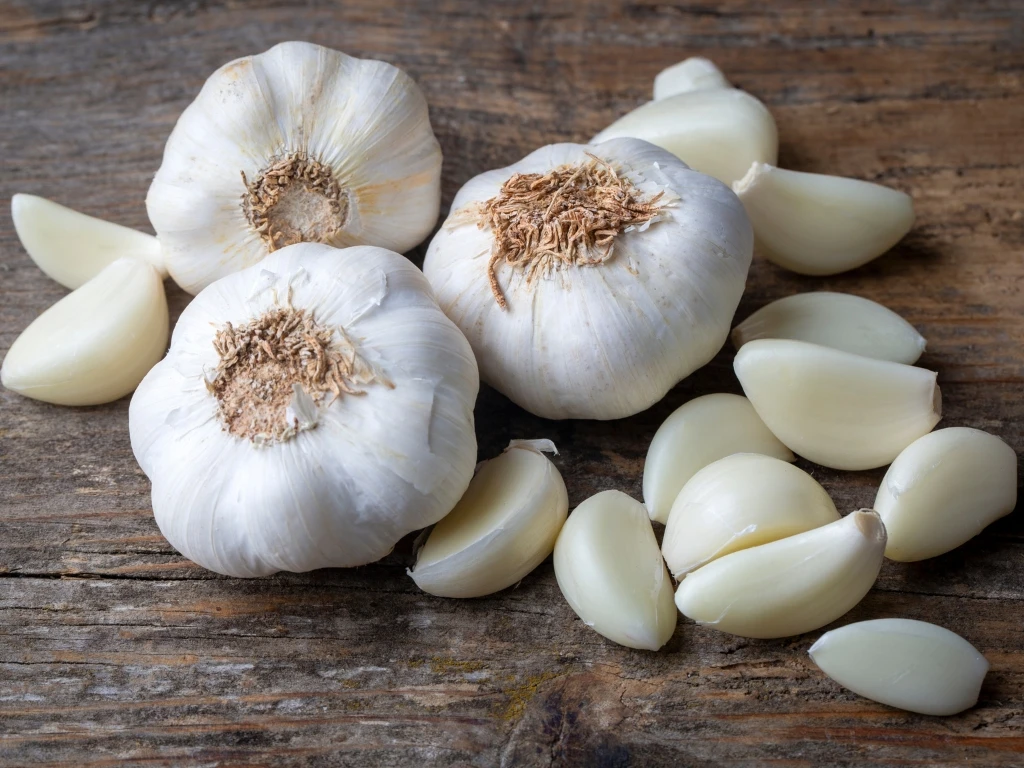
Allicin, a bioactive organosulfur compound derived from garlic, is particularly notable for its ability to help relieve constipation-predominant SIBO — now more accurately referred to as intestinal methanogen overgrowth (IMO).
Allicin may inhibit methane-producing archaea by blocking the enzymes archaea need to grow and survive, and by directly lowering their numbers without harming the gut’s good bacteria.
However, it’s important to note that consuming fresh garlic is not advised since it contains fermentable carbohydrates that can worsen bloating and discomfort. For this reason, allicin for SIBO is best taken in supplement form instead.

Neem
Neem, a type of evergreen tree native to South Asia, has been a subject of growing research as a potential plant-derived antimicrobial.
Studies suggest that compounds from this plant can inhibit a wide range of bacteria and fungi while simultaneously disrupting bacterial biofilms, potentially helping reduce the persistence of microbes.
Note that most of the evidence comes from laboratory and animal studies rather than clinical trials in people. With this being said, more human research is needed to determine whether neem is effective for gastrointestinal conditions such as SIBO.
Oregano oil
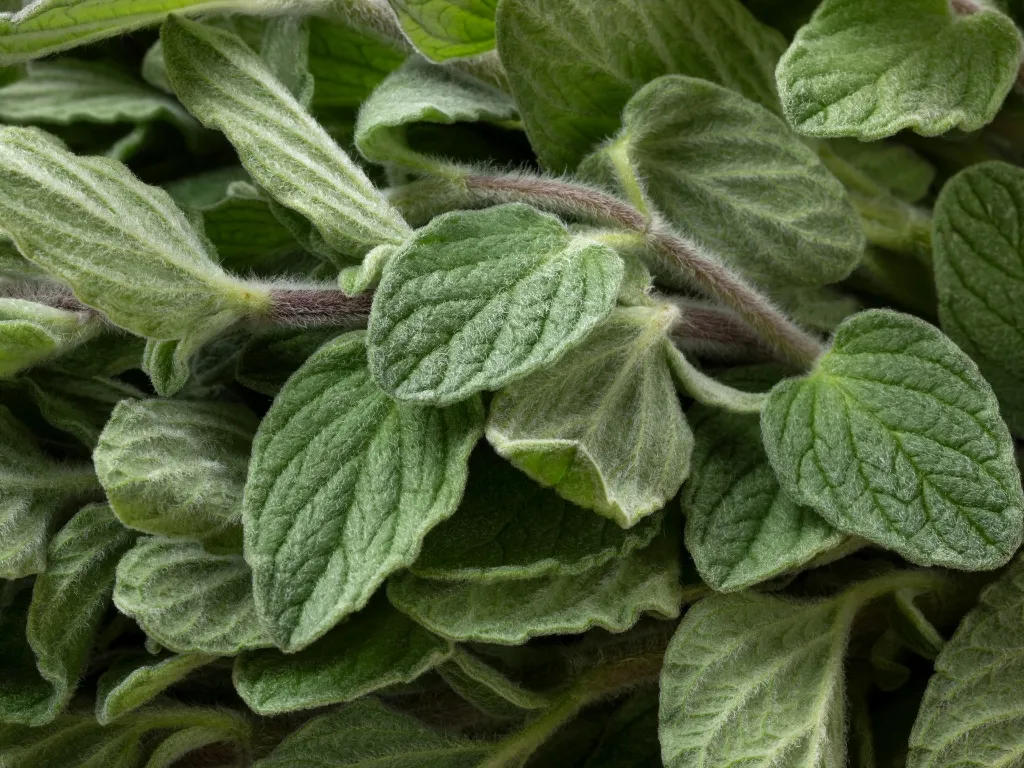
Oregano oil contains carvacrol and thymol — two compounds with well-documented antimicrobial effects. These agents disrupt microbial membranes and inhibit the formation of bacterial biofilm, making oregano oil a popular component of botanical SIBO protocols. Some practitioners use it as a standalone treatment for mild cases or in combination with berberine or neem for broader activity.
However, because oregano oil is potent, it can irritate the gut if used in excess or without proper cycling. Typically, oregano oil for SIBO is administered in enteric-coated capsules to reduce irritation and ensure targeted delivery to the small intestine.
Apple cider vinegar
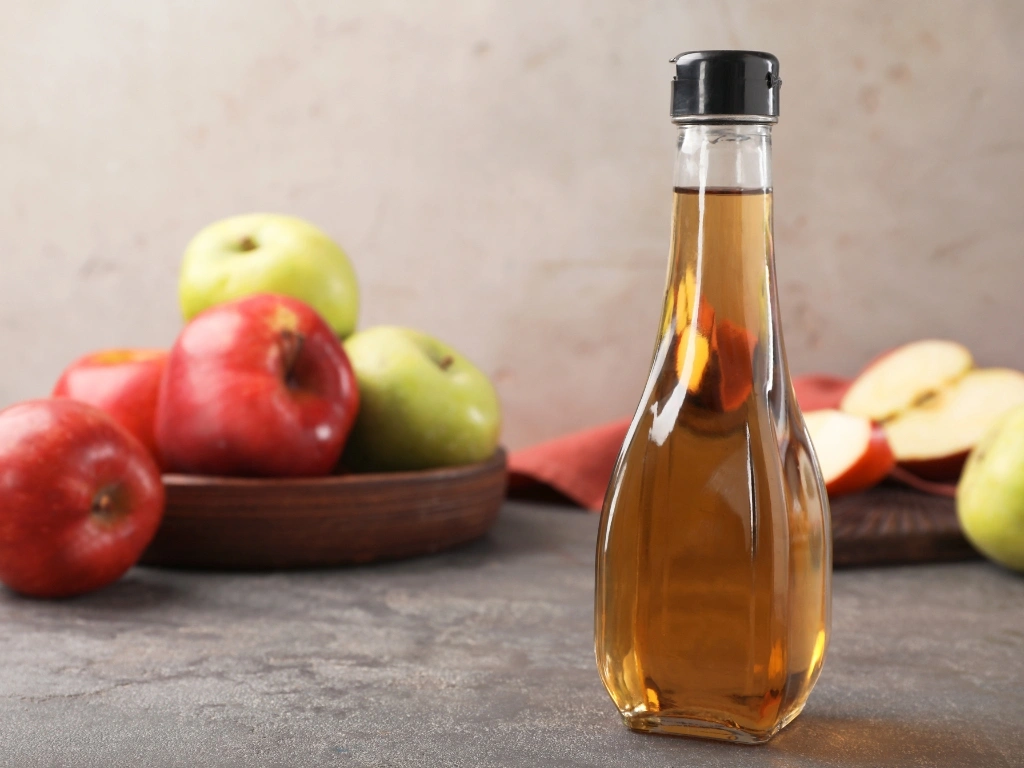
Apple cider vinegar is often touted as a digestive aid, with claims that it helps restore normal stomach acid levels and improve digestion. While it may support gastric acidity and help some individuals to digest proteins more effectively, there is no strong evidence that it directly combats bacterial overgrowth.
Moreover, individuals with acid reflux, gastritis, or ulcers should avoid undiluted vinegar, as it can worsen discomfort. When tolerated by individuals with SIBO, apple cider vinegar (diluted in one to two teaspoons of water before meals) may offer mild digestive support but should not replace evidence-based antimicrobial therapies.
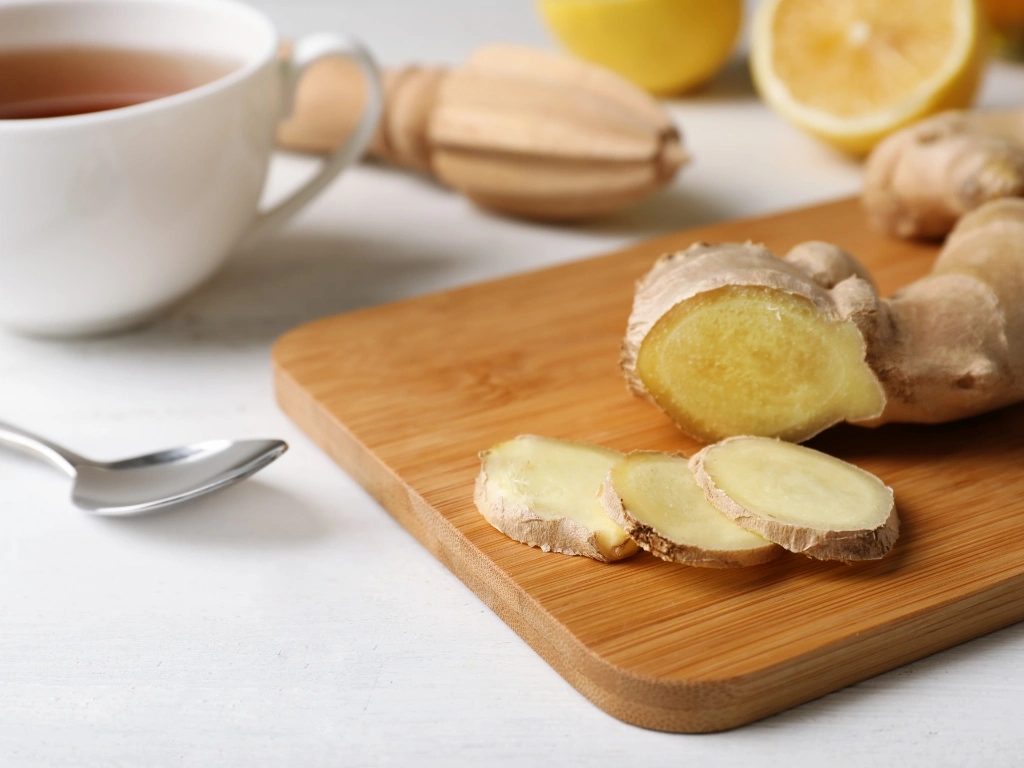
Ginger
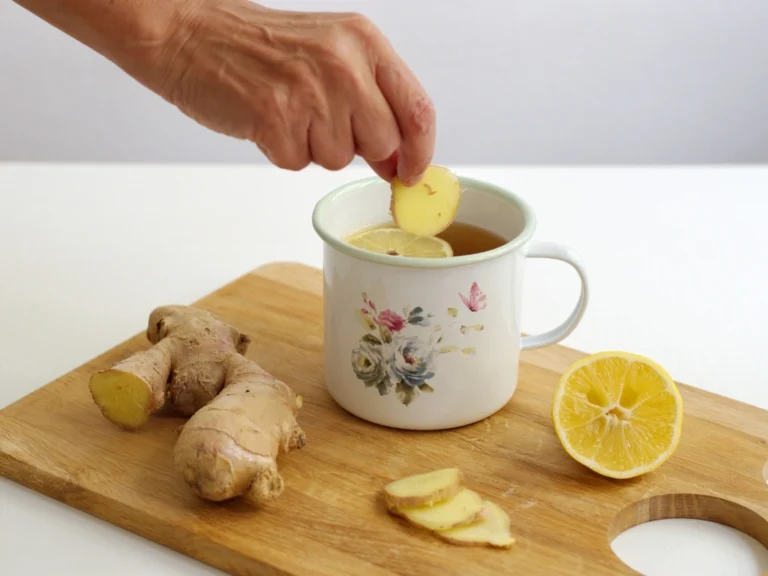
Ginger plays a distinct but complementary role in the natural treatment of SIBO. Rather than killing bacteria, it enhances the MMC, helping improve motility to help prevent bacteria from accumulating again after treatment.
In addition, ginger’s anti-inflammatory and anti-nausea effects can ease bloating and discomfort.
Clinical and traditional use of ginger for SIBO suggests that moderate amounts, such as ginger tea or encapsulated extracts, are generally safe and beneficial when used as part of a broader gut-healing plan.
Together, these herbal and supplemental strategies offer promising support for individuals seeking natural SIBO treatment. Still, the success of these treatments depends on personalization, dosage, and timing — all best determined with the help of experienced practitioners in SIBO management.
How to build a natural treatment plan
It’s important to keep in mind that natural does not mean risk-free. These natural treatments for SIBO must be used strategically and with clinical oversight. Many practitioners recommend herbal therapies in structured, closely guided cycles — typically two to four weeks — followed by rest periods or gut-rebuilding phases involving probiotics and motility support.
A registered dietitian nutritionist can guide you through the following steps:
- Provide treatment based on your diagnosis. Each SIBO type — hydrogen-dominant, methane-dominant, and hydrogen sulfide-dominant — responds differently to treatment. While dietitians cannot diagnose SIBO, they can review your lab results and tailor a nutrition plan based on your diagnosed SIBO type to help manage symptoms.
- Address the root cause. Treating the bacterial overgrowth alone isn’t enough. Motility disorders, hypothyroidism, adhesions, and chronic medication use must be considered as potential underlying factors when developing a treatment approach.
- Implement diet and lifestyle foundations. An individualized nutrition plan and healthy lifestyle habits can help support gut function and may reduce the risk of recurrence as part of a broader treatment strategy.
- Add targeted herbal or supplement support. Some herbal therapies and supplements have shown promise in research, but evidence still varies. They should be selected based on your clinical situation and used under the guidance of a qualified healthcare professional.
- Ensure proper intake. Combining multiple herbs, using incorrect dosages, or taking them for too long can lead to resistance or irritation of the gut. You can prevent these errors by consulting with a dietitian.
- Monitor and reevaluate. Retesting, adjusting diet, and supporting long-term gut motility are all important steps in helping to prevent relapse.
When natural treatments for SIBO may not be enough
Although natural treatments for SIBO can be effective, they are not suitable for everyone. Individuals with severe malnutrition, anemia, or chronic illnesses should be medically evaluated before beginning any herbal protocol.
Current research on natural therapies is promising, but limited. Not all herbal remedies have undergone large clinical trials, and purity or dosage inconsistencies can affect results. Additionally, the overuse of antimicrobials — even natural ones — can disrupt the gut microbiome and impair healing.
If symptoms persist, worsen, or include unexplained weight loss or blood in the stool, consult a gastroenterologist. In many cases, combining herbal therapies with medical treatment yields the most long-lasting results.
Take control of your SIBO symptoms with expert nutrition care
Starting with natural treatments for SIBO can feel especially difficult without an expert to guide you through each step. You may end up restricting too many foods or self-prescribing herbs, both of which may prolong your journey toward recovery.
A registered dietitian who specializes in SIBO nutrition can help you design a plan that minimizes symptoms while supporting energy, nutrient absorption, gut function, and your long-term health.
With hands-on, science-backed nutrition counseling from Health Loft, you can identify triggers, safely integrate herbal and dietary therapies, and find lasting relief through an effective and highly personalized natural SIBO treatment plan.
Take control of your gut health by connecting with a Health Loft dietitian today.
This article was reviewed by Katie Whitson, MS, RD, LD and Haleigh Mann, MS, RDN, LDN. It is intended for informational purposes only and does not replace personalized nutritional advice.