









Eating becomes unpredictable when you have small intestinal bacterial overgrowth (SIBO). Foods that are generally healthy for most people can trigger digestive distress in a sensitive gut, making it imperative to know what foods to avoid with SIBO and what can help relieve symptoms.
While diet doesn’t cure SIBO on its own, as antibiotics remain the primary medical treatment, dietary changes can be a useful tool to help manage symptoms and support your overall nutrition.

How the wrong foods can make SIBO worse
When everything is working normally, nutrients from food should be easily absorbed in the small intestine. But with SIBO, bacteria from the large intestine and other microorganisms can be present in excessive numbers in the small intestine, where they may ferment carbohydrates too early in the digestive process.
This creates hydrogen or hydrogen sulfide gas (produced by bacteria), or methane gas (produced by archaea called methanogens) — each linked to different symptoms.
Understanding what makes SIBO worse starts with recognizing how certain foods feed these microorganisms. For instance, highly fermentable carbohydrates, including many high-FODMAP foods, can act as fuel for fermentation. Certain fibers, resistant starches, and sulfur-containing compounds may also contribute to symptoms in some people, depending on the food, amount consumed, individual tolerance, and SIBO type.
SIBO is classified according to the predominant gas produced by the microbial overgrowth:
- Hydrogen-dominant SIBO – commonly linked to bloating and diarrhea
- Methane-dominant SIBO (now referred to as intestinal methanogen overgrowth, or IMO) – often causes constipation and sluggish digestion
- Hydrogen sulfide-dominant SIBO – leads to either diarrhea or alternating bowel habits, and may also be associated with flatulence and brain fog
Identifying the foods that intensify these patterns allows you to make strategic choices, rather than cutting out foods at random.
What food should be avoided with SIBO?
When managing SIBO, food choices play a central role in symptom control and recovery. The goal is not necessarily to eliminate every food that can be fermented, but to identify foods that worsen bacterial overgrowth, while maintaining adequate nutrition.
Although every individual’s tolerance can differ, the following food groups are associated with symptom flare-ups and should be approached with caution.
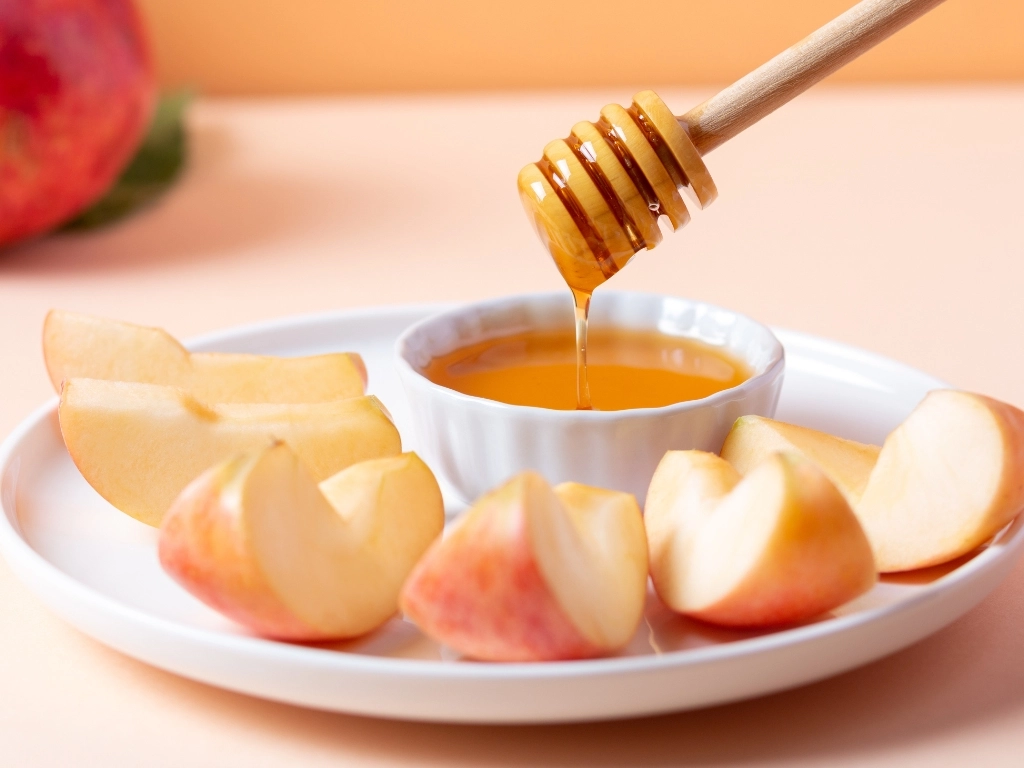
High-FODMAP foods
FODMAPs (fermentable oligosaccharides, disaccharides, monosaccharides, and polyols) are a group of short-chain carbohydrates that are notoriously difficult for the small intestine to break down and absorb.
When poorly absorbed in the small intestine, they become a ready fuel source for microbes in the small bowel, triggering gas production, bloating, and pain.
SIBO frequently coincides with IBS, which often requires a closely supervised low-FODMAP diet to curb symptoms, so it makes sense that the same eating pattern is found to reduce gastrointestinal symptoms in SIBO.
Common high-FODMAP foods to avoid with SIBO include:
- Fresh fruits, such as apples, pears, mangoes, watermelon, cherries (can be bad for SIBO, as they contain sorbitol, a sugar alcohol, and excess amounts of fructose, both of which are poorly absorbed by the small intestine)
- Dried fruits, fruit concentrates, or fruit juices
- Vegetables, such as onions, garlic, cauliflower, asparagus, and the stalks of broccoli and Brussels sprouts (rich in fructans, a common trigger for gas and bloating)
- Whole grains found in bread and pasta, particularly wheat, rye, and barley (also high in fructans)
- Natural sweeteners, such as honey, molasses, coconut sugar, and agave syrup (high in fructose)
- Almost all sugar alcohols or polyols used as sugar substitutes
- Kidney beans, black beans, lentils, split peas, and sprouted chickpeas (these particular beans can be bad for SIBO due to their high oligosaccharide content and resistant starch)
- Animal milk, soft cheeses, heavy cream, buttermilk, evaporated milk, and condensed milk (contain lactose, which can worsen SIBO due to fermentation)
FODMAP content can vary substantially by portion size, so foods that are high-FODMAP at one serving may be tolerated at a smaller amount. It’s also important to note that this approach should be done short-term, as prolonged restriction of FODMAPs can negatively impact beneficial gut bacteria and lead to nutrient deficiencies.
It is recommended to consult with a registered dietitian for personalized, hands-on guidance on observing a low-FODMAP diet. What foods and portion sizes are considered low-FODMAP is far from intuitive and can often be overwhelming to navigate alone.
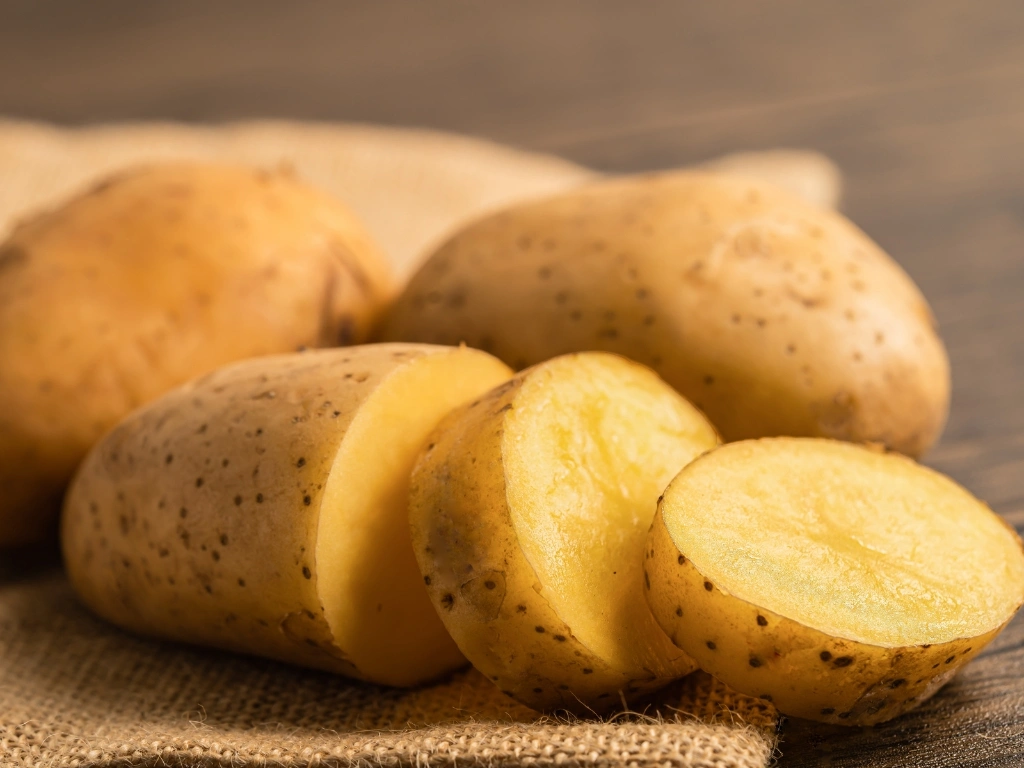
High-fiber and resistant starch sources
Although fiber supports long-term gut health, people with SIBO may find that large amounts of fermentable fiber or a rapid increase in fiber intake can worsen symptoms such as bloating, gas, or abdominal discomfort.
Fermentable fibers, including resistant starch and prebiotic fibers such as inulin, are the most likely culprits: they reach the gut microbes largely undigested and are fermented into gas.
Resistant starch, for example, passes through the small intestine and is fermented in the colon. Insoluble fibers (such as wheat bran) are fermented only poorly, but their bulk and roughage can still be hard to tolerate in a sensitive gut.
Because bacterial fermentation of these foods can drive symptoms of SIBO, experts recommend leaning toward a lower-fiber approach and avoiding added prebiotics. If reintroducing fiber to your diet after a period of restriction, it is best done gradually to prevent further stomach upset.
High-fiber foods to avoid with SIBO include:
- Raw cruciferous vegetables, such as cabbage, kale, and large amounts of raw broccoli (cooking these foods can improve tolerance but will not remove FODMAPs)
- High-fiber grains, including bran cereals and coarse whole-wheat products
- Cooked-and-then-cooled potatoes, rice, or pasta (the cooling process increases their resistant starch content)
- Unripe fruits, especially bananas (high in resistant starch)
- Popcorn (can be bad for SIBO in large portions due to its high insoluble fiber content

High-sulfur foods
If you have the hydrogen sulfide-dominant SIBO, foods rich in sulfur may feed the overgrowing microbes and trigger symptoms including nausea, bloating, and gas that smells like rotten eggs.
High-sulfur foods to avoid with SIBO (some of which already overlap with the aforementioned food categories) include:
- Eggs, especially yolk
- Red meat and organ meat (in large amounts)
- Cruciferous vegetables
- Alliums, such as garlic, onions, leeks, and shallots
- Aged cheeses and high-lactose dairy
- Processed foods with sulfites, such as certain dried fruits
- Legumes, such as soybeans, chickpeas, lentils, and kidney beans
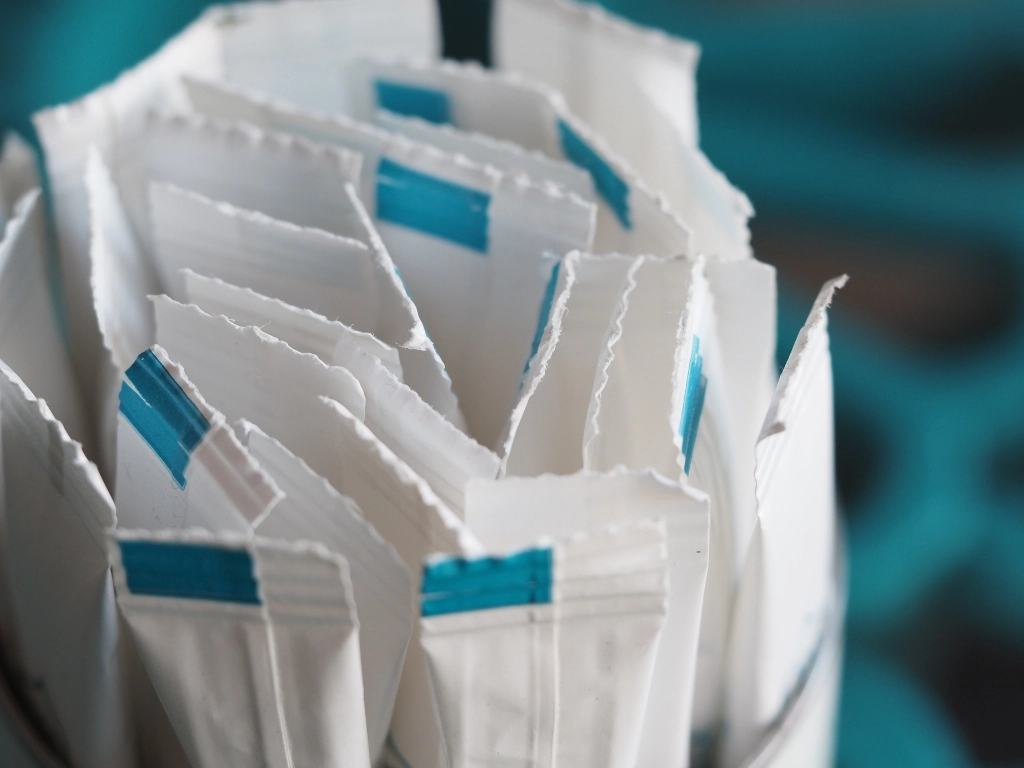
Artificial sweeteners
Unlike sugar alcohols, non-nutritive sweeteners like sucralose, aspartame, and saccharin lend sweetness with zero calories and no blood sugar impact. While they may sound neutral at best, studies have actually reported that exposure to them may change the composition of gut microbes, with effects that vary by sweetener and by individual.
These artificial sweeteners, which are typically labeled “diet,” “light,” “no added sugar,” or “sugar-free,” can still be bad for SIBO. In fact, current guidelines specifically list sucralose among fermentable sweeteners to limit.
While they’re not instant red flags, if products containing them consistently aggravate your symptoms, it might be worth adding them to your list of foods to avoid with SIBO.
What to do when avoiding certain foods for SIBO recovery
Eliminating foods to avoid with SIBO shouldn’t mean adopting an overly restrictive diet. While managing your symptoms is the intention, you shouldn’t forgo adequate nutrition while at it.
Here’s a practical approach:
- Keep elimination temporary. While the aforementioned foods are best avoided with SIBO, this elimination should only last for about two to six weeks, unless advised by a healthcare professional.
- Keep a symptom journal. Track how you feel after each meal. Note the specific foods you eat, any symptoms that follow upon eating, and the timing of symptoms to identify recurring patterns.
- Reintroduce foods systematically. Once symptoms are better controlled, add back one food at a time in small, manageable portions and increase them as tolerated.
- Work with a registered dietitian. SIBO is often associated with nutrient malabsorption, and restrictive diets can make intake even more difficult. Professional guidance ensures you’re getting balanced nutrients.
When diet alone isn’t enough
While identifying the foods to avoid with SIBO is essential, diet alone doesn’t eliminate the underlying overgrowth. Some people may need antibiotics or other medications and targeted therapies that support gut motility, depending on the root cause and type of overgrowth.
Because SIBO is usually a consequence of another problem, addressing underlying causes, such as poor gut motility, previous surgery, or other conditions that render someone vulnerable to bacterial or methanogen overgrowth, is key to preventing recurrence. Over-restriction can backfire, leading to nutrient loss and worsened gut health. SIBO-specific counseling offers both accountability and expertise, ensuring that your meal plan evolves as your gut improves.
Work with a nutrition expert who understands SIBO
While this guide may offer a starting point for determining what foods to avoid with SIBO, nutrition strategies are still best individualized to avoid unnecessary restrictions. A registered dietitian specializing in SIBO can help you design a plan that addresses symptoms and supports gut healing itself, while ensuring that your nutrition remains adequate.
Take control of your symptoms and rebuild confidence in what you eat. At Health Loft, our experts offer personalized, hands-on, and science-backed nutrition counseling that helps you achieve sustainable relief without feeling deprived. Connect with a Health Loft dietitian today.
This article was reviewed by Solveig Adalsteinsdottir, MS, RDN, LDN. It is intended for informational purposes only and does not replace personalized nutritional advice.