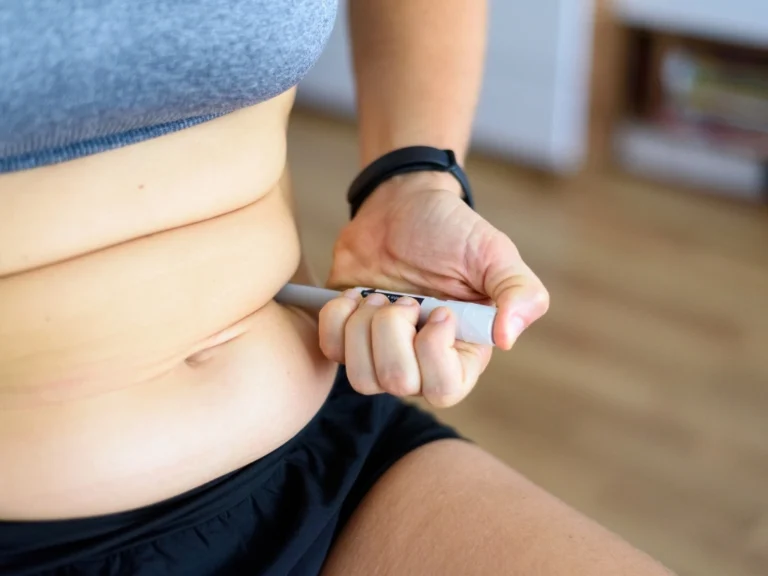









With Ozempic (also known for its generic name, semaglutide) at the forefront of popular GLP-1 (glucagon-like peptide-1) medications used for weight loss, interest in alternatives has grown swiftly.
While largely popular, the coverage of this drug class is fairly limited to GLP-1 hormones, whereas other classes — particularly retatrutide and tirzepatide — address other receptors, leading to a potentially broader effect.
This guide walks through how these three treatment options — retatrutide vs. tirzepatide vs. semaglutide — compare when stacked against one another, which medication may best suit what particular health circumstance, and where overlaps lie.
Retatrutide vs. semaglutide vs. tirzepatide: how do they compare?
All three medications have proven use for supporting weight management and metabolic health, but they differ in multiple ways: how they function in the body, their approval status, and who they may be appropriate for, to name a few.
| Semaglutide | Tirzepatide | Retatrutide | |
| Commercial brand names | Ozempic, Wegovy, Rybelsus | Mounjaro, Zepbound | Not yet available commercially |
| Drug class/ receptor targets | GLP-1 receptor agonist | Dual agonist (GLP-1, GIP) | Triple agonist (GLP-1, GIP, glucagon) |
| How it works | Reduces appetite, slows stomach emptying, improves blood sugar | Reduces appetite, improves blood sugar, enhances fullness | Reduces appetite, improves blood sugar, may increase energy expenditure |
| FDA-approved uses | Depends on the product: type 2 diabetes (Ozempic/Rybelsus); weight management, selected cardiovascular and liver problems (Wegovy) | Depends on the product: type 2 diabetes (Mounjaro); weight management, obstructive sleep apnea in eligible adults (Zepbound) | No FDA approval yet; still under investigation for blood sugar and weight loss effectiveness, with promising Phase 3 results |
| How to administer | Weekly injection or daily oral tablet | Weekly injection | Weekly injection (per clinical trials) |
| Common side effects | Nausea, vomiting, abdominal discomfort, alternating bowel habits (typically constipation) | Nausea, vomiting, abdominal discomfort, alternating bowel habits (typically diarrhea) | Similar digestive side effects as the other two; increase in heart rate, skin sensitivity in some cases (all per clinical trials) |
What is semaglutide?
Semaglutide is a GLP-1 receptor agonist that mimics the natural hormone to help the body release insulin when blood sugar is high, slow down stomach emptying, and reduce appetite altogether by boosting fullness signals to the brain.
By improving insulin release when blood sugar is high and reducing appetite, semaglutide supports both blood sugar management and weight loss.
While semaglutide is approved by the United States Food and Drug Administration, the approved use and route of administration depend on the specific brand:
- Ozempic (administered as an injectable) – treatment of type 2 diabetes, management of cardiovascular risk
- Wegovy (administered as an injectable) – weight loss, management of cardiovascular risk, treatment of non-cirrhotic metabolic dysfunction-associated steatohepatitis (MASH)
- Rybelsus (administered as oral tablets) – treatment of type 2 diabetes
While only Wegovy is technically approved for weight management, the other brands may still be considered for off-label use.
What is tirzepatide?
Like semaglutide, tirzepatide is an FDA-approved medication, but instead of targeting the GLP-1 exclusively, it also addresses another: the glucose-dependent insulinotropic polypeptide (GIP).
By activating two hormone pathways, it is able to produce greater blood sugar reduction and a significantly higher percentage of weight loss.
Tirzepatide is currently available under two brands, both administered through subcutaneous injection but differ in approved uses:
- Mounjaro – treatment of type 2 diabetes
- Zepbound – chronic weight management, moderate-to-severe obstructive sleep apnea
Mounjaro may also be used off-label for weight loss, depending on the prescribing healthcare professional.
What is retatrutide?
Retatrutide is one of, if not the most, closely watched investigational medications for obesity and metabolic health.
Unlike the other currently approved GLP-1 medications, retatrutide is a triple hormone receptor agonist, which means it activates three hormone pathways — GLP-1, GIP, and glucagon — within a single molecule.
By activating these receptors via an injectable, this medication is designed to help regulate appetite, improve blood sugar control, and increase energy expenditure. These effects may collectively support weight loss and improve metabolic health, although researchers are still studying exactly how these pathways interact.
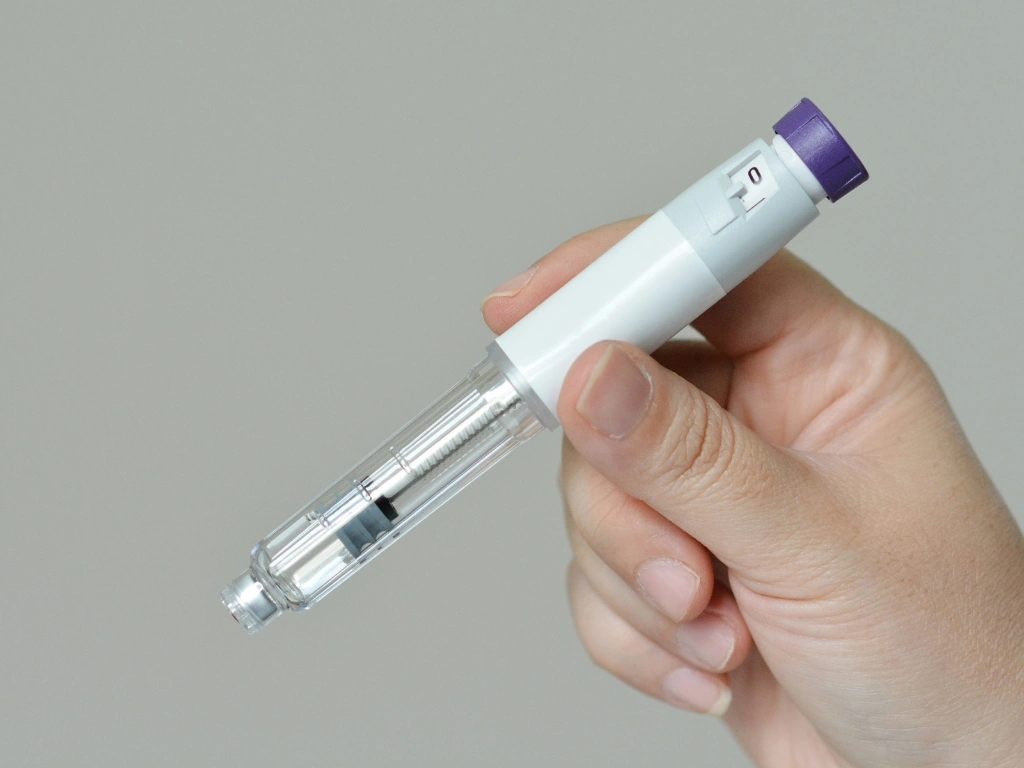
Who may be eligible for these GLP-1 medications?
Semaglutide and tirzepatide are prescribed according to FDA-approved indications. Meanwhile, retatrutide remains available only through clinical trials, where participants must meet strict enrollment criteria.
Medication-specific considerations
The exact eligibility requirements vary depending on the medication:
Semaglutide
For chronic weight management, semaglutide (Wegovy, in particular) may be prescribed for adults with a BMI of 30 kg/m² or higher or 27 kg/m² or higher with at least one weight-related condition, such as high blood pressure, type 2 diabetes, or high cholesterol.
Tirzepatide
Tirzepatide is prescribed based on the presence of type 2 diabetes, chronic weight management, and obstructive sleep apnea in adults with obesity. Your healthcare provider will determine whether you meet the appropriate treatment criteria.
Retatrutide
Because retatrutide is still investigational, eligibility is based on the clinical trial.
For example, the Phase 3 TRIUMPH-7 trial enrolled adults aged 18 years or older with a body mass index (BMI) of at least 27 kg/m², chronic low back pain, and at least one previous unsuccessful dietary weight loss attempt. People with diabetes, recent weight loss medication use, or prior or planned obesity surgery were excluded.
Who may not be suitable
Some people may not be good candidates for these medications, including those with:
- A personal or family history of medullary thyroid cancer or Multiple Endocrine Neoplasia syndrome type 2 (MEN2)
- Certain gastrointestinal conditions or a history of pancreatitis
- Type 1 diabetes
- Medical conditions or medications that make treatment unsafe
Comparing treatment costs of retatrutide vs. semaglutide vs. tirzepatide
When comparing differences between retatrutide, semaglutide, and tirzepatide, cost is one of the key factors to consider. Generally, the total cost of treatment can still vary based on the medication prescribed, your insurance coverage, pharmacy, and whether you qualify for manufacturer savings programs.
Semaglutide
Wegovy and Ozempic are priced around $200 to $500, although many patients pay significantly less through insurance or manufacturer savings programs. Coverage varies by indication and health plan, and eligible commercially insured patients may qualify for copay assistance.
Tirzepatide
Zepbound and Mounjaro generally range from about $500 to over $1,100 per monthly prescription. Eligible commercially insured patients may qualify for manufacturer savings cards, while self-pay programs are available for some formulations. Insurance coverage depends on the approved indication and individual health plan.
Retatrutide
Because retatrutide is still an investigational medication, it is not commercially available for purchase. It can currently be accessed only through approved clinical trials. If it receives FDA approval in the future, its pricing and insurance coverage will be determined after regulatory review and market launch.
Other costs to consider
Medication is only one part of treatment. You should also consider expenses, such as:
- Medical consultations
- Routine follow-up appointments
- Laboratory testing (when needed)
- Nutrition counseling
- Ongoing lifestyle support
Since these medications are often intended for long-term use, discussing a sustainable treatment plan with your healthcare provider is just as important as comparing medication costs.

Comparing side effects of retatrutide vs. semaglutide vs. tirzepatide
Retatrutide, semaglutide, and tirzepatide can all cause side effects, but the type and severity largely differ from person to person.
Common side effects
Side effects typically reported across all three medications tend to involve the digestive system. These include:
- Nausea
- Vomiting
- Diarrhea
- Constipation
- Abdominal discomfort
- Bloating
- Decreased appetite
Less common but serious risks
Medications such as Mounjaro and Ozempic may lead to long-term side effects, whereas retatrutide, being an investigational medication, is still being evaluated for widespread use. Below are some long-term side effects to watch for:
- Hair loss
- Pancreatitis
- Gallbladder disease
- Kidney injury related to dehydration
- Allergic reactions
- Boxed warning for thyroid C-cell tumors (for semaglutide and tirzepatide, based on animal studies)
If such conditions ever arise as a direct result of GLP-1 medications, seek medical evaluation immediately.
Differences in tolerability
Overall, the three medications have similar safety profiles, with gastrointestinal side effects reported most often.
Clinical trials suggest retatrutide may cause gastrointestinal symptoms more frequently at higher doses, while semaglutide and tirzepatide have well-established safety data from approved use.
How healthcare providers decide which treatment fits best
Your healthcare provider will use a comprehensive clinical assessment to match the most appropriate medication to your health needs. Such treatment decisions go far beyond expected weight loss or side effect profiles.
Medical assessment
Before recommending any medication, healthcare providers perform a comprehensive clinical assessment rather than relying on a single factor. This includes reviewing your:
- Medical history
- BMI
- Blood sugar levels
- Current medications
- Previous weight-loss efforts
- Any conditions that could affect treatment safety, such as kidney disease, pancreatitis, or thyroid disorders
Lifestyle evaluation
Providers also discuss your eating habits, physical activity, sleep, and overall lifestyle to better understand your long-term health needs. In some cases, baseline laboratory tests may be recommended before treatment begins.
Ongoing monitoring
After treatment starts, regular follow-up visits help monitor your progress, assess medication tolerance, adjust dosing when needed, and address any side effects. This ongoing evaluation helps ensure your treatment remains safe, effective, and aligned with your health goals.
Which medication may be the best choice?
There is no universally “best” medication among these three options. When comparing retatrutide, tirzepatide, and semaglutide, the right choice tends to be hinged on several factors, including your health conditions, weight loss goals, FDA-approved indications, diabetes status, side-effect tolerance, medication availability, and insurance coverage.
Ultimately, combining the right medication with personalized nutrition, regular physical activity, healthy lifestyle changes, and ongoing guidance from your healthcare team is the key to a successful treatment.

Complement your GLP-1 treatment with nutrition support from Health Loft
Learning the key differences between retatrutide vs. tirzepatide vs. semaglutide may be a useful first step toward an effective weight loss treatment, but ultimately, GLP-1 medications work better when used alongside a lifestyle that makes healthy weight possible and sustainable.
Working with a registered dietitian who specializes in GLP-1 nutrition can help ensure that your eating patterns are aligned with your weight loss goals and address any underlying condition.
At Health Loft, our experts help you build a personalized nutrition plan that complements your prescribed treatment and makes it easier to manage dietary adjustments while taking GLP-1-based medications. By working alongside your physician and other members of your healthcare team, a dietitian can help monitor your progress and tailor recommendations as your needs change.
If you’re keen to lose weight but not sure if GLP-1 medications are for you, a Health Loft dietitian can also introduce alternative, natural methods for achieving weight loss without relying on any drug at all — and instead promoting balanced, fiber-rich nutrition and strategic lifestyle adjustments. Connect with a Health Loft dietitian to get started.
This article was reviewed by Katie Whitson, MS, RD, LD. It is intended for informational purposes only and does not replace personalized nutritional advice.