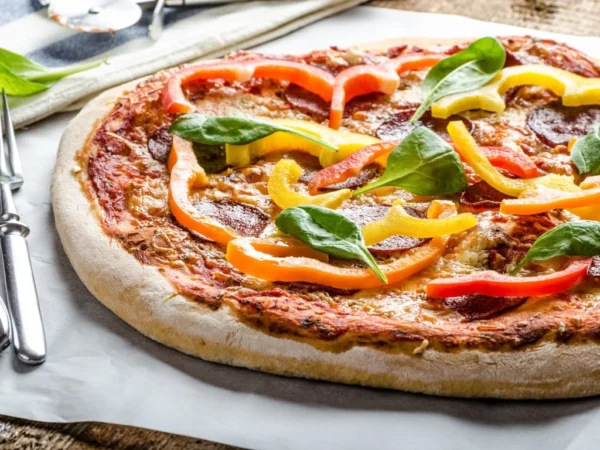









Carbohydrates often get the short end of the stick among food groups that get inaccurately blamed for various health concerns, including cancer. This has led to questions about how they affect the human body, specifically whether carbs actually “feed” cancer cells and if avoiding them can help “starve” these cells and prevent the disease from developing.
A recent study published in Frontiers in Nutrition offers an alternative way of viewing this topic, reporting that it’s the quality of carbs, and not the amount, that may be associated with cancer risk.

Why do people think carbs “feed” cancer cells?
People often think carbohydrates readily increase the risk of cancer because certain types — particularly refined carbs and sugars — spike blood glucose that cancer cells tend to consume to fuel their rapid growth.
High insulin levels, prompted by intake of sharp spikes in blood sugar from eating high-glycemic foods, may also be heavily associated with the development of tumors.
Additionally, diets that are largely reliant on processed carbs contribute to weight gain and obesity, which can cause chronic inflammation and hormonal changes tied to at least 13 types of cancer.
Do carbs feed cancer? What the new study reveals
Medical experts emphasize that carbohydrates do not directly cause cancer, and that the risk of cancer developing depends heavily on the type of carbs you consume.
The aforementioned study followed more than 101,000 adults involved in a screening trial for prostate, lung, colorectal, and ovarian cancer — all among the most common cancers recorded in the United States. Among these participants, 1,700 developed lung cancer over the course of the study.
Smoking is considered the main driver for most lung cancer cases, though air pollution, secondhand smoke, radon, and asbestos may also directly contribute to the disease.
More recently, researchers are looking into whether diet may also play a part. To better understand the role of carbohydrates in lung cancer development, the scientists behind this 2026 study compared two dietary patterns, focusing on the quality of carbs, rather than the intake.
One measured the quality of carbs and factors like fiber intake and the balance of refined versus complex carbs. The other measured how closely participants followed a low-carb diet.
Based on the results, people with the highest carbohydrate quality scores had a significantly lower risk of developing lung cancer compared to those with the lowest carb quality scores.
That being said, eating fewer carbohydrates alone doesn’t lead to a lower lung cancer risk after researchers accounted for other health and lifestyle factors.
Given that this study is strictly observational, these associations don’t necessarily mean that eating higher-quality carbs directly reduces lung cancer risk.
Will avoiding carbs help lower the risk of cancer?
Avoiding all carbohydrates will not directly lower your risk of cancer, though cutting back on lower-quality carbs can help prevent weight gain and lower insulin levels — both of which reduce cancer risk.
Meanwhile, cutting out higher-quality carbs can actually remove important protection against cancer.
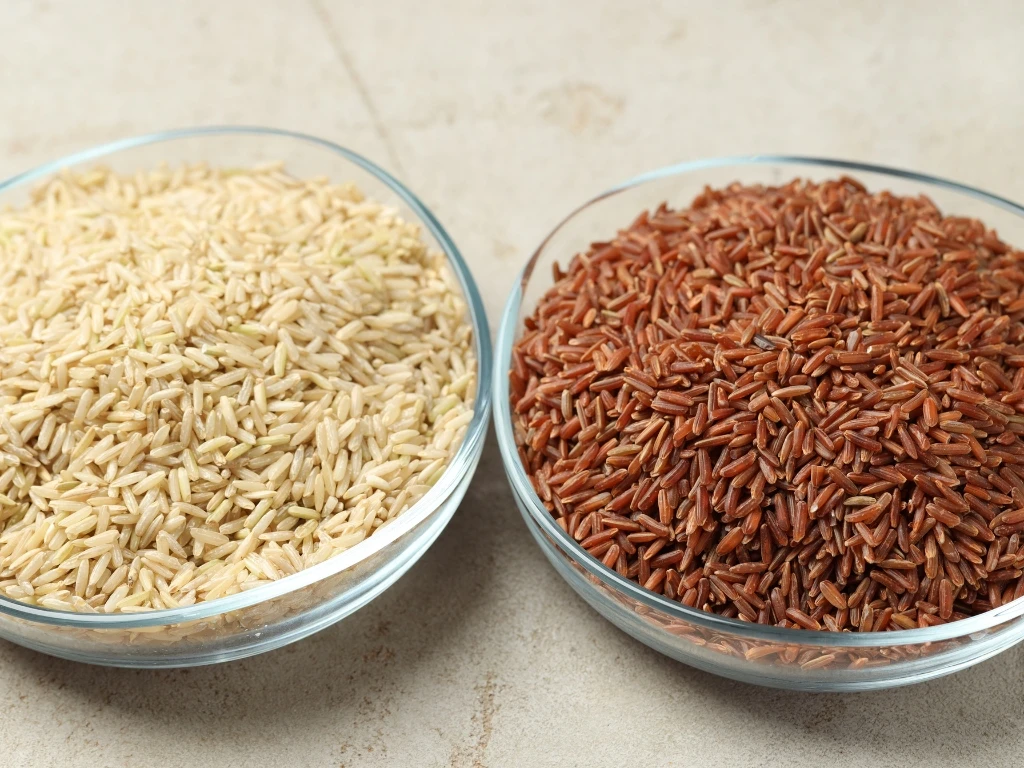
High-quality carbohydrates include those that come from foods such as whole grains, beans, lentils, fruits, and vegetables. These foods naturally provide fiber, vitamins, minerals, and other beneficial plant compounds called phytonutrients.
Lower-quality carb sources, on the other hand, which include refined grains and foods high in added sugars, provide fewer nutrients, less fiber, and have a higher glycemic index.
Researchers credit these differences in quality as playing a large role in overall health status, as fiber and other nutrients found in minimally processed plant foods may help to support normal immune function and promote comprehensive physical wellness.
How to pick your carbs, according to a dietitian
So what does prioritizing carb quality actually look like at the dinner table? According to Haleigh Mann, MS, RDN, LDN of Health Loft, it “doesn’t have to be overly complicated.”
1. Rely on more whole grains
“This can look like simply choosing the whole grain option over the more refined option (for instance, whole grain pasta versus plain pasta), or even adding vegetables to those lower quality carbohydrates.”
A sandwich made with whole-grain bread instead of white bread is one easy swap, Mann notes — or, for those who’d rather stick with white bread, simply adding a piece of fruit or a vegetable on the side can help with rounding things out.
2. Keep your intake of refined carbs in moderation
Neither the study nor nutrition experts recommend eating a larger quantity of higher-quality carbs, nor do they recommend eliminating lower-quality carbs completely from your diet in order to prevent lung cancer. A balanced approach is often healthier and preferred, as opposed to focusing on one nutrient in isolation.
As Mann puts it, “You don’t have to feel like making better choices with your carb intake has to mean never eating refined carbs or those less-healthy options ever again. It’s best to enjoy those higher sugar options in moderation, as opposed to eliminating them from your diet altogether.”
That mindset also applies to patients who arrive at Mann’s office already anxious about carbs. “I have many patients, understandably so, who come to me with concerns about eating those ‘bad’ carbs like pastries, chips, or sugary cereals,” she says.
“It can sometimes feel like eating these foods will make or break their health goals. However, this isn’t necessarily true.”
3. Prioritize consistency
Rather than chasing perfection meal by meal, Mann encourages patients to think in patterns rather than single choices: “Our bodies respond to patterns, not one-off events. I like to remind my patients that one meal/snack or even one week of less-balanced eating will not significantly affect their prognosis or overall health status.”
What about ultra-processed foods?
This particular study didn’t specifically examine the relationship between lung cancer and processed foods, but other research has linked a high intake of ultra-processed foods to a higher risk of developing lung cancer — in some cases, even if you’ve never smoked.
Ultra-processed foods, such as soft drinks, hot dogs, instant noodles, packaged snacks, and sugary breakfast cereals, make up more than half of the average American’s diet.
A 2025 study published in Thorax found that people who consumed the highest amounts of these foods were 41% more likely to develop lung cancer than those who ate the least, even after researchers accounted for other health and environmental factors.
As expected, smoking remains the leading cause of lung cancer, but the findings in this study suggest that diet may actually be one of the key contributors. Still, this study was also observational, meaning it cannot prove that ultra-processed foods directly cause lung cancer.
Researchers believe one possible explanation is that diets high in ultra-processed foods may increase inflammation while replacing healthier, nutrient-rich foods that can help to protect against cancer.
Experts caution that more research is needed, but they do support reducing intake of ultra-processed foods altogether.
Are all plant foods safe for cancer prevention?
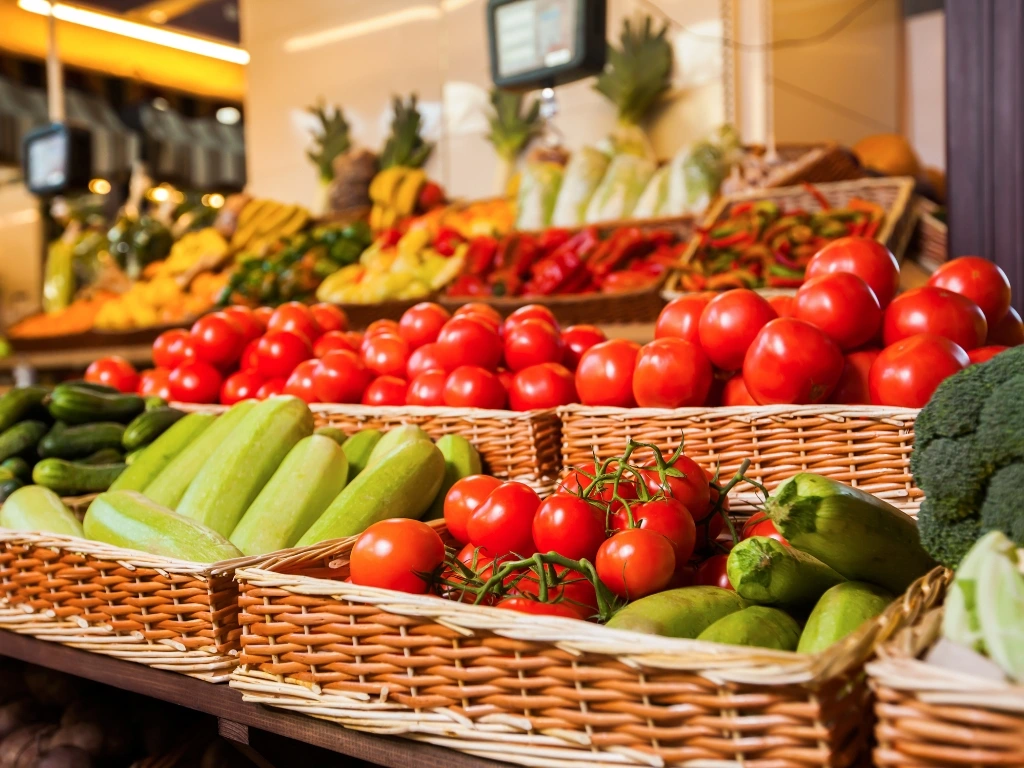
Generally, a plant-forward diet featuring more whole and minimally processed options is a staple that’s ideal for keeping cancer at bay. But if you’ve encountered headlines suggesting whole grains, fruits, and vegetables can actually increase cancer risk in younger non-smokers, it’s important to understand the nuance behind these claims.
Research from the University of Southern California (USC) Norris Comprehensive Cancer Center observed that younger adults with lung cancer tended to report eating more produce and whole grains than the average American.
They proposed one possible explanation: pesticide exposure from conventionally grown produce. Still, this remains a hypothesis.
The study estimated pesticide exposure rather than measuring it directly, and additional research is needed before any concrete conclusions can be drawn.
Headlines like these are exactly the kind that can send people spiraling about foods they’ve long trusted, and it’s a scenario Mann sees often in her practice.
Part of her job, she says, is helping patients sort signals from noise: “I remind them that if they are hearing a nutrition claim that seems too good to be true, it probably is.”
“Conversely, if there is fear-mongering around a food that has been historically viewed as healthy, there’s probably a reason — and that reason is probably money. The health/diet industry is a multibillion-dollar-a-year industry, and claims like these are usually made to sell a ‘quick-fix’ product.”
The verdict on carbohydrates
As for the role of carbs in cancer development, the broader body of evidence continues to support the idea that eating plenty of fruits, vegetables, and whole grains is an essential foundation of a healthy dietary pattern.
After all, it’s important to note that one emerging study does not outweigh decades of research that associate these foods with a lower risk of developing many chronic diseases and support improved overall health.
Build a nutrition plan that supports long-term health with Health Loft
While it’s clear that carbs don’t necessarily “feed” cancer cells, there’s solid evidence that diet can play a crucial role in long-term health. New research suggests that the quality of the foods we consume, rather than the quantity, may be more important in terms of reducing the risk of developing lung cancer.
Still, like any single study, these results should be viewed as part of a larger body of evidence, not in isolation. Instead of fearing carbohydrates, it’s best to focus on building a balanced eating pattern that puts minimally processed, nutrient-rich foods at the forefront. Nonetheless, it’s important to recognize that nutrition is only one factor influencing cancer risk.
If conflicting health news leaves you feeling unsure about what to believe, a cancer nutrition specialist may be able to help.
At Health Loft, our registered dietitians provide evidence-backed nutrition care tailored specifically to your medical needs, symptoms, health goals, and lifestyle, helping you make choices informed by real science and not speculation. Connect with a Health Loft dietitian today.
This article was reviewed by Haleigh Mann, MS, RDN, LDN. It is intended for informational purposes only and does not replace personalized nutritional advice.