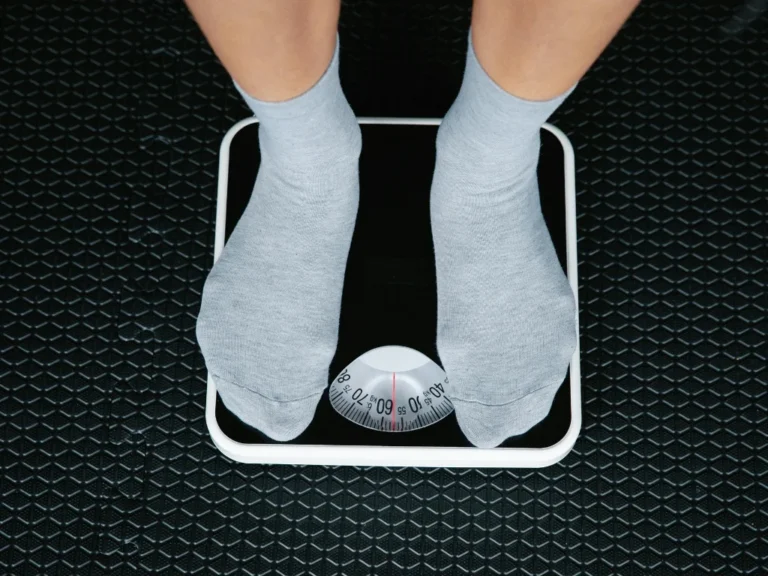









It can feel confusing when you’re putting in the effort, staying consistent, and still not seeing the scale move. Many people experience not losing weight in a calorie deficit, and it can be frustrating when the results don’t match what you expect.
Weight loss is often described as a simple equation, but in reality, it’s influenced by many factors. Your body, habits, and daily routines all play a role, and progress doesn’t always show up in a straight line.

What is a calorie deficit?
A calorie deficit happens when you consistently consume fewer calories on average than your body uses for basic functions and daily activity over time.
Your body needs energy to keep your organs working, support movement, and maintain overall health. When you eat less than that amount, your body may start using stored energy, including body fat.
In practice, though, many people who feel like they are in a deficit may actually be eating closer to maintenance without realizing it. Small tracking gaps, changes in activity, or shifts in energy needs can make a bigger difference than expected.

7 possible reasons you’re not losing weight on a calorie deficit
If you feel like you’re doing everything right but not seeing progress, you’re not the only one. Plateaus and slow progress are common, even when you stay consistent.
1. Weight fluctuations and water retention
The number on the scale doesn’t always reflect fat loss. Your weight can shift from day to day based on fluid levels, sodium intake, carbohydrate intake, digestion, and hormonal changes.
For example, higher sodium meals may cause temporary water retention. Hormonal shifts, including those during the menstrual cycle, can also lead to short-term increases in weight. Starting a new workout routine or increasing intensity can also lead to temporary inflammation, where your muscles hold onto more water as they recover. These changes can mask fat loss, especially over short periods.
2. Sleep and stress
Sleep and stress can quietly affect your progress. When you don’t get enough sleep, research suggests appetite regulation, food choices, and hunger cues may be affected, making consistency more challenging. Ongoing stress can have a similar effect and may also make it harder to stick to your usual routine.
Over time, poor sleep can affect focus and planning, so meals become more inconsistent. It can also impact how well you recover from workouts, which may leave you feeling more tired and less active the next day.
3. Medical factors
Some medical conditions may affect how your body responds to a calorie deficit. Conditions like polycystic ovary syndrome (PCOS), hypothyroidism, insulin resistance, or other endocrine conditions may affect appetite, energy levels, fluid balance, or weight regulation.
There are also some medications that can influence appetite, cravings, and fluid balance, which can influence weight. In some cases, not losing weight in a calorie deficit may be linked to these underlying factors rather than your effort or consistency.
If this feels relevant to you, it can help to speak with a healthcare provider. Getting the right context can make your next steps clearer and more tailored to your situation.
4. Inaccurate calorie tracking
Even with the best intentions, calorie tracking can be less precise than it seems.
Small additions like cooking oils, dressings, sauces, and snacks can add up throughout the day. Portion sizes may also be slightly off, especially when estimating instead of measuring. This is where calorie creep can happen, where small, untracked extras gradually increase your total intake.
Over time, these small differences can shift your intake closer to maintenance, even if your meals feel consistent.
5. Reduced daily movement
When you’re eating less, your body may naturally try to conserve energy.
You might move a little less throughout the day without realizing it. This can include walking less, sitting more, or skipping small activities you would usually do. These everyday movements are part of non-exercise activity thermogenesis (NEAT), which includes all movement outside of structured workouts.
When NEAT decreases, your total calorie burn can drop, even if your workouts stay the same.
6. Metabolic adaptation
Over time, your body may adjust to a lower calorie intake by becoming more efficient with energy. This process, often called metabolic adaptation, means your body may burn slightly fewer calories than it did before.
Metabolic adaptation does not stop fat loss completely, but it can reduce the size of your calorie deficit, making progress slower. In some individuals, this can also affect energy levels and motivation, which may influence activity levels and consistency with eating patterns.
7. Body composition changes
The scale doesn’t always tell the full story. If you’ve started strength training or increased your activity, you may be losing fat while maintaining or gaining muscle. Since muscle is denser than fat, your weight may stay the same even as your body composition changes.
You might notice progress through how your clothes fit, your measurements, or how your body looks and feels, even if the scale isn’t moving.

How to make your calorie deficit more effective
If you don’t seem to be losing weight in a calorie deficit, small adjustments can often make a difference. The goal is not to be stricter, but to be more consistent and balanced.
Prioritize protein and fiber
Protein and fiber can help you feel more satisfied after meals, which may make it easier to stay consistent. Including a source of protein, like eggs, chicken, fish, or tofu, along with fiber-rich foods like vegetables, whole grains, or legumes, can help support steady energy throughout the day.
Be mindful of portions for calorie-dense foods
Foods like oils, nuts, dressings, and spreads can add up quickly, even though they are often considered healthy. Being more aware of portion sizes can help you maintain a calorie deficit without needing to cut these foods out completely. This also helps reduce the impact of calorie creep over time.
Build balanced, satisfying meals
A calorie deficit doesn’t mean eating as little as possible. Meals that include a mix of carbohydrates, protein, and healthy fats tend to be more satisfying and easier to maintain. Patterns like a Mediterranean-style approach can support both nutrition and consistency.
Protect sleep and manage stress
Improving sleep and managing stress can support your overall routine. Even small changes, like setting a regular sleep schedule or taking short breaks during the day, may help you feel more balanced and consistent with your habits.
Focus on overall progress, not daily scale changes
Daily weight changes are normal and don’t always reflect fat loss. Looking at trends over a few weeks can give you a clearer picture of your progress. Taking note of other signs, like how your clothes fit or how your energy feels, can also be helpful.
Get expert support to break through a weight loss plateau
If you’re struggling with losing weight in a calorie deficit, you don’t have to find solutions all on your own. A registered weight loss dietitian can help you take a closer look at your routine, including your actual calorie intake, meal patterns, and daily habits.
At Health Loft, our experts can identify small gaps or inconsistencies that are easy to miss when you’re doing everything yourself. We can also personalize your calorie needs based on your lifestyle, health conditions, and preferences, helping you build a plan that feels realistic and sustainable.
Start building an approach that actually fits your life, not just a set of numbers. Connect with a Health Loft dietitian today.
This article was reviewed by Katie Whitson, RD, LD. It is intended for informational purposes only and does not replace personalized nutritional advice.