









Many people start exercising to lose weight, but the results don’t always appear as quickly as they expect. While some people notice the numbers on the scale drop within a few weeks, others may first experience improvements in their strength, endurance, energy levels, or overall fitness before seeing noticeable weight loss.
This guide explores what current research says about the relationship between exercise and weight loss, why progress isn’t always apparent right away, and what realistic expectations look like for long-term success.

How does exercise help you lose weight?
Exercise supports weight loss by prompting the body to burn more calories than it normally would when at rest. This helps create the caloric deficit necessary to lose some pounds.
That said, working out doesn’t just reduce body fat. About 25% of the weight lost with exercise comes from muscle. Muscle loss may cause metabolism to slow, making it much harder to lose body fat efficiently. To prevent this, experts often advise incorporating resistance training into one’s routine, as this type of exercise helps build lean muscle while supporting body fat loss.
When done correctly, regular exercise also leads to better insulin regulation, which allows the body to use blood sugar for energy more effectively instead of storing it as fat. This effect also helps improve heart health, blood pressure, and cholesterol levels.
Beyond the initial weight loss, staying physically active is also among the most important habits for keeping weight off after you’ve lost it.
Can you lose weight just by exercising?
Yes, it is possible to lose weight through exercise alone, but only if it creates a calorie deficit over time. In other words, you need to burn more calories than you consume.
While exercise increases the number of calories your body burns, it doesn’t always lead to a calorie deficit, especially if you eat more after working out. This explains why exercise is often most effective when complemented by proper nutrition.
Aside from your dietary habits, other factors may influence how much weight you can lose with exercise. These include your:
- Age
- Sex
- Genetics
- Starting body weight
- Muscle mass
- Daily activity level
- Type, intensity, and duration of exercise
- Certain medical conditions that can affect metabolism, hormone regulation, and body weight, such as hypothyroidism or polyendocrine metabolic ovarian syndrome (PMOS)
- Certain medications that may affect appetite, metabolism, or body weight, such as corticosteroids, some antidepressants, and certain diabetes medications

Exercising but not losing weight? 3 possible reasons
Not seeing progress on the scale despite exercising regularly is a common experience, especially without the right eating habits in place. Here are some possible reasons why your weight may not be changing.
Reason #1: You may be eating back the calories you burn
Exercise can increase appetite, making it easy to eat more after a workout. Many people also overestimate how many calories they burn, especially when relying on fitness trackers or cardio machines.
There’s nothing wrong with enjoying a post-workout treat or your favorite foods, but if larger portions or high-calorie rewards become a regular habit, they can offset the calories burned through exercise.
Reason #2: Your progress may not show up on the scale
Exercise, especially strength training, can help you build or preserve muscle while reducing body fat. Since muscle is denser than fat, your body weight may stay relatively stable even as your body composition improves. Instead of relying only on the scale, consider tracking your progress using:
- Waist circumference
- How your clothes fit
- Progress photos
- Body fat percentage (if available)
It’s also normal for your weight to fluctuate from day to day. Temporary water retention from muscle recovery, glycogen storage, hormonal changes, or higher sodium intake can all make the scale less reliable in the short term.
Reason #3: Your workouts may not create a large calorie deficit
The number of calories burned during exercise depends on several factors, including:
- Exercise intensity
- Workout duration
- Body size
- Fitness level
Even with regular exercise, the calorie deficit may be smaller than expected. For example, it often takes much less time to eat a few hundred calories than to burn them off through exercise. That’s why physical activity is most effective for weight loss when it’s combined with balanced eating habits.
If you’ve been exercising consistently and maintaining healthy eating habits but still aren’t seeing progress over time, consider speaking with your healthcare provider or a registered dietitian. They can help identify potential barriers to weight loss and recommend strategies tailored to your needs.
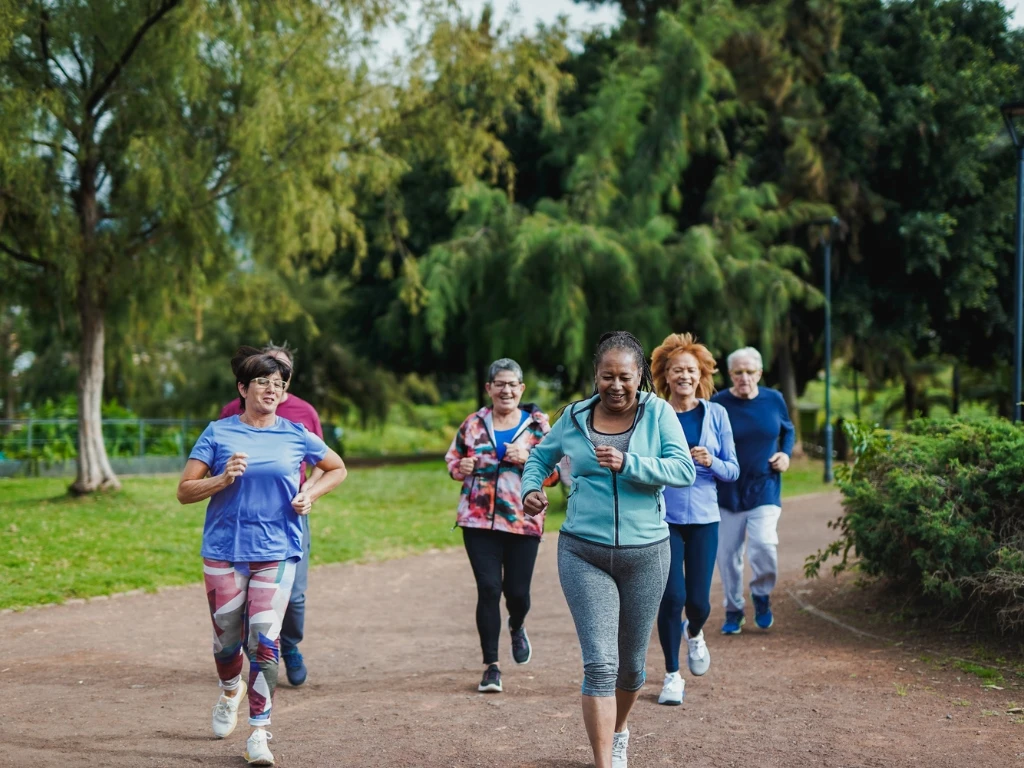
Best exercises for weight loss
There isn’t one “best” type of exercise for weight loss. Each one offers different benefits, and combining them can help support both weight loss and overall health.
Walking
Walking is one of the simplest and most accessible forms of exercise. It’s beginner-friendly, low-impact, and easy to fit into your daily routine. Although it burns fewer calories than higher-intensity workouts, regular walking can still meaningfully increase your daily calorie expenditure, especially when done consistently.
Aerobic exercise
Aerobic exercise, also known as cardio, increases your heart rate and burns calories during exercise while improving cardiovascular health, endurance, and overall fitness. They can also make it easier to stay active for longer periods as your fitness improves.
This includes activities such as:
- Running
- Cycling
- Swimming
- Dancing
Resistance training
Resistance training helps preserve lean muscle while you’re losing weight, which is important because muscle helps support your resting metabolism. It also improves strength, supports bone health, and makes everyday activities easier.
Aim to train all major muscle groups at least twice per week, whenever possible, with exercises such as:
- Free weights
- Resistance bands
- Bodyweight exercises
- Weight machines
High-intensity interval training (HIIT)
HIIT alternates short bursts of vigorous exercise with recovery periods. It can burn calories efficiently while improving cardiovascular fitness in less time than many traditional workouts.
However, HIIT isn’t appropriate for everyone. Beginners, people returning to exercise after a long break, or those with certain injuries or medical conditions may benefit from starting with lower-intensity activities before progressing to more vigorous workouts. The best exercise routine is one that’s safe, enjoyable, and sustainable.
What are the signs your body is burning fat?
Fat loss is usually reflected in gradual changes in your body composition and overall progress. Some signs that may indicate you’re losing body fat include:
- Your clothes fit more comfortably or become looser
- Your waist circumference gradually decreases
- You experience steady, gradual weight loss over time
- You notice increased muscle definition as body fat decreases
- Physical activities become easier because your endurance and fitness improve
- Your body fat percentage decreases if you’re tracking it using a reliable method
Signs that do not guarantee fat loss
On the other hand, certain experiences that come with post-exercise recovery may be easily mistaken for progress, but they do not necessarily mean you’re burning more fat:
- Sweating heavily (may be due to fluid loss and your body’s cooling response)
- Muscle soreness (typically a sign that muscles are recovering from exercise, not a sign of body fat loss)
- Feeling exhausted after a workout (harder workouts don’t always guarantee greater fat loss, and excessive fatigue may mean that the body needs more recovery)
How to make exercise more effective for weight loss
No workout is 100% perfect for weight loss on its own, but there are practical ways to make exercise much more effective:
Focus on building habits you can maintain over the long term
Even small changes to your physical activity, when done consistently, are more likely to produce lasting results than intense but short-term efforts. Start with two to three workouts per week, or a 30-minute walk most days if that feels more manageable.
Combine cardio and strength training
Cardio helps burn calories, while strength training helps preserve muscle and improve overall body composition.
Prioritize your protein intake
Include a source of protein with each meal, and consider a protein-rich meal or snack after exercise to support muscle recovery.
Stay hydrated
Drink 1. 5 times the fluid you lost during exercise to ensure that you properly rehydrate. Your needs may be higher depending on your activity level, body size, and the weather.
Get enough sleep
Aim for seven to nine hours each night to support recovery, energy levels, and healthy appetite regulation.
Exercise with others when you can
Walking with a friend, joining a fitness class, or exercising with family can make workouts more enjoyable and help you stay motivated. Having someone to share your progress with may also make it easier to stay consistent over time.
Find the right exercise and nutrition plan with Health Loft
Weight loss may be an important step towards better health, and exercise can certainly get you there, but it’s not the only approach to consider. Improvements in your strength, fitness, energy levels, and overall health are just as meaningful as changes on the scale.
That being said, exercise is most effective when combined with balanced nutrition and other changes to your lifestyle. What works for you may depend on your individual health goals, medical history, activity level, food preferences, medications, and way of life.
For a personalized plan to help you build healthy habits that are realistic, enjoyable, and easier to maintain over time, consider working with a weight-loss-specialized registered dietitian.
At Health Loft, our experts provide evidence-based guidance to help you reach your weight loss goals with confidence. Whether you’re just getting started, looking to improve your eating habits, or trying to overcome a weight loss plateau, we’ll work with you to create a personalized nutrition and exercise plan that fits your lifestyle.
No matter where you are in your weight-loss journey, talk with a Health Loft dietitian for personalized nutrition and exercise guidance. We’ll help you create a realistic plan that supports your goals and long-term health.
This article was reviewed by Katie Whitson, MS, RD, LD. It is intended for informational purposes only and does not replace personalized nutritional advice.