








Foods can be a source of comfort during cancer treatment, but when taste buds start to be affected, they can also be a source of frustration. A favorite meal may suddenly taste bitter, bland, too salty, or simply “off” for reasons that are hard to explain.
If you feel that chemotherapy is changing your taste buds, it’s not “just in your head.” Taste changes are a real side effect of treatment that may make eating more challenging and can affect appetite and overall nutrition.
Many people find that simple modifications to their food choices, meals, and eating habits help improve their experience with food during treatment.

Does chemotherapy change your taste buds?
Yes, chemotherapy can change taste buds and the mouth’s general sensitivity to flavors and textures.
Medications used in treatment can impact rapidly growing cells and may linger in the saliva, altering how taste receptors function. Some people also experience dry mouth or reduced saliva production as a result of treatment, which can contribute to flavors being duller during treatment.
Taste changes vary widely from person to person, with some individuals noticing only mild differences, while others find that eating becomes much more challenging. Some of the most commonly reported changes are:
- Foods that are normally bitter, sweet, or salty not tasting the same
- Foods tasting unusually sweet or salty
- Foods having less flavor or tasting bland
- Bitter or metallic taste in the mouth (most prominent after a high-protein meal, such as meat)
- All foods tasting the same, regardless of what kind
People on chemotherapy also often report an altered sense of smell, which may stem from the same changes in saliva flow and cell damage during treatment itself. Smells may either be stronger, reduced, or simply different from before. Others may also develop a sudden intolerance to smells they used to tolerate.
These changes in taste and smell often improve after treatment ends, although recovery may take weeks or months for some people. Modifying meals and eating habits may help improve your experience with food during treatment.
How to manage metallic or bitter taste changes during chemo
While changes in taste can make eating unpleasant, there are practical ways to overcome them. To treat metallic or bitter taste in the mouth from chemo in particular, observe the following tips:
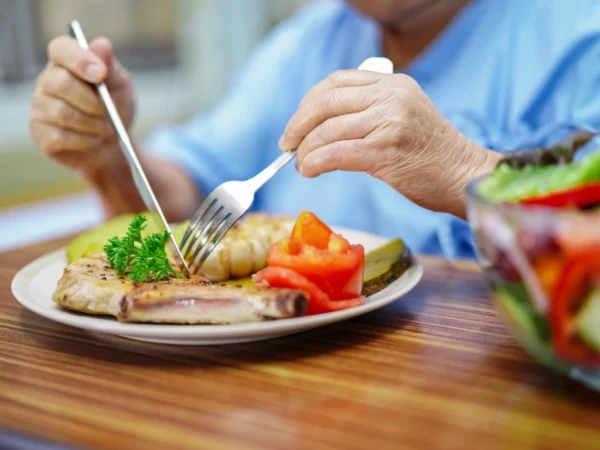
- Use plastic, bamboo, or wooden utensils instead of metal utensils
- Rinse your mouth before meals with water, a baking soda rinse, and a salt-water rinse if recommended by your care team
- Add lemon, lime, vinegar, or pickled flavors if tolerated
- Choose colder foods, which often have less intense flavors and odors
- Stay hydrated throughout the day
- Practice good oral hygiene to help reduce lingering tastes
When chemo makes food taste bad, try eating foods high in protein at cold or room temperature, optionally with a hint of tartness from lemon or lime to mask the metallic taste. Consider choices like:
- Chilled chicken and white bean salad with lemon vinaigrette
- Greek yogurt topped with berries and a spoonful of almond or peanut butter
- Egg salad made with lemon juice, served on whole-grain crackers
- Tofu and edamame salad with a light citrus dressing
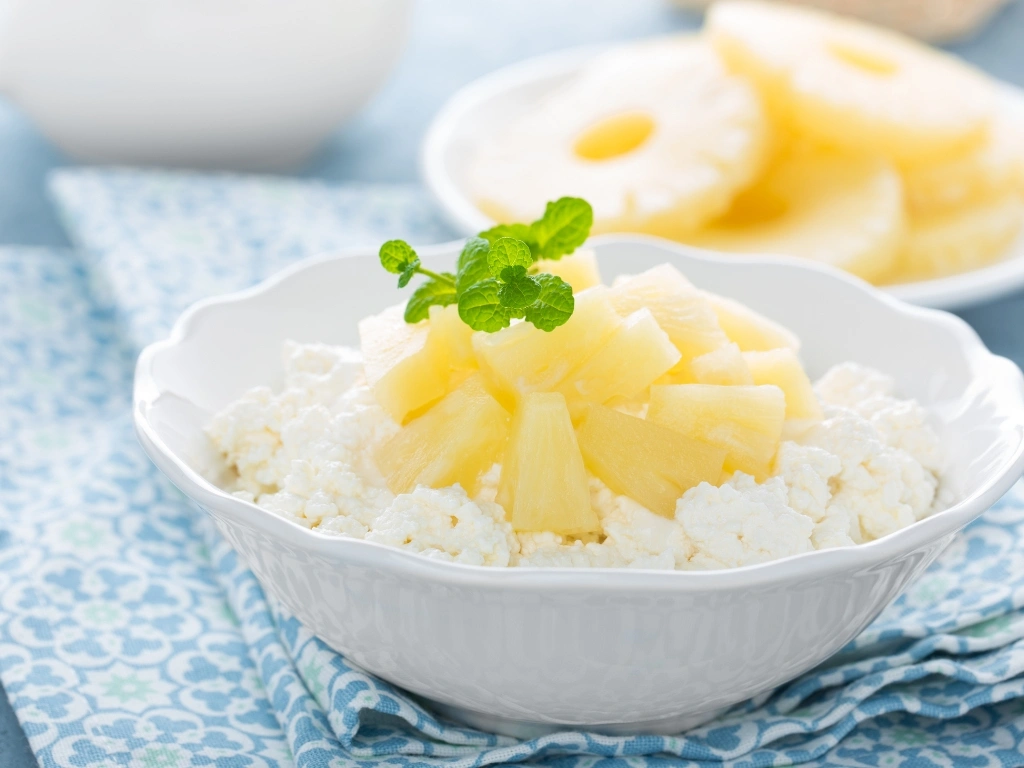
- Cottage cheese with pineapple chunks and lime zest
How to manage bland or tasteless food during chemo
Chemotherapy can reduce taste sensitivity, making foods seem flavorless or dull. To add flavor without overwhelming your palate or relying on too much sodium and sugar, try:
- Fresh herbs such as parsley, basil, or cilantro
- Citrus juice if mouth sores are not present
- Marinades for meats and proteins
- Mild sauces and dressings
- Ginger or garlic, if tolerated
- Different textures, such as crunchy vegetables or toasted grains
Below are some meal ideas for what you can eat when chemo makes food taste bad because everything seems bland or tasteless:
- Rice bowl with ginger chicken and fresh herbs
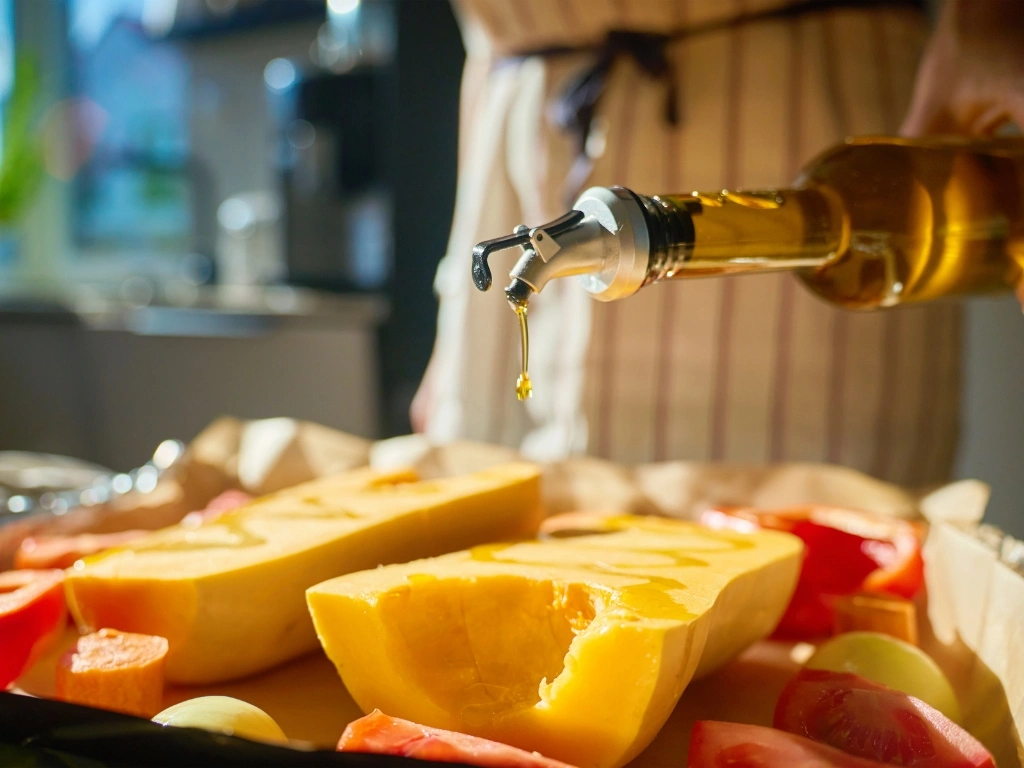
- Roasted butter squash with olive oil
- Vegetable soup topped with fresh parsley
- Grilled fish with lemon, dill, and roasted vegetables
- Greek yogurt topped with toasted nuts, fruit, and cinnamon
How to manage overly sweet food during chemo
Some people find that foods they once enjoyed suddenly taste overwhelmingly sweet during treatment. You may find it helpful to:
- Choose more savory foods
- Add a small amount of salt or tart flavor, such as lemon or vinegar, if appropriate for your health needs and tolerated.
- Dilute sweet beverages with water or ice
- Pair sweet foods with protein or fat
- Focus on less sweet fruits such as berries
If chemotherapy has made everything taste too sweet than usual, consider reaching for foods that emphasize savory, salty, tangy, or umami flavors, such as:
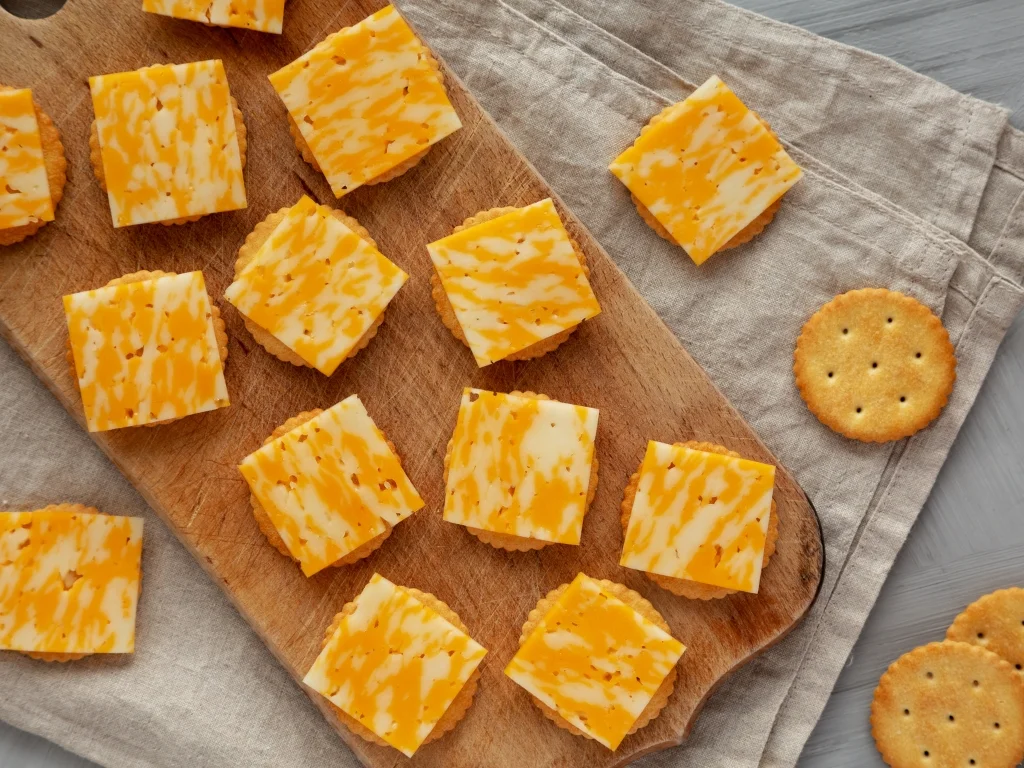
- Crackers and cheese
- Avocado toast
- Chicken or tofu grain bowl
- Hard-boiled eggs with a sprinkle of salt and pepper
- Roasted chickpeas seasoned with savory spices
How to manage overly salty food during chemo
There are also instances when people become more sensitive to salty flavors during chemotherapy. Some helpful strategies in these cases include:
- Choose lower-sodium foods when possible
- Add plain rice, pasta, or potatoes to salty dishes
- Sip fluids regularly to help reduce lingering tastes
- Avoid heavily processed foods if they seem overwhelming
- Experiment with fresh herbs instead of extra salt
It may be worth relying on the following choices when food tastes too salty:
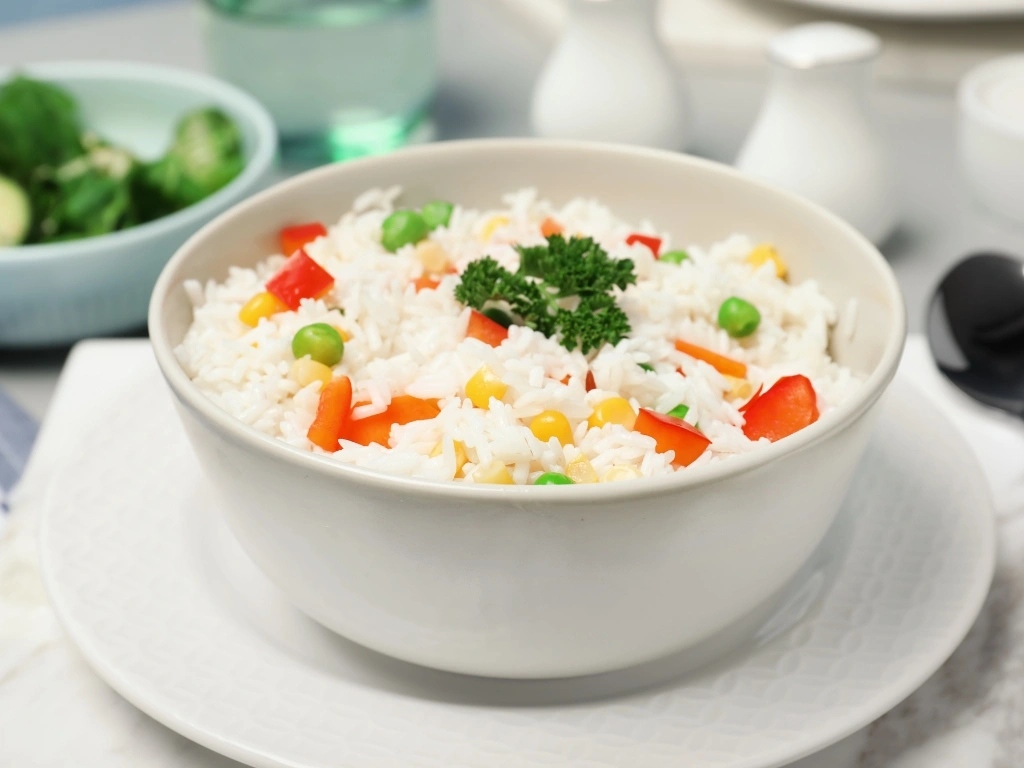
- Plain rice with steamed vegetables
- Plain pasta tossed with olive oil, herbs, and steamed broccoli
- Banana with peanut butter
- Baked potato topped with plain Greek yogurt and chives
- Unsalted scrambled eggs with whole-grain toast
How to manage changes in smells that may make eating difficult
Changes in smell can affect eating just as much as changes in taste. Strong food odors may trigger nausea, reduce appetite, or make favorite foods suddenly feel unpleasant. You may find it helpful to:
- Choose cold foods, which often have less odor
- Choose ready-to-eat foods, leftovers, or meals prepared by someone else when cooking smells feel challenging.
- Open windows or improve ventilation
- Ask family members to prepare meals if needed
- Select foods with milder aromas
If food smells make nausea worse, here are some mild-odor options you can consider:
- Overnight oats
- Chilled chicken salad wrapped in lettuce or a tortilla
- Hummus with pita bread and cucumber slices
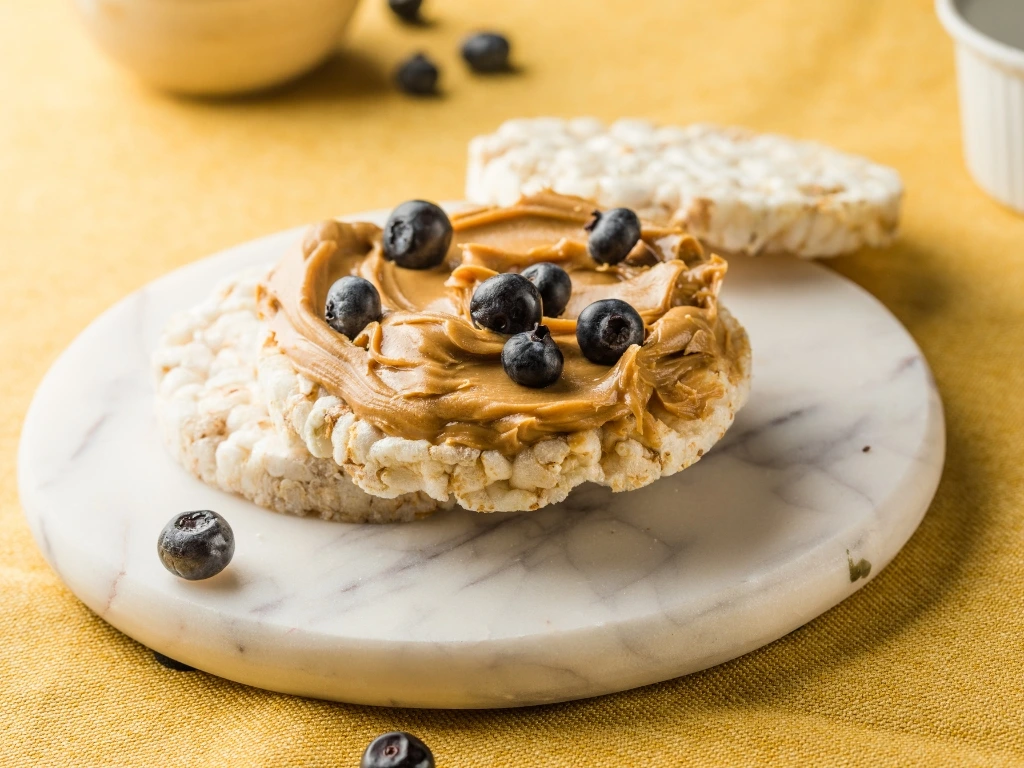
- Peanut butter and fruit with rice cakes
- Cold quinoa salad with beans and chopped vegetables
When to get extra support from your oncology team
If chemotherapy has caused your taste buds to change, there usually is no reason to worry. However, they can sometimes make it difficult to meet your nutritional needs when you’re not able to eat enough.
Inform your oncology team if food tastes unpleasant to the point that you’re:
- Skipping meals due to severe loss of appetite
- Losing weight unintentionally
- Struggling to maintain energy levels
- Experiencing persistent nausea and/or vomiting
- Having difficulties swallowing and/or getting mouth sores
- Feeling constantly dehydrated
Your oncology team can help you identify potential causes of symptoms and recommend treatments to manage side effects, maintain your nourishment, and support your strength throughout treatment.
Overcome eating challenges during chemo with nutrition advice from Health Loft
Eating less due to taste changes during chemotherapy does not mean you are failing at nutrition. Sometimes the goal is simply finding foods that feel manageable enough to eat consistently.
If you’re struggling with ongoing taste changes, appetite loss, nausea, or uncertainty about what to eat when chemo makes food taste bad, hands-on support from a registered dietitian may help.
At Health Loft, our dietitians work with people undergoing cancer treatment to develop realistic eating strategies tailored to their symptoms, preferences, and treatment plans. If you’re keen to learn how to wake up taste buds after radiation or chemotherapy, we can help you adapt meals in ways that make them more enjoyable and nourishing, even when eating becomes more difficult.
You do not have to figure it out alone. Reach out to a Health Loft dietitian for personalized nutrition support that helps you overcome changes in taste and eating patterns during chemotherapy.
This article was reviewed by Katie Whitson, RD, LD. It is intended for informational purposes only and does not replace personalized nutritional advice.