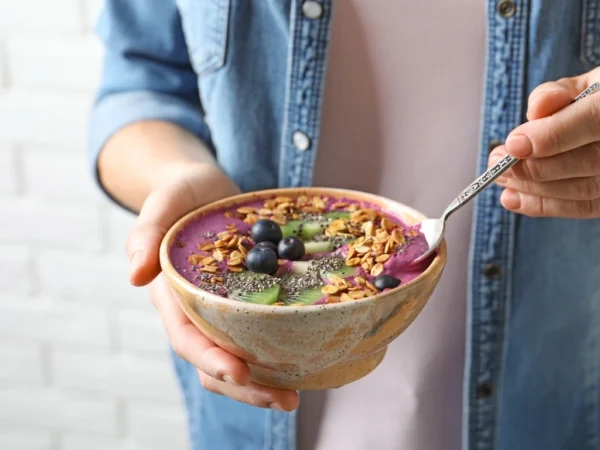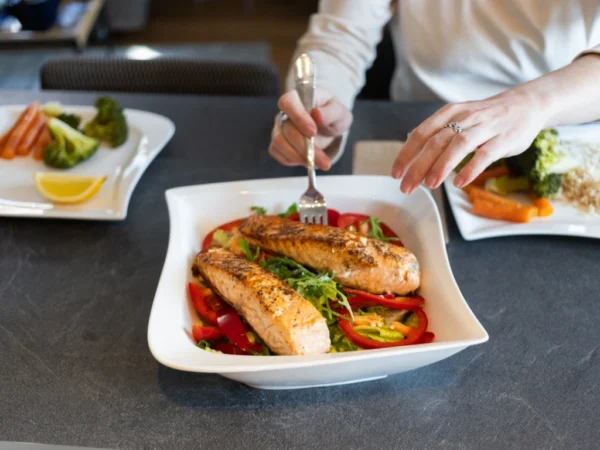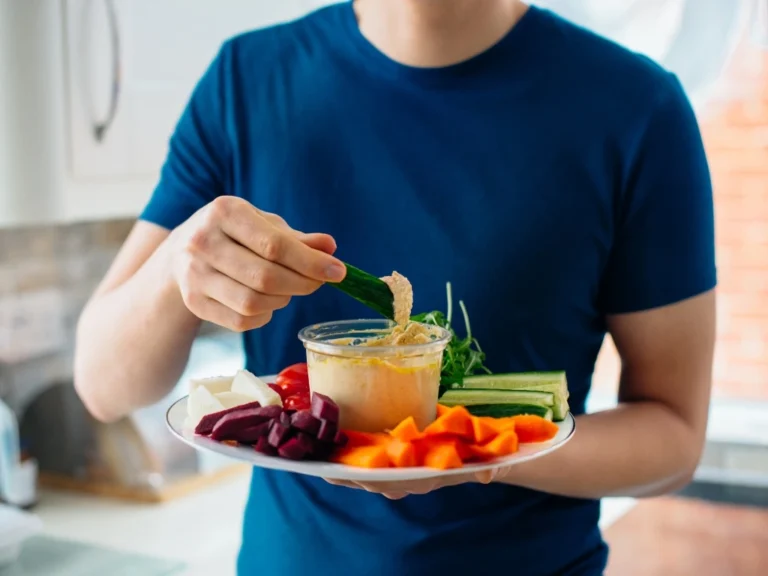









Recovering from colon cancer often entails some changes in how and what you eat. Nutrition needs may have to be altered depending on the type of treatment you received, your symptoms, stage of recovery, and overall health status.
To support the body before, during, and after treatment, it’s important to build a colon cancer diet that prioritizes balanced eating, comfort, hydration, and long-term recovery.

Why your diet may need to change during colon cancer treatment
Changing your diet is often necessary during treatment because cancer therapies can affect how your body digests food, absorbs nutrients, and manages bowel function.
Treatments such as surgery, chemotherapy, and radiation therapy may cause side effects such as:
- Diarrhea or vomiting, which may result in dehydration
- Nausea and fatigue, which may lead to loss of appetite
- Gas, cramping, and abdominal discomfort
- Inflammation, which can lower the body’s ability to digest properly
- Variable stool consistency
- Malabsorption of essential vitamins and minerals
- General difficulty or lack of motivation to eat enough food
These effects may also impact your physical strength, mental well-being, energy, and other aspects of health.
Adjusting your diet not only supports your body’s healing but may also help reduce discomfort, improve energy levels, and help you maintain a healthy weight throughout treatment and afterwards.
These dietary changes, however, should be personalized. For instance, some people tolerate smaller, more frequent meals or lower-fiber foods better during certain stages of recovery. Your colon cancer diet should ultimately reflect what makes the most sense for your body, and working with a registered dietitian can help you explore what options are best for you.
Research has shown that structured, personalized dietary guidance through treatment can significantly improve nutritional outcomes, psychological health, and quality of life in people receiving chemotherapy for gastrointestinal cancers.
Foods to eat before colon cancer treatment
In the weeks leading up to chemotherapy or radiation therapy, it’s essential to eat well as a means of fueling up. This can help build up your strength and overall nutritional status, which will be needed once your body begins undergoing chemotherapy or radiation therapy.
Focusing on steady, balanced meals that include lean proteins, fruits and vegetables, whole grains, legumes, and healthy fats gives your body a better foundation to handle the physical demands of cancer treatment, helping support your immune system and maintain muscle mass.
It can also be helpful to plan ahead at this point. Side effects from cancer treatment, such as fatigue, nausea, changes in taste, or a reduced appetite, can all make cooking and meal preparation much more difficult.
Consider stocking your refrigerator, freezer, and pantry with nutritious foods that are easy to prepare and that you already know you enjoy eating. If possible, prepare and freeze a few meals before treatment starts. Having convenient, familiar foods available can help you eat well even on days when your energy or appetite is lower.
Here are some practical food choices to keep on hand:
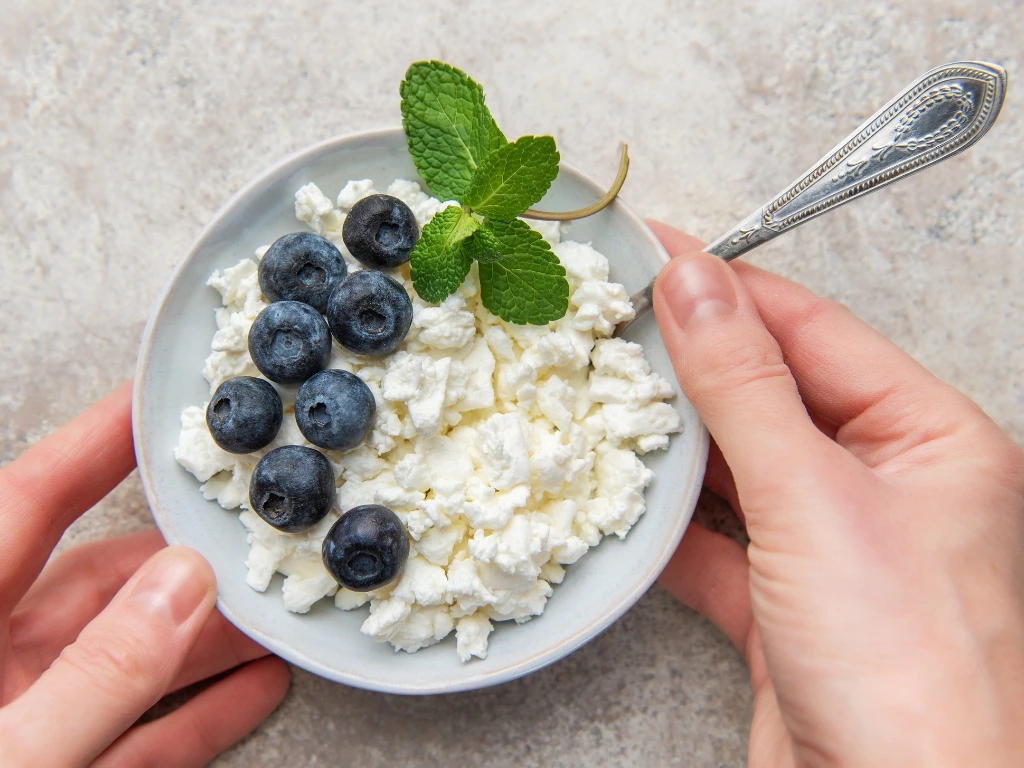
- Eggs, Greek yogurt, and cottage cheese for protein (if you tolerate dairy)
- Oatmeal, whole-grain cereal, and crackers for quick, easy meals
- Bananas, applesauce, and frozen fruit
- Soups, broths, and simple frozen meals
- Nut butters, nuts, seeds, and avocados for extra calories and nutrients
- Smoothie ingredients such as yogurt, fruit, and milk or milk alternatives
If surgery is part of your treatment plan, follow the specific nutrition instructions provided by your surgeon and healthcare team. Depending on the procedure, you may have to observe a special diet, complete a bowel preparation, or avoid food and drinks for a period of time before surgery.
Because these requirements tend to vary from person to person, always prioritize your care team’s guidance over generic recommendations.
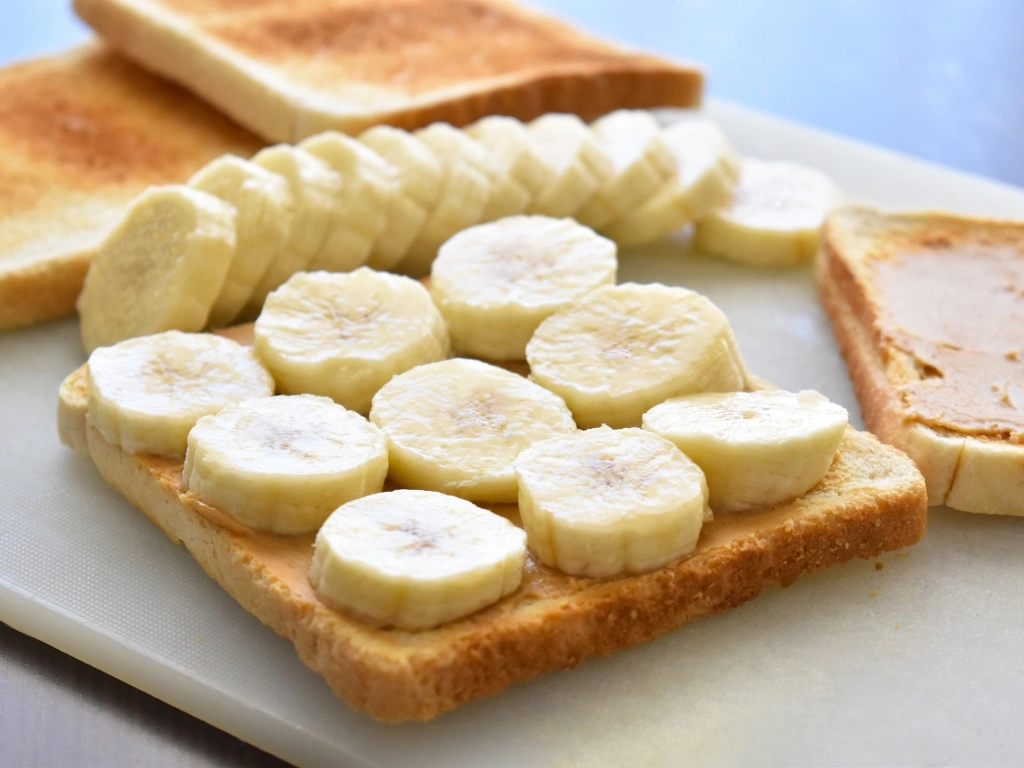
Foods to eat during colon cancer treatment
While chemotherapy and radiation therapy can affect the body in different ways, many nutrition strategies overlap. The best foods for you will depend on the side effects you’re experiencing, so it can be helpful to adjust your diet based on your symptoms rather than the type of treatment itself.
If you’re experiencing nausea
Eating smaller meals more often and choosing bland, easy-to-digest foods may help settle your stomach.
- Plain crackers, toast, or pretzels
- Oatmeal, cream of wheat, or plain rice
- Applesauce, canned fruit, or bananas
- Broth-based soups
- Ginger or peppermint tea
If you’re experiencing diarrhea
Diarrhea can occur during chemotherapy and is also common with radiation to the pelvic area. Staying hydrated and choosing lower-fiber foods temporarily may help reduce symptoms.
- Bananas, rice, applesauce, and toast (the BRAT diet)
- White rice, pasta, or skinless potatoes
- Clear broths and soups
- Electrolyte drinks
- Oatmeal or cream of wheat
Once symptoms improve, higher-fiber foods can often be reintroduced gradually with guidance from your healthcare team.
If you’ve lost your appetite
When eating feels difficult, focus on foods that provide calories and protein in smaller portions.
- Smoothies with yogurt or protein powder
- Greek yogurt or cottage cheese
- Nut butters
- Avocados
- Nutrition shakes or meal replacement drinks
If you have mouth sores or difficulty swallowing
Soft, moist foods are often easier to eat and less likely to irritate sensitive tissues. Soft, moist, or pureed foods at room temperature or cool may be appropriate. Small, frequent meals can also be utilized to maximize caloric intake.
- Mashed potatoes or sweet potatoes
- Yogurt, pudding, or custard
- Smoothies and milkshakes
- Applesauce
- Scrambled eggs
If side effects make it difficult to eat or maintain your weight, speak with your healthcare team or a registered dietitian. They can help tailor recommendations to your specific symptoms and treatment plan.
Foods to eat after colon cancer treatment
During the recovery period, symptoms like nausea, appetite loss, taste changes, constipation, or diarrhea may linger, depending on the specific treatment you received. An effective colon cancer diet must be tailored to the undergone treatment, as well as how your body responds.
Chemotherapy may make heavy meals or strong flavors difficult to tolerate, while radiation therapy can irritate the bowel. As for a colon cancer operation, dietary adjustments may depend on whether you’ve had a stoma or ileostomy.
It’s also worth remembering that food tolerances may generally vary from person to person, so nutrition plans are always best personalized.
Still, the following foods are valuable starting points for building a colon cancer diet that may work for you throughout recovery.
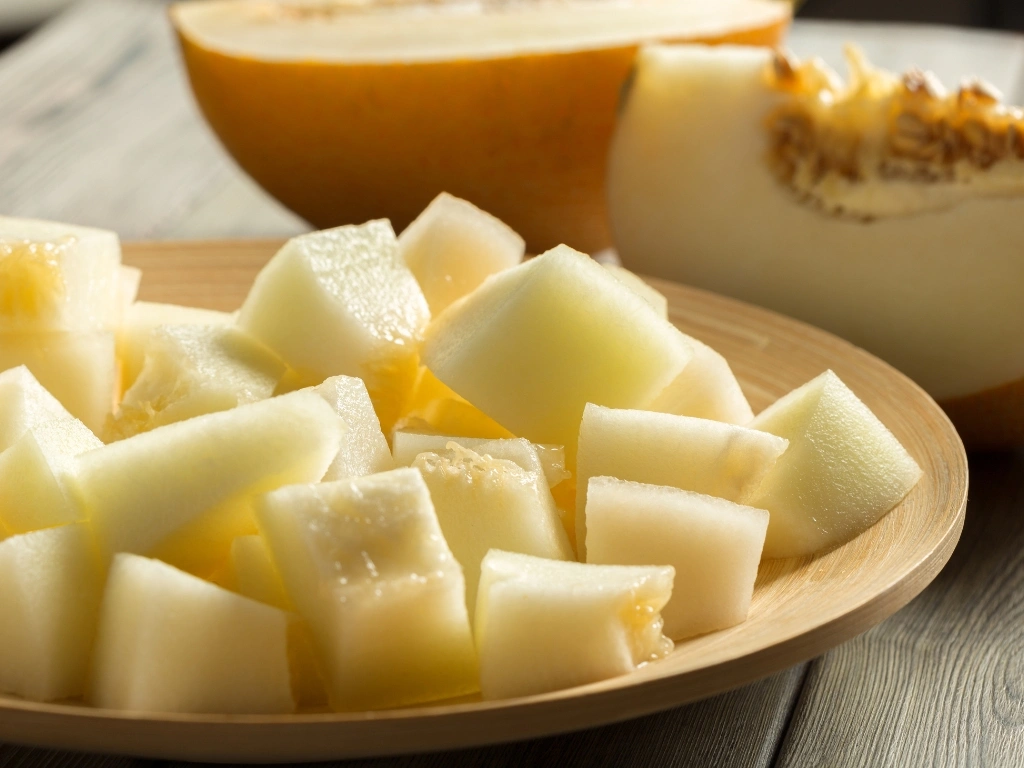
Gentle fruits and vegetables
Soft, easy-to-digest produce can provide vitamins, hydration, and fiber without irritating the bowel. Some good options to consider are:
- Bananas
- Melon
- Apples (cooked)
- Pears (cooked)
- Cooked carrots (cooked)
- Squash (mashed, if needed)
- Sweet potatoes (mashed, if needed)
- Courgettes
During early recovery or a low-fiber diet, removing skins and seeds may help reduce bloating or cramping. Research found that colorectal cancer survivors who ate more vegetables and fruit reported better quality of life and less fatigue.
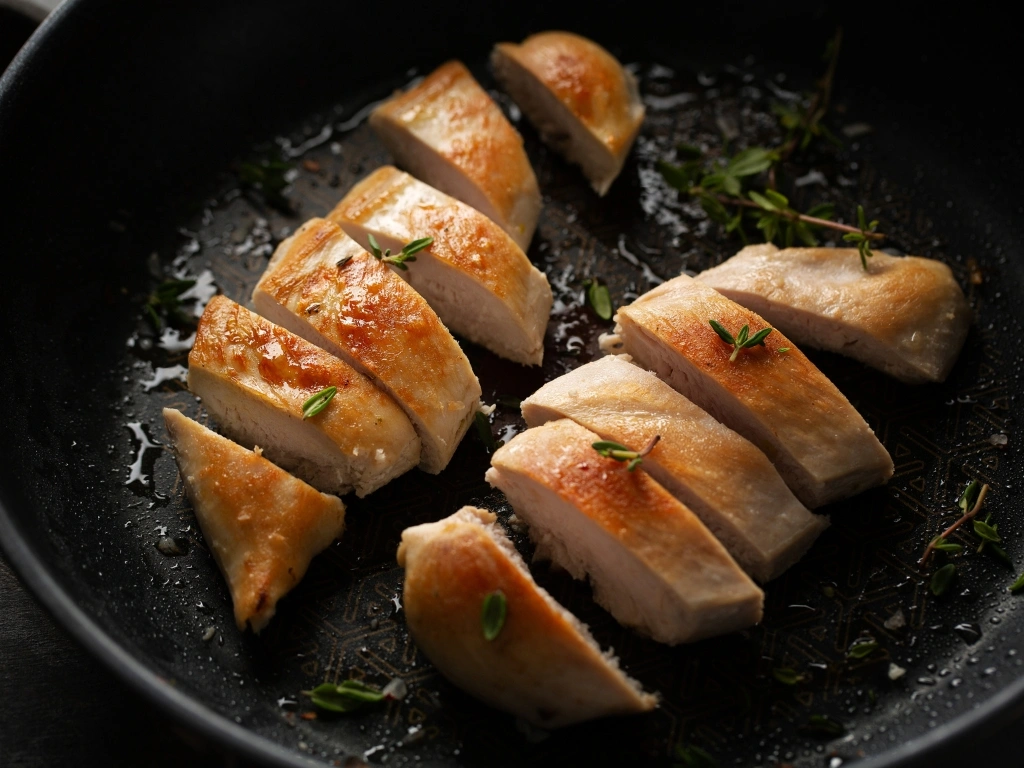
Lean proteins
Lean proteins are among the most important foods to eat for colon cancer recovery because they help repair tissue and maintain physical strength. The following are often easier to tolerate than fried or processed meats:
- Skinless chicken
- Fish
- Eggs
- Pulses
- Greek yogurt
- Smooth nut butters
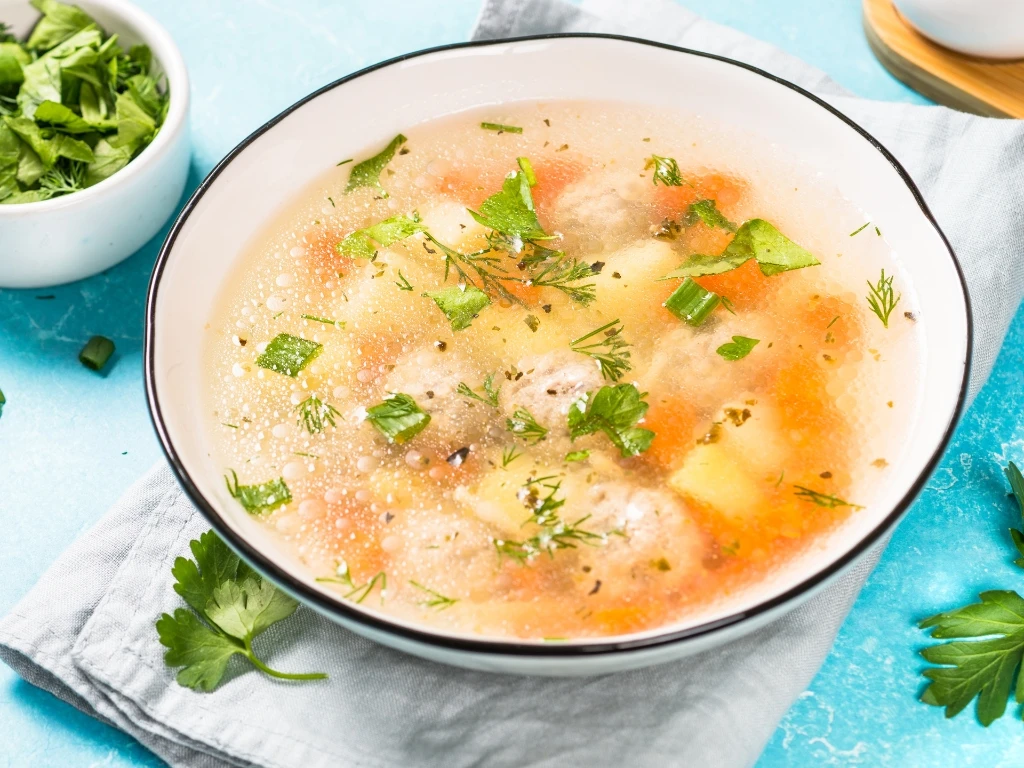
Water and nourishing liquids
Hydration is especially important for people experiencing diarrhea or living with an ileostomy. Water is always the best choice, but other liquids may also be considered to help thicken stool and prevent dehydration while being gentle on digestion:
- Soups
- Broths
- Thin stews
- Porridge
- Gruel
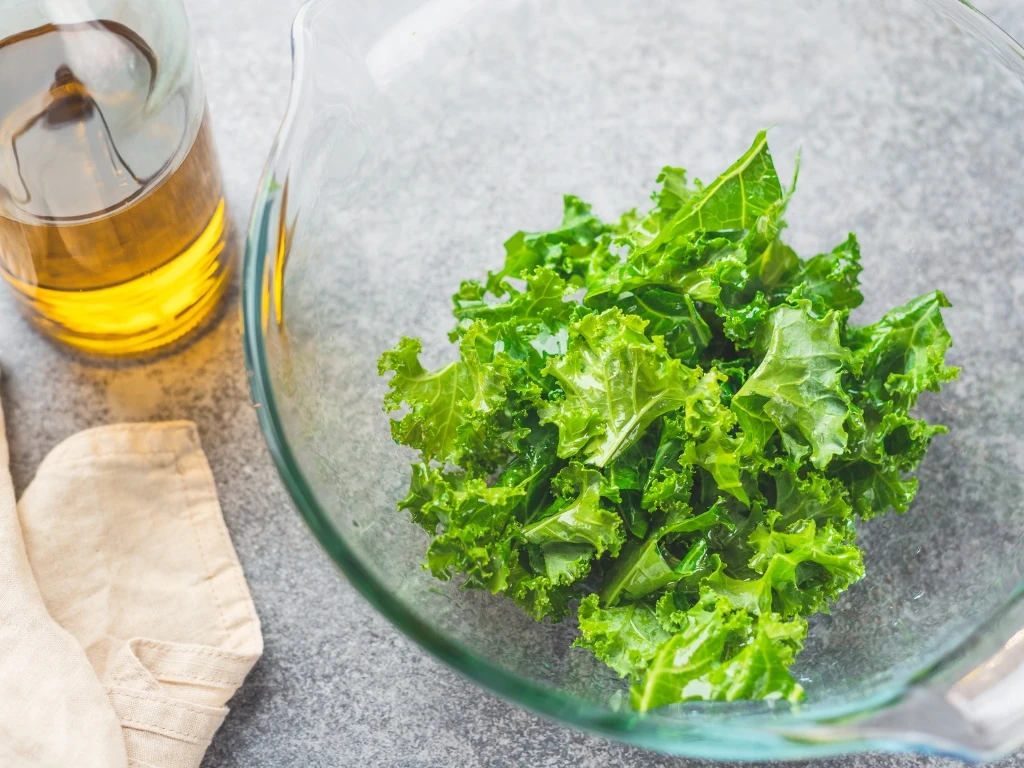
Anti-inflammatory foods
Research suggests that an anti-inflammatory diet, combined with regular exercise, may improve outcomes for some colon cancer survivors. Foods linked with this pattern include:
- Leafy greens
- Berries
- Olive oil
- Nuts
- Fish
- Green tea
Meanwhile, processed meats, sugary drinks, and heavily processed foods must be limited, as these can trigger inflammation.
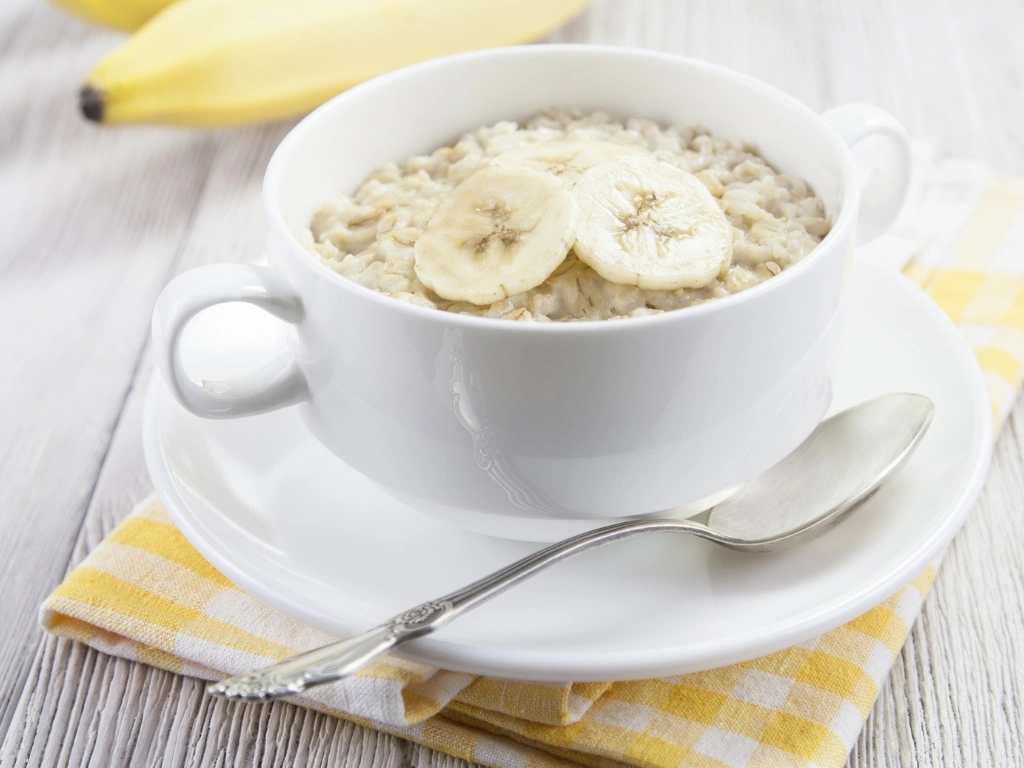
Whole grains
Since whole grains are rich in fiber and essential phytochemicals, eating them during colon cancer recovery may promote better bowel regularity, while helping reduce gastrointestinal inflammation and enhancing gut health altogether.
Research also strongly links diets high in refined grains to elevated insulin resistance, which increases the risk of colon cancer recurrence. Replacing refined carbs with whole grains can help regulate blood sugar, lower insulin levels, and deprive cancer cells of the insulin spikes they rely on to grow.
Consider options like:
- Oats
- Brown rice
- Quinoa
- Whole-grain bread
That said, some people recovering from surgery, chemotherapy, or radiation therapy may temporarily need a low-residue approach before they can gradually be reintroduced to higher-fiber foods like whole grains.
A low-residue diet is a short-term eating approach that temporarily limits foods high in fiber or difficult to digest in order to reduce the amount of stool moving through the bowel. Many people gradually return to a more varied diet once they’re fully recovered.
Start eating in a way that helps you recover after treatment
Recovery after colon cancer treatment can take time, especially when so many aspects of your health have changed. Because every person’s experience is unique, a colon cancer diet should also be tailored specifically to the treatment you underwent, the symptoms you experience during and after treatment, how your body is responding to treatment and recovery, and your personal food tolerances, among other key factors.
A registered dietitian specializing in cancer nutrition can help create a personalized plan that supports your healing while making sure that healthy eating feels achievable for you day-to-day.
At Health Loft, cancer nutrition support may include:
- Helping you maintain weight and rebuild strength, energy, and immunity
- Determining your calorie, protein, and fluid needs and ensuring you meet these goals through personalized meal plans and strategies
- Addressing lingering or recurring symptoms, such as loss of appetite, dry mouth, changes in taste, nausea, difficulty swallowing, and diarrhea
- Recommending dietary supplementation as needed
- Teaching you the best approaches to food safety to prevent infections during periods of low immunity
- Working with you to rekindle your relationship with food, overcoming any food fears that may have developed before or during treatment
With accessible telehealth sessions that you can attend wherever you are and at $0 cost, depending on your insurance coverage, Health Loft is here for you every step of your recovery. Connect with a Health Loft dietitian to start your journey toward better nutrition today.
This article was reviewed by Solveig Adalsteinsdottir, MS, RDN, LDN. It is intended for informational purposes only and does not replace personalized nutritional advice.