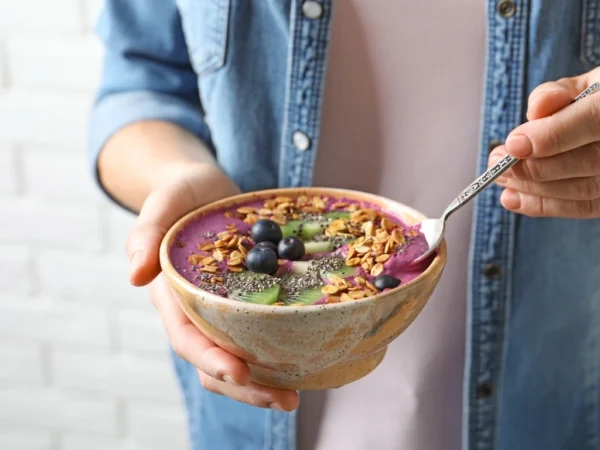









Finding foods that a picky eater will actually accept can be a challenge. For many families, mealtimes may become a source of stress or frustration, especially since children often need repeated, low-pressure exposure to foods before they feel comfortable touching, tasting, or accepting them.
While progress is rarely immediate, it is still possible with patience and the right approach. This guide provides a practical food list for picky eaters, featuring ideas that are easy to prepare and designed to reduce mealtime stress for both parents and children.

10 healthy food options for a picky toddler
If you’re wondering what to feed a picky toddler, it’s good to remember that kids naturally gravitate toward predictable textures, mild flavors, and simple, familiar foods.
Every child’s preferences, appetite, and sensory needs are different, so there is no single “perfect” picky eater food list to observe strictly. Instead of focusing on getting toddlers to eat everything when they’re not yet ready, it may help to offer a variety of nourishing foods in ways that feel comfortable and manageable for your child.
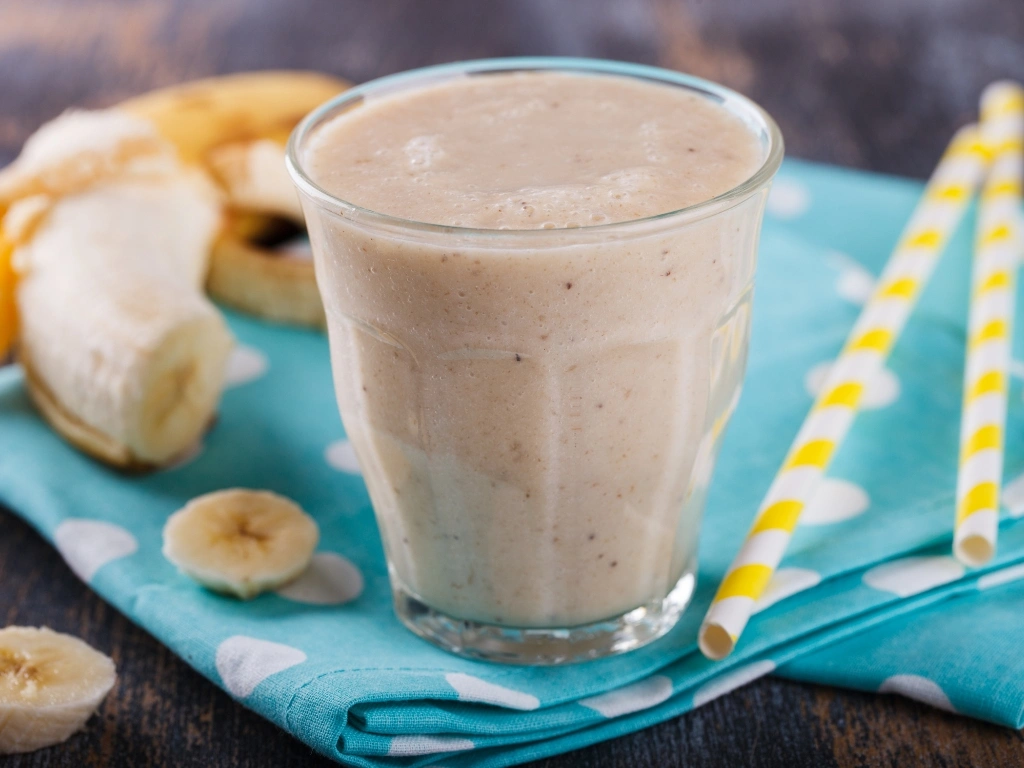
1. Banana smoothies
Banana smoothies are often appealing to picky eaters because of their smooth texture, mild sweetness, and predictable flavor. Bananas also provide carbohydrates, potassium, and fiber that can be supportive of energy and digestion.
Add yogurt, milk, nut butter, oats, chia seeds, or other frozen fruit to your smoothies for additional nourishment while still keeping the texture familiar. Using your kids’ favorite fruits can help make smoothies feel much more appealing to them.
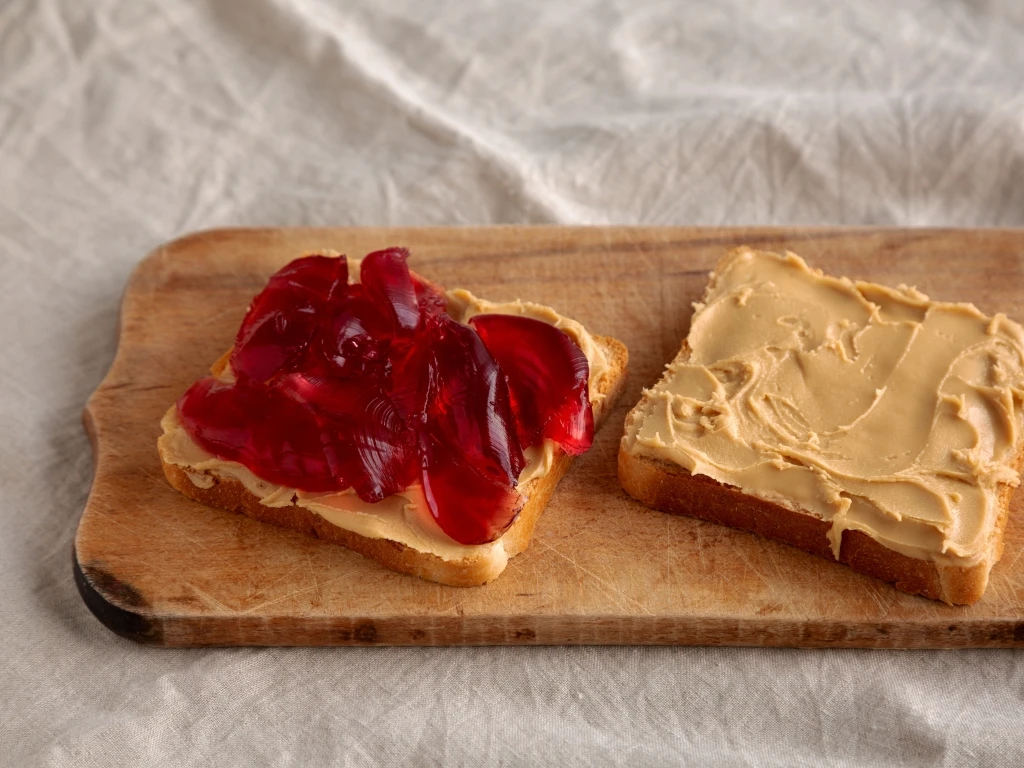
2. Peanut butter and jelly toast
Peanut butter toast with jelly combines carbohydrates, healthy fats, and protein in a simple, familiar snack or meal. The soft texture and mild sweetness may feel approachable for toddlers who prefer predictable flavors and easy-to-eat foods.
You can also try different breads or seed butters depending on your child’s preferences and allergy needs.
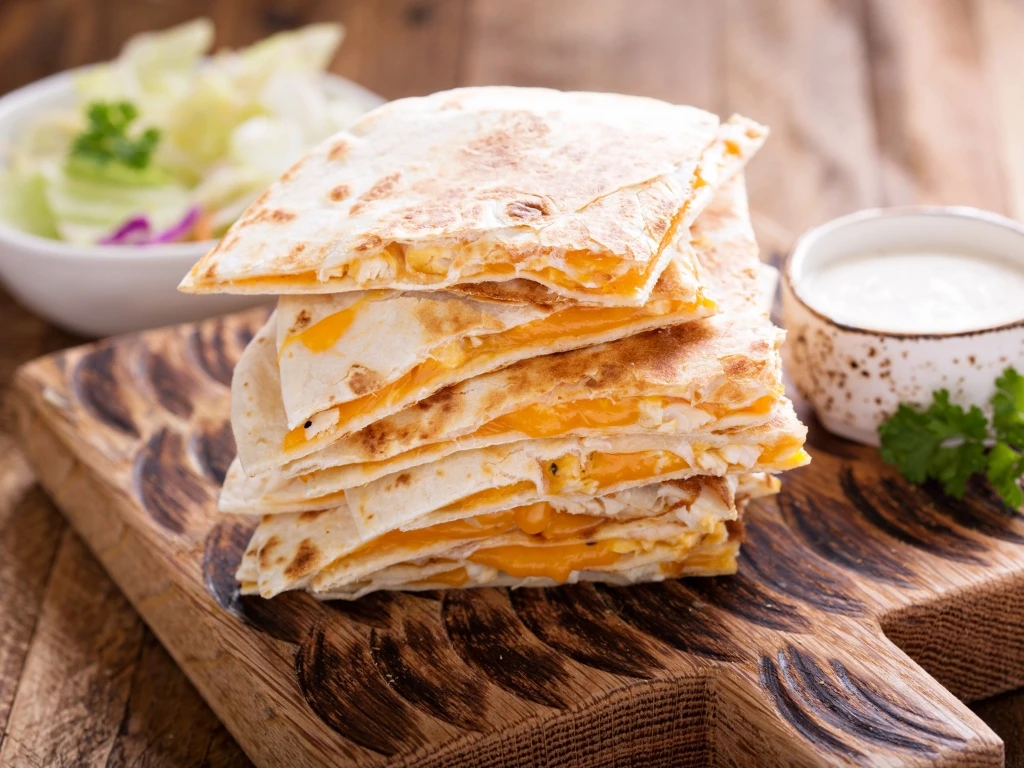
3. Quesadillas
Quesadillas are easy to customize with other ingredients or pair with other foods. They may also be a safe choice for picky eaters because of their soft texture, mild flavor, and protein and calcium content from the cheese.
Keeping fillings simple at first helps meals feel less intimidating. Over time, consider adding ingredients like shredded chicken, beans, avocado, or finely chopped vegetables gradually without dramatically changing the texture to help your child expand their food preferences.
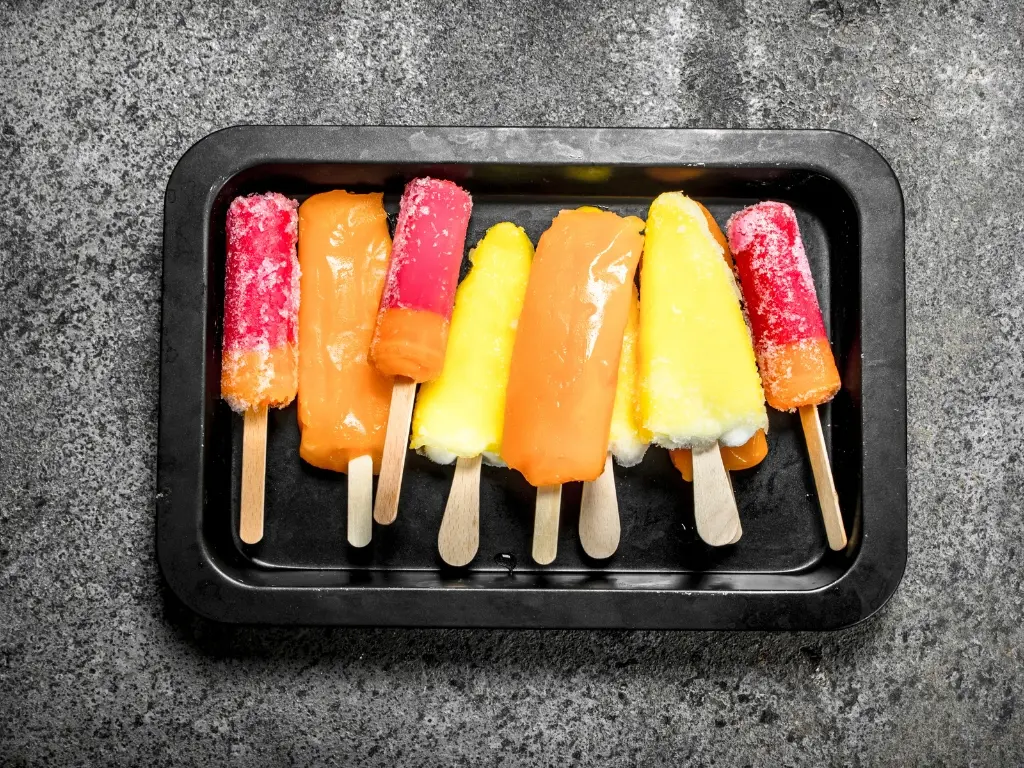
4. Frozen fruit pops
“A practical way to sneak vegetables onto your child’s plate is through sweet treats like frozen fruit pops,” says Health Loft registered dietitian Haleigh Mann, MS, RDN, LDN.
Fruit pops may feel easier for some picky eaters, especially for children who are sensitive to strong smells or textures. Providing hydration, vitamins, fiber, and flavor, they can also be customized with yogurt, milk, or blended fruit or vegetables when made at home.
“The key here is to pre-blend the veggies to get rid of as many chunks or textures as possible before adding to the dish. I’ve made many sweet treats with added protein, fiber, vitamins, and minerals just by sneaking in legumes like chickpeas or black beans.”
To keep the flavor or color intact, Mann recommends adding carrots. “I like to get a variety pack with orange, white, yellow, and purple carrots to add to different types of smoothies for an extra punch of fiber and vitamin A.”
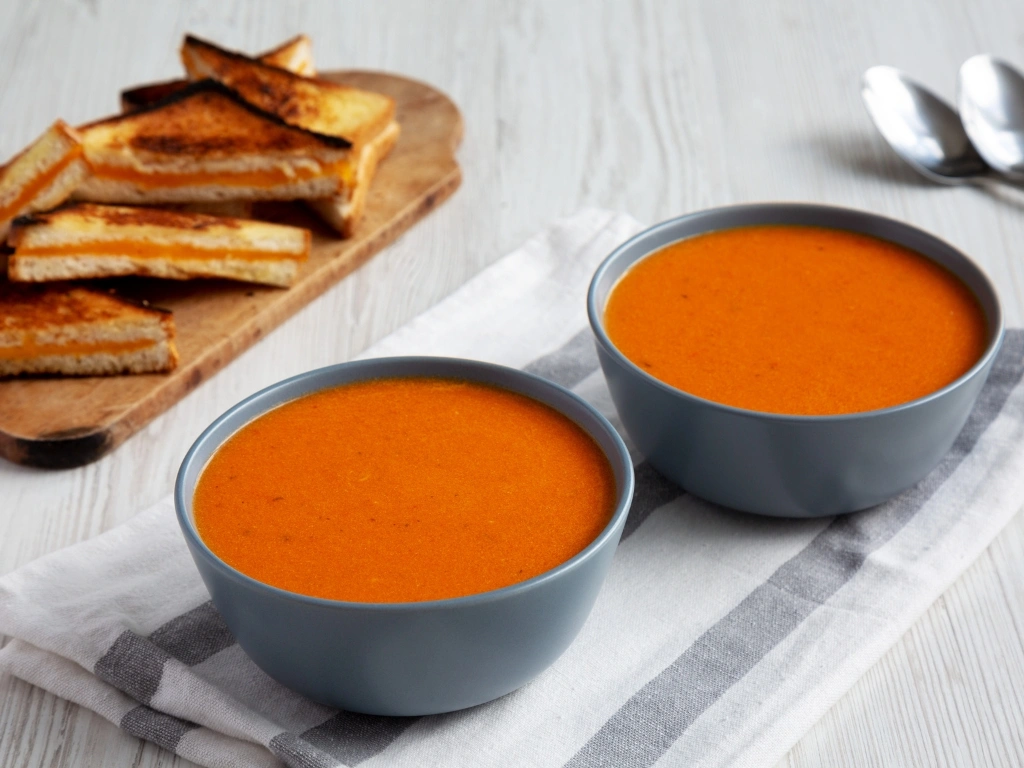
5. Roasted tomato soup
Next on this food list for picky eaters is tomato soup, which also has a soft texture, mild flavor, and comforting warmth that kids may appreciate. A good source of vitamins and hydration, soup can also be easily paired with a grilled cheese sandwich, crackers, or pasta to help meals feel more balanced.
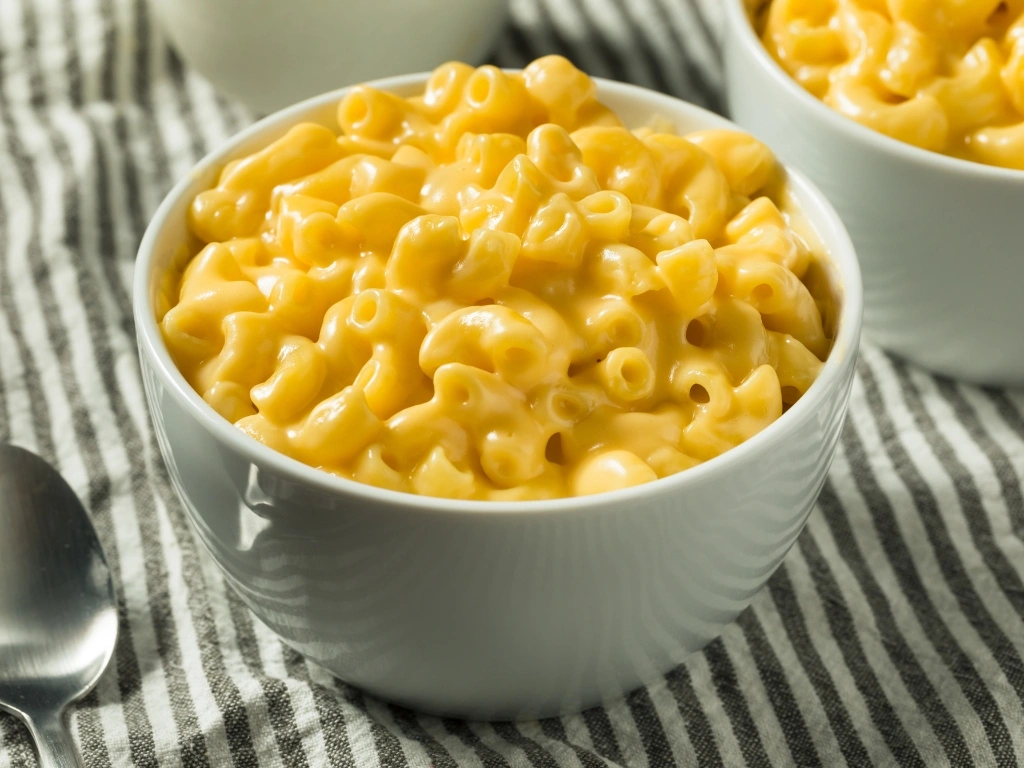
6. Homemade mac and cheese
Mac and cheese is a familiar comfort food for many toddlers because of its creamy texture and predictable taste. Cheese and milk also provide calcium, protein, and energy that can support kids’ growth.
Feel free to experiment with different pasta shapes or blend in small amounts of puréed vegetables to keep the meal interesting but still recognizable.

7. Scrambled eggs
Scrambled eggs are soft, simple, and packed with protein, healthy fats, iron, and important nutrients for brain development. Many toddlers also find them easy to chew and swallow.
Serving eggs with toast, meat, or potatoes may help create a more nourishing meal without adding too many unfamiliar foods at once.
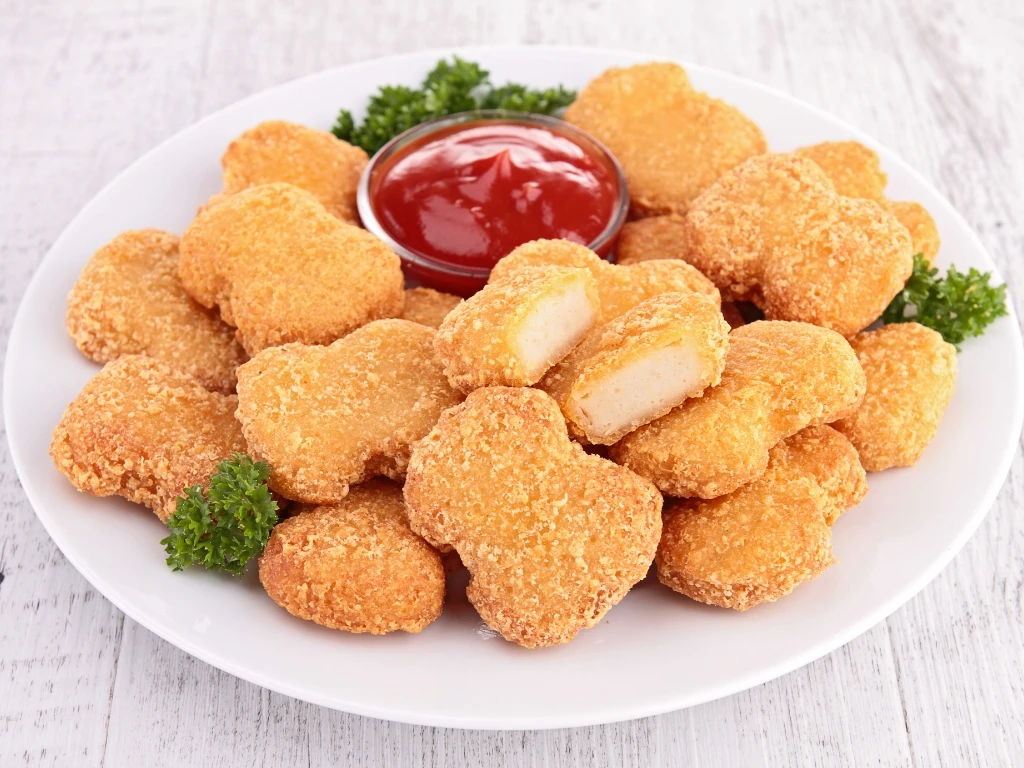
8. Chicken nuggets or baked chicken strips
Many picky eaters do appreciate fried foods, and chicken nuggets are typically a child-friendly option with an approachable crispy coating, mild flavor, and predictable texture. They’re also rich in protein, which is essential to boosting growth and supplying steady energy throughout the day.
Serving nuggets with roasted potatoes, pasta, or their favorite dipping sauce, like ranch or ketchup, may help to create a more well-rounded plate without drastically increasing pressure around eating.
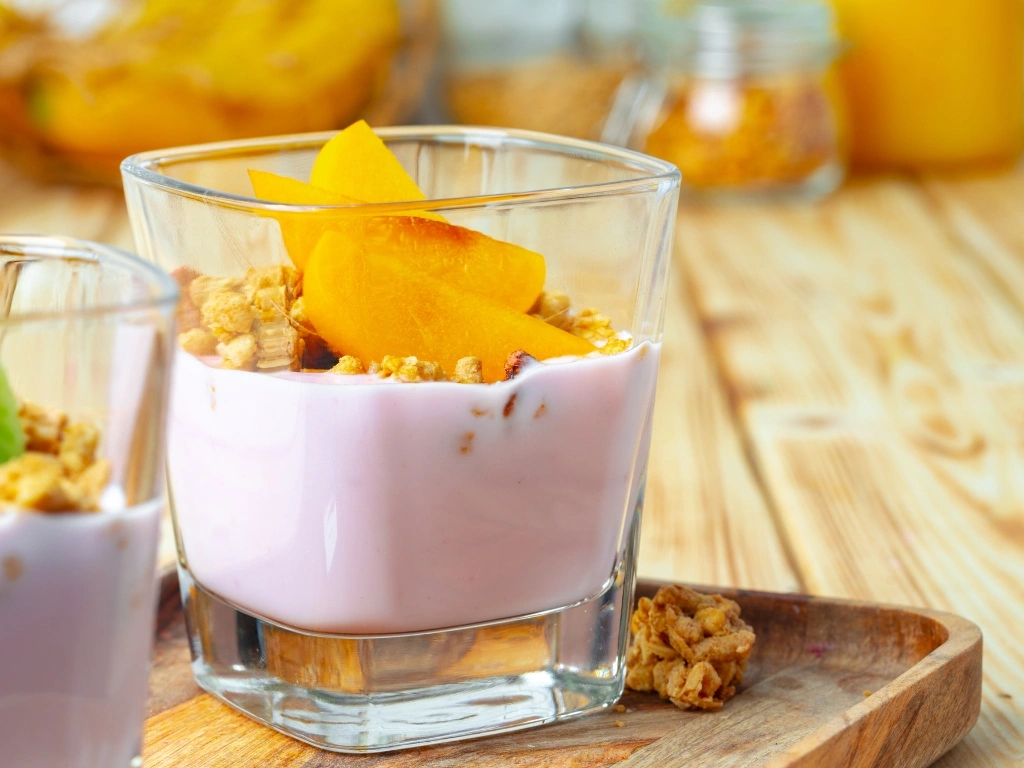
9. Yogurt with fruit and/or granola
Yogurt offers protein, calcium, and probiotics that help with digestion and growth. Its smooth texture may also feel more manageable for toddlers who dislike mixed or crunchy foods.
Depending on how your child likes the taste of yogurt, they may prefer plain yogurt with fruit on the side, enjoy blended smoothies, or go for parfaits with granola.

10. Mini pancakes or waffles
Capping off this picky eater food list are mini pancakes or waffles, which are often familiar and easy for toddlers to handle independently. They provide carbohydrates for energy and can be paired with mild-flavored protein, healthy fats, or fruit — such as oats, yogurt, eggs, butter, or banana — to allow meals to be more filling.
How to approach mealtime with a picky eater
Supporting a picky eater is often less about helping them develop “perfect” eating habits or following a strict food list. Instead, picky eaters should be encouraged to pursue healthy choices in ways they still enjoy and slowly ease into food variety, so they can eventually build an overall healthier relationship with food.
Aim for balance
Try to include a mix of carbohydrates, protein, healthy fats, fruits, and vegetables throughout the day. When feeding picky eaters, healthy foods can be simple, familiar options that contribute to balanced nutrition over time.
Offer choices instead of open-ended questions
Instead of forcing kids to eat certain foods or using bribes to get them to comply, give them the freedom to actually decide. Start by offering them two simple options, such as apple slices or strawberries, to help them feel more involved and autonomous while still keeping options within the foods you are comfortable serving.
Avoid labeling foods as “good” or “bad”
Neutral language around food, such as saying “you don’t have to eat it all, but let’s try a bite,” may help reduce pressure around meals. It can also be helpful to avoid making children feel guilty for enjoying foods like chips, sweets, or other occasional treats.
Make meals visually simple
Some children may feel overwhelmed by large portions, mixed foods, or too many options on the plate. Simpler presentations may help meals feel more approachable.
However, every child is different, and some may respond well to foods cut into fun shapes, colorful arrangements, or creative presentations that make mealtimes feel more engaging.
Prioritize connection during meals
Mealtimes do not always have to focus entirely on how much a child eats. Talking, sitting together, and creating positive experiences around meals may help reduce anxiety around food over time.
Overcome picky eating with pediatric nutrition support from Health Loft
Picky eating can sometimes leave parents feeling stuck between wanting their child to eat enough and wanting to avoid turning mealtimes into a source of stress. Feeding challenges often improve gradually with support, consistency, and low-pressure experiences around food, and having a reliable list of foods for picky eaters can be a helpful place to start.
However, if your child’s eating habits are beginning to affect family routines, create ongoing stress around meals, or make it difficult to meet their nutritional needs, help is always within reach.
At Health Loft, we work with families navigating picky eating, selective eating patterns, and a wide range of childhood feeding concerns. Our registered dietitians specialize in pediatric nutrition and provide individualized, evidence-informed guidance tailored to each child’s unique needs, habits, preferences, and sensory experiences.
We can help you help your child. Connect with a Health Loft dietitian to feel more confident and supported along the way.
This article was reviewed by Haleigh Mann, MS, RDN, LDN. It is intended for informational purposes only and does not replace personalized nutritional advice.