








Key points
- A balanced diet helps support strength, energy, and hydration throughout breast cancer treatment.
- Whole foods rich in protein and fiber should be prioritized, while alcohol, sugars, saturated fats, and high-sodium foods are best limited.
- Easy-to-tolerate foods also help ease breast cancer treatment side effects like nausea, fatigue, and mouth sores.
If you’re feeling confused about nutrition advice you may have received after a breast cancer diagnosis, the problem isn’t you. You may have been told to “eat healthy” without receiving much detail on how to do this, leaving you to wonder which foods are helping or hurting your body during treatment.
In reality, certain foods do help support your energy, hydration, strength, and recovery during treatment, but there are also choices that may exacerbate side effects or feel more difficult to tolerate depending on how you’re feeling physically.
This guide breaks down practical breast cancer foods to eat, along with foods that may be worth limiting during treatment, so that eating can feel a little less confusing and a little more realistic for your day-to-day routine.
What should a balanced breast cancer diet focus on?
A balanced breast cancer diet generally emphasizes maintaining nourishment, hydration, energy, and muscle strength throughout the entirety of the treatment process.
This often means building meals around:
- Protein-rich foods
- Fruits and vegetables
- Whole grains and fiber-rich carbohydrates
- Healthy fats
- Adequate fluids
Your nutrition needs may change throughout treatment depending on your symptoms, medications, appetite, and energy levels. On some days, you may tolerate full meals well, while on other days, simpler foods and smaller portions may be more realistic.
Foods to eat during breast cancer treatment
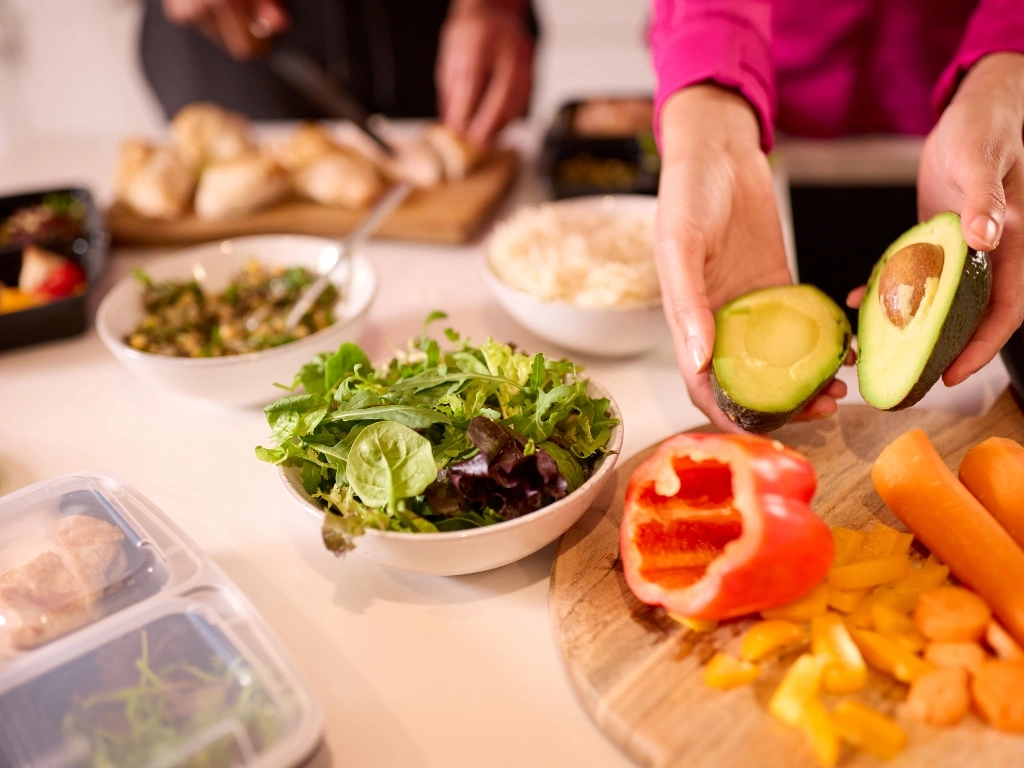
Many of the best breast cancer foods to eat are foods that help to support hydration, energy, strength, and overall nutrition during treatment.
These foods are not cures for breast cancer, and no single food can prevent breast cancer on its own. However, research suggests that a balanced eating pattern rich in fruits, vegetables, fiber, and minimally processed foods may support overall health and may even help lower the risk of certain chronic diseases over time.
A healthy diet may also support speedier recovery, improve overall strength, prevent the loss of lean muscle mass, and prevent the recurrence of cancer in some individuals.
Protein-rich foods
Protein becomes especially important during the treatment process because it helps support muscle maintenance, healing, and recovery. It may also help you to feel more physically stable during periods of fatigue or unintended weight loss.
Good sources of protein include:
- Eggs
- Greek yogurt
- Chicken
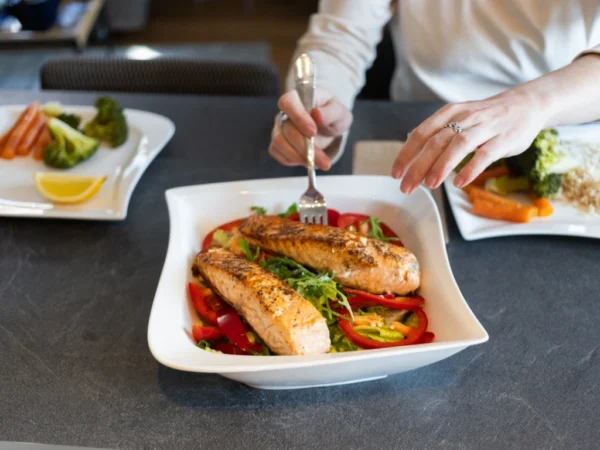
- Fish
- Tofu
- Cottage cheese
- Beans and lentils
Here are some practical ways to include these breast cancer-friendly foods:
- Add shredded chicken to soup or rice bowls
- Blend Greek yogurt into smoothies
- Keep hard-boiled eggs in the refrigerator for a grab-and-go snack option
- Use softer proteins like fish, tofu, or eggs if chewing feels difficult
It’s important to note that on days when your appetite is lower, smaller protein-rich meals or snacks spread throughout the day may feel more manageable than eating one large portion at a time.
Fruits and vegetables
Including a variety of fruits and vegetables for breast cancer may help to support hydration, digestion, and overall nutrient intake during treatment.
Some of the best options to include are:
- Berries
- Bananas
- Apples
- Oranges
- Spinach
- Carrots
- Broccoli
- Cucumbers
- Sweet potatoes
- Bell peppers
These foods are great for breast cancer nutrition, as they provide vitamins, minerals, antioxidants, and fiber that not only support recovery but can also improve overall health.
Fruits with higher water content, such as melon or oranges, may also assist with staying hydrated, which is crucial when undergoing cancer treatments.
Here are some practical ways to include these breast cancer-friendly foods:
- Roast vegetables if raw produce feels harder to chew or tolerate
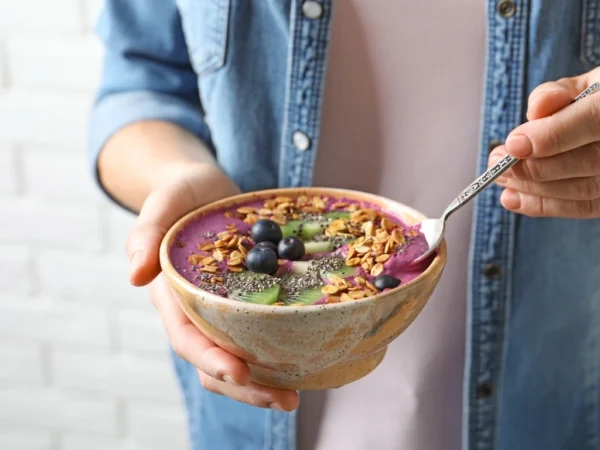
- Blend fruit into smoothies on lower-energy days
- Keep frozen and canned fruits and vegetables available for convenience
- Choose mild-flavored produce if strong smells worsen nausea
If your appetite is inconsistent, it’s important to note that even small portions can contribute significant value to your nutrition status — eating something is always better than eating nothing.
Whole grains and carbohydrates
Some people recovering from breast cancer feel pressure to avoid carbohydrates completely, but carbs often become one of the easier foods to tolerate during treatment. It also provides quick energy for when treatment-related fatigue hits.
The key here is to opt for complex carbs, which assist in stabilizing blood sugar and can aid in weight management. These can be found in whole grains such as:
- Oatmeal
- Brown rice
- Quinoa
- Whole-grain toast
- Whole-wheat pasta
- Potatoes
- Crackers
- Rice noodles
Here are some practical ways to include these breast cancer-friendly foods:
- Pair toast with eggs or nut butter
- Add rice or noodles to soup
- Use oatmeal as a quick breakfast or snack
- Keep crackers nearby for nausea or for when appetite is low
On difficult days, however, complex carbs may not be as well-tolerated. In these cases, simpler carbs like white rice or white bread can still help you to maintain energy and nourishment.
Healthy fats
Healthy fats can help add additional calories, texture, and flavor when eating enough feels difficult. They’re also found to be supportive of heart and brain health.
Some good healthy fat sources include:
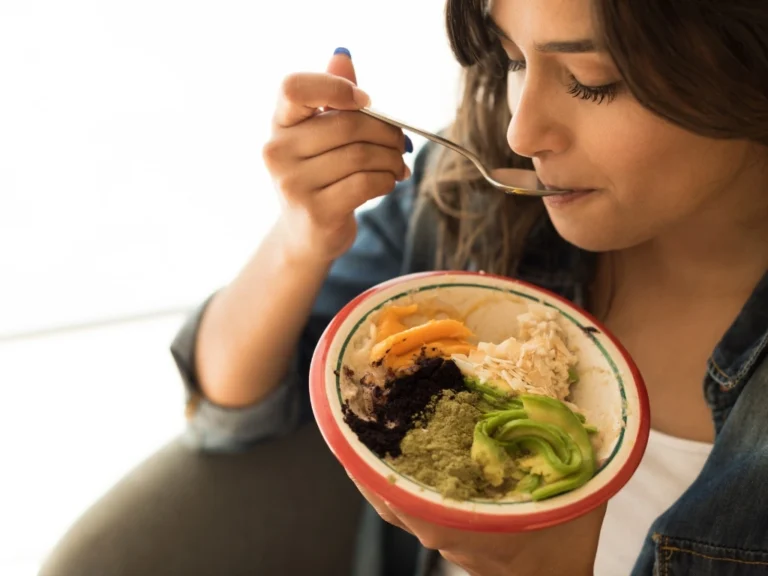
- Avocados
- Olive oil
- Nuts
- Nut butters
- Seeds
- Salmon
Here are some practical ways to include these breast cancer-friendly foods:
- Add avocado to wraps or toast
- Stir nut butter into oatmeal or add to smoothies
- Drizzle olive oil onto vegetables or grains
- Add seeds to yogurt or cereal
Small additions of healthy fats can make meals more satisfying without drastically increasing portions of food.
Easy-to-tolerate foods to help manage side effects
Treatment side effects like nausea, mouth sores, fatigue, taste changes, or digestive symptoms may make full meals seem unrealistic every day.
Rather than trying to eat perfectly, your priority should be to find foods that you can tolerate consistently, even on days when eating feels grueling.
Below are some common, easily tolerated foods:
- Toast
- Rice
- Soup
- Applesauce
- Yogurt
- Crackers
- Smoothies
- Mashed potatoes
- Oatmeal
- Noodles
Here are some practical ways to include these breast cancer-friendly foods:
- Choose cold foods if strong smells trigger nausea
- Try softer textures if experiencing mouth soreness
- Sip on smoothies slowly throughout the day
- Eat smaller meals more often instead of forcing large meals three times a day
- Use plastic utensils if foods are tasting metallic
If some days look nutritionally “better” than others, that is okay. Nourishment during treatment often requires lots of flexibility.
Foods to avoid during breast cancer treatment
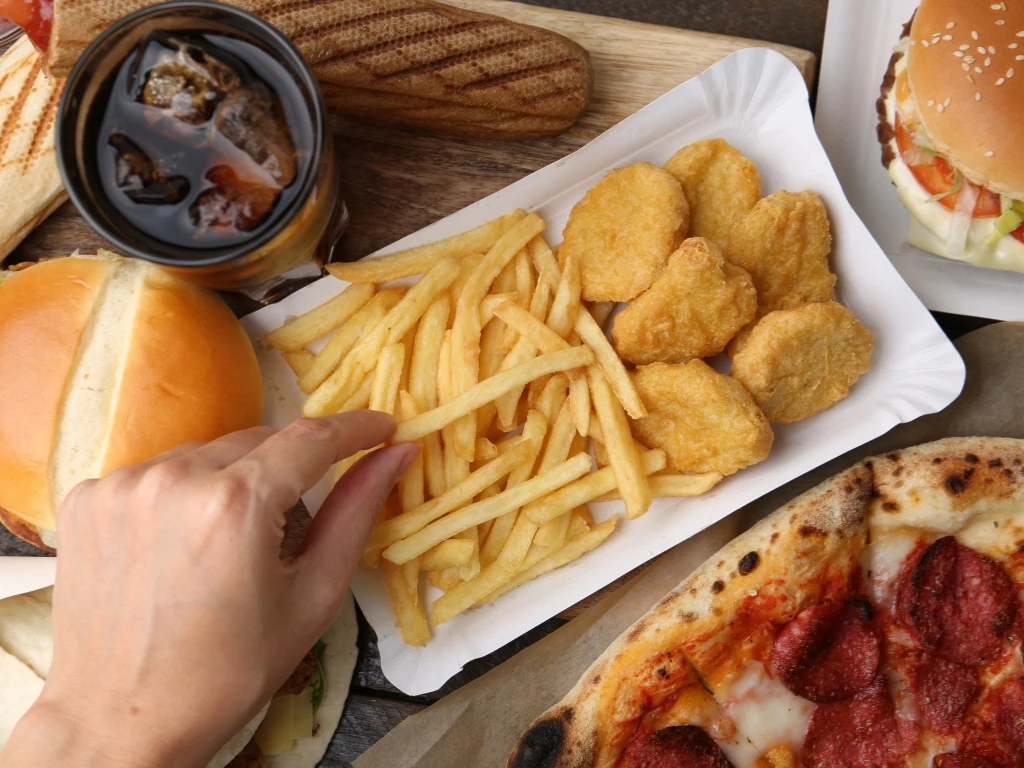
No single food causes or cures breast cancer. In most cases, the goal is not strict avoidance, but understanding which foods may be less supportive of your overall health or may be harder for your body to tolerate during treatment.
Alcohol
Alcohol may be discouraged during treatment depending on which medications you are on, your liver function, and your overall health.
It can also contribute to dehydration and may worsen certain side effects in some individuals. If you are unsure whether alcohol is safe during treatment, it’s best to discuss this with your healthcare team.
Excessively sugary foods
Desserts, pastries, cereals, candies, and sweetened drinks like soda or bottled coffee do not need to be completely avoided. Occasional treats can still fit into an overall balanced diet.
However, relying heavily on highly sugary foods may edge out more nourishing options and contribute to energy crashes that can worsen fatigue.
Balanced meals and snacks can help maintain more steady energy levels throughout the day.
High-sodium foods
Some individuals may be advised to monitor sodium intake, especially if they are managing swelling, high blood pressure, or are taking certain medications. This means limiting your intake of instant noodles, processed meats, fast food, frozen meals, and packaged snack foods — all of which tend to be high in salt.
Lower-sodium versions or homemade alternatives may feel better on the body when undergoing treatment.
Highly processed foods
Similarly, highly processed foods — which also include fast food, processed meats, and packaged snack foods — should be limited during breast cancer recovery, as they are often lower in fiber and nutrients while being higher in sodium, added sugars, and/or saturated fats.
Nevertheless, convenience foods may still be comforting and helpful on lower-energy and more difficult days, so it’s important to remember that the goal is not to eliminate these foods completely, but instead to build most meals around whole foods that better support nourishment and recovery when possible.

Make breast cancer nutrition more manageable with Health Loft
Nutrition during treatment often changes over time, and the right breast cancer foods to eat may look different depending on which stage of treatment you are in. What feels manageable one week may need to shift the next depending on your appetite, symptoms, energy levels, and overall treatment plan.
There’s no need to follow a perfect diet. More often, what matters more is maintaining nourishment, hydration, strength, and quality of life as consistently as possible.
If you are dealing with appetite loss, nausea, challenges with meal planning, unintended weight changes, or confusion around nutrition advice, personalized guidance can help make eating feel more manageable.
At Health Loft, registered dietitians specializing in cancer nutrition can work alongside your broader care team to create realistic nutrition strategies tailored to your treatment, preferences, and daily life. Our experts can help translate general recommendations into practical meal ideas and flexible approaches that feel easier to apply during treatment and recovery.
Connect with a Health Loft dietitian today for personalized nutrition support throughout your breast cancer journey.
This article was reviewed by Haleigh Mann, MS, RDN, LDN. It is intended for informational purposes only and does not replace personalized nutritional advice.