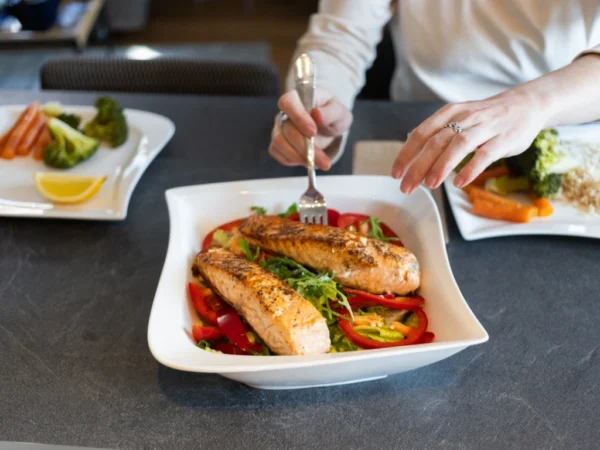









Eating can feel very different during breast cancer treatment. Some days may feel “normal,” while on other days, symptoms like nausea, fatigue, changes in taste, or mouth soreness can cause food to be unappealing.
This unpredictability may impact nutrition, but following restrictive rules usually isn’t the best approach to a breast cancer diet. Instead, it matters more to find realistic ways to stay nourished, even as your needs change from week to week.

Why diet matters during breast cancer treatment
Breast cancer treatments such as chemotherapy, radiation, hormone therapy, and surgery tend to affect appetite and overall tolerance to food. This is mainly due to side effects such as nausea, constipation, diarrhea, dry mouth, mouth sores, or changes in taste and smell.
Even temporary changes in eating habits can make it more difficult to meet your nutrition needs, so it’s important to be aware of possible areas for improvement or nutrient gaps in your current diet.
These nutritional needs may also shift during treatment and recovery, depending on the treatment you undergo, your symptom burden, and activity level. A breast cancer diet often needs to be adjusted as your situation changes, rather than being followed as a rigid plan.
Does this mean that diet can affect breast cancer? No, nutritious foods do not impact cancer in a way that merits the replacement of medical treatment. However, nutrient-dense foods can play an important supportive role in supporting strength and recovery during the treatment process.
Eating enough calories and protein, in particular, can help to preserve muscle, support immune function, manage treatment side effects, and promote efficient healing.
Nutrition can also influence factors such as body weight, energy levels, and cardiovascular health, which remain essential during and after treatment.
Tips for eating well during breast cancer treatment
A practical diet for individuals with breast cancer focuses on getting enough nourishment in ways that feel manageable and that you can sustain over time. The following strategies can assist you in meeting your needs, even when symptoms vary from day to day.
Get enough calories throughout the day
It is common to eat less than usual during treatment, especially if you feel full quickly or have little appetite.
Focus on small, frequent meals to maintain a normalized dietary pattern. Try eating every two to three hours rather than waiting until you’re uncomfortably hungry. Even small amounts, when eaten consistently, can help you maintain your energy and weight.
Focus on easy-to-tolerate foods
On days when eating feels difficult, simpler foods are often the most feasible option.
Here are some reliable options:
- Toast
- Oatmeal
- Rice
- Noodles
- Soup
- Applesauce
- Crackers
- Yogurt
These foods can serve as a foundation to your meals, and you can easily add protein and/or healthy fats when tolerated.
Prioritize protein at meals and snacks
Protein helps support muscle maintenance, tissue repair, and recovery, all of which are important when undergoing breast cancer treatment.
Try including a source of protein whenever you eat, such as:
- Hard-boiled eggs
- Greek yogurt
- Chicken
- Fish
- Tofu
- Cottage cheese
- Nut or seed butters
- Protein smoothies
Stay hydrated
Harsh treatments like chemotherapy or radiation therapy may increase the likelihood of dehydration. Drinking enough fluids throughout the day is not only supportive of digestion, circulation, and overall energy. It can also help promote healing and flush out toxins from the body.
If plain water is not appealing, hydration can also come from:
- Soups
- Smoothies
- Herbal tea
- Milk
- Electrolyte beverages
- Water-rich fruits such as melon or oranges
There’s also the option to add flavoring to plain water to increase your overall fluid intake. Try infusing your water with citrus fruits, cucumber, and mint, or pick up a water flavoring that will make the experience of hydrating more enjoyable.
Keep convenient foods available
There may be instances when fatigue feels overwhelming. When this happens, having easy options on hand can reduce the effort required to eat.
Stock up on convenient, healthy options like:
- Hard-boiled eggs
- Yogurt cups
- Frozen fruit
- Rotisserie chicken
- Pre-cut fruits or vegetables
- Microwaveable grains
Adjust meals based on your symptoms
Your food choices may need to change depending on how you are feeling physically.
- If you feel nauseous or cold, bland foods may be easier to tolerate.
- If you have mouth sores, choose soft foods such as smoothies, yogurt, or mashed potatoes.
- If food tastes metallic, try using plastic utensils and adding tart flavors like lemon.
- If constipation is an issue, increase fluids and fiber as tolerated.
Practical meal examples can make these recommendations easier to put into action.
8 meal ideas for a balanced breast cancer diet
The following breast cancer meal ideas are meant to provide flexibility, not strict guidelines. Meals can be repeated, simplified, or adjusted based on your appetite, treatment side effects, and personal preferences.
Additionally, if you are struggling with symptoms or unintended weight changes, working with a registered dietitian can help you tailor these ideas to your needs.
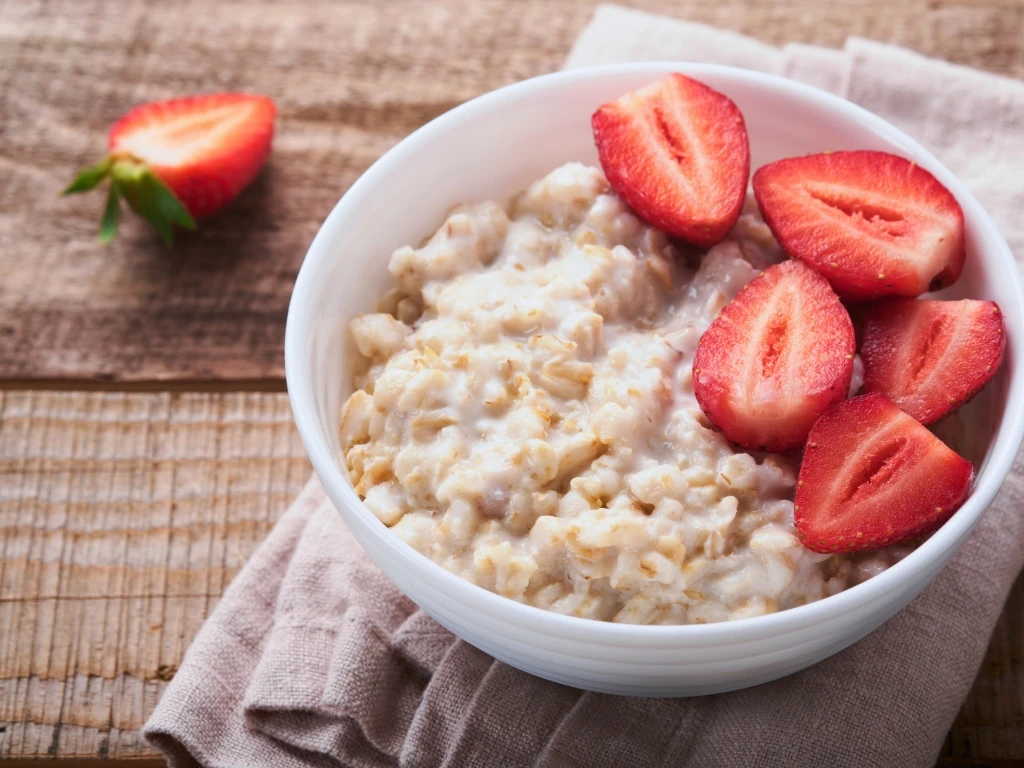
1. Oatmeal with strawberries
Oatmeal is gentle on the stomach and easy to prepare. Topping a small bowl with some fresh strawberries adds fiber and antioxidants. For extra protein, consider stirring in Greek yogurt, nut butter, chia seeds, or protein powder. You can also add other fruits, such as blueberries, raspberries, bananas, or diced apples, for some variety.

2. Greek yogurt parfait with grapefruit and granola
Greek yogurt provides protein and calcium, while citrus fruits like grapefruit add flavor, hydration, and antioxidants. Add some low-sugar granola for extra texture, fiber, and healthy fats. This combination requires minimal preparation and works well as a complete breakfast or as a snack.
If chewing feels tiring, you can easily blend these ingredients into a smoothie.
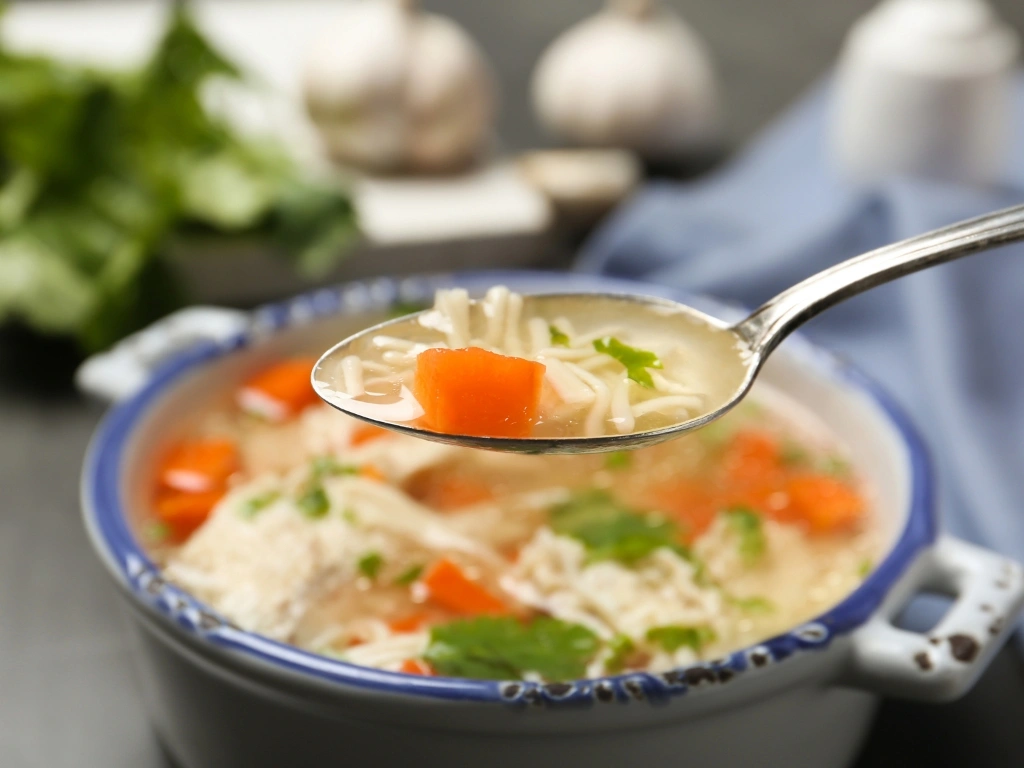
3. Chicken noodle soup
Warm, comforting, and easy to eat, soup can be especially helpful when your appetite is low. It provides fluid, carbohydrates, and protein all wrapped up in a cozy package. Rice or potatoes are good alternatives to noodles or chicken, so feel free to swap as you like.

4. Soft scrambled eggs with sautéed spinach and whole-grain toast
Eggs are a convenient, high-quality protein source that’s quick to prepare and easy to customize, while toast acts as an easily tolerated carbohydrate. Spinach adds folate and iron, though you can skip it if stronger flavors are not tolerable.
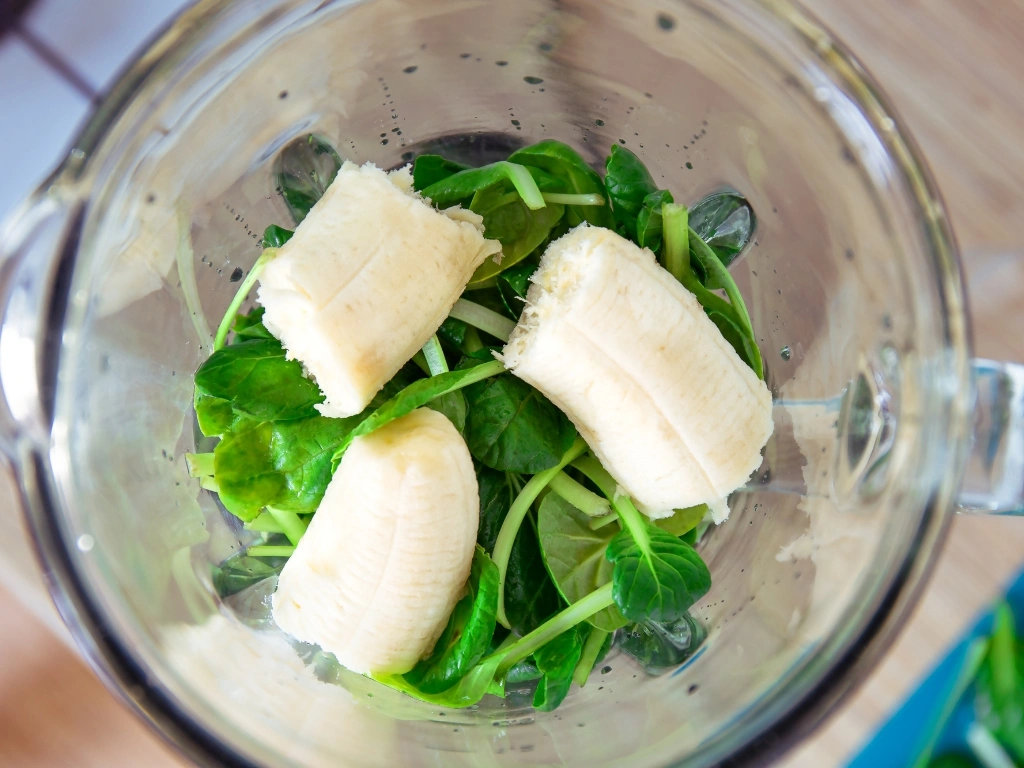
5. Smoothie with banana, yogurt, spinach, and nut butter
Smoothies can be an efficient way to get calories, protein, and fluids when solid foods feel less appealing, as they’re easy to sip slowly throughout the day. You can also freeze your fruits before blending the smoothie for a colder, creamier texture.
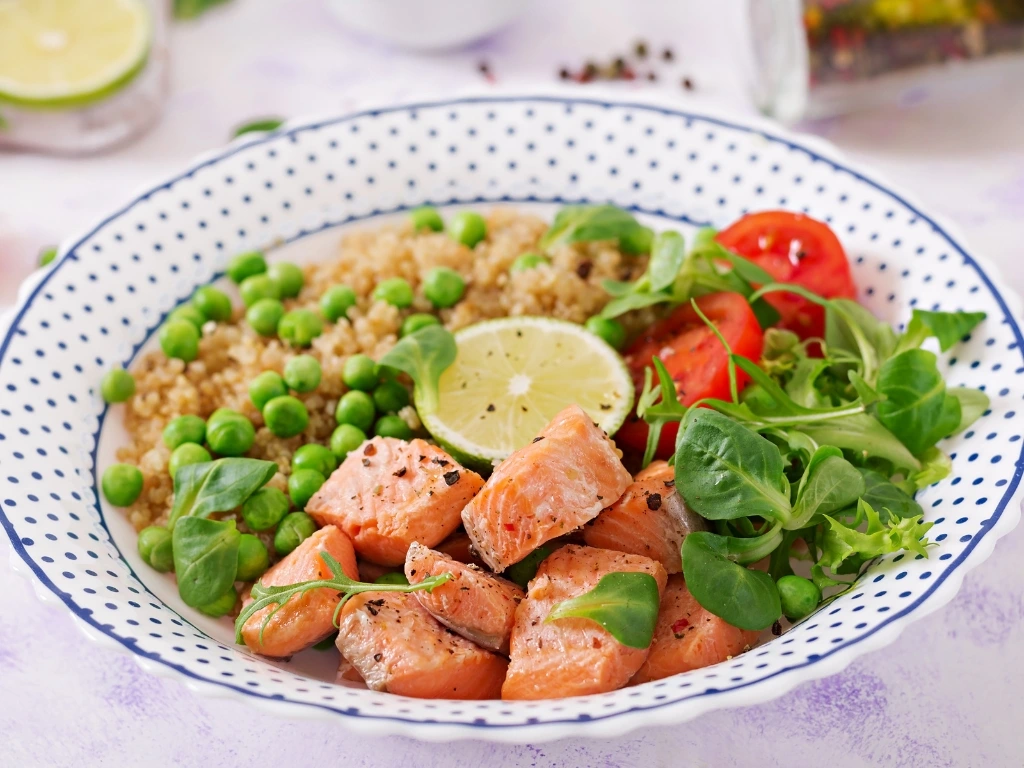
6. Salmon quinoa bowl with green peas
Salmon provides protein and omega-3 fats, while quinoa and green peas add fiber and key nutrients. Add some greens and sliced tomatoes to make an even more balanced, nutrient-dense plate. If fish is not for you, consider replacing it with chicken or tofu.
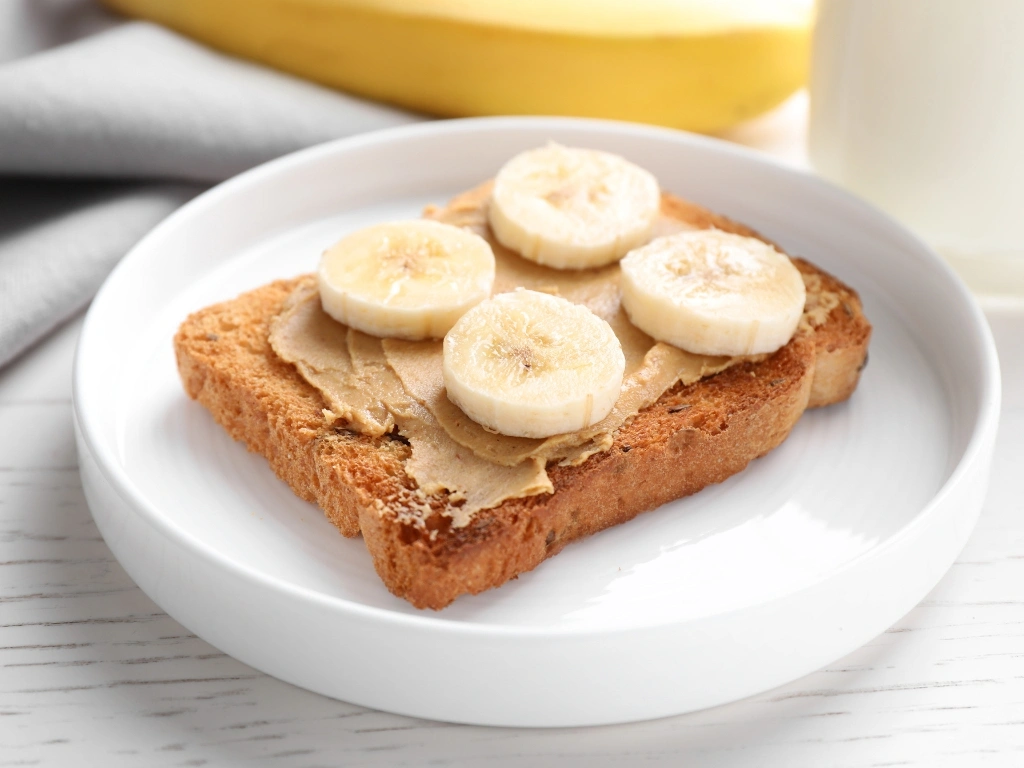
7. Whole-grain toast with peanut butter and banana
A satisfying grab-and-go option, this simple combination provides carbohydrates, healthy fats, and some protein. If peanuts are not well-tolerated, sunflower seed butter can be an excellent alternative.

8. Chicken and avocado wrap
This wrap can be prepared ahead of time for a convenient meal on those lower-energy days. Freshly cooked chicken provides protein, while avocado adds healthy fats that can help provide extra calories when intake is low.
Use freshly roasted turkey instead of chicken, choose a soft tortilla if that feels easier to tolerate, or serve the ingredients in a bowl if chewing feels uncomfortable.
Get personalized breast cancer nutrition support from Health Loft
Nutrition during treatment often requires flexibility. There may be days when you will feel unable to eat a full meal, when all you can tolerate is a smoothie or bowl of soup. Your needs may also change throughout treatment, so it’s important to maintain a breast cancer diet that is both adaptable and nourishing.
Paying attention to your symptoms, appetite, and energy levels can help you make adjustments that feel more manageable, but you don’t have to handle it all on your own. Working with a registered dietitian informed in cancer nutrition can be a beneficial next step to take.
At Health Loft, our dietitians work alongside your oncology team to create nutrition plans tailored to your treatment, symptoms, preferences, and goals. Through research-backed, food-first strategies, we help you to manage cancer treatment side effects, maintain your weight, and ensure that you’re recovering as planned. Connect with a Health Loft dietitian today to get started.
This article was reviewed by Haleigh Mann, MS, RDN, LDN. It is intended for informational purposes only and does not replace personalized nutritional advice.