








Chemotherapy is among the most trusted treatment options for different types of cancer, but it comes with side effects that often require certain adjustments to one’s lifestyle. This is especially true for nutrition, as chemotherapy may affect appetite, digestion, energy levels, taste preferences, and eating habits in general — often in ways that can feel unpredictable.
Chemotherapy diets are designed to make eating less overwhelming, especially during the early phases of treatment and recovery. In this guide, discover how to keep your body nourished and supported, while allowing for flexibility as your tolerances change and healing progresses.
The strongest evidence-supported dietary strategy during chemotherapy is personalized nutrition education and counseling from a registered dietitian, combined with a non-restrictive, nutrient-dense dietary pattern that ensures adequate energy and macronutrient intake.

Why is a proper diet important during chemotherapy?
Good nutrition during chemotherapy is necessary to support your strength, immune system, and recovery while your body copes with the stress of treatment.
Chemotherapy can place extra demands on the body. While the treatment targets cancer cells, healthy cells may also be affected, leading to side effects that may make even familiar foods less appealing or eating in general difficult to do as normal. These include:
- Nausea and vomiting
- Mouth sores
- Dry mouth
- Changes in taste or smell
- Constipation or diarrhea
- Fatigue
- Low appetite
- Trouble swallowing
- Feeling full quickly after eating
These effects aren’t exclusive to chemotherapy. In fact, many cancer treatments can affect appetite, digestion, and hydration. Individuals undergoing these treatments are often advised to aim for additional calories, protein, and fluids to help maintain strength, support recovery, and better tolerate treatment side effects.
Best foods to help counter chemotherapy side effects
The goal of a diet for chemotherapy treatment is to help maintain energy, protect muscle mass, support healing, and reduce the risk of malnutrition or dehydration, all while managing common side effects. But what exactly are the best foods to rely on at this stage?
What you should eat may depend on the exact symptoms you experience. There’s no one diet plan that may be suitable for all, given how food tolerances and side effects tend to vary from person to person, especially at this stage of life.
Still, the following foods may be a valuable springboard for building your very own chemotherapy diet, providing you with enough calories, protein, and fluids as you move forward with treatment.
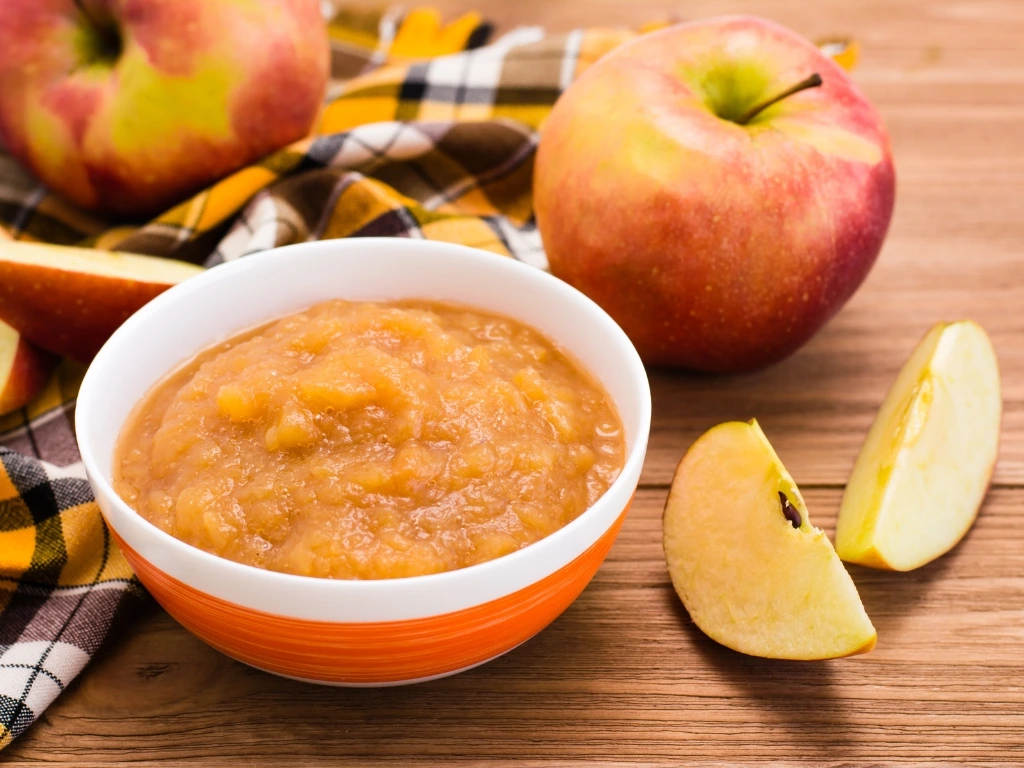
Foods for chemotherapy-induced nausea and vomiting
Nausea is one of the most usual chemotherapy side effects, and experiencing it on a regular basis — more prominently on treatment days — can pose a huge challenge in staying nourished.
To help overcome nausea and urges to vomit, it’s advised to reach for bland, low-fat foods and cool beverages, as they’re much easier to tolerate than heavy or strongly scented meals. You may also ask someone else to cook or open kitchen windows to help reduce strong food smells that can trigger nausea.
Eating small amounts throughout the day instead of depending on three large meals may also help settle the stomach. Keeping easy-to-tolerate foods nearby, especially in the morning, can help.
Here are some foods you can eat if you’re experiencing nausea from chemotherapy:
- Crackers, pretzels, or dry toast
- Plain rice, noodles, or mashed potatoes
- Oatmeal or cream of wheat
- Applesauce and canned fruit
- Ginger tea or peppermint tea
- Clear broths and soups
- Popsicles or frozen fruit bars
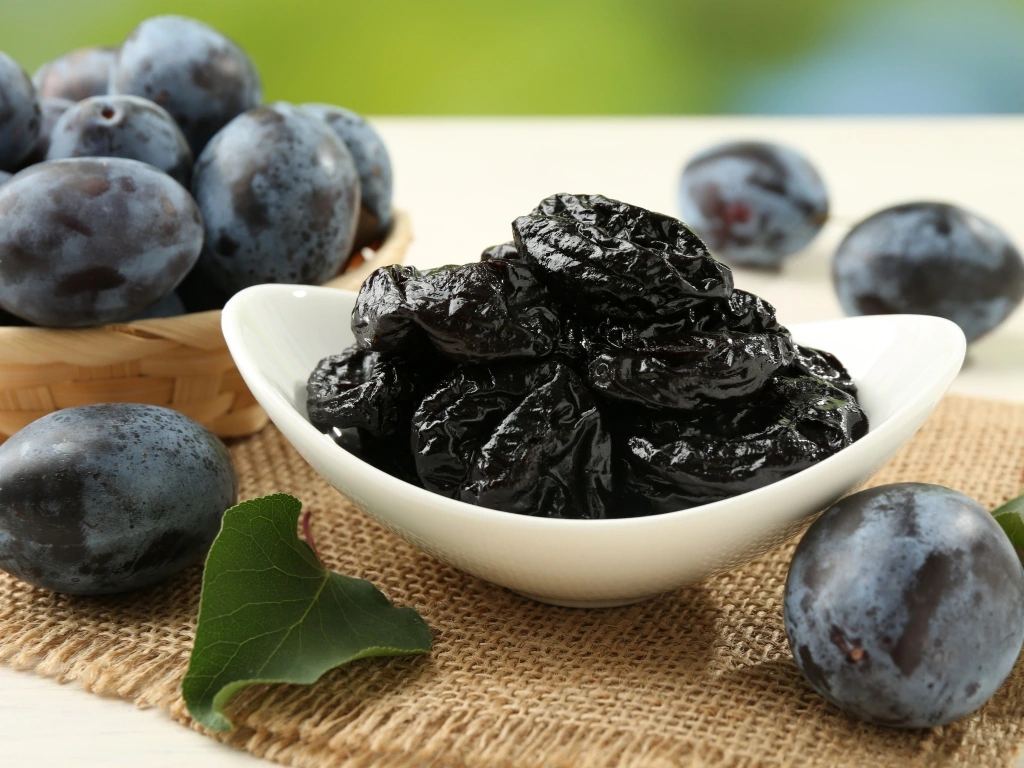
Foods for chemotherapy-induced constipation
Certain chemotherapy medications can slow digestion and lead to constipation. Changes in lifestyle due to treatment, including reduced activity levels, add to this effect.
Drinking enough fluids and gradually adding fiber-rich foods may help keep bowel movements more regular.
Some foods that may help with chemotherapy-induced constipation are:
- Whole-grain breads and cereals
- Beans, lentils, and chickpeas
- Fresh fruits and vegetables
- Prunes or prune juice
- Oatmeal and bran cereal
- Warm lemon water or herbal tea
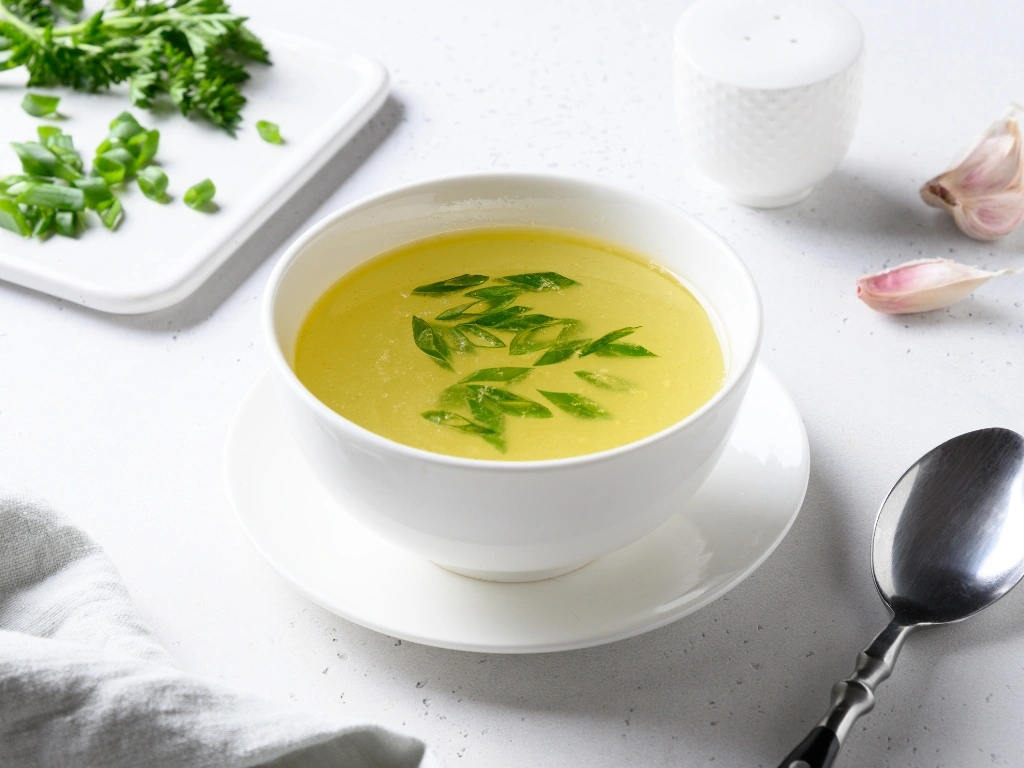
Foods for chemotherapy-induced diarrhea
On the other hand, diarrhea may also occur due to chemotherapy. When this happens, your focus should shift toward staying hydrated and choosing gentle, easy-to-digest foods. Foods with lower fiber content are typically better tolerated until symptoms improve.
To overcome diarrhea from chemo, consider the following safe foods:
- Bananas, rice, applesauce, and toast (BRAT foods)
- Plain pasta or white rice
- Potatoes without the skin
- Crackers and white bread
- Clear soups and broth
- Yogurt if tolerated
- Electrolyte drinks and water
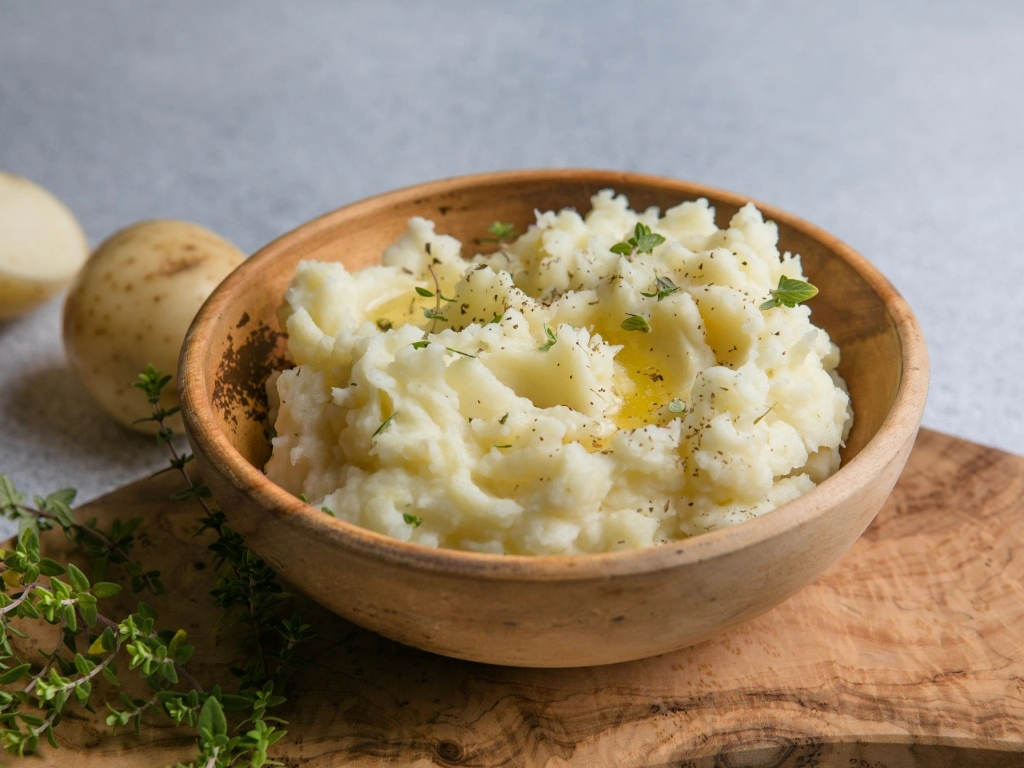
Foods for chemotherapy-induced mouth sores or swallowing problems
In some cases, chemotherapy may cause mouth tenderness, dry mouth, or pain with swallowing, all of which make the process of eating much harder.
Soft, moist, and creamy foods may be recommended if you experience these symptoms. Such options are usually easier to eat, chew, and swallow without posing any risk of further irritating your throat:
- Yogurt and pudding
- Smoothies and milkshakes
- Mashed potatoes or soft-cooked vegetables
- Scrambled eggs
- Applesauce and canned fruit
- Soup and rice porridge
- Nutritional drinks like Ensure or Boost
These types of foods also lend hydration, which may be ideal for managing mouth sores and throat problems.
Foods for chemotherapy-induced appetite loss
Chemotherapy can also potentially impact taste buds, and for a lot of people, this may morph into recurring loss of appetite during treatment, especially when it comes with persistent fatigue.
When foods don’t taste so palatable, proper nutrition can be much harder to maintain. Experts often advise boosting flavor with marinades, herbs, and citrus if food registers as bland or metallic.
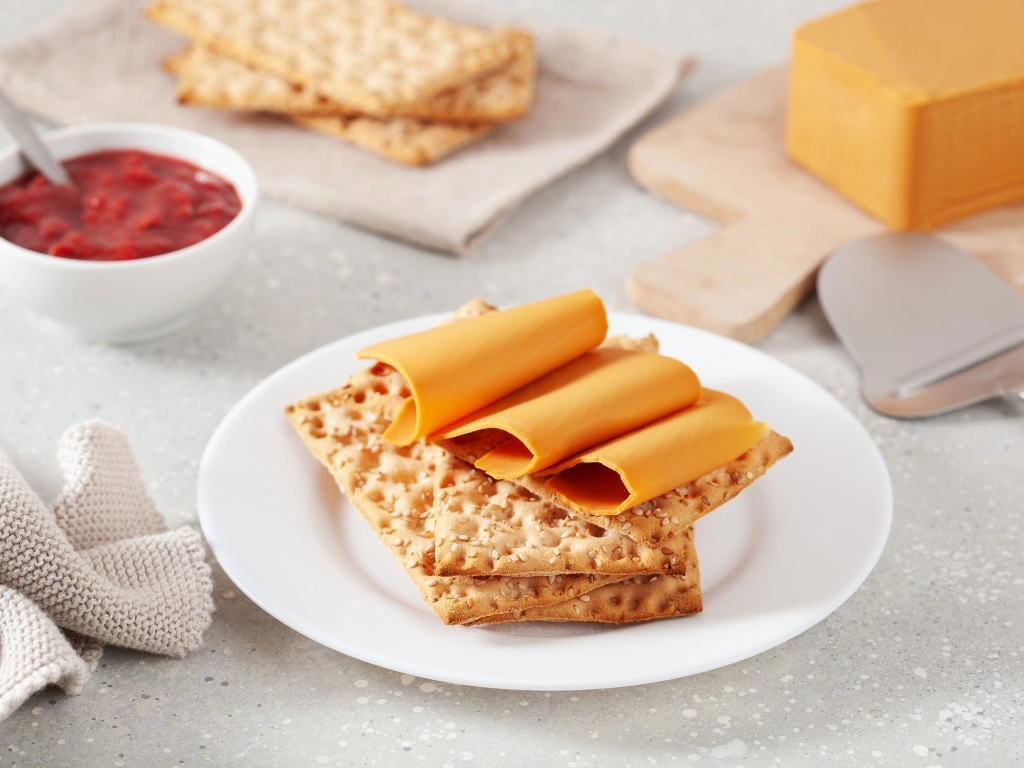
Some reliable choices that can further help with appetite or taste changes are:
- Smoothies with fruit and protein
- Nut butters and avocado
- Cheese and crackers
- Chicken, turkey, or tofu
- Cold foods with mild smells
- Tart foods like lemonade or yogurt
- Protein shakes or meal replacement drinks
Foods to support the immune system during chemotherapy
Chemotherapy can weaken the immune system by lowering white blood cell counts, which reduces the body’s ability to fight infections. Because of this, food safety becomes especially important during treatment to help reduce the risk of foodborne illness. Careful handling, thorough cooking, and avoiding high-risk foods can help protect against infections when the immune system is more vulnerable.
Maintaining good nutrition becomes especially important to support overall health and recovery during treatment.
Focus on protein-dense foods that can help rebuild tissue, antioxidant- and vitamin-rich fruits and vegetables to protect healthy cells and fight inflammation, and healthy fat sources to further support immunity.
Here are some foods that can boost the immune system during chemotherapy:
- Citrus fruit juices or fresh slices (orange, lemon, or kiwifruit)
- Lean chicken salad with dark leafy greens (spinach or kale) and almonds
- Pumpkin seed and berry smoothie bowl
- Sweet potatoes with olive oil or avocado
- Cottage cheese with sliced peaches
- Salmon or tuna with brown rice or roasted vegetables
- Steamed broccoli and carrots with grilled tofu
Tips for staying nourished during chemotherapy
Maintaining good nutrition during chemotherapy often entails having to adjust your food choices and eating patterns to match how your appetite, energy levels, and tolerances change in response to treatment.
That said, your chemotherapy diet should be non-restrictive and focused on ensuring adequate intake. Some days you may feel able to eat regular meals, while on other days even small snacks may feel difficult. These changes are common during treatment. Your only goal at this stage should be to support your body as best as you can.
Here are simple, flexible ways to do this:
Eat small, frequent meals
Large meals can feel too much when you’re on treatment, especially when nausea, fatigue, or early fullness sets in. Going for smaller portions and eating at a more frequent pace instead of sticking with three large meals a day can make it easier to meet your nutritional needs without forcing yourself to eat when you feel uncomfortable.
Try to keep simple snacks within reach so you can eat whenever your appetite appears, even if it’s only a few bites at a time.
Prioritize protein and calorie-rich foods
Your body may need extra protein and calories to recover from the physical stress of chemotherapy. This can help maintain your strength, support healing, and reduce muscle loss. However, large increases in intake are usually not necessary, and needs should be based on individual appetite, weight changes, and guidance from your care team.
Even small additions of protein already count towards progress, especially at times when eating itself is hard to manage. Focus on adding protein or calorie-rich foods only to whatever you can tolerate.
Stay hydrated throughout the day
Fluids are just as important as food during chemotherapy, especially if you experience side effects like vomiting or diarrhea. When you don’t drink enough fluids, dehydration may end up triggering or worsening other symptoms, such as fatigue.
Sipping fluids regularly rather than downing large amounts at once tends to be easier on the stomach and helps you stay hydrated.
Work with changing appetite
It’s normal for hunger to come and go unpredictably when you’re on treatment. Instead of forcing yourself to eat, try to respond to your body’s signals as they shift throughout the day.
There will be days when it may be best to focus more on fluids or light snacks, while some days, particularly on treatment days, may require more effort with eating substantial solids.
Make eating as easy as possible
If you’re doing the meal planning and cooking yourself, fatigue may make the whole experience much more exhausting than it already is. To reduce your stress around meals, choose simple, ready-to-eat foods or prepare small portions ahead of time.
Don’t hesitate to accept or ask for help from family or friends with grocery shopping or cooking meals. Having reliable support from others can make it easier to stay nourished when your energy is low.
Receive nutrition support that meets you where you are from Health Loft
Building a chemotherapy diet that works for you isn’t always straightforward, but the good news here is that you don’t have to figure it all out by yourself. A registered dietitian specializing in cancer nutrition can help you create a practical diet plan that fits your day-to-day experience during treatment and recovery.
This support can make it easier to:
- Manage symptoms that affect eating, such as persistent fatigue or taste changes
- Plan simple meals that feel doable, even on low-energy days
- Find ways to maintain weight, energy, and strength despite loss of appetite or shifts in food tolerance
- Meet your protein or fluid needs
For individuals with digestive-related cancers like colon cancer, dietitians offer an extra layer of guidance, helping identify food triggers and adjusting the chemotherapy diet to reduce discomfort.
At Health Loft, our nutrition experts tailor recommendations based on your own treatment plan, side effects, appetite, overall health status, and other factors such as your medical history or existing nutrition concerns. We work closely with you and your primary healthcare team to ensure that you maintain a balanced intake throughout your entire treatment.
Take your first step towards a better chemotherapy diet by connecting with a Health Loft dietitian today.
This article was reviewed by Solveig Adalsteinsdottir, MS, RDN, LDN. It is intended for informational purposes only and does not replace personalized nutritional advice.