









Protein is often one of the first things people focus on when trying to build muscle, and for good reason: it provides the amino acids your body uses to repair and strengthen muscle tissue after exercise.
While protein consumption is crucial to muscle growth, the biological process of building muscle is actually much more complex than simply eating as much protein as possible.
Understanding the amount of protein your body actually needs, when to eat it, and which food sources best support muscle growth and recovery may help you build a routine that’s both practical for daily life and easy to sustain in the long term.

How much protein do you need to build muscle?
The general recommendation for healthy adults is about 0.8 grams of protein per kilogram of body weight per day. This amount is considered enough to meet basic health needs for most people.
However, people who exercise regularly, especially those doing resistance training, often benefit from higher protein intake. Research suggests that consuming roughly 1.2 to 2.0 grams per kilogram of body weight per day may better support muscle growth, recovery, and athletic performance.
Generally, however, your individual protein needs may depend on several factors, including your activity level, body size, age, and fitness goals. For example:
- If you want to gain muscle: Boosting your protein intake may help support muscle repair and growth, alongside consistent strength training.
- If you’re trying to lose fat while maintaining muscle: Protein may help preserve lean muscle mass, especially when in a caloric deficit.
- If you want to preserve muscle as you age: Older adults may benefit from higher protein intake to help reduce age-related muscle loss.
- If you exercise recreationally: Exercising a few times a week means you may not need the same protein intake as a competitive athlete or endurance trainer.
- If you are an athlete: More protein is usually needed to effectively boost your athletic performance, support recovery, meet training demands, and maintain muscle composition.
It’s also important to remember that lifestyle matters when determining how much protein makes sense for you. Sleep quality, workout intensity, caloric intake, recovery, certain medical conditions, and overall quality of diet should all be taken into account.
At the same time, consuming excessive protein amounts beyond what your body can effectively use may not necessarily lead to additional muscle growth, especially if other aspects of nutrition and recovery are being neglected.
Does the timing of protein intake matter for muscle growth?
Yes, timing your protein intake well is also important, not just the amount of protein you consume.
After resistance training, for instance, your body enters a period called muscle protein synthesis, where the body repairs and rebuilds muscle tissue. Scheduling your protein intake after workouts may help support faster muscle recovery and growth.
That said, protein shouldn’t be limited to post-workouts. Instead of eating most of your protein in one large dinner, aiming to include moderate amounts of protein at breakfast, lunch, dinner, and snacks may better support muscle protein synthesis throughout the day. This approach may also help maintain steady energy levels, improve fullness between meals, and support workout recovery more consistently.
What are the best foods to build muscle?
Protein shakes can be a convenient way to increase protein intake, especially after workouts or during busy days, but they work best as a supplement to a balanced diet rather than the foundation of one.
Whole foods provide more than protein alone. They also deliver additional carbohydrates, healthy fats, vitamins, minerals, and fiber that aid in energy, recovery, and muscle growth.
The following are some of the best protein-rich foods to eat when looking to build muscle:

Animal-based protein sources
Animal proteins are often discussed in muscle-building research because many are considered to be “complete proteins,” meaning they contain all nine essential amino acids your body needs for muscle repair and growth. They also tend to be nutrient-dense, more easily absorbed by the body, and naturally rich in leucine, an amino acid involved in muscle protein synthesis.
Leaner, minimally processed options are generally more supportive of overall health than heavily processed or high-fat meats, making them more preferred choices.
| Protein Source | Serving Size | Protein Content |
| Chicken breast | 3 oz, cooked | ~26 grams |
| Salmon | 3 oz, cooked | ~22 grams |
| Tuna | 3 oz, cooked | ~20 grams |
| Eggs | 2 whole, large | ~12 grams |
| Greek yogurt | 1 cup | ~20 grams |
| Cottage cheese | 1 cup | ~24 grams |
| Lean beef | 3 oz, cooked | ~22 grams |
| Turkey breast | 3 oz, cooked | ~26 grams |
| Shrimp | 3 oz, cooked | ~20 grams |
Plant-based protein sources
Plant proteins can also support muscle growth, although some contain lower amounts of certain essential amino acids compared to animal proteins. For example, some plant foods may be lower in leucine, which plays a role in muscle protein synthesis.
| Protein Source | Serving Size | Protein Content |
| Tofu | ½ cup | ~10 grams |
| Tempeh | 3 oz | ~17 grams |
| Lentils | 1 cup, cooked | ~18 grams |
| Black beans | 1 cup, cooked | ~15 grams |
| Edamame | 1 cup | ~18 grams |
| Quinoa | 1 cup, cooked | ~8 grams |
| Chickpeas | 1 cup, cooked | ~14 grams |
| Hemp seeds | 3 Tbsp | ~10 grams |
However, combining different plant-based protein sources may help create a more complete amino acid profile. You can pair legumes with grains, nuts, or seeds to help get all nine essential amino acids your body needs for muscle repair and recovery. For example:
- Rice and beans
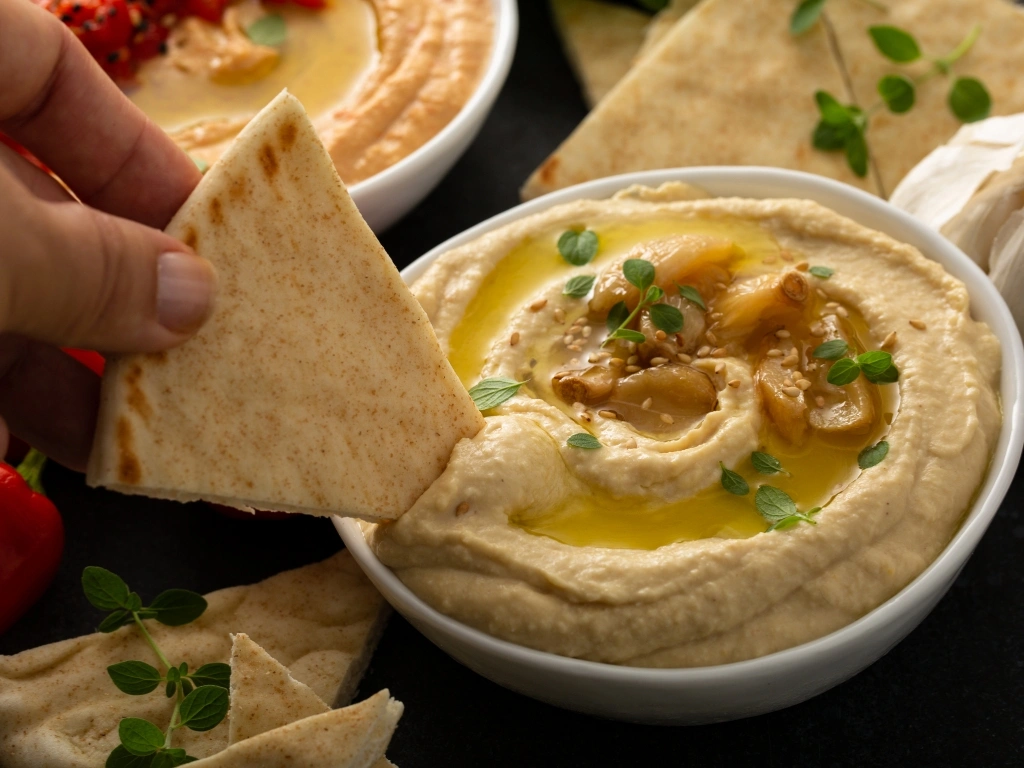
- Hummus with pita bread
- Peanut butter on whole-grain toast
- Lentils with quinoa
- Tofu with brown rice
Is animal or plant protein better for building muscle?
Current research suggests that both animal and plant proteins can support muscle growth when total protein intake is adequate. However, there are differences in amino acid profiles, digestibility, absorption, and serving sizes that may affect how much protein you need from each source.
Animal proteins are often more concentrated sources of protein per serving and may stimulate muscle protein synthesis more efficiently due to their amino acid composition. Plant proteins may sometimes require larger portions or a wider variety of foods to provide similar amounts of protein and essential amino acids.
Still, the “better” protein source depends on factors beyond muscle growth alone, including:
- Dietary preferences
- Budget
- Digestion and tolerance
- Sustainability goals
- Lifestyle and cooking habits
- Overall health needs
For many people, a balanced combination of both animal and plant protein sources may provide more variety, flexibility, and broader nutritional benefits.
When should you speak with a sports nutrition professional?
A sports nutrition professional may help if you’re having difficulty meeting your protein goals, managing nutrition around your training schedule, or figuring out what approach best fits your lifestyle and activity level.
Guidance may also be helpful if you:
- Have specific athletic performance goals
- Experience digestive concerns related to higher protein intake
- Are trying to manage your weight while supporting muscle growth or recovery
- Follow a vegetarian or vegan diet
- Have a medical condition that may affect your nutritional needs, recovery, or protein intake
- Feel unsure about supplement or protein recommendations
Working with a professional may help make your nutrition plan feel more realistic, balanced, and easier to maintain over time.
Reach your performance goals with support from Health Loft
Building muscle isn’t just about your protein intake. While protein supports muscle repair and recovery, several factors — including resistance training, hydration, sleep, and overall nutrition — play an equally important role in helping your body to increasingly adapt and perform well.
In terms of balanced diets, proteins aren’t the only ones doing the heavy lifting. Carbohydrates, healthy fats, and consistent eating habits all work alongside protein to maintain high energy levels, swift recovery, and long-term progress.
Additionally, it’s important to remember that protein needs can vary considerably from person to person. Factors like activity level, age, training intensity, body composition goals, dietary preferences, and medical history can all influence how many grams of protein you should be aiming for each day.
Whether your focus is muscle growth, recovery, athletic performance, or building a more balanced nutrition routine, guidance from a sports nutrition dietitian can help you better understand how protein fits into your overall nutrition plan.
Reach out to a Health Loft dietitian specializing in sports nutrition for more personalized guidance.
This article was reviewed by Haleigh Mann, MS, RDN, LDN. It is intended for informational purposes only and does not replace personalized nutritional advice.