








Snacking often gets blamed in diet culture for weight gain, but the real problem isn’t snacking itself — it’s what you snack on and how much. If you want some extra midday fuel that doesn’t work against your weight loss goals, skip the energy-dense, more processed options and reach for nutrient-dense snacks instead.
When portions and overall balance are considered, healthy snacks not only support weight loss but also become a helpful tool for building sustainable, healthy eating habits.

Why is snacking important for weight loss?
When done intentionally, snacking can support fat loss and make healthy eating easier to maintain throughout the day. Balanced snacks help regulate hunger, maintain steady energy, and keep you on track with your nutrition goals.
Some of the key benefits of strategic snacking include:
- Preventing extreme hunger, which often leads to overeating at the next meal
- Supporting stable blood sugar levels to maintain consistent energy
- Improving focus and mental clarity, so you can stay productive and mindful throughout the day
What makes a snack healthy?
The best snacks for weight loss are those that combine the right balance of nutrients and are eaten in appropriate portions. These foods help you feel full for longer, curb cravings, and maintain steady energy between meals, making it easier to stick with your weight loss goals.
When choosing a healthy snack, look for options that include:
- Protein to promote fullness and reduce hunger between meals
- Fiber-rich foods to slow digestion and help control cravings
- Healthy fats to increase satiety and make the snack more satisfying
- Portion awareness to prevent excess calories from adding up
- Minimal added sugar to avoid blood sugar spikes and energy crashes
12 healthy snack options that support weight loss
Choosing the right healthy snacks can make your weight loss journey easier and more enjoyable. The best options are simple to prepare, easy to grab on the go, and nutrient-dense. Store-bought choices can work too, as long as they’re minimally processed and made with wholesome ingredients.
Here are 12 top-rated, easy-to-make healthy snacks for weight loss:
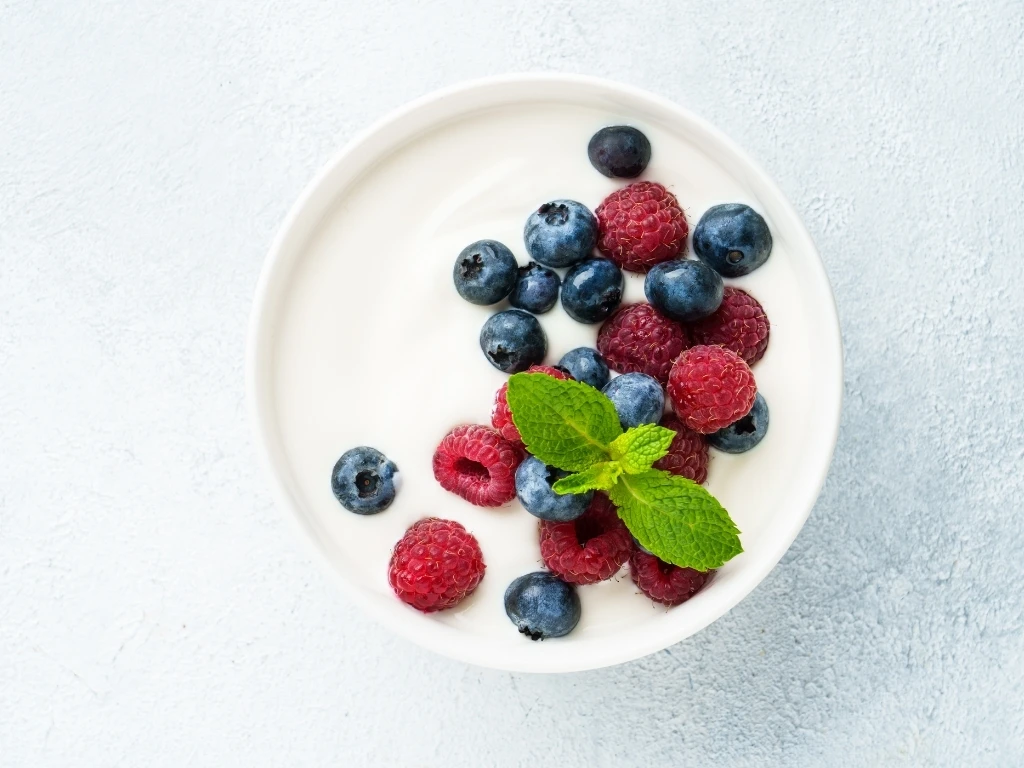
1. Greek yogurt with berries
Greek yogurt contains about 15 to 20 grams of protein per cup, helping you stay full and maintain muscle during fat loss. It also provides live probiotics (or beneficial bacteria) that support digestion and gut health. Adding berries increases fiber and antioxidants while naturally sweetening the snack.
2. Apple slices with nut butter
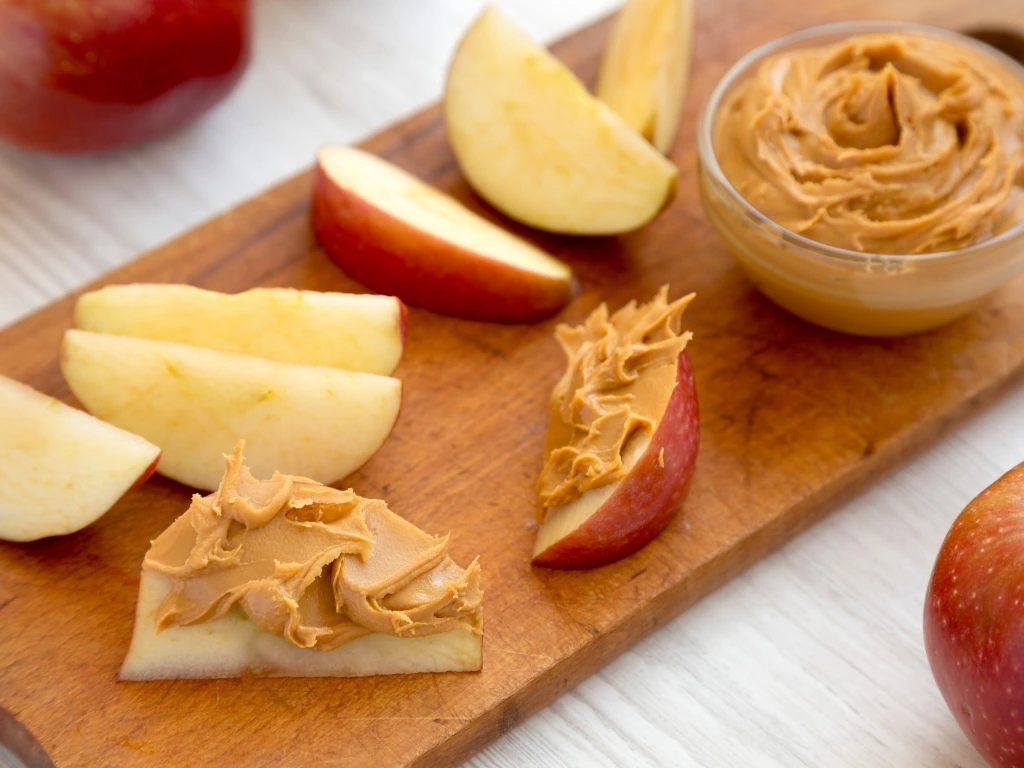
A medium apple provides around 3 grams of fiber, helping slow digestion and manage hunger. Add 2 tablespoons of nut butter (about the size of your thumb) for some healthy fats and a little protein to make the snack more balanced and satisfying. When eaten together, they provide steady energy without a quick sugar crash.
3. Hummus with raw vegetables
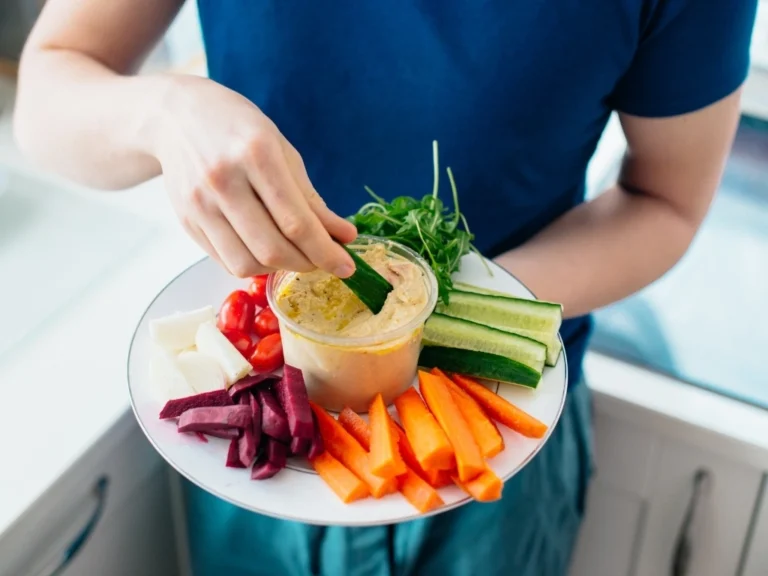
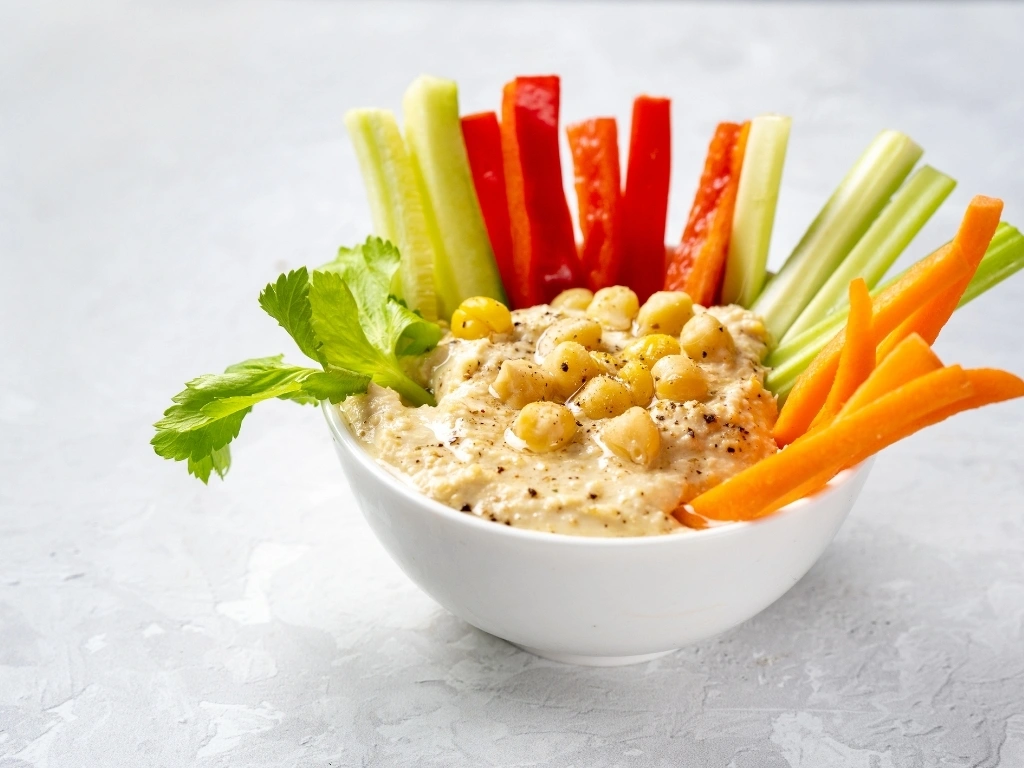
Hummus, made from chickpeas, tahini, olive oil, and lemon, provides plant-based protein, fiber, and heart-healthy fats. Pair 2 to 3 tablespoons (about a golf ball-size serving) of hummus with carrots, cucumbers, or bell peppers for extra vitamins, crunch, and volume.
4. Cottage cheese with fruit
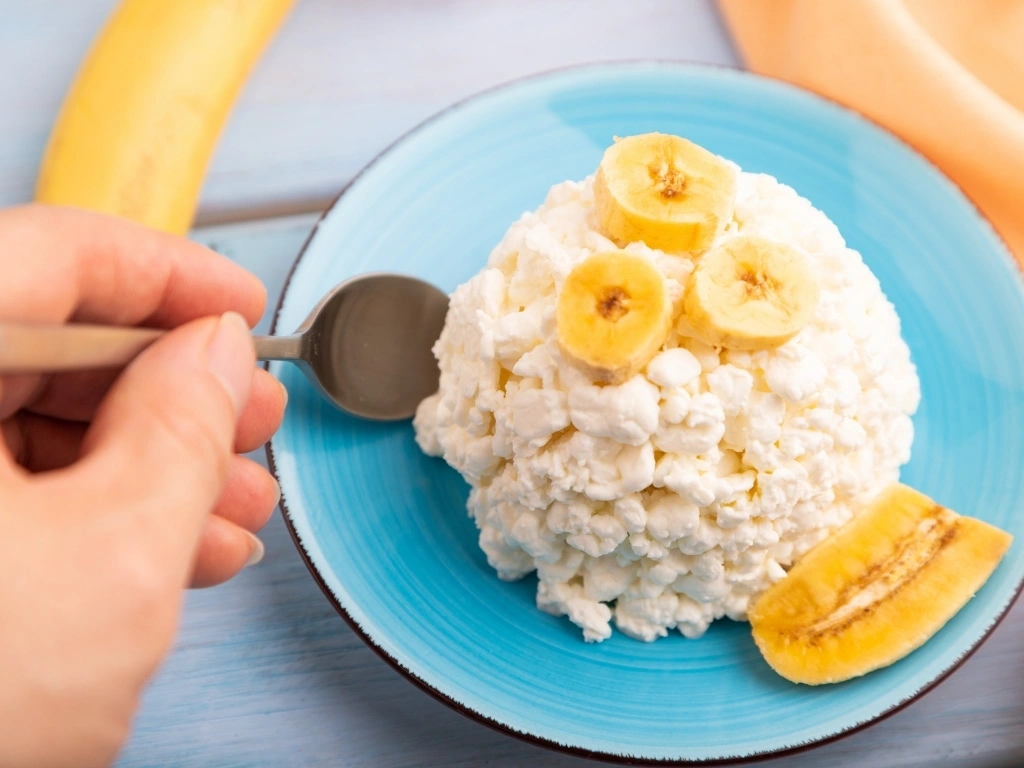
Cottage cheese is rich in casein, a slow-digesting protein that helps you stay full longer. It also provides calcium and B vitamins that support overall health. Adding fruit like pineapple, berries, or peaches to a serving of ½ to 1 cup of cottage cheese gives natural sweetness and fiber for a balanced, creamy snack.
5. Trail mix
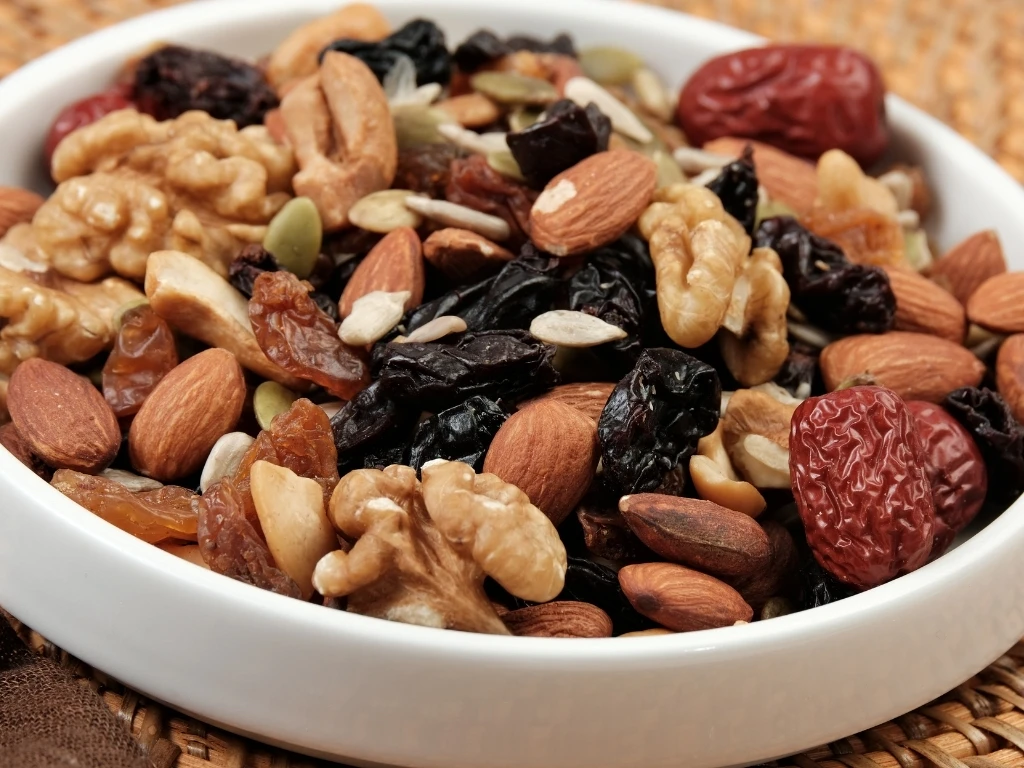
Nuts offer a satisfying mix of healthy fats, plant protein, and fiber, all of which help curb hunger. They also contain magnesium, a mineral involved in energy production. While a small handful (about ¼ cup of nuts) is already calorie-dense, you can make this snack even more nourishing and filling by adding in some unsweetened dried fruit, preferably common trail mix staples like raisins, cranberries, apricots, cherries, and banana chips. If you’re looking to boost protein intake further, reach for a meat stick for a quick but reliable sweet–and-savory combo.
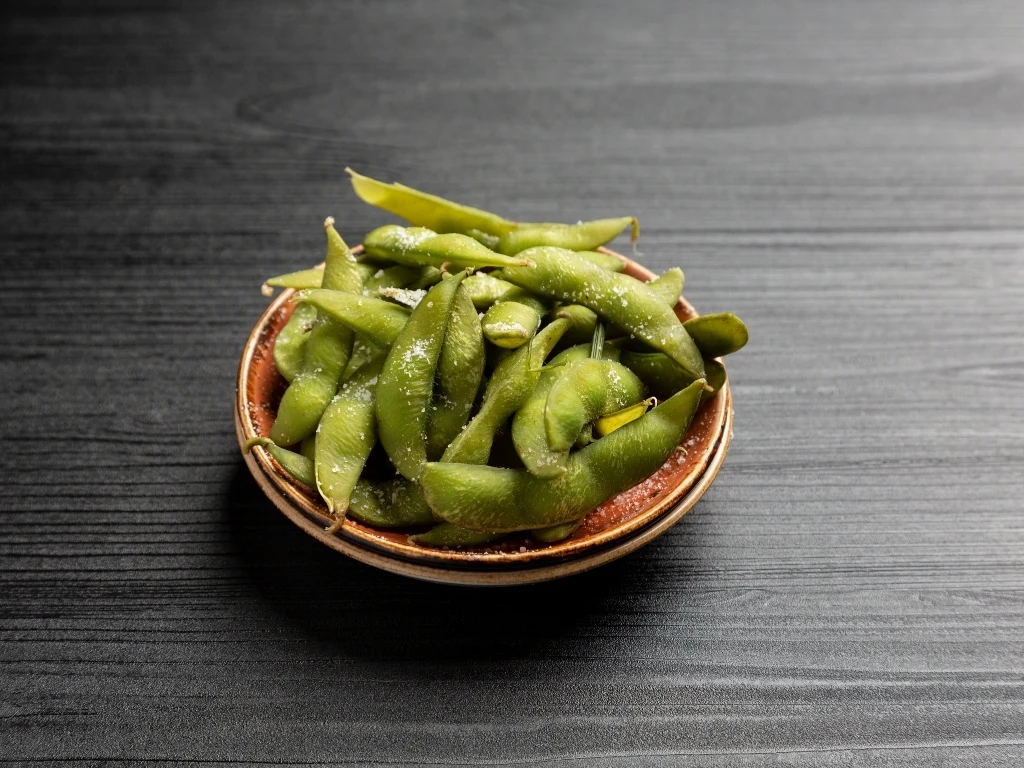
6. Edamame and a handful of nuts
Edamame is one of the few plant foods that provides complete protein, along with fiber and iron for steady energy. This combination makes it more filling than many common snack options. Lightly salted, a simple ½ cup of shelled edamame already makes for a simple, enjoyable, and nutrient-rich snack. Pair it with ¼ cup of nuts for a well-balanced treat with heart-healthy fats.
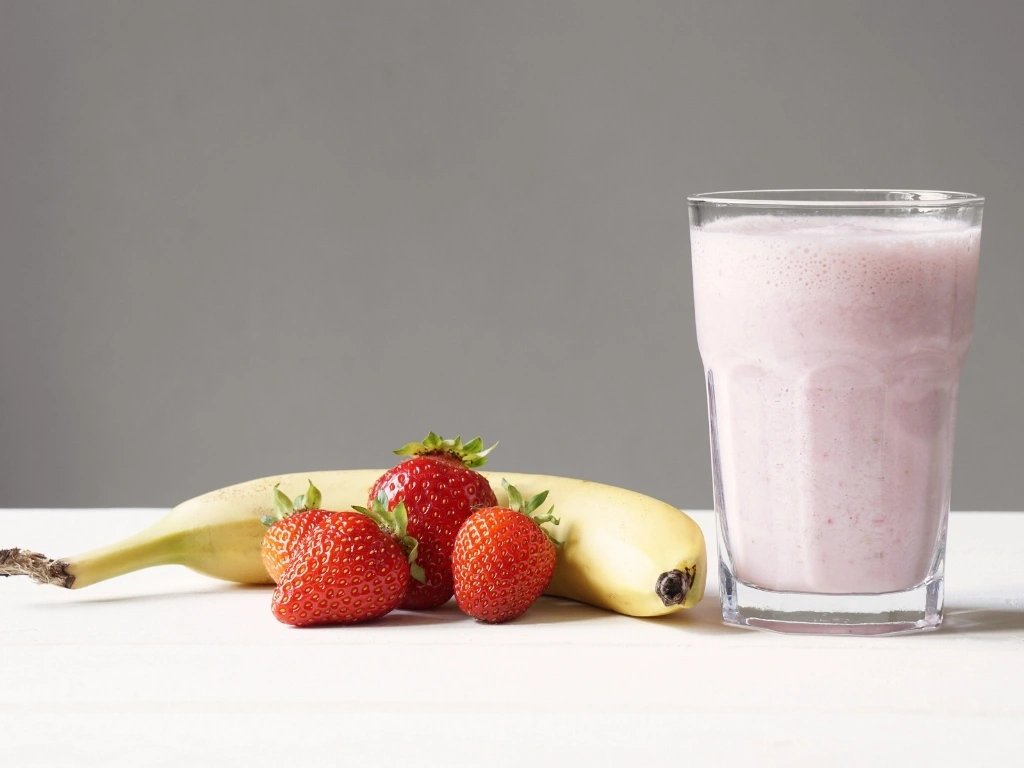
7. Protein shake with fruit
A protein shake can make it easier to meet your daily protein needs, which helps preserve muscle during fat loss. Blending in fruit adds fiber and natural carbohydrates for balanced energy. It’s a convenient and practical option on busy days.
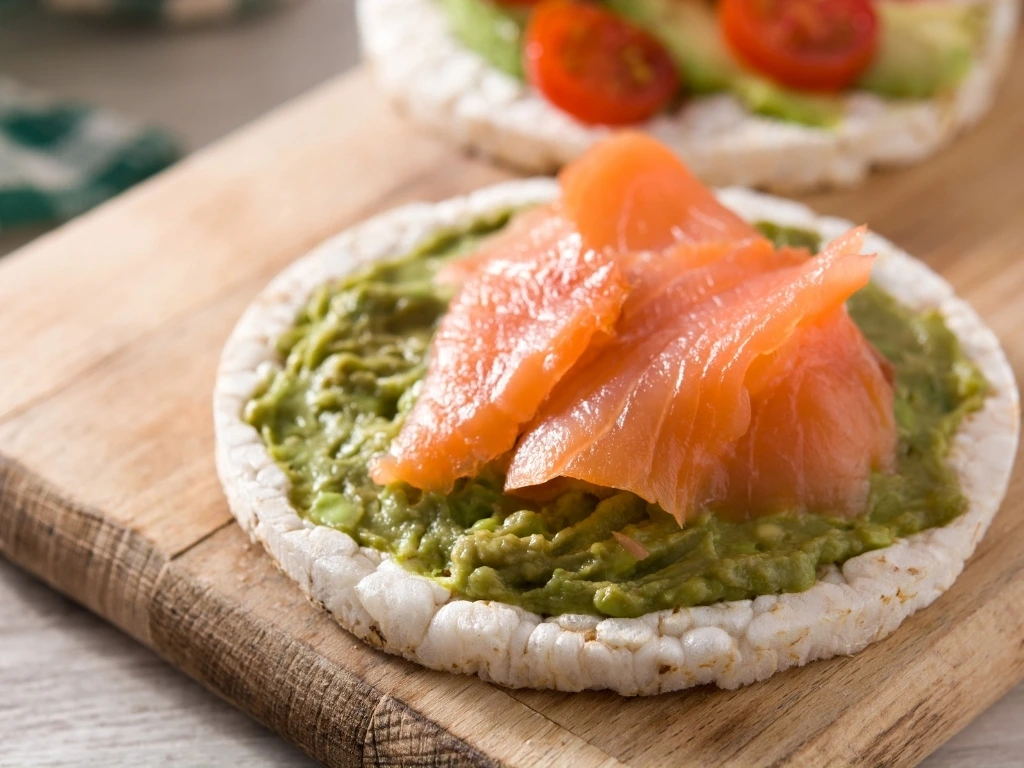
8. Rice cakes with avocado and smoked salmon
Avocados are rich in heart-healthy monounsaturated fats and fiber, both of which help increase feelings of fullness. It also provides potassium, which supports hydration and muscle function. Serve ¼ to ½ medium-sized avocado on rice cakes, alongside some smoked salmon, and it turns a light snack into something heartier and more flavorful.
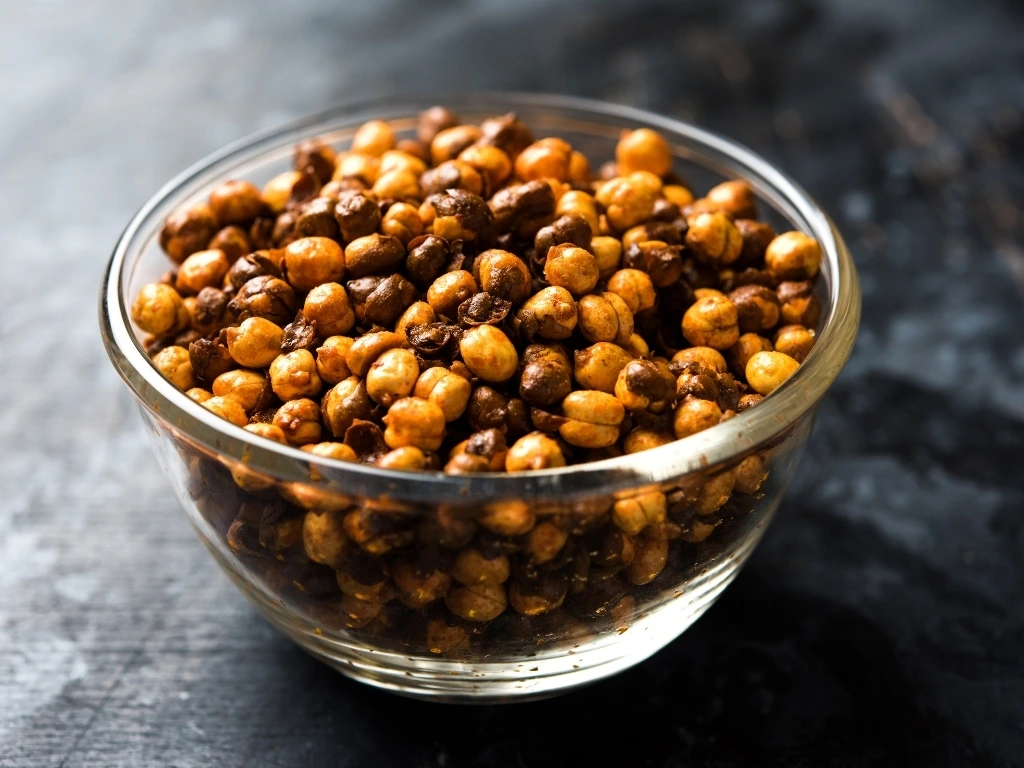
9. Roasted chickpeas and veggies
Chickpeas are naturally high in both protein and fiber, a combination that helps manage appetite. They’re also a good source of iron and folate. Roast about ¼ to ½ cup of chickpeas with some vegetables (cauliflower, broccoli, bell peppers, sweet potatoes hold their shape nicely at high heat!) for a crunchy texture similar to chips — but with more nutrients and less processing.
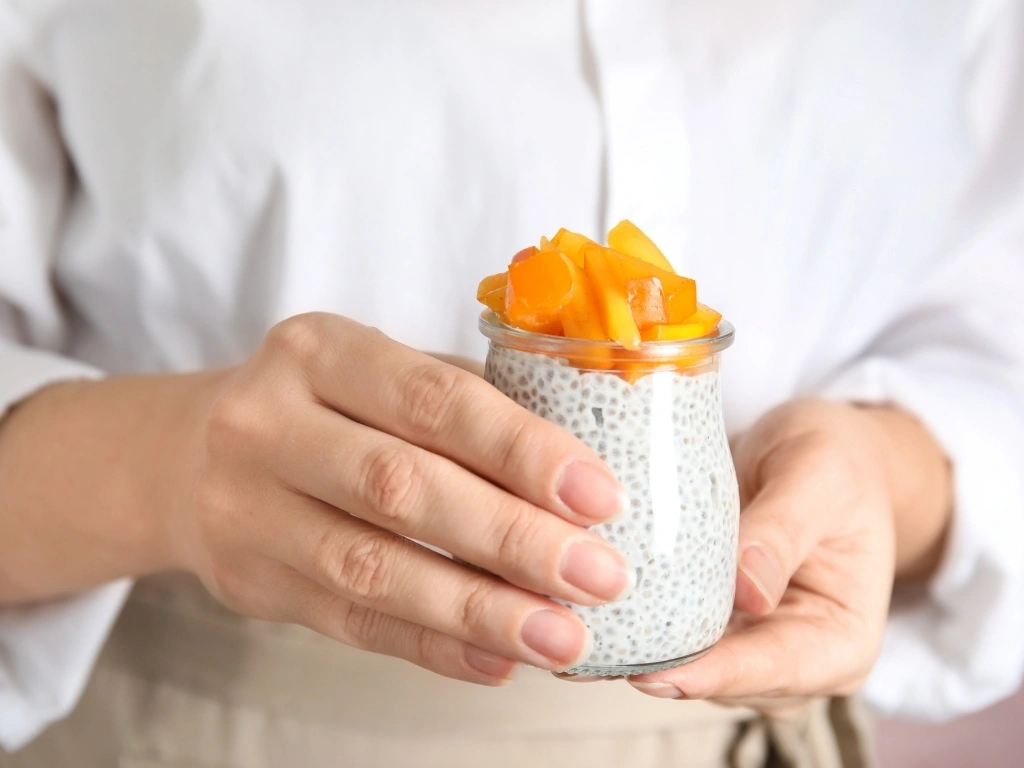
10. Chia pudding
Chia seeds are rich in fiber and omega-3 fats, and they absorb liquid to form a gel-like texture that helps you feel full longer. Just 2 tablespoons provide around 11 grams of fiber. Mixing them with unsweetened almond milk and letting them sit overnight creates a creamy, satisfying snack you can top with fresh fruit.
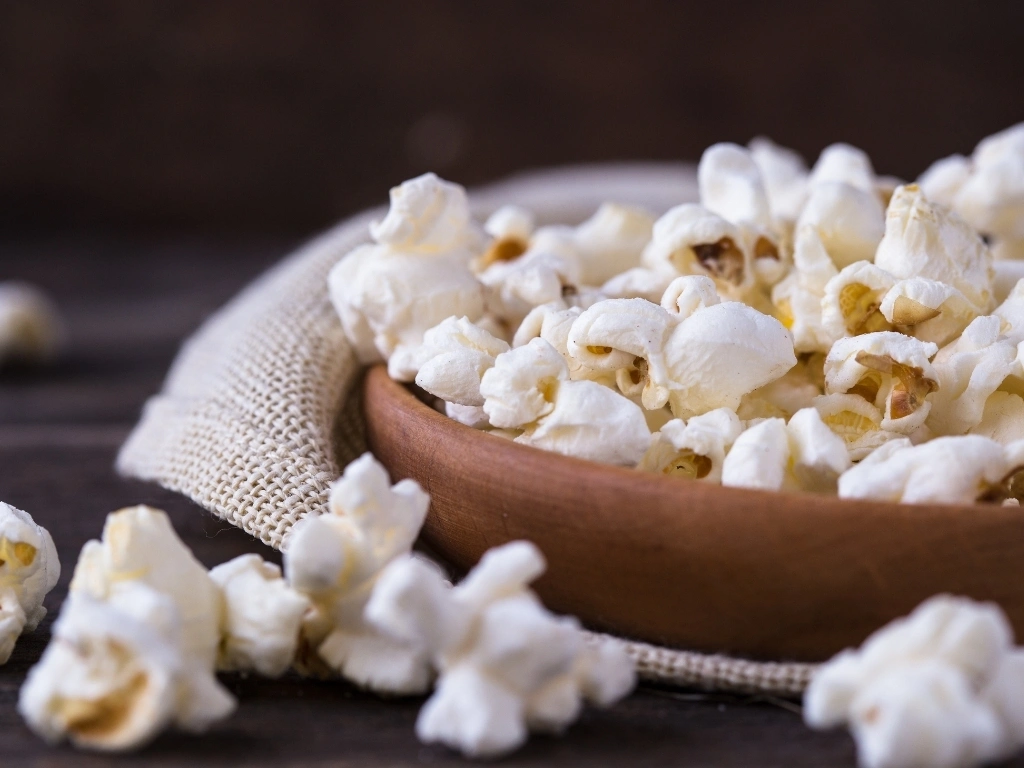
11. Air-popped popcorn and jerky
Popcorn is a whole grain that’s naturally high in fiber and low in calories by volume. About 3 cups make a large, satisfying portion (with 3 to 4 grams of fiber) for relatively few calories. Keep this snack light but more filling by pairing it with a high-protein and savory jerky or some cheese to give the crunch more flavor without going overboard.
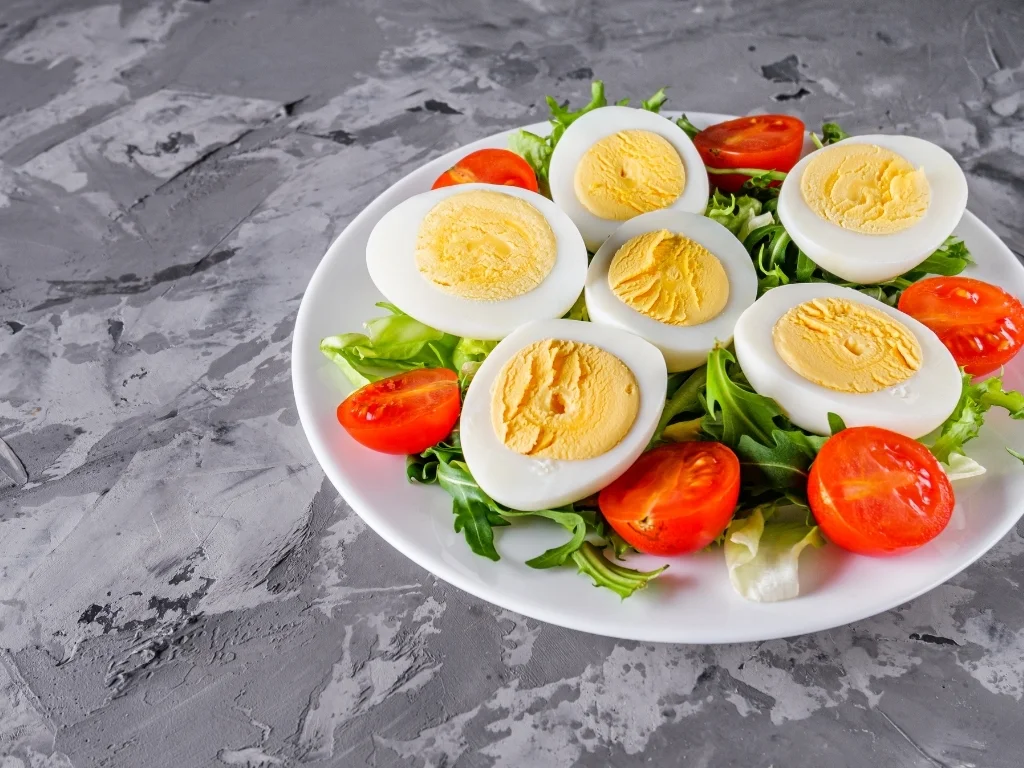
12. Hard-boiled eggs with cherry tomatoes
One large egg contains about 6 grams of complete protein, meaning it delivers all the essential amino acids your body needs. Eggs are also a good source of choline, which supports metabolism and brain function. They’re simple, portable, and surprisingly filling for their size. Round out this snack with a handful of cherry tomatoes for some dietary fiber and extra bright flavor.
How often should you snack when trying to lose weight?
There isn’t a single rule for how often you should snack. Your needs will depend on factors such as your hunger cues, activity level, meal timing, and overall calorie needs.
The most important consideration is to eat when you’re genuinely hungry rather than out of habit or boredom. Some people benefit from a mid-morning or mid-afternoon snack to maintain energy and prevent eating excessively at their next meal.
On more active days, an extra snack may help fuel your body, while on less active days, you might find that fewer snacks are needed.
Common snacking mistakes that can slow weight loss progress
Even healthy snacks can work against your goals if you fall into common snacking traps. Being aware of these mistakes can help you stay on track and make smarter choices.
- Eating directly from packages can lead to consuming more than you intended without realizing it, adding extra calories throughout the day.
- Drinking liquid calories like sugary beverages, juice, or specialty coffee drinks adds energy without keeping you full.
- Choosing low-protein, low-fiber snacks may leave you hungry again quickly, increasing the likelihood of overeating later.
Avoiding these common pitfalls and planning your snacks intentionally helps ensure that snacking supports your weight-loss goals rather than slowing your progress.
Build healthier eating habits for sustainable weight loss with Health Loft
Healthy snacks can absolutely support weight loss without strict or overly restrictive rules. The focus should be on balanced, portion-aware, nutrient-dense options that keep you satisfied and energized throughout the day.
Working with a registered dietitian who specializes in weight loss can make the process more effective and easier to maintain. At Health Loft, our dietitians take the time to understand your eating patterns, activity level, health history, and long-term goals. Rather than offering a generic plan, we create practical, personalized strategies designed to fit your lifestyle, helping you build habits that support lasting, sustainable weight management.
Connect with a Health Loft dietitian today to see how individualized nutrition guidance can help you reach your goals.
This article was reviewed by Katie Whitson, RD, LD. It is intended for informational purposes only and does not replace personalized nutritional advice.