









It only takes a small moment for food allergies to become a real concern in the classroom. For example, a child opening a peanut butter snack at their desk might seem harmless, but for a classmate with a peanut allergy, even trace exposure can lead to a reaction. Situations like this are why many schools put guidelines in place around what foods can be brought and shared.
For families, this can make preparing snacks feel a little less straightforward. You’re not just choosing something quick and tasty. You also have to consider how it fits into shared spaces where safety matters for everyone. The challenge is finding allergy-friendly snack options that your child enjoys while helping reduce the risk for others.

How to choose allergy-friendly snacks for school
Following recommendations from the United States Centers for Disease Control and Prevention, many schools adopt policies, develop emergency plans, and conduct staff training related to handling food allergies on-premises.
They also encourage carefully selecting foods brought to campus, not to limit variety, but to create a more inclusive, safer space for all students, teachers, and staff.
To help make snack time both safe and stress-free, here are some precautionary measures you can take:
Become familiar with the most common food allergens
According to the Food and Drug Administration, these are the nine foods behind the most serious allergic reactions in the country:
- Tree nuts (such as almonds, cashews, walnuts)
- Peanuts
- Milk
- Eggs
- Fish
- Crustacean shellfish
- Wheat
- Soybeans
- Sesame
School policies often focus on limiting or avoiding these top food allergens.
Check ingredient labels carefully
Always read ingredient labels, even if you’ve bought the product before. Ingredients and manufacturing processes can change without notice, and allergens — especially those listed above — may be added or removed. Taking a few extra seconds to review the label helps ensure the snack is still safe and compliant with school allergy policies.
Look for “may contain” or facility warnings
Warnings such as “may contain nuts” or “produced in a facility that also processes allergens” are important indicators of possible cross-contact. However, allergen labeling is voluntary and not standardized in the United States, so make it a point to take extra caution when choosing school-safe snacks.
Choose minimally processed options when unsure
When you’re uncertain about packaged foods, minimally processed options can be a safer choice. Foods with fewer ingredients are generally easier to evaluate for allergens and reduce the risk of hidden or unexpected additives. This approach helps simplify decision-making while improving safety.
Keep snacks simple to reduce risks
Simple snacks with fewer components are less likely to contain hidden allergens or be exposed to cross-contact during manufacturing. Avoid overly complex snack mixes or combination products when possible; instead, choose straightforward options that are easier to verify as safe.
Pack separately to avoid cross-contact
Proper packing is just as important as food selection. Use sealed containers or individual packaging to prevent snacks from coming into contact with other foods that may contain allergens. This extra step helps maintain safety from preparation at home through to consumption at school.
10 allergy-friendly snacks your child will love
Since every school — and every child — has different needs, there’s really no single “perfect” allergy-free snack for school. Still, the following snack ideas can be a helpful starting point. They’re easy to pack, widely available, and adaptable to preferences, school rules, and dietary needs.
1. Fruit slices
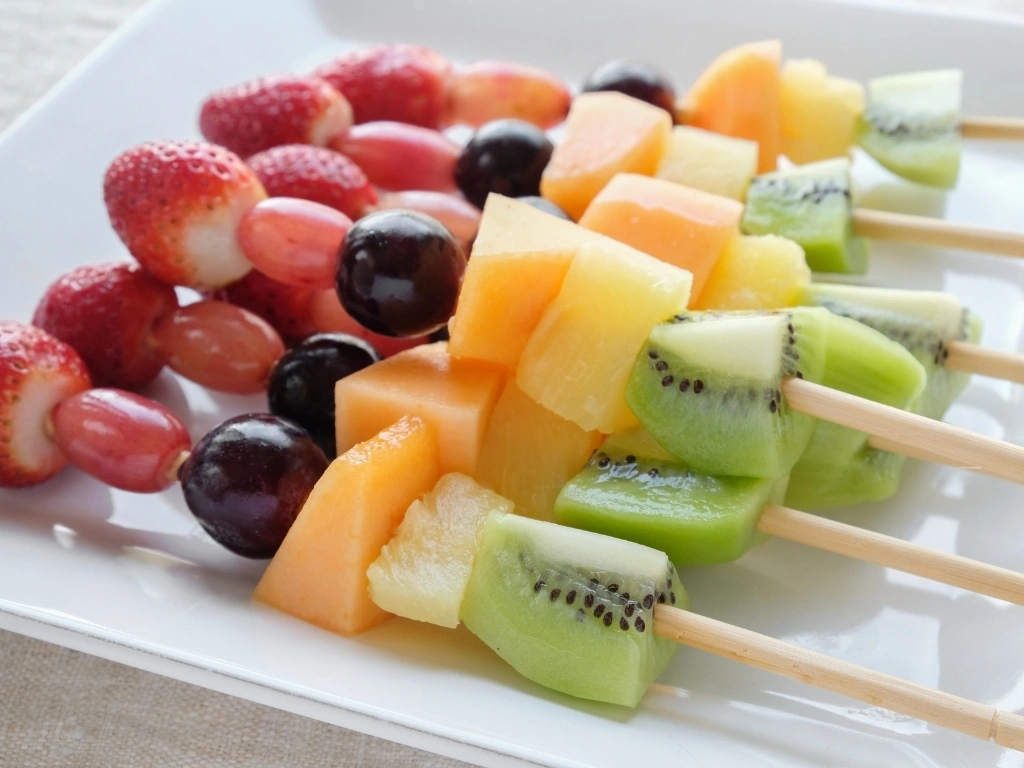
Fruits are a go-to allergen-friendly snack option for schools. Arrange a variety of fruits like berries, pineapple, grapes, melon, and kiwi into skewers for a fun way to introduce healthy snacks to your kids. These can also be easily paired with spreads or dips for a protein boost that makes for a more filling snack. Since nut allergies are common among children, reach for seed butters or nut-free spreads.
2. Yogurt cups
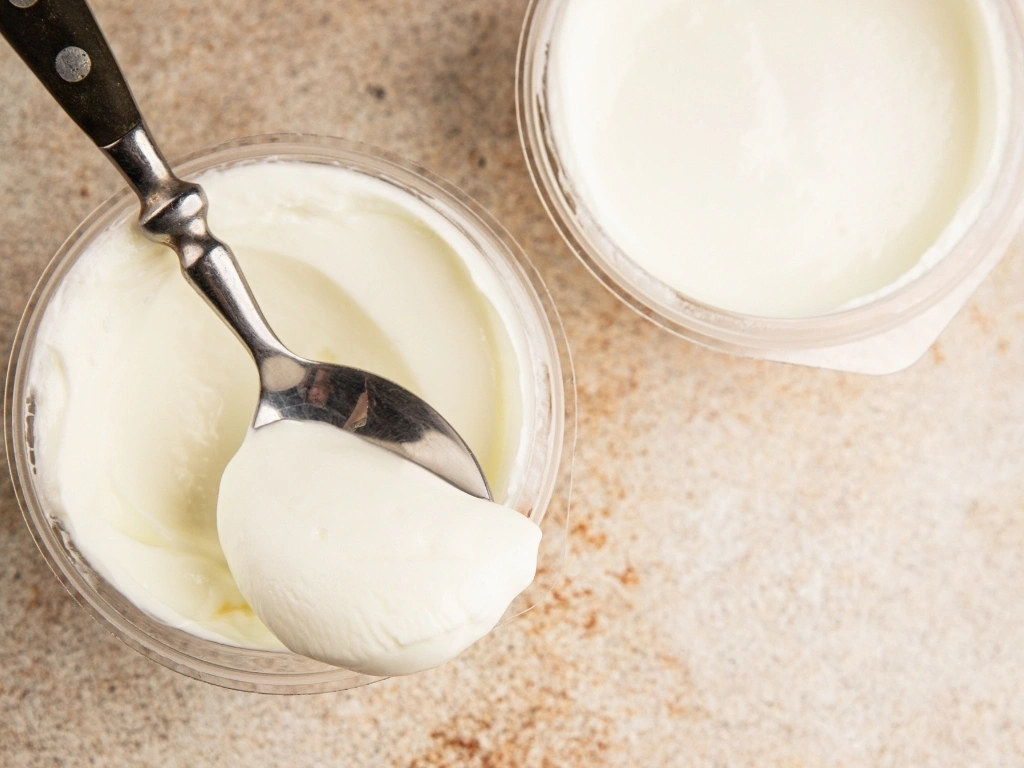
Single-serve yogurt cups are another convenient, protein-rich snack. Swap regular yogurt for Greek yogurt for higher protein and less sugar. If dairy is a concern, dairy-free yogurts are also accessible.
Make this snack more satisfying by adding dried or fresh fruit, nut-free granola, or seeds for extra texture and to help keep your kid full longer.
3. Spring rolls
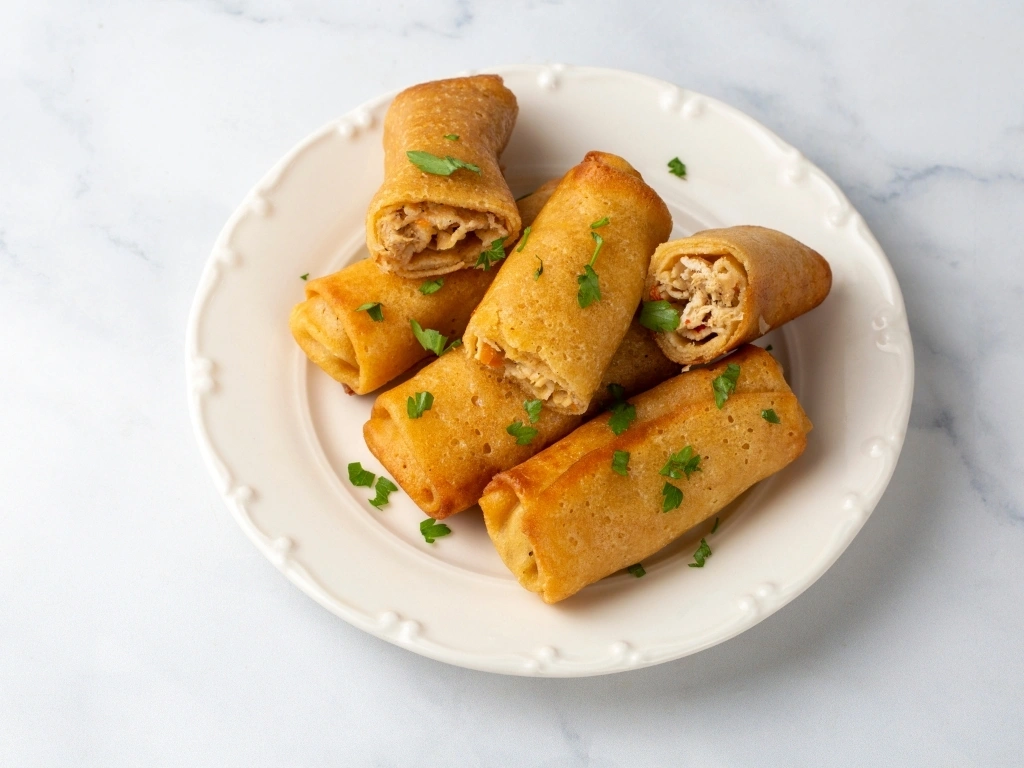
Spring rolls made with thin crepes, ground chicken, and diced carrots can be a filling snack that’s both allergy-friendly and child-friendly. Add some cheese or use canned tuna instead of chicken to boost or vary proteins as needed.
4. Whole-grain crackers with hummus
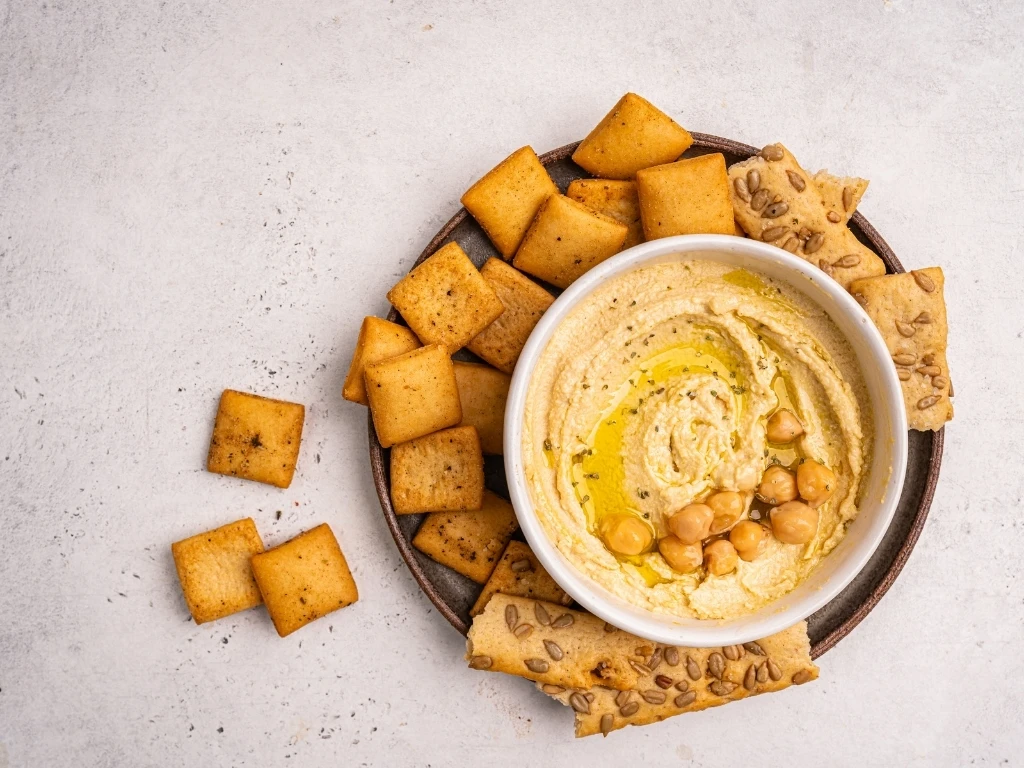
This next allergy-friendly snack provides a balanced mix of carbs, fiber, and protein — good for when you need something filling. Keep in mind that traditional hummus often contains sesame, a common allergen, so if sesame is a concern, consider a sesame-free bean dip alternative.
5. Roasted chickpeas
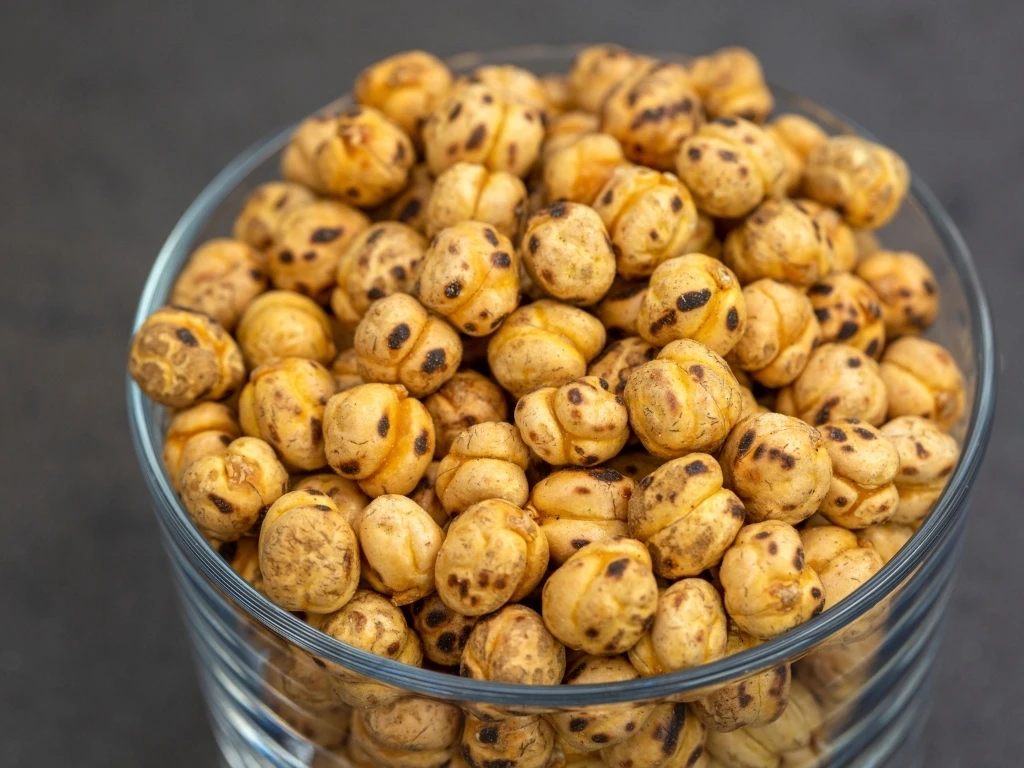
Chickpeas, when seasoned and roasted, can be a healthy alternative to chips when your kid wants something savory for snack time. This crunchy, high-fiber snack idea also works well with roasted lentils or edamame (if soy is tolerated and allowed in school) since these offer a similar texture and nutrition.

6. Popcorn
Air-popped popcorn is a simple, whole-grain snack that’s allergy-friendly and easy to pack. Eat it along with some whole-grain pretzels for extra carbs or aged cheese for protein to make it more balanced and filling. Popcorn is also quick to customize, whether your kid wants it sweet (with maple syrup or honey) or savory (with olive oil or seaweed).
7. Homemade applesauce pouch
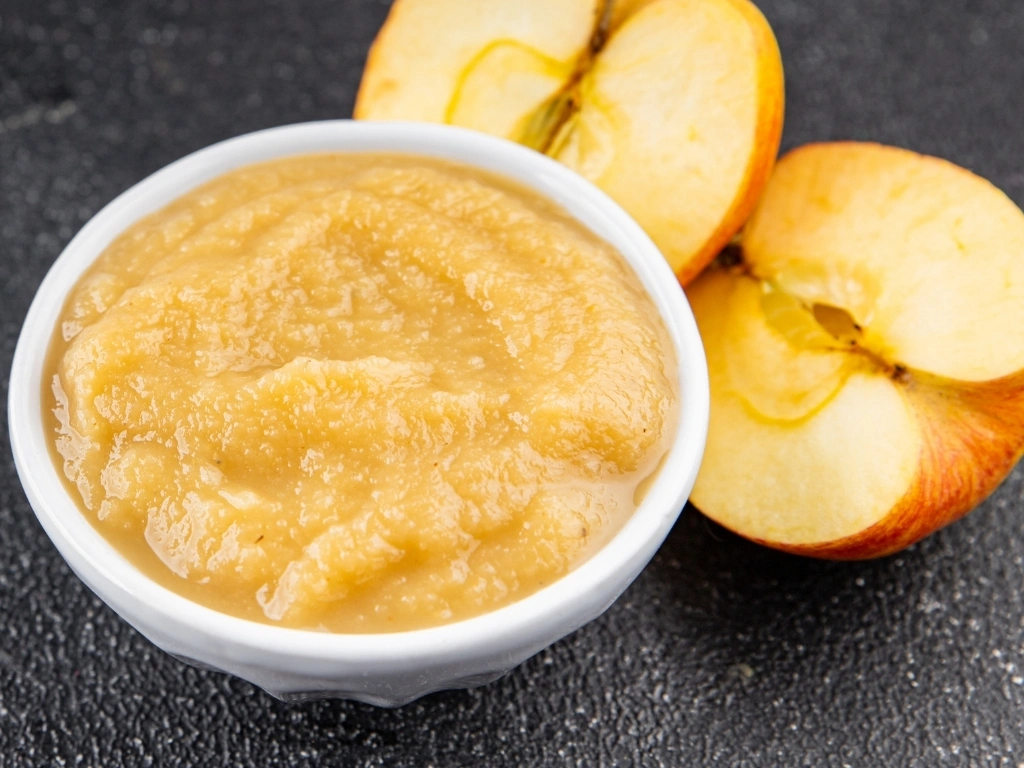
Applesauce pouches are convenient, mess-free snack options for kids on the go — and they’re quick to make at home. You simply have to simmer peeled, chopped apples with water and cinnamon for 15–20 minutes, then blend until smooth. Pack the puree into resealable pouches for easy access. Pairing this with a mini oat bar or a small muffin can help make it much more filling.
8. Sandwich roll-up
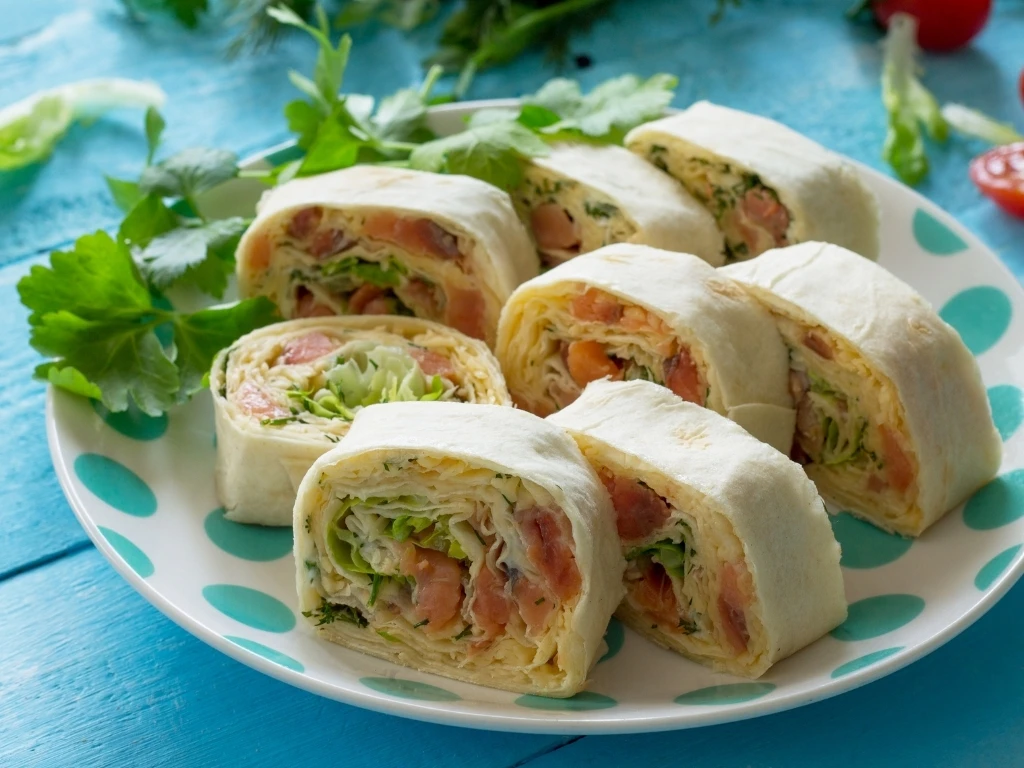
A roll-up with turkey, chicken, or cheese is an easy, portable snack that works well for school. Swap the tortilla with whole-grain bread, pita, or lettuce wraps, depending on preference.
You can also change up the filling with options like tuna, salmon, or simple vegetable fillings such as cucumber, lettuce, or roasted vegetables. Keeping the ingredients simple and clearly labeled helps reduce allergy risks and makes it easier to prepare safely.
9. Seed bars
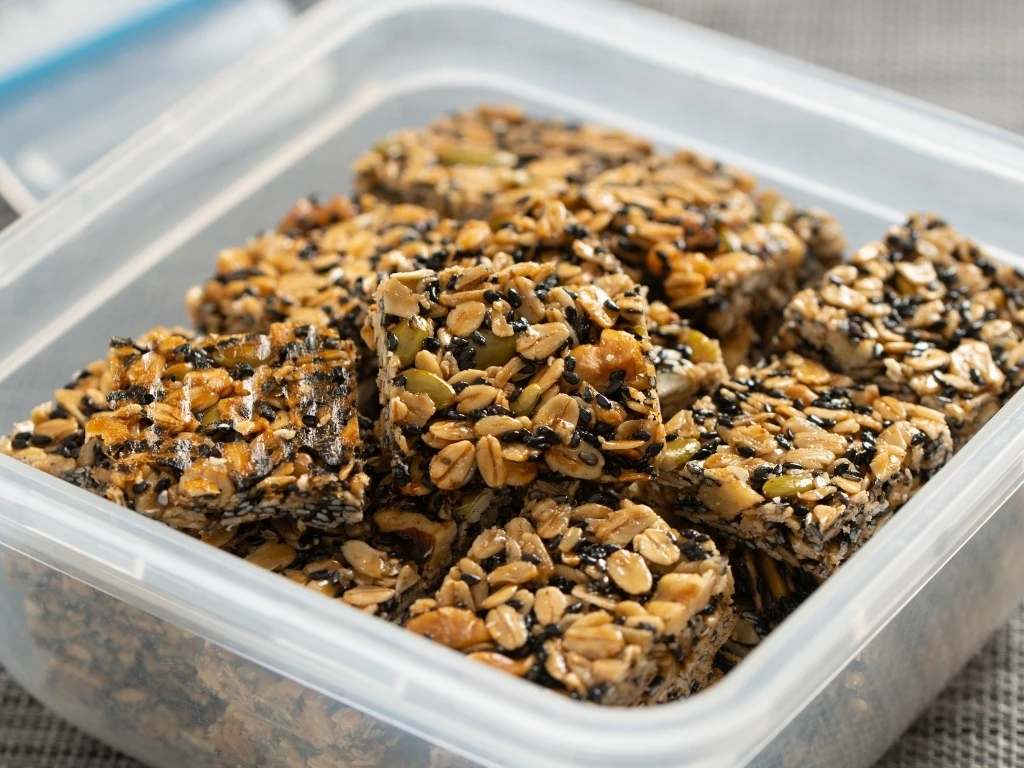
Mixing pumpkin seeds, sunflower seeds, chia seeds, and/or flaxseeds, when tolerated well, into snack bars provides crunch and healthy fats without relying on nuts. Swap any seed for some whole-grain cereals or nut-free granola for a similar crunchy texture. Adding a small amount of dried fruit can give natural sweetness while keeping the mix balanced.
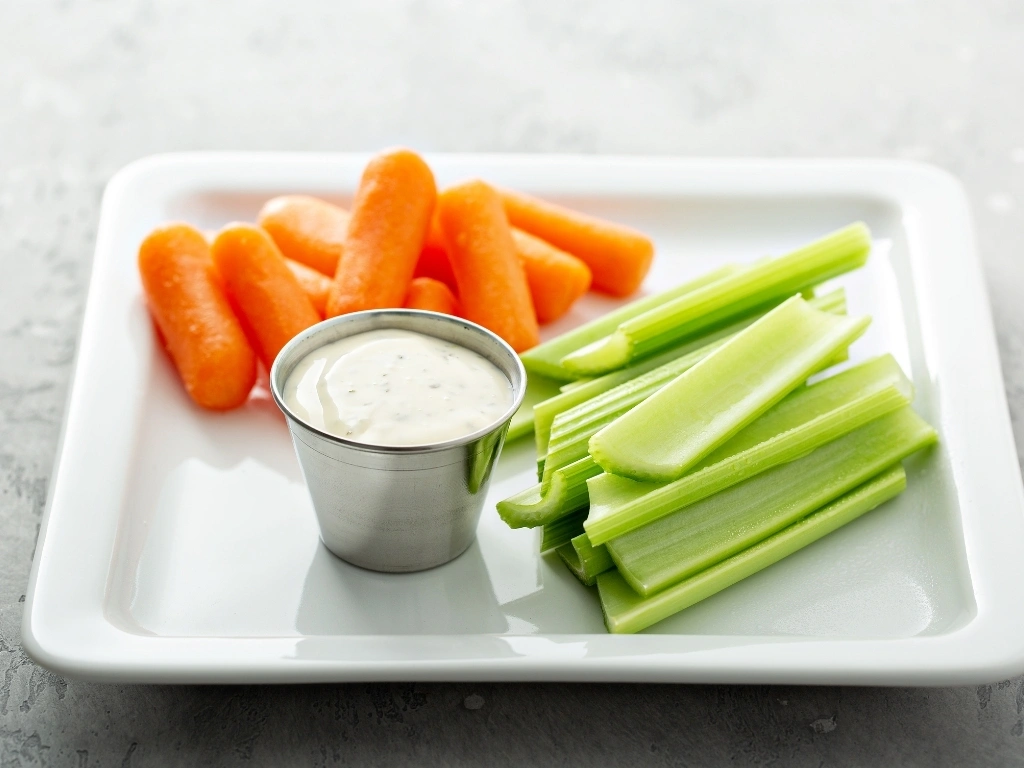
10. Vegetable sticks with ranch
Carrot, cucumber, or celery sticks with dip make a fresh, crunchy, and allergy-friendly snack option. If your kid isn’t a fan of ranch, go for guacamole-style dips, olive oil-based dips, or other school-approved sauces, depending on their dietary needs. Cutting vegetables into smaller, easy-to-eat pieces can make them more appealing, especially for younger kids.
How to adapt snacks for multiple allergies
Managing multiple food allergies means focusing on simple, flexible ingredients and knowing what to swap when needed. With a few basic substitutions, most snacks can be adjusted to accommodate different dietary restrictions while remaining balanced and safe for school.
Dairy-free
If dairy needs to be avoided, there are several easy swaps that still provide creaminess and nutrition. Coconut milk and oat milk, as well as products derived from them (such as yogurt or cream), can be great alternatives to the usual milk and milk products, especially when you’d also rather limit use of soy milk and almond milk, which may both carry potential allergens.
Dairy-free cheese alternatives can also work in sandwiches or snack boxes. Always check labels for added allergens or cross-contact warnings.
Gluten-free
For gluten-free needs, simple substitutions can keep snacks just as filling. Rice crackers, corn-based snacks, or gluten-free wraps can replace traditional bread or wheat-based crackers. It’s important to look for gluten-free labeling when preparing school snacks.
Soy-free
If soy is a concern, focus on whole, minimally processed foods that naturally avoid it. Fresh fruit, vegetables, seeds, and certain bean dips can work well, but always check packaged dips and snacks for hidden soy-based ingredients.
Build safer snack routines with a Health Loft dietitian
Managing food allergies at school can feel overwhelming at the start, especially when you’re trying to balance safety, variety, and everyday routines. But with the right approach, it becomes easier to build snack habits that are both safe and practical for your child.
If you’re unsure about ingredients, label reading, or how to navigate school-specific allergy rules, it’s always best to seek guidance before making changes on your own. Small differences in products or preparation can make a meaningful impact on your child’s safety, nutrition, and confidence.
At Health Loft, our registered dietitians specializing in food allergies help families create simple, structured, allergy-aware snack routines that fit real life. We take into account your child’s health needs and dietary restrictions, and balance them with school requirements, to build practical strategies you can rely on every day. Connect with a Health Loft dietitian to get personalized support.
This article was reviewed by Katie Whitson, RD, LD. It is intended for informational purposes only and does not replace personalized nutritional advice.