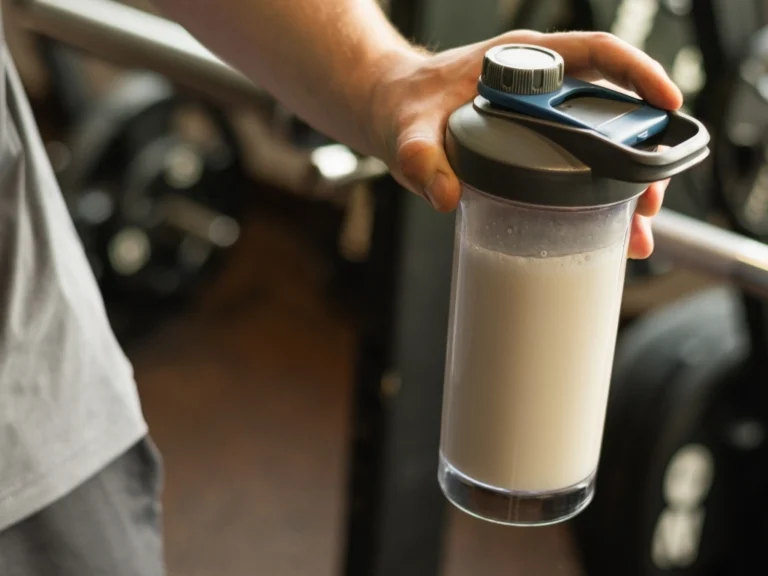









Protein shakes are one of the simplest ways to incorporate fruits, vegetables, and other nutrient-rich ingredients into your breakfast, lunch, or snacks. Not only are they quick to prepare and customize, but they’re also filling and packed with nutrition, making them a convenient option for people trying to manage their weight.
Many people wonder whether protein shakes are good for weight loss — and the answer is an easy yes. When used thoughtfully, they can support appetite control, help maintain muscle, and fit into a balanced eating plan.

How are protein shakes good for weight loss? Key benefits to consider
Protein shakes can be a helpful tool for fat loss when used strategically. Here’s why:
- Keeps you full longer: Protein helps curb hunger and can reduce cravings. This may make it easier to manage portion sizes and avoid unnecessary snacking.
- Preserves lean muscle: Getting enough protein helps protect your muscle mass as you lose fat, thereby maintaining a healthy metabolism.
- Convenient for busy lifestyles: Protein shakes are quick to prepare and portable, which can help you stay consistent with healthy eating habits even on hectic days.
- Supports fat loss: While the impact is modest, protein can slightly increase calorie burn through the thermic effect of food and help your body use fat more efficiently.
When is the best time to drink a protein shake?
The best time to drink a protein shake depends on your schedule, activity level, and overall eating habits. Instead of being strict with your timing, it’s often more helpful to think about how a shake fits into your daily routine.
- In the morning: Starting your day with a protein shake can help reduce mid-morning hunger and keep you full until your next meal.
- After exercise: Post-workout is a great time for protein. A shake supports muscle repair and helps maintain muscle mass, which is important for metabolism and energy during weight loss.
- Between meals: If there are long gaps between meals, a protein shake can serve as a satisfying mid-morning or mid-afternoon snack that helps prevent overeating later.
- Occasionally, as a meal replacement: Protein shakes can replace a meal when necessary, but it’s best to include fiber, healthy fats, and other nutrients so the shake feels balanced and satisfying.
Does the ideal time to drink protein shakes for weight loss vary between males and females? Gender isn’t actually a huge factor to consider, though hormonal changes, activity levels, appetite patterns, and body composition can all influence when a protein shake feels most helpful.
In most cases, the total amount of protein you consume throughout the day matters more than the exact timing of your shake. Paying attention to hunger cues and building balanced meals is often the most practical approach.

How to make a balanced protein shake
Making your own protein shake at home allows you to control the ingredients and tailor the nutrition to your goals. It can also help you avoid the excess sugars or calories sometimes found in some pre-made options.
Here are a few simple tips to consider:
Choose the right type of protein
The type of protein you use matters. Whey protein digests quickly and is commonly used for post-workout recovery, while plant-based options like pea or soy are good alternatives for those avoiding dairy. Pick a protein that fits your dietary preferences and digestive comfort.
Limit added sugars
Too much added sugar can lead to energy spikes and increase calories without improving nutrition. Use natural sweetness from fruits like berries, a small banana, or a small drizzle of honey, instead of flavored syrups.
Balance calories and nutrients
Consider the overall calories and nutrient balance to ensure your shake fits your daily goals. Aim for a combination of protein, fiber, and healthy fats — like adding a tablespoon of nut butter or chia seeds — to keep you full, satisfied, and energized until your next meal.
Add nutrient-rich ingredients for extra benefits
You can boost your shake’s nutrition by including ingredients like spinach or kale for vitamins and minerals, oats for slow-digesting carbs, or cinnamon for flavor and blood sugar support. Small additions like these make your shake more satisfying and nutritionally complete without adding excess calories.
Common mistakes when consuming protein shakes for weight loss
Protein shakes can be a helpful tool for fat loss, but it’s easy to make mistakes that undermine your progress. Being aware of these pitfalls ensures your shakes support your goals rather than hinder them:
- Using shakes as meal replacements too often: Replacing multiple meals with shakes can create nutrient gaps and leave you feeling unsatisfied. Whole foods provide vitamins, minerals, and fiber that shakes alone can’t fully replace.
- Drinking multiple high-calorie shakes: Shakes with added ingredients like nut butters, full-fat milk, or sweeteners can increase calorie intake and slow fat loss.
- Relying solely on shakes for nutrition: Shakes should complement your diet, not serve as the primary source of nutrition. Whole foods offer fiber, antioxidants, and other essential nutrients that shakes alone can’t provide.
Tips for using protein shakes effectively for weight loss
To get the most out of protein shakes for weight loss and overall nutrition, consider these strategies:
- Pair shakes with whole foods: Adding fruits, vegetables, carbohydrates, or healthy fats can make your shake more filling, boost nutrient content, and help keep hunger in check.
- Use low-calorie liquid bases: Unsweetened almond milk, water, or skim milk keeps your shake lower in calories while still creamy and satisfying.
- Control portion sizes: Measuring ingredients prevents unintentionally consuming extra calories, helping your shake fit into your daily nutrition goals.
- Track protein intake: Ensuring your total daily protein meets your personal needs supports muscle preservation, satiety, and fat loss.
3 protein shake recipes to support fat loss
Here are three simple, nutrient-packed shakes that can help you stay full and make protein intake easy.
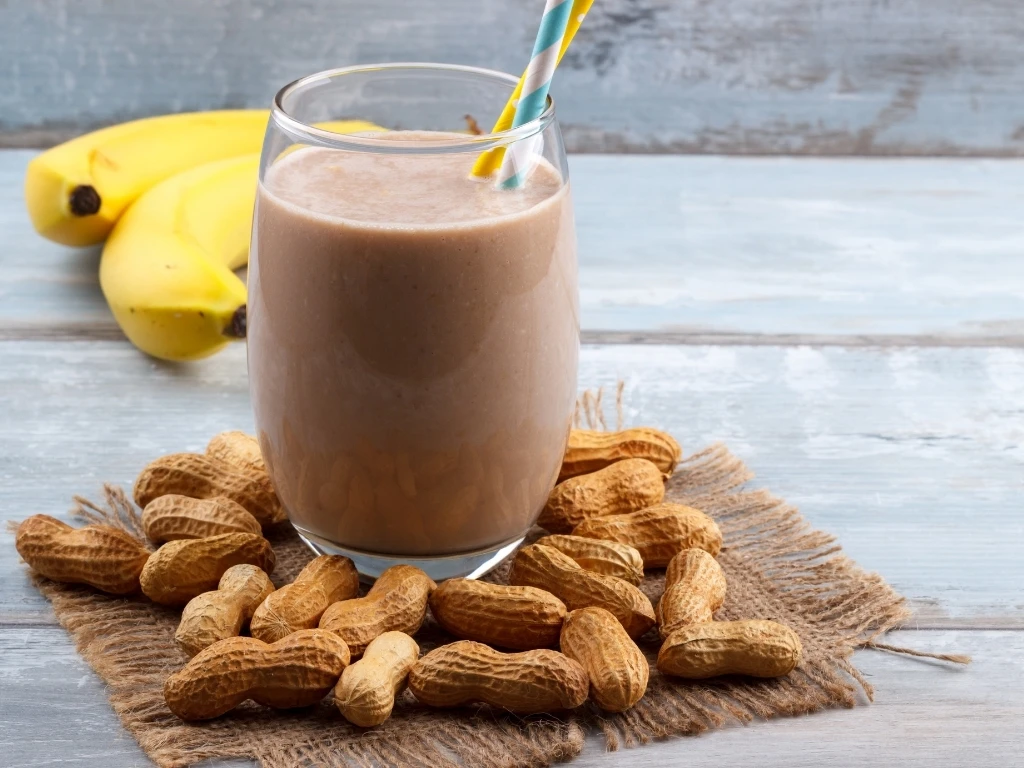
Chocolate peanut butter banana shake
Ingredients:
- 1 scoop of chocolate protein powder
- 1 cup low-fat or unsweetened plant milk
- 1 small banana
- 1 tablespoon natural peanut butter
- 2–3 tablespoons rolled oats
This shake combines protein for muscle maintenance, potassium from banana, fiber from oats for fullness, and healthy fats from peanut butter.
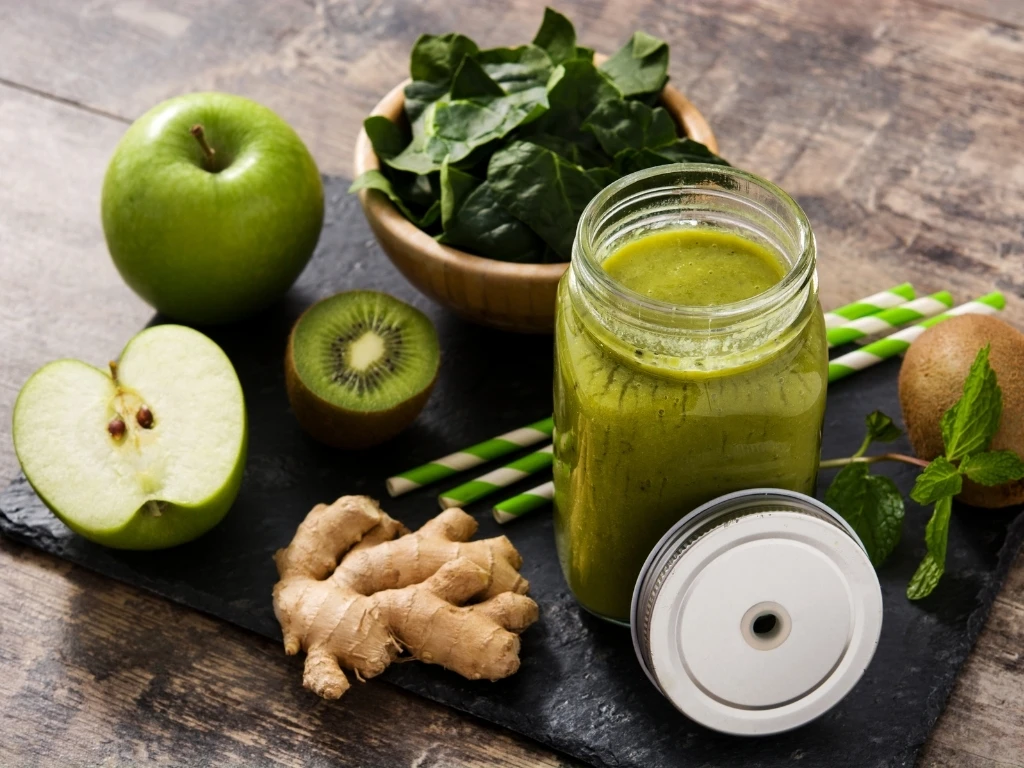
Green protein smoothie
Ingredients:
- 1 scoop vanilla or unflavored protein powder
- 1 cup spinach or kale
- ½ green apple (chopped)
- 1 kiwi (peeled)
- ½ cup water or coconut water
- A small slice of fresh ginger
- A few mint leaves
This smoothie provides protein, fiber, and vitamins from the fruits and greens, and a refreshing flavor from ginger and mint.
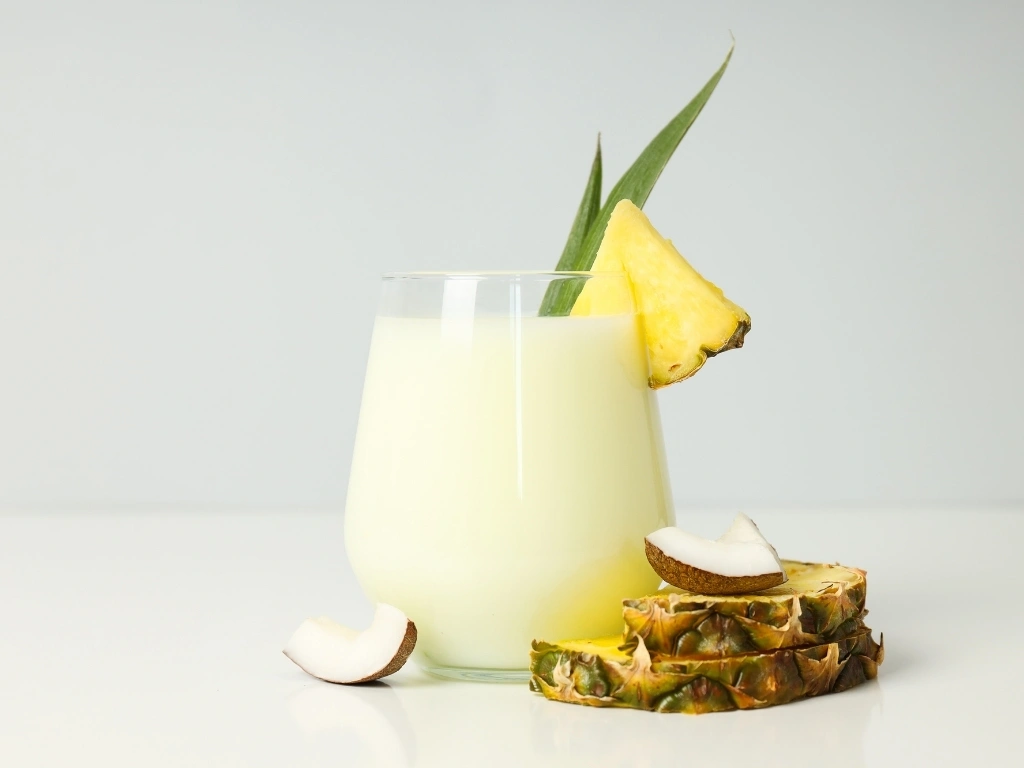
Tropical coconut protein shake
Ingredients:
- 1 scoop vanilla protein powder
- ½ cup canned coconut milk (unsweetened)
- ½ cup frozen mango
- ½ cup pineapple
- 1 teaspoon shredded unsweetened coconut
This shake is rich in protein, vitamins, and healthy fats while offering a naturally sweet tropical flavor.
Discover smarter nutrition choices that fit your lifestyle with Health Loft
Using protein shakes for weight loss works best when they are part of a balanced, sustainable approach to nutrition, rather than a replacement for real meals. Instead of extreme diets, focusing on consistent meals, nutrient-rich whole foods, and adequate protein intake can help support energy levels, manage hunger, and maintain muscle while losing weight.
If you’re unsure how to structure your diet, working with a registered weight loss dietitian can be a valuable investment, as they can help you build a plan that fits your lifestyle, preferences, and goals.
Connect with a Health Loft dietitian today to start receiving personalized, evidence-based guidance that helps you achieve your weight loss goals safely and effectively.
This article was reviewed by Adrienne DePaul, MS, RDN. It is intended for informational purposes only and does not replace personalized nutritional advice.