








More people are going plant-based for various reasons. Whether it’s for ethical reasons or for the planet, a plant-based diet can offer meaningful health benefits, including a lower risk of chronic diseases. For many, it also provides a less restrictive way to manage eating.
A well-balanced vegetarian diet places the focus on foods that are high in fiber, rich in nutrients, and generally lower in calorie density — a combination that makes it ideal for weight loss. But although plant-based eating can be supportive of this goal, even the healthiest meals can fall flat without including enough protein on the plate.
Learn how to build meals around high-protein vegetarian foods to make weight loss more balanced and easier to maintain.

What is a vegetarian diet?
A vegetarian diet excludes meat, poultry, and seafood, and instead focuses on plant-based foods like vegetables, fruits, whole grains, legumes, nuts, and seeds. The list of acceptable food groups typically depends on the variation of the vegetarian diet you observe:
- Lacto-ovo vegetarian – includes dairy products and eggs
- Lacto-vegetarian – includes dairy products but not eggs
- Vegan – excludes all animal products, including dairy products and eggs
- “Plant-based” or semi-vegetarian – mostly focus on plant foods but may occasionally include small amounts of animal products
How vegetarian meals can support weight loss
Vegetable-based meals tend to support weight loss naturally for a few key reasons:
- Foods like vegetables, fruits, beans, and whole grains are high in fiber, thereby helping you feel full for longer and reducing the urge to overeat.
- Vegetarian meals are also lower in calorie density, so you can eat larger portions without consuming excess calories.
- Whole plant foods are nutrient-rich, providing vitamins and minerals that can support your health overall as you work towards losing weight.
Why a high-protein vegetarian approach should be prioritized
A vegetarian diet may support weight loss. However, adding enough protein is necessary for our bodies to thrive.
Promotes fullness
Protein is crucial to how satisfied and energized you feel after meals. It takes longer to digest in the stomach than carbohydrates, keeping you full for much longer and reducing the urge to snack between meals.
Protein also directly increases hormones that promote satiety, while lowering levels of ghrelin, the hormone that signals hunger.
Keeps cravings at bay
Meals that include a solid source of protein also tend to feel more complete, which can naturally lower cravings and make it easier to stay consistent with your eating routine.
Maintains muscle
Beyond helping control appetite, protein is especially important during weight loss because it helps preserve lean muscle mass.
When you’re in a calorie deficit, the goal is to lose fat, not muscle. Maintaining muscle supports a healthier metabolism, which in turn helps your body continue burning calories efficiently over time.
Foods to include in a vegetarian diet for weight loss
Instead of relying mostly on grains or low-protein meals, focus on whole, minimally processed foods that provide a balance of protein, fiber, and healthy fats. This combination helps keep you full and supports steady energy throughout the day.
While animal proteins are often called “complete” because they contain all nine essential amino acids, it’s entirely possible to meet your protein needs on a vegetarian diet. Some plant foods provide all essential amino acids on their own, such as:
- Soy-based proteins like tofu, tempeh, or edamame
- Eggs and dairy products like milk, cottage cheese, or yogurt (if included)
- Quinoa
- Buckwheat
- Hemp seeds
- Chia seeds
- Nutritional yeast
Meanwhile, other plant foods, such as legumes (rich in lysine) and grains (rich in methionine/cysteine), complement each other and may be paired to create a complete protein profile.
- Rice and beans
- Lentils and rice
- Whole-grain toast and peanut butter
- Chickpeas and brown rice
Using these ingredients to build meals helps you stay consistent with your weight loss goals without ever feeling deprived.
As long as you’re eating enough and including a range of foods, plant-based diets can provide sufficient protein to support overall health and weight management. You don’t need to stress about pairing these perfectly at every meal because your body pools amino acids throughout the day. However, these can be helpful to keep in mind to ensure adequate intake overall.
Foods to limit for more effective weight loss
While many vegetarian foods are nutrient-rich, some can still be calorie-dense or lower in nutritional value when eaten in excess. Being mindful of these choices can help you stay aligned with your weight loss goals.
- Refined carbs like white bread or pasta made of white flour
- Sugary snacks and drinks
- Excessive oils and fried foods
You don’t have to eliminate these foods entirely, as some of them still have a place in balanced high-protein vegetarian meals for weight loss. Simply aim to keep them in balance to get the best results.
Simple 7-day high-protein vegetarian meal plan for weight loss
To meet the basic nutritional requirements, you need to consume at least 0.8g of protein for each kilogram of your body weight. If you’re looking to build muscle, a higher amount at around 1.2 to 1.6g may be needed.
This sample plan is built to help you visualize how you can hit these marks with healthy, high-protein vegetarian meals for weight loss. The following meal ideas allow for eggs and dairy use, and are aimed at roughly 85g to 90g of protein per day (reflecting the daily needs of an average adult).
Feel free to adjust these meal ideas based on your own preferences, routine, and nutritional needs. Consult a registered dietitian for a more personalized, vegetable-based diet plan for losing weight.
Day 1
- Breakfast: Tofu fajita wrap (150g firm tofu, bell peppers, onions, and zucchini on whole-wheat wrap)
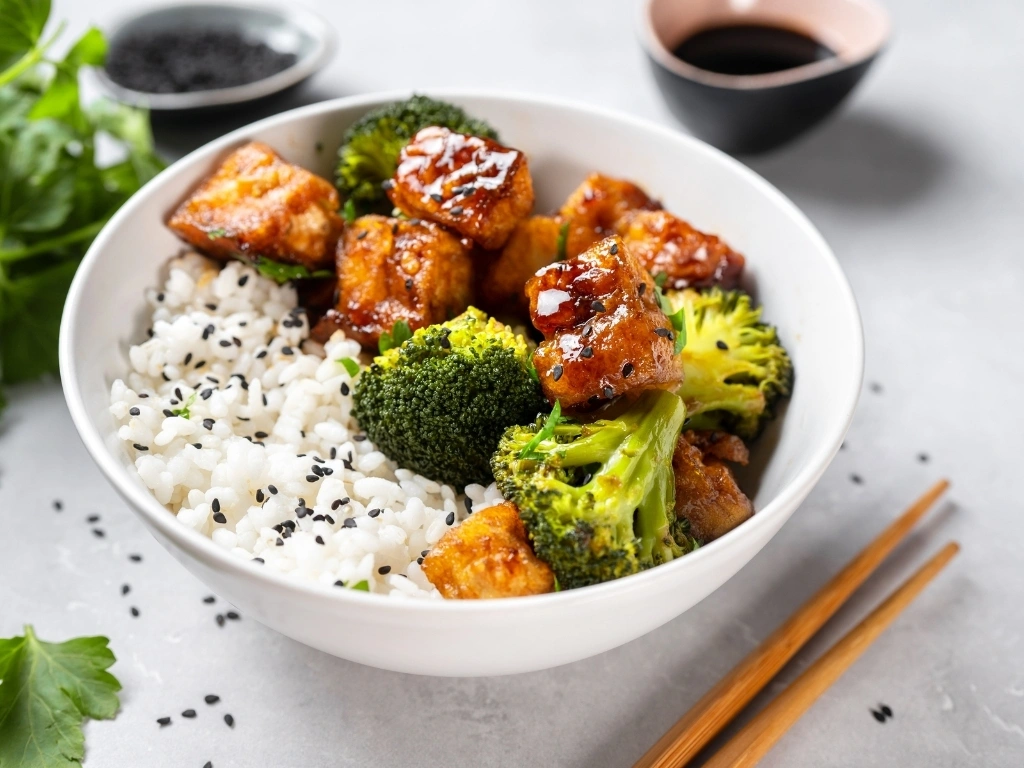
- Lunch: Crispy tofu rice bowl (150g tofu nuggets, steamed broccoli, and carrots on 1 cup brown rice)
- Dinner: Black bean enchilada casserole (1 cup black beans, corn, tomatoes, spinach, and 40g cheese) with salsa and sour cream
- Snack: 1 cup edamame with ½ cup Greek yogurt
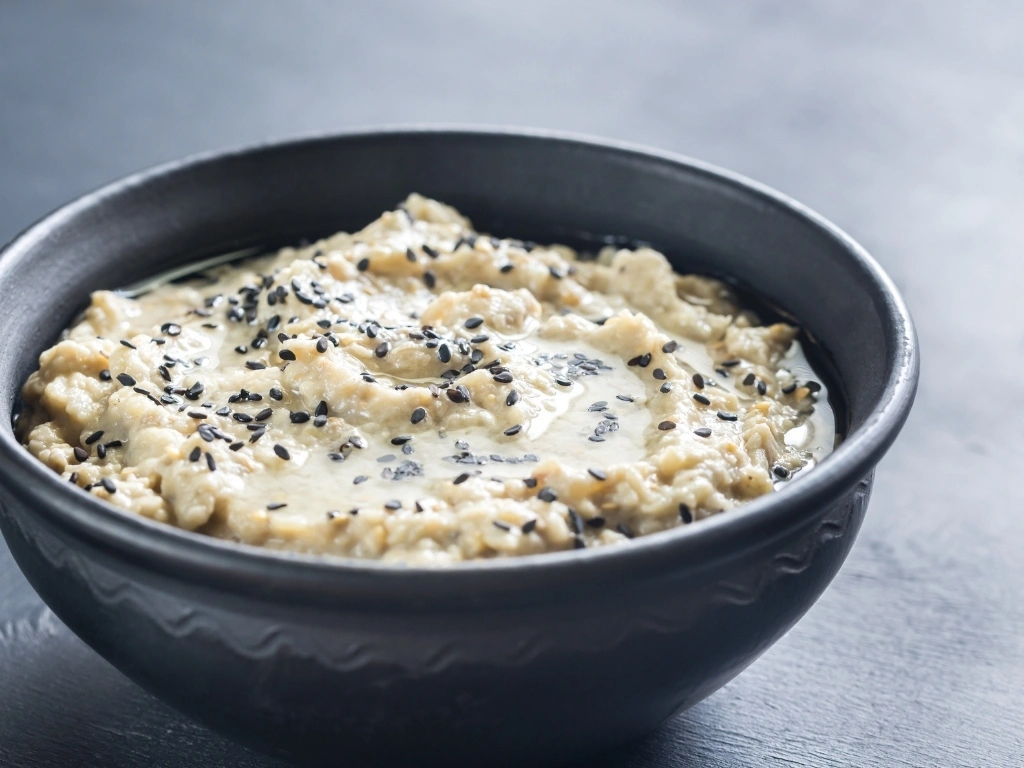
Day 2
- Breakfast: Breakfast burrito with 2 eggs, 8g vegan bacon, mushrooms, and tomatoes on high-protein wrap, served with a glass of milk
- Lunch: Lentil lettuce “tacos” (1 cup cooked lentils, tomatoes, and avocado on lettuce)
- Dinner: Vegetable stir-fry with 120g tofu, ½ cup edamame, bok choy, snap peas, and bell peppers
- Snack: ½ cup ricotta with seeds
Day 3
- Breakfast: Plant-based sausage and ½ cup oats with chia seeds and almond butter
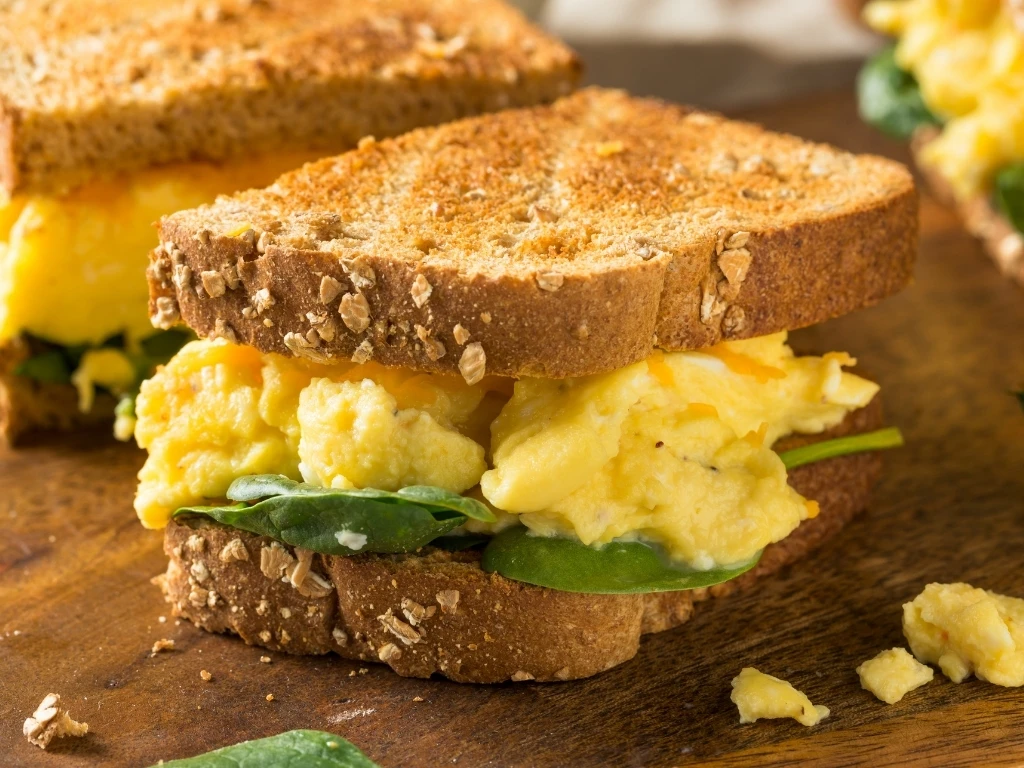
- Lunch: Egg sandwich (2 eggs, 5g cheese, spinach, cucumber on whole-grain bread)
- Dinner: Chickpea pasta (1.5 cups) with roasted eggplant, garlic, cherry tomatoes
- Snack: ¾ cup cottage cheese with whole-grain crackers
Day 4
- Breakfast: Muesli bowl (1 cup milk, 5g oats, ground flaxseeds, apple, and nut butter)
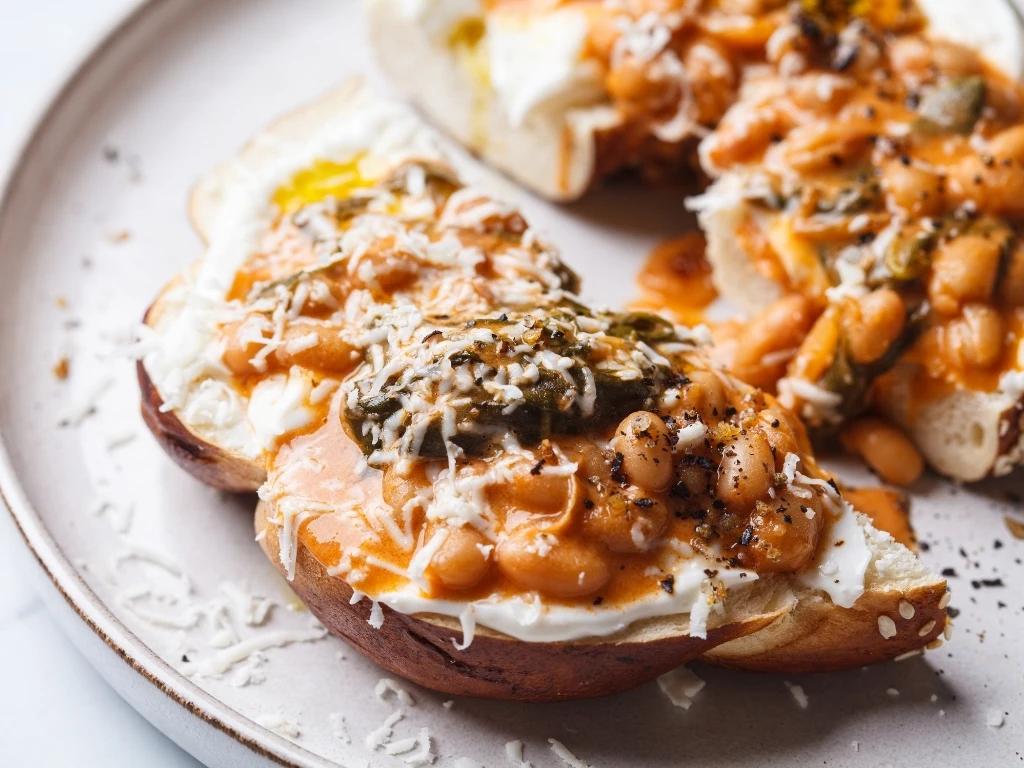
- Lunch: 1 cup baked Navy beans on 2 slices toasted whole-grain bread with 7g cheese and a side of cucumber salad
- Dinner: Stir-fry with 150g tofu, mushrooms, green beans, and shredded cabbage
- Snack: ¾ cup roasted lentils
Day 5
- Breakfast: 3 scrambled eggs with whole-grain toast, a side of spinach
- Lunch: Black bean veggie burger with 18g patty, whole-grain bun, lettuce, and tomato
- Dinner: Tofu curry (150g tofu) with cauliflower, peas, and carrots
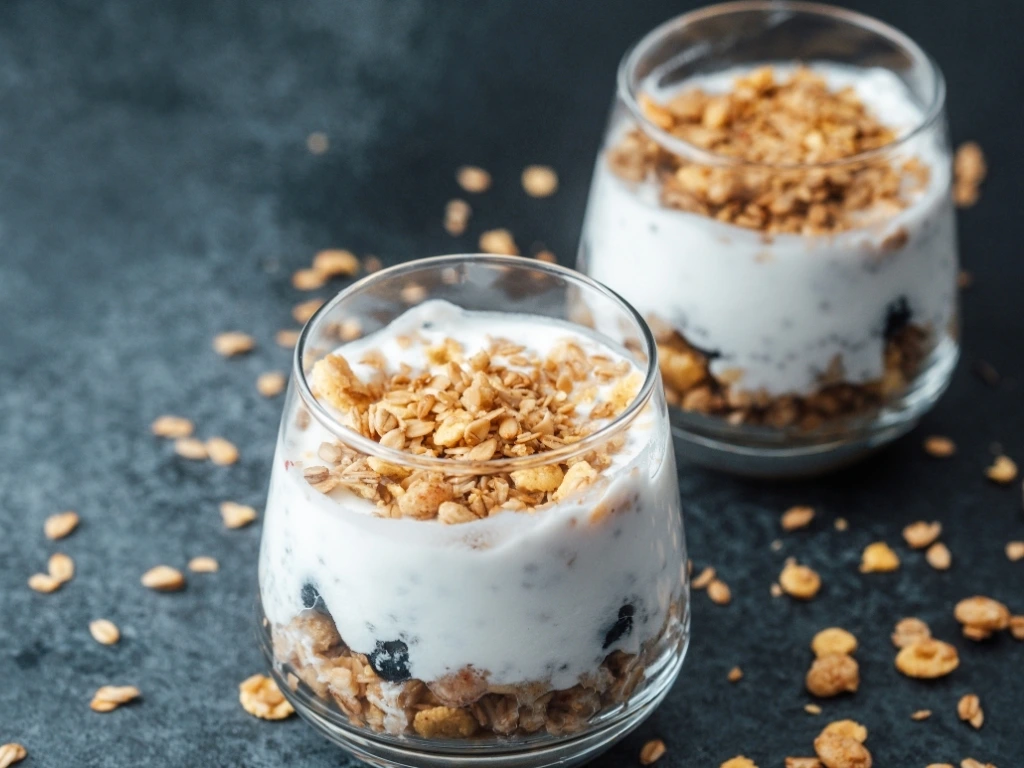
- Snack: 1 cup granola and kefir parfait with nuts and blueberries
Day 6
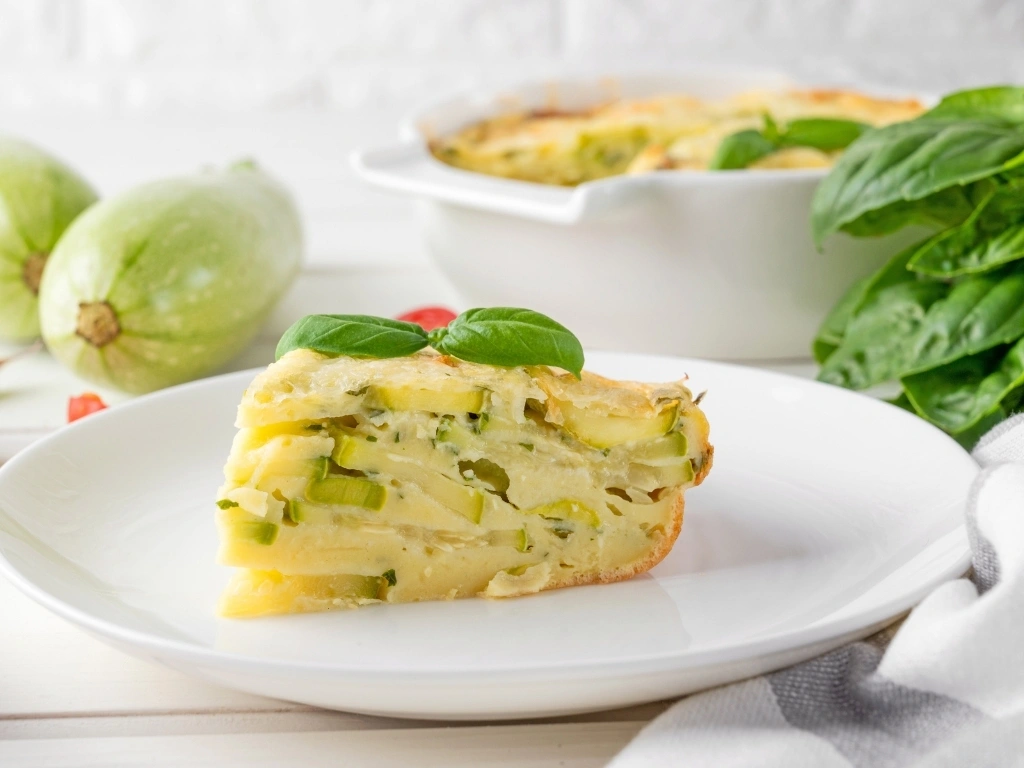
- Breakfast: Onion and zucchini frittata with 3 eggs and 7g cheese
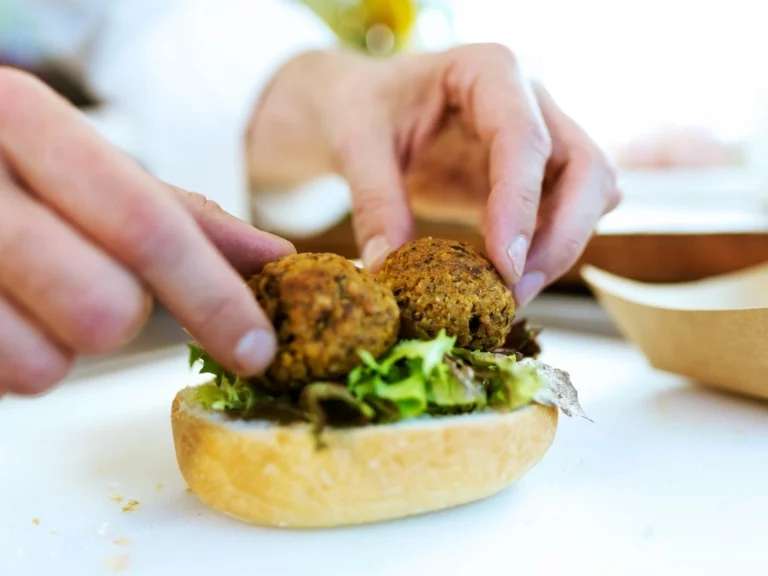
- Lunch: 4 baked falafel with 5g hummus and greens
- Dinner: Lentil chili with 1 cup lentils, ½ cup kidney beans, bell peppers, and tomatoes
- Snack: 1 cup hot chocolate with added protein powder
Day 7
- Breakfast: 120g tofu with 2 steamed eggs, kale, mushrooms, and tomatoes
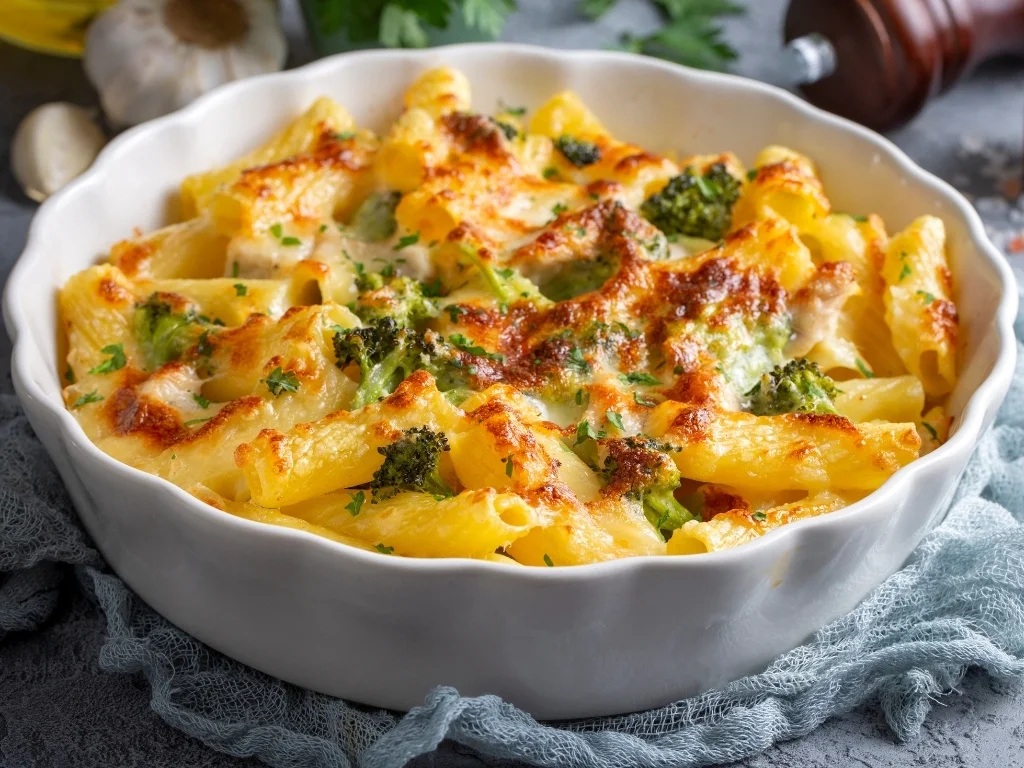
- Lunch: Lentil and veggie pasta bake (1.5 cups lentil pasta, 8g ricotta, 1.5 cups lentil pasta, spinach, and zucchini)
- Dinner: Tempeh deli sandwich (100g tempeh, 6g bread, lettuce, tomato, and avocado)
- Snack: 15g protein bar and 3g tzatziki)
How to make sure you actually lose weight on a vegetarian diet
When you’re aiming to lose weight on a vegetarian diet, how much you eat matters just as much as what you eat. Portioning helps you stay within your calorie needs, while visualizing protein per serving ensures your meals actually keep you full. Instead of guessing, use simple reference portions (like cups, scoops, slices, or patties) to build meals that consistently deliver enough protein throughout the day.
A helpful approach is to anchor each meal or snack with a visible protein source, then layer in fiber-rich carbs and healthy fats. For weight loss, many people benefit from targeting around 20–30 g of protein per main meal and 10–15g per snack, adjusting based on body size and activity level. Seeing what that looks like in real food portions makes it easier to stay consistent.
| Food category | Food | Portion | Protein |
| Plant-based & processed proteins | Veggie burger patty | 1 patty (~70g) | 10–15g |
| Tofu | 1 cup | 28g | |
| Chickpea pasta (cooked) | 1 cup | 11–14g | |
| Protein Powder (pea/soy) | 1 scoop (~30g) | 20–25g | |
| Black beans | 1 cup | 14g | |
| Falafel | 3 medium patties | 6–8g | |
| Peas | 1 cup | 8g | |
| Chickpeas | 1 cup | 10g | |
| Quinoa | 1 cup | 8g | |
| Edamame | 1 cup | 18g | |
| Soy milk | 1 cup | 9g | |
| Cooked lentils | 1 cup | 18g | |
| Grains, seeds & wraps | Whole-wheat wrap | 1 large (~60g) | 5–7g |
| High-protein wrap | 1 large | 10–12g | |
| Whole-grain bread | 2 slices | 7–10g | |
| Brown rice (cooked) | 1 cup | 5g | |
| Ground flaxseeds | 2 tbsp | 3g | |
| Hemp seeds | 2 tbsp | 7g | |
| Nutritional yeast | 2 tbsp | 5g | |
| Muesli / granola | ½ cup | 4–6g | |
| Dairy & eggs | Kefir (plain) | 1 cup | 8–11g |
| Cottage cheese | 1 cup | 23g | |
| Hard cheese | 1 slice (1 oz) | 6–7g | |
| Milk (dairy) | 1 cup | 8g | |
| Large egg | 1 egg | 6g | |
| Produce & dips | Mushrooms (cooked) | 1 cup | 3.5g |
| Hummus | ¼ cup | 5g | |
| Tzatziki | ¼ cup | 2–3g | |
| Nut butter | 2 tbsp | 6–7g | |
| Avocado | 1 whole | 3–4g |
Build a healthy vegetarian meal plan and routine that works for you
This seven-day sample meal plan is a great starting point, but it may not be for everyone. How you build your vegetable-based diet for weight loss may look different compared to what works for others. It all depends on your lifestyle, preferences, and daily routine.
If you need more structure or support, working with a nutrition professional can help you personalize your plan and stay on track.
At Health Loft, our weight loss nutritionists offer personalized guidance that aligns your eating patterns with what your body actually requires. Instead of having you follow a plan flawlessly, we can help you by creating balanced meals you actually enjoy, starting with a high-protein vegetarian meal plan that remains supportive of your weight loss goals.
Staying consistent is also easier with the right support. With a Health Loft dietitian, you can create a routine that feels realistic, enjoyable, and effective for you. Reach out to any of our experts today.
This article was reviewed by Solveig Adalsteinsdottir, MS, RDN, LDN. It is intended for informational purposes only and does not replace personalized nutritional advice.