









Supporting kidney health, especially when organ function is beginning to decline, often involves paying closer attention to nutrients that the body handles differently. Phosphorus is one of them.
While this mineral is a natural part of many everyday foods, higher amounts of it can become harder for the body to handle in certain situations, such as when managing chronic kidney disease (CKD).
Adjusting your intake through simple dietary changes — particularly by including more low-phosphorus foods — helps reduce that strain and ensure overall balance that your body will thank you for.

What phosphorus does in the body
Phosphorus is an essential mineral found in every cell of the body, making up about 1% of total body weight. Most of the body’s phosphorus is stored in bones and teeth, where it works alongside calcium to maintain strength and structure.
In addition to supporting bone health, phosphorus is also crucial to keeping the body functioning smoothly by supporting energy production and helping cells grow and repair themselves. It also helps your body to produce ATP, the molecule the body uses for energy, and supports muscle movement, nerve signaling, and heart rhythm.
Phosphorus comes naturally from foods like meat, dairy, nuts, and grains. Processed foods also often contain phosphate additives in a form that tends to be more easily absorbed by the body.
When does phosphorus intake become a concern?
For most people, phosphorus intake isn’t something that requires close attention. The body — especially the kidneys — does an excellent job of keeping these levels in balance.
However, when kidney function is reduced, excess phosphorus may no longer be filtered as effectively as before. This can cause phosphorus to build up in the blood over time, resulting in a condition known as hyperphosphatemia.
This buildup may not cause noticeable symptoms at first, but over time, it can negatively affect the body in a number of ways. Most notably, high phosphorus levels can pull calcium out of the bones, potentially leading to weakening or brittleness.
Excess phosphorus and calcium may also deposit in soft tissues and blood vessels, a process called vascular calcification, which can adversely affect cardiovascular health.
Who may need to monitor phosphorus intake?
Not everyone needs to limit phosphorus, but some individuals may benefit from a lower intake, especially when phosphorus begins to build up in the blood or when kidney function is reduced.
People with chronic kidney disease (CKD)
As kidney function changes, the body becomes less efficient at removing excess phosphorus. Monitoring often begins in earlier stages of CKD, even if levels may remain normal. In more advanced stages (stages 3 to 5), however, dietary adjustments such as including more foods low in phosphorus may become more relevant, depending on lab results and individual nutrition needs.
People on dialysis
Dialysis helps remove excess phosphorus from the blood, but it may not always be enough to fully keep levels within a healthy range. Because of this, people on dialysis are often advised to follow a more structured eating plan, which may include limiting high-phosphorus foods and taking medications like phosphate binders at meal times.
People with elevated lab results
Some individuals discover higher phosphorus levels through routine blood tests, even without noticeable symptoms. In these cases, dietary changes and monitoring may be recommended to prevent further complications.
Low-phosphorus foods to include in a kidney-friendly diet
For those who need to be mindful of their levels, there are many everyday foods that are naturally lower in phosphorus that can support a more balanced intake.
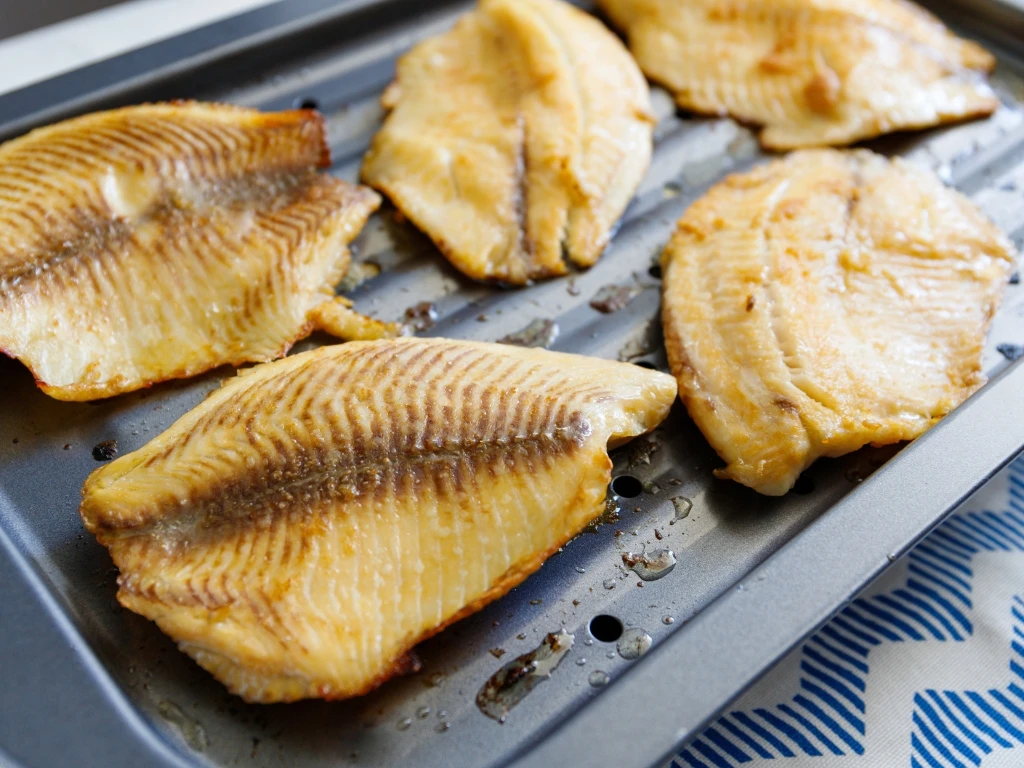
Protein choices
Protein remains a foundational part of a nutritious diet, but some sources can be considered to be more preferable than others.
Phosphorus is absorbed differently depending on its source. Additives found in processed foods, including deli meats, fast food, and frozen meals, are absorbed almost completely (up to 90% to 100%), making them the most impactful on blood levels.
Animal-based sources are moderately absorbed (about 30% to 80%), while plant-based sources like beans, grains, nuts, and seeds are absorbed the least (around 20% to 40%) due to compounds that limit digestion.
This is one reason why whole, plant-based meals are often encouraged when managing CKD. Here are some popular protein sources that contain lower phosphorus content:
- Egg whites
- Skinless chicken or turkey
- Fish such as cod, tilapia, or haddock
- Tofu
- Beans
- Lentils
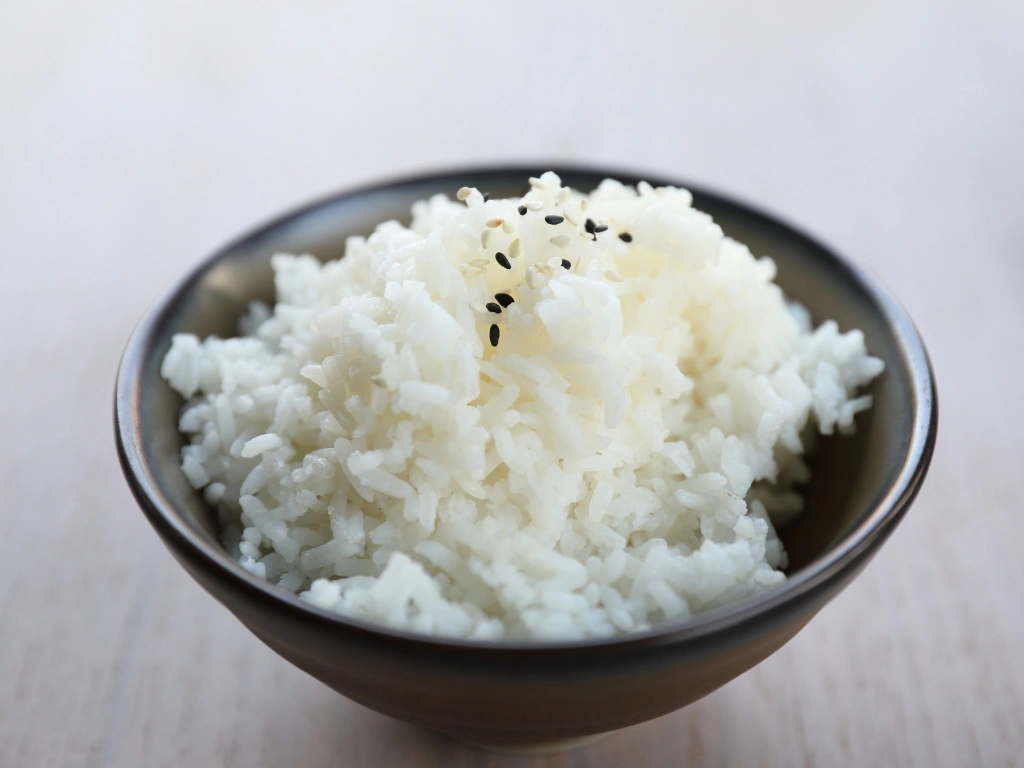
Grains
Grains can also vary widely in phosphorus content and in how much the body is able to absorb. Highly refined grains tend to be lower in phosphorus, while whole grains contain more, but may be less absorbable depending on their form.
Below are lower-phosphorus grain choices that may be worth including in your diet:
- White rice
- Pasta and noodles
- Couscous
- Cornflakes, Rice Krispies, and similar cereals
- White bread
- Sourdough bread

Vegetables
Most vegetables are naturally low-phosphorus foods and can be enjoyed regularly as part of a balanced diet. Additionally, they provide fiber, vitamins, and minerals without significantly increasing phosphorus intake.
- Consider adding the following veggies to your rotation:
- Bell peppers
- Cucumbers
- Zucchini
- Carrots
- Cabbage
- Cauliflower

Fruits
Similar to vegetables, fruits are also naturally low in phosphorus, making them an easy and refreshing component of meals or snacks. They also add natural sweetness and hydration without greatly affecting phosphorus levels.
Some simple, kidney-friendly options to consider are:
- Apples
- Berries
- Grapes
- Pineapple
- Cherries
- Oranges
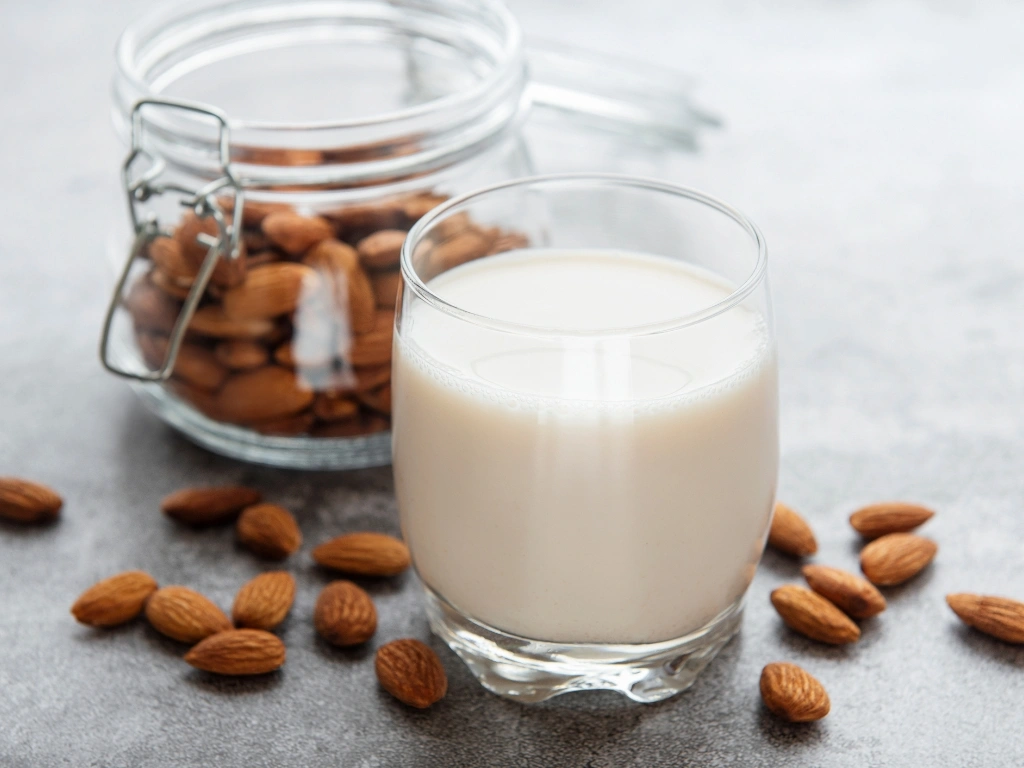
Dairy alternatives
Traditional dairy products can be higher in phosphorus, and some forms are more easily absorbed by the body. While they can still be consumed when portioned mindfully, choosing alternatives — especially those without added phosphate ingredients — can help to support overall lower phosphorus intake.
Below are common dairy substitutes:
- Almond milk
- Rice milk
- Coconut milk
- Soy milk (check labels for phosphate additives)
- Plant-based yogurts, such as coconut-based options
On the other hand, butter is considered low in phosphorus because of its low protein content. Still, given its fat-dense composition, consuming it requires portion control.
Practical ways to keep phosphorus intake balanced
Aside from understanding which foods are low in phosphorus and may be ideal to use in meals and snacks on a regular basis, it also helps to understand how the mineral behaves in different foods in order to make informed low-phosphorus food choices.
With the following strategies, you can build meals that include foods good for the kidneys while keeping phosphorus levels well-balanced.
Learn to identify hidden phosphorus
Phosphorus isn’t always listed clearly on nutrition labels. Instead, look for ingredients that include “phos” (like calcium phosphate or phosphoric acid), which often indicate that they contain added phosphorus.
Limit intake of processed foods
A more straightforward method to reduce your exposure to phosphorus is to simply cut down on processed foods, including frozen meals, processed meats, baked goods, and dark sodas. These foods usually come with phosphate additives to prolong shelf life and preserve texture and flavor, so it’s generally best to limit them if you’re managing kidney disease.
Lower phosphorus content through food preparation
How you prepare food can also make a significant difference in how much phosphorus you’re consuming. Soaking legumes, beans, grains, and even some meats before cooking may help to lower phosphorus content. Wet cooking methods, such as boiling, can also reduce levels of the mineral. Whenever possible, preparing meals at home and using fresh ingredients gives you more control over how balanced and kidney-friendly your food is.
Use phosphorus binders (if prescribed)
If you have kidney disease and cannot maintain balanced levels with diet alone, your healthcare provider may prescribe phosphate binders. It’s important to note that these binders must be taken with meals and snacks to prevent phosphorus from being absorbed into the blood.
Keep meals balanced with ideal food pairings or necessary swaps
Pair high-phosphorus foods with low-phosphorus alternatives to keep your overall intake in check. For instance, combine a smaller serving of meat with more vegetables or refined grains (like white rice or pasta), which are lower in phosphorus than whole grains.
You can also try swapping ingredients. For instance, instead of snacking on nuts or chocolate, you can choose snacks like popcorn, pretzels, or berries.
Make everyday meals work in your kidneys’ favor with guidance from Health Loft
For individuals who need to monitor phosphorus intake, dietary choices are important in maintaining balance. Focusing on low-phosphorus foods, limiting problematic sources high in the mineral, and adopting practical strategies such as food preparation methods that can further lessen phosphorous content or using binders when prescribed can all help to reduce exposure and support kidney function over time.
Because your individual needs can vary based on lab values, stage of kidney disease, and general health status, it’s best to take a personalized, expert-guided approach when it comes to making any dietary changes. A registered dietitian who specializes in kidney health can help you identify which sources of phosphorus are most impactful in your diet, recommend appropriate food swaps, and ensure you’re still meeting your protein and nutrient needs.
At Health Loft, we help you to combine science-backed nutrition strategies with simple lifestyle adjustments so that you can support your kidney health in a manner that feels both informed and realistic. Connect with a Health Loft dietitian today.
This article was reviewed by Haleigh Mann, MS, RDN, LDN. It is intended for informational purposes only and does not replace personalized nutritional advice.