









Intermittent fasting has become a popular approach for people trying to manage weight or build more consistent eating habits. Many fasting plans focus on limiting eating to certain hours of the day, which some people find simpler and less overwhelming to follow.
At the same time, one of the hardest parts of intermittent fasting is often figuring out what to actually eat during eating windows. Meal plans may help make intermittent fasting feel more balanced, realistic, and easier to stick with day after day.

What is intermittent fasting?
Intermittent fasting is an eating pattern that alternates between periods of eating and fasting throughout the day. Instead of focusing only on specific foods, intermittent fasting mainly focuses on meal plan timing and when you eat, which some people find easier to follow than constantly thinking about what foods are “allowed” or “restricted.”
There are several different fasting schedules people may follow, including:
- 12:12 diet (fast for 12 hours and eat during a 12-hour window)
- 14:10 diet (fast for 14 hours and eat during a 10-hour window)
- 16:8 diet (fast for 16 hours and eat during an 8-hour window)
- 5:2 diet (eat normally for five days of the week while following lower-calorie eating on two non-consecutive days)
- Alternate-day fasting (alternating between regular eating days and fasting or very low-calorie days every other day)
Shorter fasting windows, such as 12:12 or 14:10, may feel easier for beginners or people adjusting for the first time.
In many cases, fasting schedules are very personal and individualized, and the best approach often depends on your lifestyle, work schedule, activity levels, eating habits, and what feels realistic for you to maintain consistently.
Can intermittent fasting help with weight loss?
Yes, intermittent fasting may help with weight loss for some people, partly because eating is limited to a specific window of time each day. In certain instances, this may naturally reduce overall calorie intake by cutting back on:
- Frequent snacking
- Late-night eating
- Constant grazing throughout the day
- Unplanned meals or convenience foods
Intermittent fasting also does not necessarily mean cutting out foods you enjoy. In many cases, it may feel more realistic to build more balanced meals by adding protein, fiber-rich foods, fruits, or vegetables alongside foods you already like eating.

What side effects can happen during intermittent fasting?
Some people may experience temporary side effects while adjusting to intermittent fasting, especially during the first few weeks as the body adapts to a different eating schedule.
Possible side effects may include:
- Headaches
- Fatigue
- Irritability
- Dizziness
- Constipation
- Difficulty concentrating
- Low energy
- Increased hunger or cravings
In many cases, symptoms may feel worse when people are not eating balanced meals, undereating during eating windows, drinking too little water, sleeping inconsistently, or relying heavily on caffeine to get through fasting periods.
Some people may also notice temporary changes in mood, digestion, workout performance, or energy levels while adjusting to a fasting routine.
Intermittent fasting may also not be appropriate for everyone. Certain individuals may require closer medical supervision before making significant changes to meal timing or calorie intake, including:
- People with a history of disordered eating
- Pregnant or breastfeeding individuals
- Certain people with diabetes
- Individuals taking glucose-lowering medications
- Highly active individuals or athletes
- People with certain medical conditions (such as kidney disease, liver disease, gastrointestinal conditions, or conditions requiring regular food intake)
- Those below 18 years of age
Because energy needs, medications, lifestyle habits, and medical history vary from person to person, individualized medical guidance may help determine whether intermittent fasting is appropriate and sustainable for you.
Sample 7-day meal plan for intermittent fasting to help you get started
The sample meal plan below follows a general 14:10 intermittent fasting schedule. Meal timing, portions, and calorie needs may still vary depending on lifestyle, medications, activity level, and personal goals.
If you follow longer fasting windows, some snacks may have to be reduced or moved earlier in the eating window, depending on your individual preferences and tolerance.
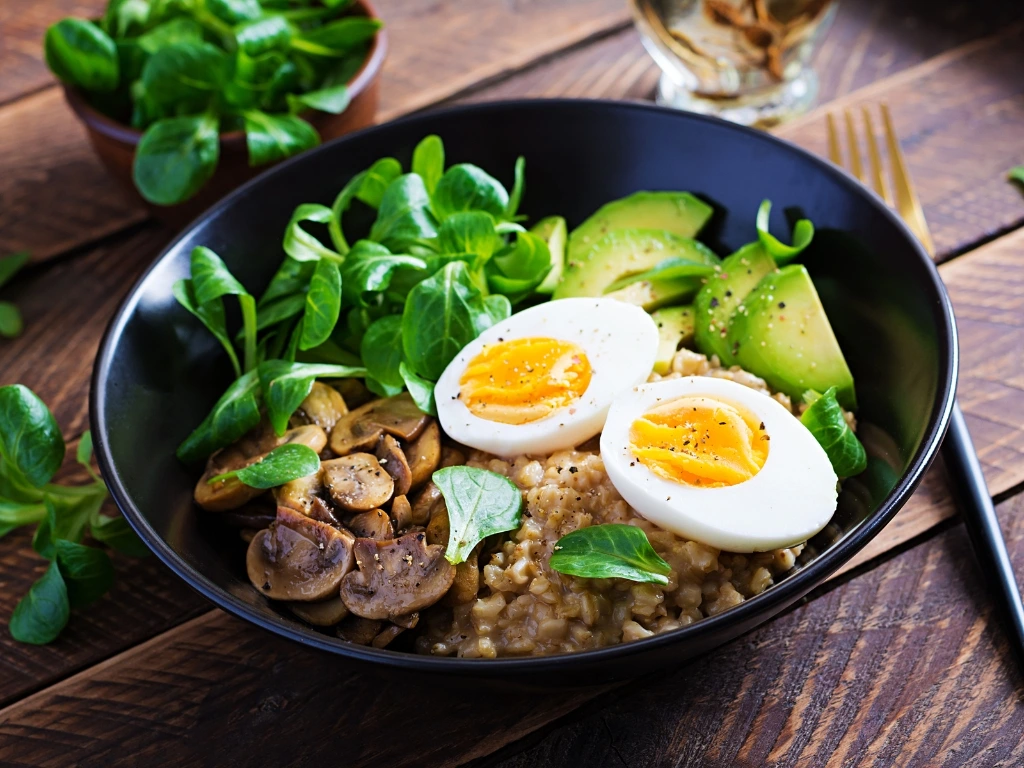
Day 1
- First meal: Savory oats with soft-boiled eggs, spinach, mushrooms, chili flakes, and avocado
- Snack: Pear slices with ricotta and cinnamon
- Dinner: Ginger soy salmon with sesame snap peas, roasted carrots, and jasmine rice

Day 2
- First meal: Greek yogurt bowl with raspberries, pistachios, cacao nibs, and flaxseeds
- Snack: Roasted chickpeas, rice cakes, pickles, and cucumber slices with lemon
- Dinner: Chicken shawarma bowl with turmeric rice, tomatoes, cucumbers, cabbage, and garlic yogurt sauce
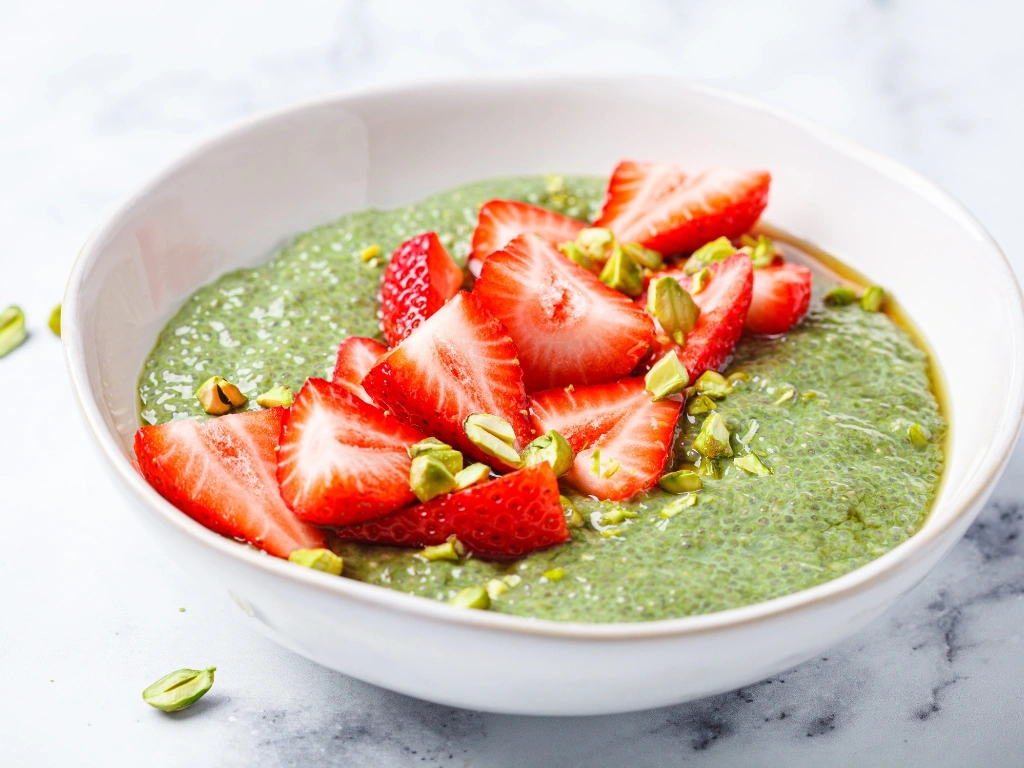
Day 3
- First meal: Cottage cheese toast with peaches, pumpkin seeds, and honey
- Snack: Matcha chia pudding with strawberries
- Dinner: Shrimp coconut curry with bell peppers, green beans, and brown rice

Day 4
- First meal: Veggie breakfast tacos with scrambled eggs, black beans, salsa, avocado, and cilantro
- Snack: Trail mix with walnuts, dried cherries, and sunflower seeds
- Dinner: Beef lettuce wraps with cucumbers, shredded carrots, and sesame sauce
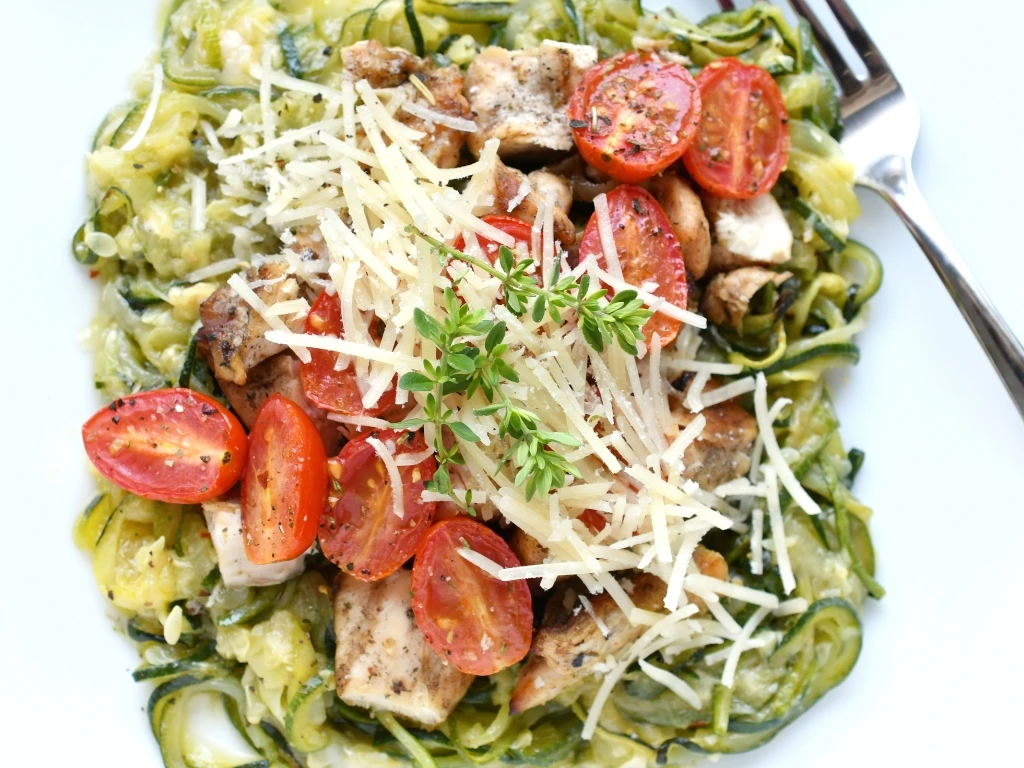
Day 5
- First meal: Overnight oats with dates, walnuts, cinnamon, and banana slices
- Snack: Hummus with roasted cauliflower and pita wedges
- Dinner: Pesto chicken pasta with spinach, cherry tomatoes, zucchini, and parmesan

Day 6
- First meal: Smoked salmon toast with cream cheese, cucumbers, capers, and arugula
- Snack: Frozen yogurt bark with blueberries, almonds, granola, and strawberries
- Dinner: Turkey meatballs with roasted potatoes, green beans, and tzatziki

Day 7
- First meal: Tofu and egg scramble with peppers, tomato, avocado, and sourdough toast
- Snack: Apple slices with almond butter and hemp seeds
- Dinner: Teriyaki chicken rice bowl with edamame, broccoli, shredded cabbage, carrots, and sesame seeds
How to manage hunger during intermittent fasting
For many people, the first few days or weeks of intermittent fasting tend to feel the hardest. This is usually the adjustment phase, when the body is still adapting to a new eating routine and different meal timing. Here are some things you can do to help make it a little more manageable.
Stay hydrated throughout the day
Thirst is sometimes mistaken for hunger, especially during fasting periods. Drinking enough fluids throughout the day may help reduce headaches, low energy, and urges to snack unnecessarily. While fluid needs can vary, many people are encouraged to aim for around nine to 13 glasses of fluids daily, though activity levels, weather, and individual needs may affect this amount.
Some people also find it helpful to:
- Drink cold sparkling water
- Add lemon, cucumber, or mint to water for variety
- Sip warm herbal tea in the evening
- Drink fluids slowly instead of all at once
Prioritize protein and fiber at meals
Meals that contain protein and fiber tend to feel more satisfying than meals built mostly around refined carbohydrates alone. Protein may help slow digestion and support fullness for longer after eating, while fiber may help meals feel more physically filling by adding bulk and slowing the rate at which food moves through the digestive system.
Break your fast with balanced meals
Breaking a fast with highly sugary or heavily processed foods may lead to energy crashes or stronger cravings shortly afterward. Starting with a balanced meal may help energy and appetite feel steadier throughout the day.
Some people also tolerate fasting better when they:
- Eat slowly instead of rushing meals
- Start with protein first
- Include enough carbohydrates at meals
- Avoid skipping meals within their eating window
Maintain regular meal timing
Keeping a more consistent eating window may help the body adjust more comfortably to fasting schedules over time. Constantly changing meal timing every day may make hunger cues feel less predictable.
Some people also find it easier to stay consistent when they:
- Plan meals ahead of busy days
- Keep quick meal options available
- Choose fasting windows that fit their social schedule
- Stop treating fasting like an “all or nothing” routine
Stay mentally occupied during fasting periods
Hunger sometimes feels stronger when people are bored, stressed, or hyper-focused on food. Mentally engaging activities may help shift attention away from cravings during fasting periods.
Some people find it helpful to:
- Work on hands-on tasks
- Spend time outside the house
- Schedule errands during fasting hours
- Listen to long podcasts or audiobooks
- Call or spend time with friends
- Work in environments away from the kitchen
Support better sleep quality
Poor sleep may increase hunger hormones and cravings the next day, especially for highly processed foods. Many adults benefit from getting around seven to nine hours of sleep consistently each night.
Helpful habits may include:
- Keeping bedrooms cooler at night
- Avoiding large, heavy meals too close to bedtime
- Using dim lighting in the evening
- Getting sunlight exposure earlier in the day
- Creating a more relaxing nighttime routine
Make intermittent fasting feel more practical with Health Loft
Intermittent fasting often works best when meal planning is also involved, since having meals prepared ahead of time may help reduce impulsive eating and make routines feel more manageable.
However, there is also no single fasting schedule that works best for everyone. Some people may feel better with shorter fasting windows, while others may tolerate different meal timings, portion sizes, or eating patterns more comfortably depending on their lifestyle, work schedule, medications, and overall health needs.
At Health Loft, our weight loss-specialized registered dietitians can help you create a more personalized intermittent fasting approach tailored to your preferences, medical history, nutritional needs, and long-term goals. We focus on practical, realistic strategies that help make meal planning, fasting schedules, and balanced nutrition feel more sustainable in everyday life.
Connect with a Health Loft dietitian to build a fasting routine that feels more realistic, balanced, and easier to maintain long term.
This article was reviewed by Adrienne DePaul, MS, RDN. It is intended for informational purposes only and does not replace personalized nutritional advice.