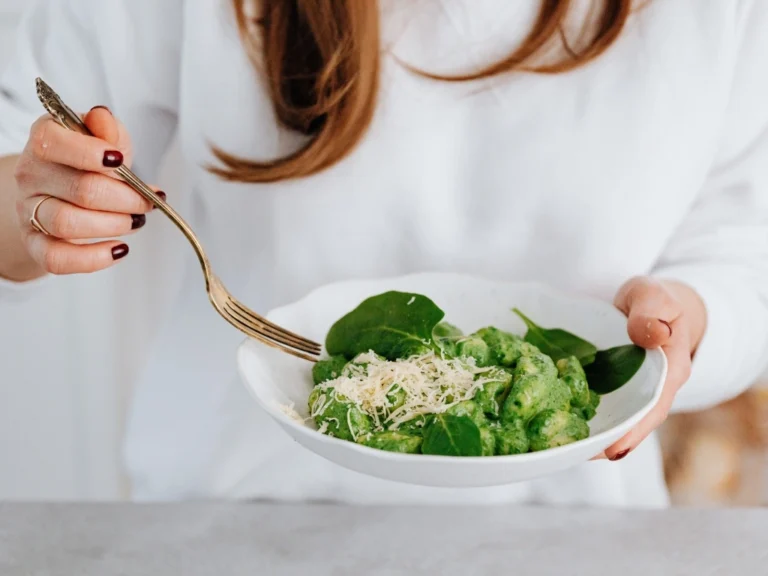









Even the most nutritious meals can feel uncomfortable with small intestinal bacterial overgrowth (SIBO). Excessive microbes in the small intestine cause certain foods to ferment faster, leading to gastrointestinal distress and malabsorption.
While antibiotics are the first-line treatment for all types of SIBO, diet plays a vital role in helping relieve symptoms and preventing the condition from recurring.
Adjusting what and how you eat helps limit fermentation and support digestive recovery. Many people find it easier to make these changes with guidance from registered nutritionists who can tailor SIBO diet plans based on their specific diagnosis and tolerance levels.

What is SIBO?
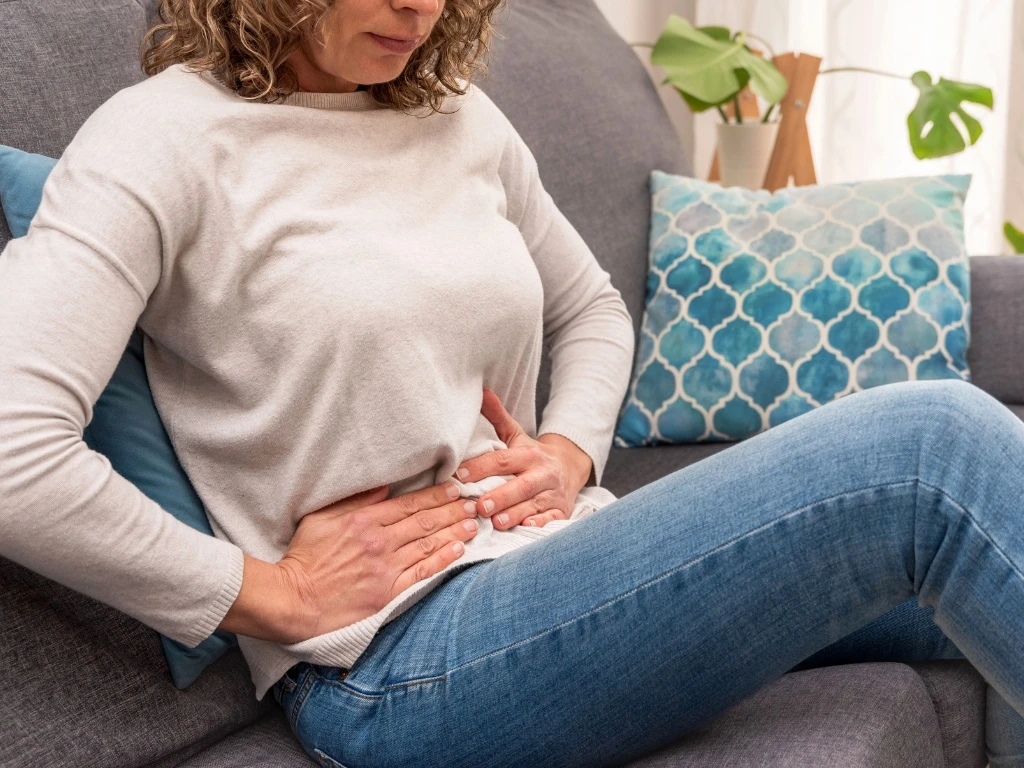
SIBO is a condition where microbes from the large intestine migrate into the small intestine, then stay and multiply. This microbial excess interferes with normal digestion and nutrient absorption, causing general gastrointestinal symptoms such as bloating, gas, fatigue, abdominal pain, and nutrient deficiencies.
The predominant gas produced by these microbes determines the SIBO subtype and a more specific symptom profile, particularly related to bowel movements:
- Hydrogen-dominant SIBO is most strongly associated with diarrhea or loose stools (the higher the breath hydrogen, the greater the diarrhea severity).
- Methane-dominant SIBO (now called intestinal methanogen overgrowth or IMO) often results in constipation and can slow intestinal transit.
- Hydrogen sulfide-dominant SIBO is linked to diarrhea, urgency, and abdominal pain, with greater overall severity of symptoms.
Since symptoms overlap substantially across all three subtypes, objective breath or aspirate testing is typically required for accurate diagnosis.
Why diet matters in SIBO
Diet plays a critical role in managing SIBO because certain foods, especially those rich in fermentable carbohydrates, act as fuel for microbial overgrowth. These carbohydrates feed intestinal microorganisms, which create the excess gases seen with SIBO.
While there’s currently no single, universally endorsed “SIBO diet,” the American College of Gastroenterology (ACG) notes that reducing intake of fermentable carbs may help some people manage symptoms by removing key ingredients to stop microorganisms from “cooking up” gas.
The ACG also suggests reducing low-fiber foods, avoiding sugar alcohols and prebiotics like inulin, though these guidelines come with a disclaimer that further studies are ultimately required.
It’s also important to remember that a SIBO-specific diet cannot cure the condition on its own. It is a therapeutic approach to help manage symptoms and is generally intended for short-term use to avoid unnecessary restrictions.
Previously limited foods should be reintroduced gradually to ensure nutritional variety. Standard medical treatment also remains the primary treatment approach for SIBO, and diet must be considered complementary at best.
Core principles of a SIBO diet
The main goal of a SIBO diet is to minimize foods that are likely to worsen symptoms while still providing enough calories, nutrients, and variety. Several dietary frameworks are commonly used to guide this process.
Low-FODMAP diet
This diet for SIBO limits certain types of carbohydrates — specifically fermentable oligosaccharides, disaccharides, monosaccharides, and polyols (FODMAPs) — found in foods like certain fruits, vegetables, grains, legumes, and dairy products.
Because FODMAPs can be quickly fermented by gut microorganisms, minimizing your intake of these foods may help ease symptoms such as gas, bloating, abdominal discomfort, and altered bowel habits.
Most studies on low-FODMAP diets focus on their impact on IBS, rather than SIBO specifically. Still, given how often the two conditions coincide, existing research offers useful insight into the role of the low-FODMAP diet for SIBO.
A low-FODMAP diet should only be used short-term, with an initial restriction phase of two to six weeks, followed by gradual reintroduction of FODMAP-containing foods to help identify personal triggers and to prevent negative long-term effects on the essential colon bacteria.
Low-sulfur diet
A temporary low-sulfur diet for SIBO can also be considered, particularly in cases where hydrogen sulfide is predominant. Sulfur-rich foods such as eggs, garlic, red meat, and cruciferous vegetables (like broccoli and cauliflower) provide substrates that gut microorganisms can use to produce hydrogen sulfide, which may then cause or worsen SIBO.
It’s also worth noting that, while the science behind this SIBO diet is promising, research is still in its early stages. One study does link it to an adequate treatment response in 73% of more than 130 clinician-reported cases. Still, since the study was observational, additional research is needed to prove that the diet itself directly caused the improvement.
Similar to a low-FODMAP diet, sulfur-containing foods shouldn’t be eliminated from regular diets long-term, and a healthcare professional should closely supervise reintroduction of foods.
Cedars-Sinai Diet
The Cedars-Sinai Diet, also known as the low-fermentation diet, focuses on limiting highly fermentable carbohydrates while allowing choices that are easier to digest, such as rice, potatoes, and other tolerated starches, alongside adequate protein and healthy fats.
This SIBO diet also generally emphasizes proper timing of meals and limiting snacks to help the body’s normal waves of clearing out the small intestine during periods of fasting.
For people with SIBO, this approach may help reduce fermentation and ease symptoms without being as restrictive as other diets.
Elemental diet
An elemental diet is much more restrictive than low-FODMAP or low-fermentation diets. With this SIBO diet, solid meals are tentatively replaced with specially formulated nutritional drinks containing easily absorbed amino acids, carbohydrates, fats, vitamins, and minerals, with little or no fiber or fermentable carbs.
By reducing food sources for intestinal microbes to feed on, this approach aims to starve excess bacteria and archaea. A small 2025 study of 30 adults reported promising results from this SIBO diet, with most participants seeing improved breath tests and symptom relief after two weeks. Still, larger and longer studies are needed to confirm these results.
Since an elemental diet removes regular food, though temporarily, it’s reserved for severe cases and should be used only with appropriate medical or dietetic guidance. A physician or registered dietitian can assess whether it is suitable, monitor nutritional needs and tolerance, and help transition back to solid foods.
Best SIBO-friendly foods to include
When planning meals, focus on simple, whole foods that are easy on your digestive system and promote steady energy and adequate nutrition.
Below are food groups that often work well in a SIBO diet:
Lean animal proteins
Lean meats are naturally low in FODMAPs and provide a concentrated source of protein without significant amounts of fermentable carbohydrates.
Try these SIBO-friendly foods:
- Chicken and turkey without the skin and fatty cuts
- Halibut, haddock, pollock, cod, and other lean fish
- Pork tenderloin, beef sirloin, round cuts, and lean ground beef
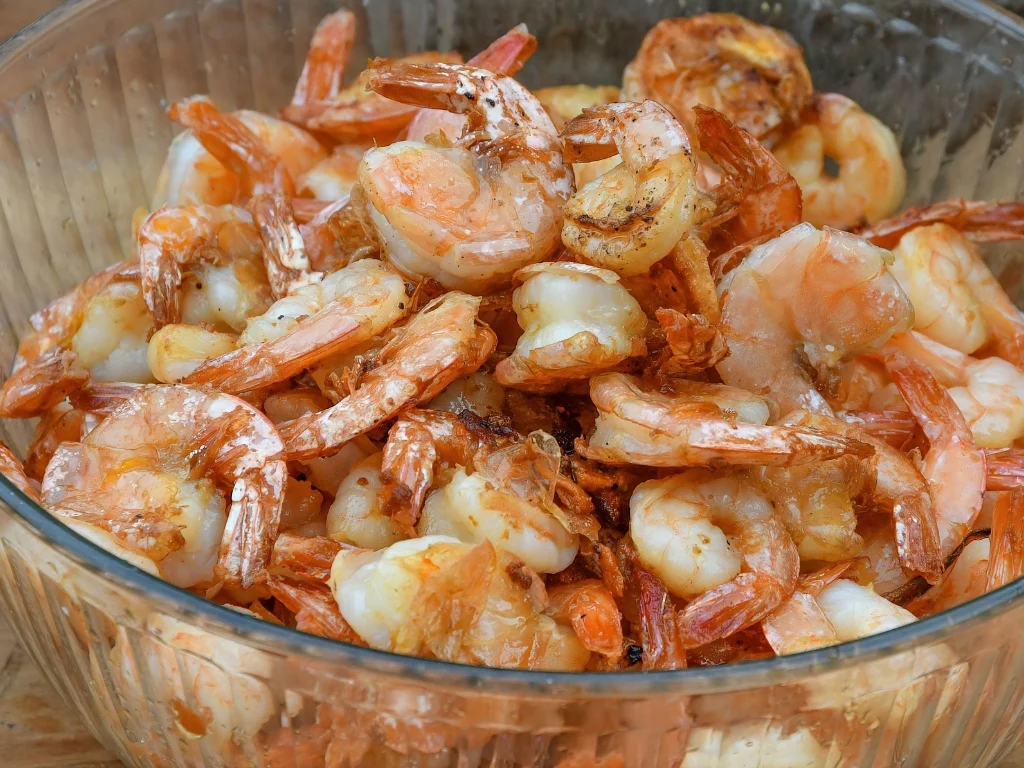
- Shrimp, crab, and other low-calorie seafood
- Eggs (should be limited in cases with confirmed hydrogen sulfide SIBO)
- Non-fat dairy products
Choose plain preparations whenever possible. Marinades, sauces, and seasonings containing ingredients such as garlic or onion can add FODMAPs.
Low-fermentation vegetables
Vegetables with very few fermentable carbs or fibers can help prevent symptoms like gas, bloating, or digestive discomfort.
Try these SIBO-friendly foods:
- Bell peppers
- Spinach
- Lettuce (plain varieties like iceberg or butterhead)
- Green beans
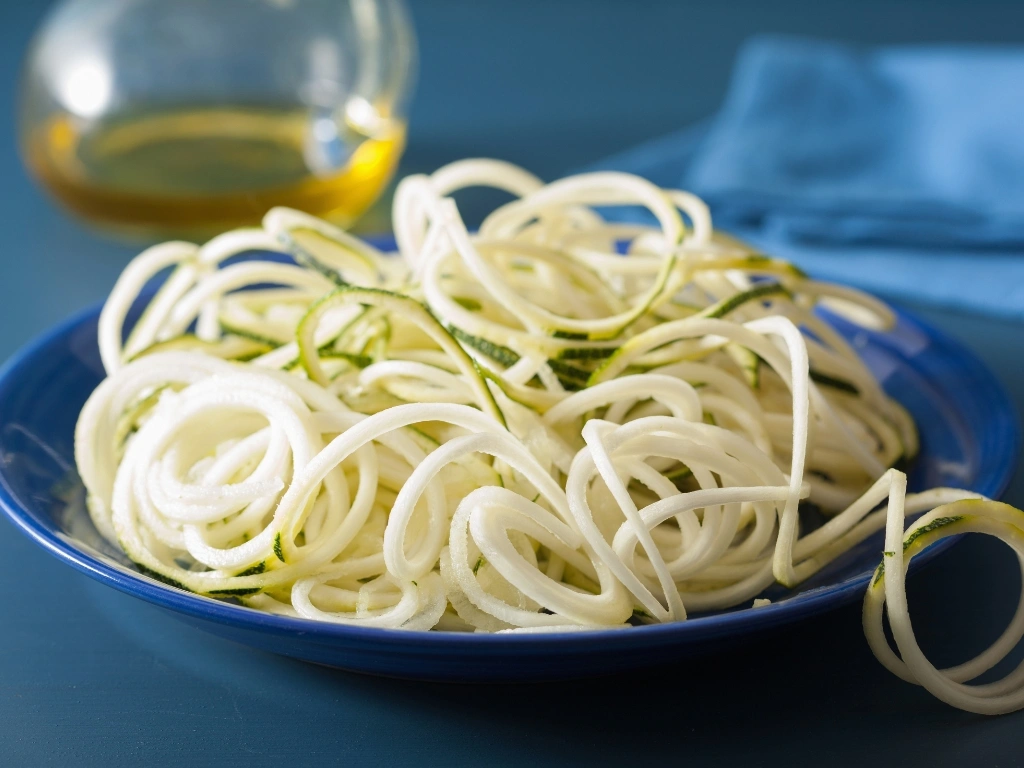
- Cucumbers and zucchini
- Carrots
Keep in mind that appropriate serving sizes still vary by food. To make vegetables easier to digest and tolerate, steam, boil, or sauté them in olive oil.
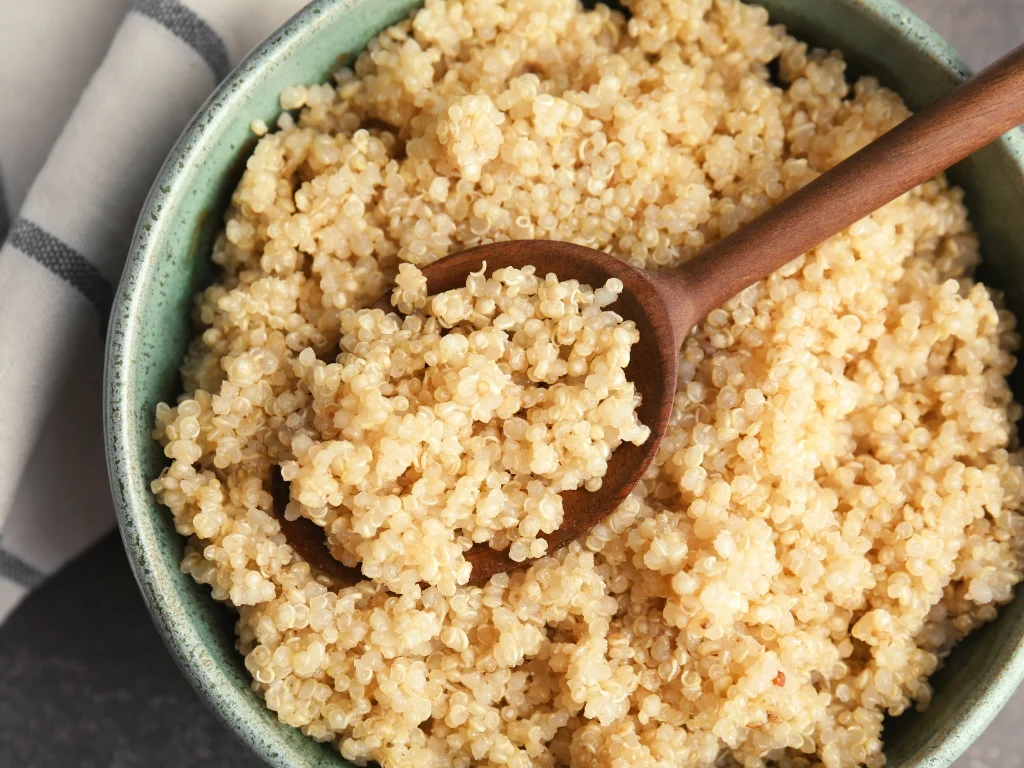
Whole grains and pseudo-grains
While most grains are best avoided with SIBO, there are certain choices that can be well-tolerated because they’re lower in fermentable carbs and easier to digest.
Try these SIBO-friendly foods:
- Quinoa
- White rice
- Buckwheat
- Millet
- Oats (in moderation)
Start with portions that you tolerate and increase variety as symptoms allow.
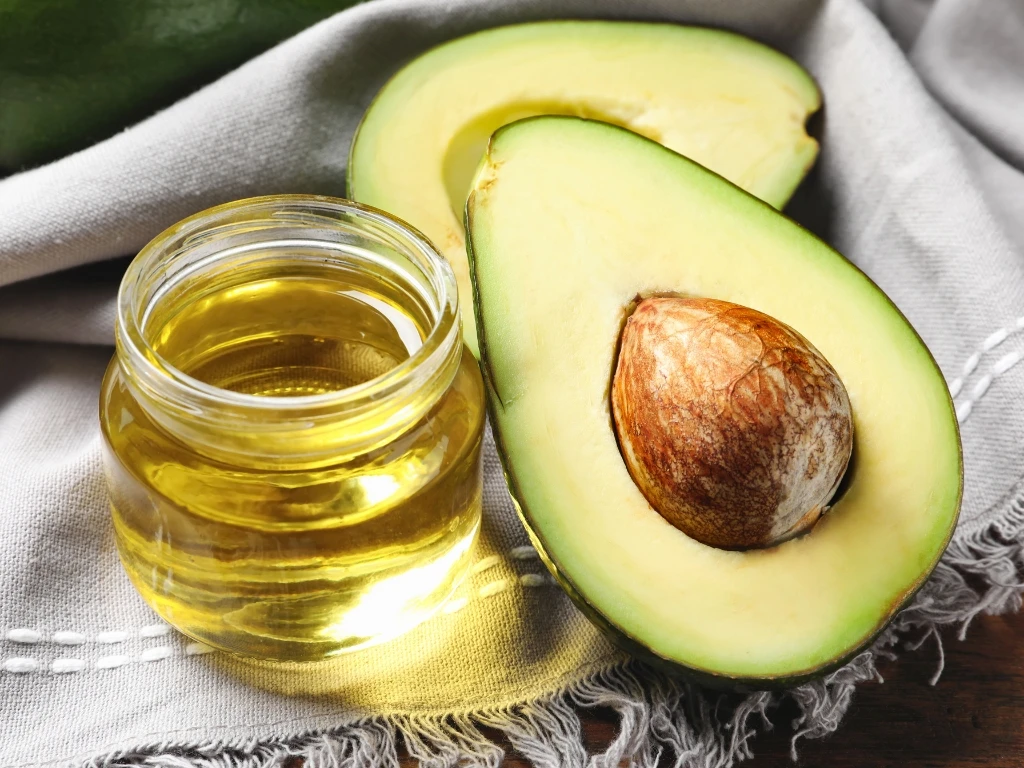
Healthy fats
The right healthy fats can provide energy and help absorb fat-soluble vitamins without feeding bacterial growth because pure fats are generally FODMAP-free
Try these SIBO-friendly foods:
- Extra virgin olive oil
- Avocado oil
- Coconut oil
- Avocado (in small portions)
- Low-FODMAP nuts and seeds, like macadamia nuts, pumpkin seeds, or chia seeds
Portion size still matters here, especially if you’re sensitive to fiber.

Other tolerable fiber sources
High-fiber foods are usually a no-go for SIBO, but fiber itself should not be eliminated completely.
Once symptoms are better controlled, gradually incorporate tolerable, low-FODMAP sources of fiber to help support regular bowel habits.
Try these SIBO-friendly foods:
- Strawberries
- Blueberries
- Raspberries
- Psyllium husk
You can also consider low-FODMAP fiber supplements to help support gut motility.
This list isn’t definitive, and it’s important to remember that each person’s tolerance differs. Some may handle small amounts of fiber or starch well, while others may react even to moderate portions. Personalized nutrition counseling can help identify what works for you while ensuring you meet your daily nutrient needs.
Foods and ingredients to limit or avoid
On the other hand, it’s also worth knowing what foods to avoid with SIBO to help manage symptoms more effectively.
The following are foods that tend to ferment quickly or irritate the digestive lining, worsening bloating and discomfort, and should therefore be limited:
- High-FODMAP foods, such as garlic, onions, many legumes, apples, pears, and wheat-based foods
- Sugar alcohols, such as sorbitol, mannitol, xylitol, maltitol, and similar polyols, which are found in sugar-free gum and low-calorie snacks and candies
- High-sulfur foods, such as eggs, garlic, and cruciferous vegetables, when specifically recommended
- Foods high in resistant starch, like green bananas
- Refined carbs and sugary foods
- Highly processed foods
- Carbonated beverages
- Alcohol
Nevertheless, SIBO symptoms can be incredibly individualized, with some people reporting discomfort after eating foods that are technically low-FODMAP. If uncertain, keep a food and symptom journal to identify patterns and avoid unnecessary restrictions.

Meal planning and practical tips for a SIBO diet
Managing SIBO symptoms can be easier when meals are predictable, and portions are comfortable. Try these strategies:
- Start simple. Build meals around foods you already tolerate. Choose three to five core protein-and-vegetable combinations to rotate each week.
- Eat smaller meals. Large portions can slow digestion and increase fermentation.
- Chew thoroughly. Proper chewing helps reduce bloating and improves nutrient absorption.
- Space meals evenly. Leaving at least three hours between meals or snacks may give the digestive tract more time between eating periods.
- Stay hydrated. Water aids digestion and helps move waste efficiently, particularly in diarrhea-predominant (hydrogen or hydrogen sulfide) patterns where fluid losses occur
- Plan for social settings. When eating out, choose simply prepared proteins, tolerated vegetables, and sauces or marinades that don’t contain ingredients you know trigger symptoms.
A registered nutritionist can help you create a flexible plan that supports symptom relief without compromising nutrition.
When a SIBO diet may not be enough
While diet may help get symptoms under control, it doesn’t cure SIBO completely.
Treatment should also involve addressing underlying conditions that may be causing the bacterial overgrowth, as well as using antibiotics or herbal antimicrobials when appropriate.
If symptoms persist or return, don’t assume you simply need to eliminate more foods. Your healthcare provider can reassess your symptoms and determine whether further treatment is needed. A registered dietitian can meanwhile help maintain proper nutrition and gradually broaden your diet as your symptoms improve.
Take the next step toward digestive relief with Health Loft
The right SIBO diet can transform how you feel — reducing bloating, easing discomfort, and helping your gut regain balance. But because every case of SIBO is unique, a one-size-fits-all approach rarely works. Your symptoms, triggers, underlying conditions, and lifestyle all shape what’s best for your digestive health.
It’s also worth remembering that most SIBO diets are designed for short-term use. Prolonged restriction without professional guidance can lead to nutrient deficiencies or reduced microbial diversity, which may be detrimental to gut health.
With Health Loft, you can work with registered dietitians who specialize in SIBO. Our experts can design a diet plan that ensures you get adequate nutrients even during phases of elimination, and help reintroduce foods safely once your symptoms stabilize.
Connect with a Health Loft dietitian today to start your journey toward lasting symptom relief and better digestion.
This article was reviewed by Solveig Adalsteinsdottir, MS, RDN, LDN. It is intended for informational purposes only and does not replace personalized nutritional advice.