









Breakfast often sets the tone for the rest of the day, so it’s important to be mindful when choosing what to include in your first meal, especially when managing inflammation.
Starting with a full, balanced breakfast featuring whole, minimally processed foods can be an excellent way to replenish energy after a night of fasting, while keeping blood sugar stable and inflammatory responses at bay.
To make preparation easier, this guide walks through simple anti-inflammatory breakfast ideas that fit easily into any daily routine — no complicated steps required.

Why breakfast matters in an anti-inflammatory diet
As the first meal of the day, breakfast is how you reintroduce nourishment after 12 hours or so of fasting the night before. Depending on what you fill your plate with, it either supports or drags how energy, focus, blood sugar, and digestion play out for the rest of the day.
For people dealing with chronic inflammation, breakfasts are especially important. Here’s how a balanced breakfast — built around whole, minimally processed foods — can support different aspects of an anti-inflammatory eating pattern:
Blood sugar balance and steady energy
Breakfasts that include nutrient-rich whole foods can help improve blood sugar responses, reducing sharp spikes and crashes that are common with highly refined or sugary morning meals.
More stable blood sugar levels also lead to steadier, more predictable energy and focus.
Protection from oxidative stress
Plant-based foods rich in antioxidants and polyphenols support the body’s ability to manage oxidative stress. This process is linked to inflammation at the cellular level.
Gut health
Fiber-rich breakfast foods play a central role in promoting gut health. Whole grains, fruits, vegetables, and legumes act as prebiotics that help nourish beneficial bacteria, which are involved in regulating digestion and immune function.
Connection between breakfast habits and inflammation
There is growing interest in how everyday eating patterns relate to inflammation. Some research suggests that regularly skipping breakfast may be associated with higher levels of C-reactive protein, a marker linked to inflammation, compared with eating breakfast consistently.
Foods to include in an anti-inflammatory breakfast
To make the most of these benefits, focus on the following whole, minimally processed foods:
Fruits and vegetables
Protect cells from damage caused by oxidative stress by getting more fiber, antioxidants, and plant compounds from colorful produce, such as:
- Dark leafy greens like spinach, kale, and arugula
- Cruciferous vegetables like broccoli, Brussels sprouts, and cauliflower
- Root vegetables like sweet potatoes and carrots
- Berries like strawberries, raspberries, and blackberries
- Citrus fruits like oranges, grapefruit, and lemons
- Tart cherries
Whole grains
Products made from refined grains have been associated with higher inflammation, whereas whole grains help reduce inflammation due to antioxidant and nutrient content.
Whole grains also supply fiber that may help support healthy digestion and keep blood sugar levels more stable.
Instead of reaching for the usual white bread or pasta, build your anti-inflammatory breakfast with options like:
- Oats
- Quinoa
- Brown rice
- Barley
- Buckwheat
- Whole-grain pasta
Healthy fats
Unsaturated fats, especially omega-3 fatty acids, have been linked with lower levels of inflammation. Some easy sources to include to your regular meals are:
- Extra virgin olive oil
- Fatty fish like mackerel, sardines, and anchovies
- Avocados
- Nuts like walnuts, almonds, and pistachios
- Seeds like chia seeds, pumpkin seeds, and sesame seeds
Protein
Protein not only supports fullness and provides steady energy throughout the day, but it also helps repair tissue damage, supports immune function, and assists in stabilizing blood sugar.
Aside from fatty fish, nuts, and seeds, other protein sources you can rely on for anti-inflammatory benefits are:
- Legumes like lentils, chickpeas, and beans
- Soy products like tofu, tempeh, and edamame
- Fermented dairy like yogurt and kefir
- Hemp-based or pea protein powders
- Lean meats like chicken, turkey, and bison
- Low to moderate intake of unprocessed red meat that has not undergone preservation methods like smoking, curing, salting, or adding chemical preservatives
Higher intake of processed meats — including sausage, hot dogs, salami, pepperoni, or cured deli meats — can fuel inflammation, so it’s best to limit your intake.
7 easy anti-inflammatory breakfast ideas for a healthy start
The following anti-inflammatory recipes for breakfast are simple, adaptable, and designed to fit different tastes and routines. Feel free to swap or add other helpful ingredients to align them better with what you need.
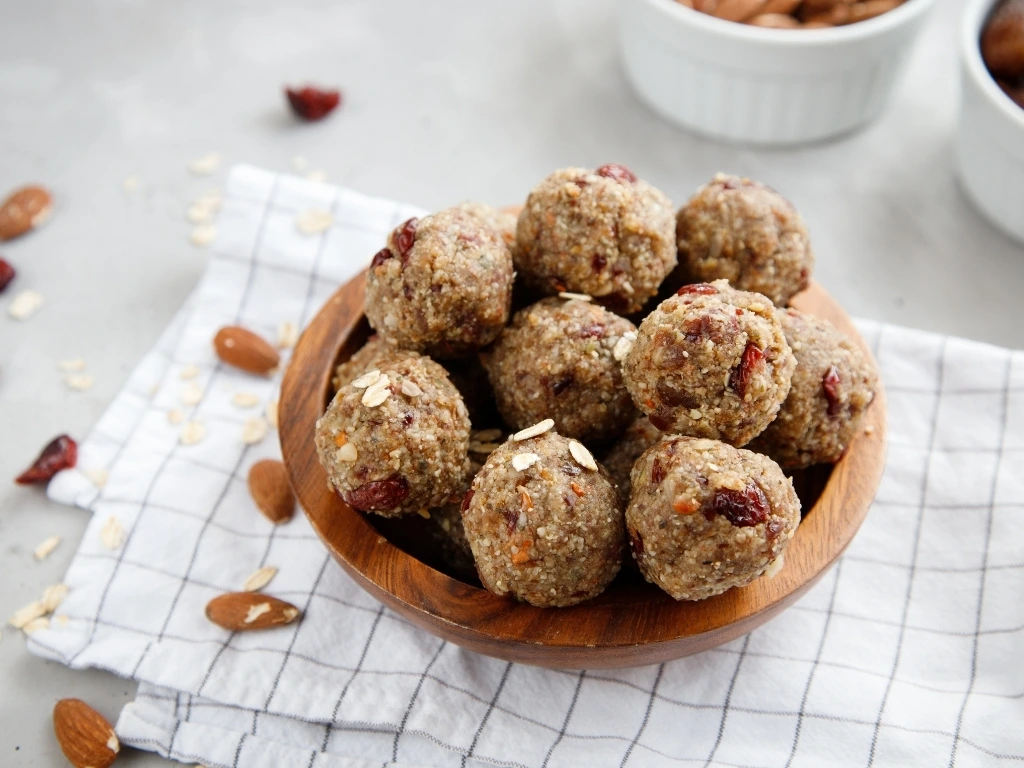
1. Cranberry oat bites
Simply add oats, walnuts, dates, cranberries, a scoop of protein powder, and lemon juice to a blender. Pulse until the mixture holds together. Then, roll the mixture into small bite-sized balls, and then chill the balls in the fridge until firm. Once ready, you have yourself a naturally sweet, portable breakfast option full of fiber, healthy fats, and antioxidants.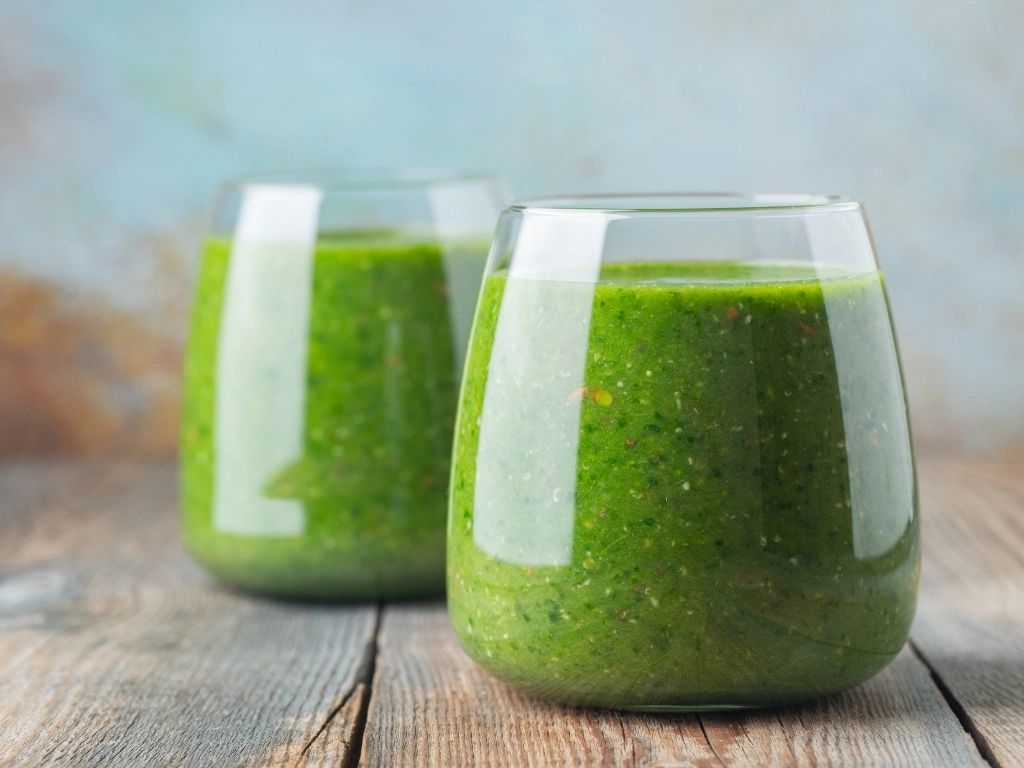
2. Green smoothie with chia seeds
If you want a quick way to include fiber, fruit, and plant-based omega-3s in your diet, this recipe is for you. Combine spinach, kale, and your fruits of choice (good options are banana, pear, and citrus) in a blender. Add a sprinkle of hemp seeds, a cup of protein-rich milk, such as a scoop of Greek yogurt, and ice. Blend until smooth and creamy, then serve immediately.
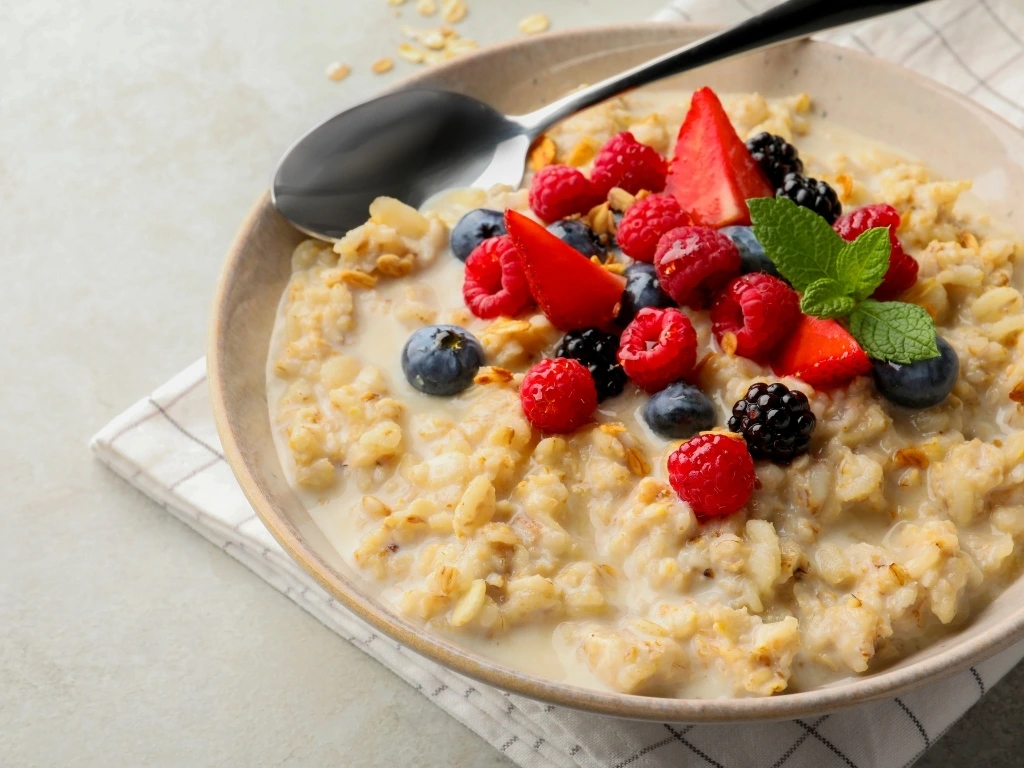
3. Berry oat bowl
Cook oats with milk or water, then pour into a bowl and top with mixed berries. Add pumpkin seeds, berries, and a handful of nuts. This one’s a reliable breakfast idea that balances steady energy and digestion.

4. Avocado toast with egg
For a satisfying mix of fiber, healthy fats, and protein, start your day with some whole-grain bread topped with avocado and egg. Simply toast a slice or two, then mash avocado and spread it on top of the toast. Add two cooked eggs (they can be poached, boiled, or fried, whatever you prefer) and optional toppings like tomatoes or some seeds. Sprinkle salt and pepper to taste.
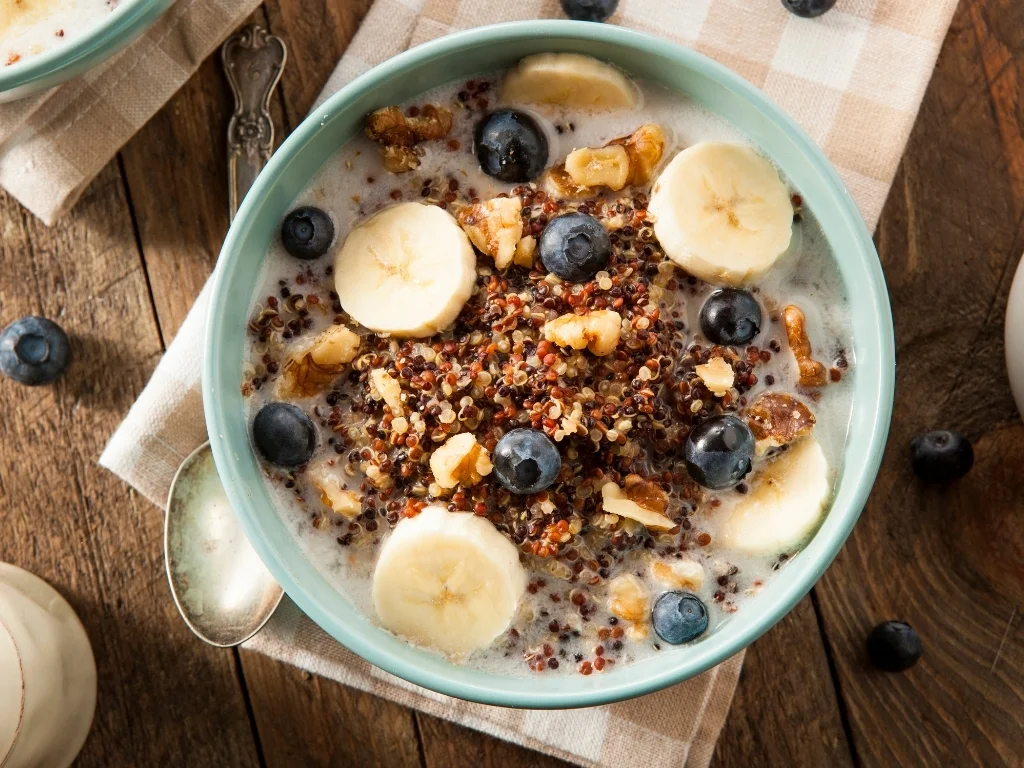
5. Crispy quinoa yogurt bowl
For mornings when you need something filling, toss some cooked quinoa with a little oil and sweetener, then bake until lightly crisp. Add Greek yogurt to a bowl, top it with your fruit of choice, and the crispy quinoa you’ve prepared. Sprinkle the mixture with nuts or seeds, and enjoy your fiber-rich, healthy carb bowl!

6. Mushroom egg scramble on toast
This breakfast idea is a great choice if you want something warm and savory that supports fullness while providing anti-inflammatory compounds.
Sauté chopped mushrooms in a pan (or whatever leftover veggies you may have available in the fridge will do). Then, in a separate bowl, whisk eggs with salt and pepper. Add the eggs to the pan and scramble gently. Set this aside once done, then toast some whole-grain bread. Finish by serving the eggs over toast and add optional toppings like feta.

7. Veggie chickpea fritters
Looking for something plant-based, fiber-rich, and easy to cook in batches? Veggie chickpea fritters are a go-to.
Mash chickpeas in a bowl, and mix in some eggs, zucchini, corn, cauliflower rice, and spices like turmeric or cumin. Add almond meal to bind.
Once ready, heat olive oil in a pan and scoop small portions of your mixture. Cook each side until golden and crisp, then serve with yogurt-based dipping sauce.
Adjusting anti-inflammatory breakfasts for digestive conditions
Anti-inflammatory foods are generally supportive, but some people with digestive conditions like Crohn’s disease, IBS, or ulcerative colitis may need to adjust how they make use of certain ingredients.
Some high-fiber foods, such as raw vegetables, seeds, or fruit skins, may be harder to digest during symptom flare-ups. In these cases, softer options like cooked vegetables, blended smoothies, or peeled fruits may be more comfortable.
Dairy is another ingredient that must be considered, since tolerance tends to vary. Some people do well with yogurt or lactose-free products, while others may need to limit or avoid certain dairy foods.
Create a breakfast routine that supports your needs
As you explore these anti-inflammatory breakfast ideas, it helps to remember that managing inflammation isn’t about perfecting a single meal or following a rigid plan. What matters most is building a breakfast routine that feels sustainable while including foods that your body tolerates well.
At Health Loft, our gut health-specializing dietitians can help you identify which foods support you best and guide you in making necessary adjustments while ensuring that you meet your nutritional needs.
We can also help you build balanced, anti-inflammatory breakfasts that fit your routine, whether that means quick options for busy mornings or gentler choices during periods of digestive sensitivity. Connect with a Health Loft dietitian to learn more.
This article was reviewed by Solveig Adalsteinsdottir, MS, RDN, LDN. It is intended for informational purposes only and does not replace personalized nutritional advice.