









Since psoriasis involves inflammation in the skin, many people living with the condition wonder whether their food choices influence their symptoms. This is a reasonable question to pose, but it’s one often met with conflicting answers.
Contrary to popular claims, there’s no single diet for managing psoriasis. But that doesn’t mean that eating well is for nothing. In fact, current evidence suggests that an emphasis on healthy dietary patterns and balanced nutrition, specifically through fiber-rich foods, may help complement medical treatment.

What is psoriasis?
Psoriasis is a chronic immune-mediated inflammatory disease that causes skin cells to grow much faster than normal. Instead of renewing gradually, new cells build up on the surface of the skin, leading to thick, scaly patches and irritation.
At its core, psoriasis is driven by inflammation and an overactive immune system. Immune cells mistakenly trigger signals that speed up skin cell production, creating the redness, swelling, and scaling associated with the condition. Researchers believe a combination of genetics and environmental factors influences this process.
Symptoms and severity can vary widely from person to person. Some people experience mild, occasional flare-ups, while others have more persistent or widespread symptoms. Periods of worsening symptoms may alternate with times of improvement or remission.
Common symptoms of psoriasis include:
- Raised red patches covered with white or off-white scales
- Dry, cracked skin that may itch or bleed
- Burning, soreness, or persistent itching
- Thickened, ridged, or pitted nails
- Joint pain or stiffness in some people with psoriatic arthritis
How dietary choices may help manage psoriasis
No one diet can prevent psoriasis, but certain dietary principles may help manage symptoms and support one’s overall health. Many experts recommend focusing on high-fiber, minimally processed whole foods and limiting heavily processed foods high in sodium, fat, and added sugars to reduce inflammation.
The Mediterranean diet is among the most widely studied eating patterns for psoriasis and other inflammatory conditions. It emphasizes vegetables, fruits, whole grains, legumes, nuts, fish, and extra-virgin olive oil while limiting refined and highly processed foods.
Research has found that people with more severe psoriasis are often less likely to follow a Mediterranean-style eating pattern, suggesting a potential link between this diet and symptom severity. Its emphasis on fiber, antioxidants, and healthy fats may support both overall health and inflammation management.
For people who are overweight or obese, weight loss may help improve psoriasis symptoms. Excess body fat can contribute to inflammation and increase the risk of related conditions such as heart disease and type 2 diabetes.
Studies suggest that even modest weight loss can reduce psoriasis severity and improve treatment effectiveness. Experts generally recommend balanced, calorie-conscious eating plans rather than highly restrictive diets.
That being said, responses to different eating patterns tend to vary depending on an individual’s tolerance, so approaches are still best personalized and closely guided by a registered dietitian.
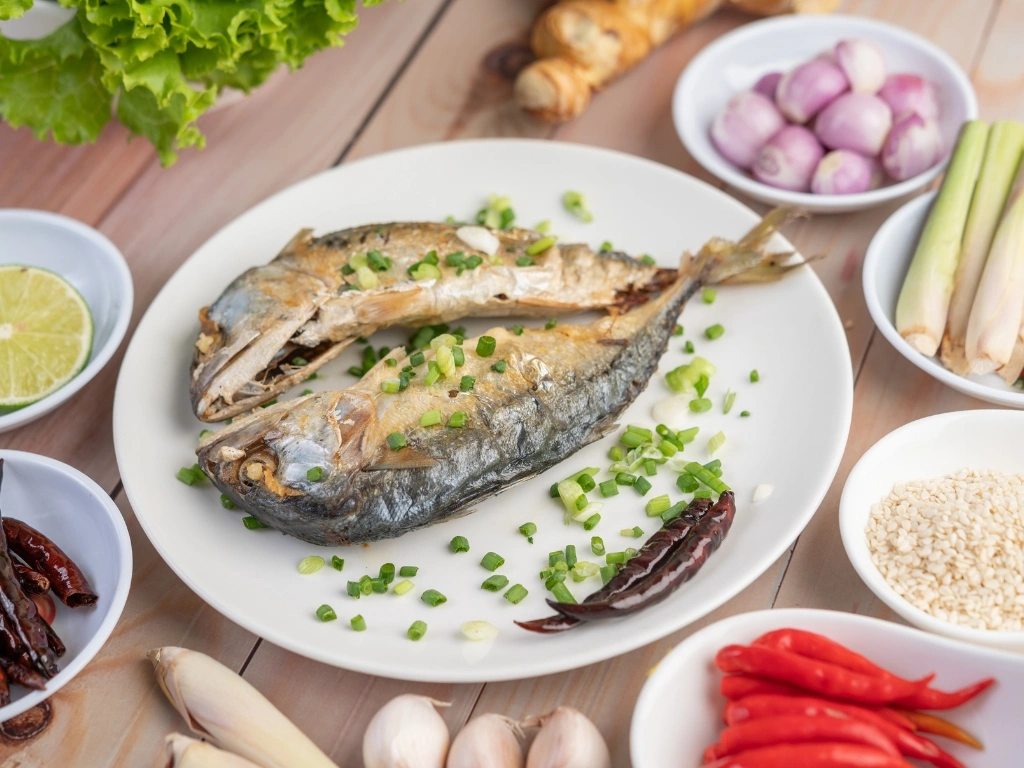
Foods that may help with psoriasis
Certain foods may be especially helpful for people with psoriasis because they support healthy inflammatory and metabolic processes. While no food can singlehandedly resolve psoriasis, regularly including nutrient-dense, minimally processed foods may help support overall skin health and complement medical treatment.
Fatty fish
Omega-3 fatty acids have anti-inflammatory properties that may be beneficial for managing psoriasis.
Several studies associate improvements in psoriasis with higher intakes of the primary omega-3 fats found in fish: EPA (eicosapentaenoic acid) and DHA (docosahexaenoic acid).
Interestingly, one review found that people with psoriasis may actually be consuming fewer of these necessary omega-3s, opening up the possibility that this discrepancy may be contributing to the condition’s severity.
This type of fat is commonly found in fatty fish, such as:
- Salmon
- Sardines
- Herring
- Trout
- Mackerel
- Anchovies
Nuts and seeds
Nuts and seeds are also reliable sources of omega-3s, but they deliver much more than healthy, anti-inflammatory fats. They also contain some protein, as well as fiber, which may be another critical aspect of psoriasis diets.
Fiber directly addresses gut health and systemic inflammation, both considered root drivers of psoriasis flare-ups. Research also suggests that people with psoriasis often consume less dietary fiber than those without the condition.
Great options to include in a psoriasis-friendly diet are:
- Walnuts
- Chia seeds
- Flaxseeds (preferably ground)
- Hemp seeds
- Flaxseed oil
Fruits, vegetables, and whole grains
Relying on produce and whole grains as the foundation of your psoriasis diet is an ideal step. These staple foods not only serve as excellent fiber sources, but they also offer antioxidants, vitamins, and minerals that collectively support overall health.
You can increase your antioxidant intake and support a healthier gut microbiome with whole grains and colorful produce, the latter of which may also provide polyphenols, carotenoids, and other plant compounds that may help manage psoriasis.
Consider options like:
- Berries and cherries
- Dark leafy greens (spinach, kale, arugula)
- Cruciferous vegetables (broccoli, cauliflower, Brussels sprouts)
- Root vegetables (carrots, sweet potatoes, beets)
- Brightly colored fruits (mangoes, apricots, melons)
- Oats
- Brown rice
- Quinoa
- Barley (if tolerated)
- Whole-wheat products (if tolerated)
Probiotic-rich foods
A regular intake of probiotics may also help manage psoriasis, as probiotics introduce beneficial bacteria to the gut, which helps reduce inflammatory responses throughout the body. Psoriasis flare-ups are commonly linked to high amounts of inflammation-causing bacteria in the intestines, and probiotic-induced bacteria help offset this.
Some popular examples of probiotic-rich foods are:
- Sauerkraut
- Kimchi
- Kefir
- Greek yogurt
Legumes
Plant-based proteins, commonly found in legumes, may also play an essential part in improving markers of psoriasis.
A recently published study that followed more than 121,000 adults in the United Kingdom for over a decade found that those who closely follow a healthy plant-based dietary pattern had a 19% lower risk of developing psoriasis than those who don’t.
This benefit was linked to eating fewer unhealthy plant foods and less meat, highlighting the importance of overall dietary quality.
Apart from protein, legumes are also rich in fiber and a variety of beneficial nutrients. Add the following to your psoriasis diet:
- Beans
- Lentils
- Peas
- Tofu
- Tempeh
- Chickpeas

Foods to avoid with psoriasis
For some individuals, it may be helpful to limit certain foods from their diet to manage psoriasis more effectively.
While there’s no need to completely eliminate these foods from your diet, being mindful of how often and how much you consume can be a helpful part of managing psoriasis. The goal is to create a balanced, sustainable eating pattern rather than following restrictive rules.
Alcohol
Alcohol has some of the strongest evidence for worsening psoriasis among dietary factors. The Joint American Academy of Dermatology and National Psoriasis Foundation (AAD-NPF) Guidelines note that consuming too much alcohol tends to make the disease more severe, while limiting or avoiding intake can improve psoriasis over time.
Gluten
A gluten-free diet may sometimes be recommended for managing psoriasis, though it only applies to individuals with confirmed celiac disease or seropositivity for IgA/IgG antigliadin antibodies. It’s best to consult a healthcare provider or registered dietitian before eliminating major food groups.
High sugar intake
High blood sugar has been found to correlate with psoriasis severity, given that insulin resistance shares overlapping inflammatory pathways. Managing sugar intake may play a role in keeping psoriasis flare-ups at bay.
Saturated fat
When it comes to psoriasis, the type of fat you eat can directly influence the level of inflammation in your skin.
Saturated fats can activate the body’s inflammatory alarm system, triggering the release of chemicals (called IL-1β and IL-18) that ramp up the same immune response responsible for psoriasis flares.
Research shows that reducing intake of common sources, such as red meat, butter, cheese, full-fat dairy, and fried foods, may help calm this response.
Omega-6 fatty acids
Although omega-6s can support skin barrier function, excessive amounts of omega-6s tend to compete with the anti-inflammatory properties of omega-3s. In fact, these fats can promote systemic inflammation, directly fueling the overactive immune response and rapid skin cell growth in psoriasis.
- Most people eat far more omega-6 than omega-3. Shifting this balance in favor of omega-3s is one of the most practical dietary changes you can make to support your skin health. You can do this by:
- Choosing olive oil or avocado oil instead of corn, soybean, or sunflower oil for cooking
- Aiming to eat fatty fish (like salmon, mackerel, or sardines) at least two to three times per week
- Limiting processed red meat like sausage or hot dogs, and fried foods
- Snacking on walnuts or adding ground flaxseed to smoothies or oatmeal
Practical Mediterranean diet-based 7-day psoriasis meal plan
If you’re looking for a practical diet for psoriasis, this sample meal plan follows a Mediterranean-style approach centered on fish, legumes, vegetables, fruits, whole grains, and healthy fats.
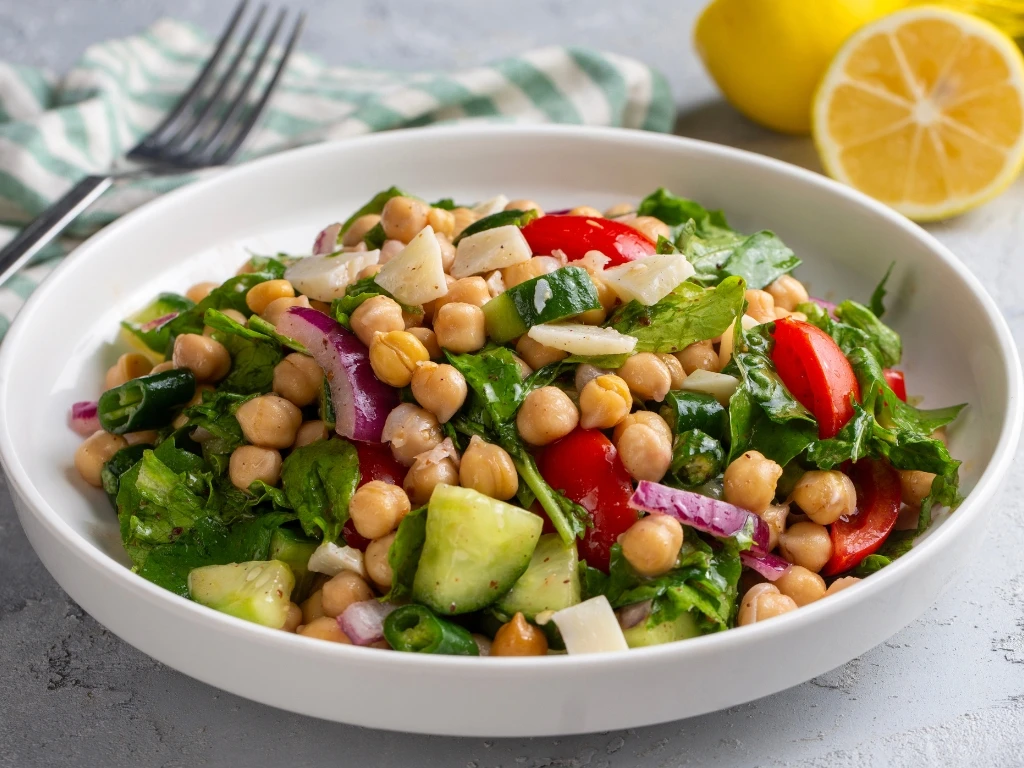
Day 1
- Breakfast: Berry-infused overnight oats sprinkled with chia seeds
- Lunch: Tossed chickpea salad with fresh herbs and vegetables
- Dinner: Wild sea bass platter served with roasted potatoes and broccoli
- Snack: Chilled frozen berries with Greek yogurt
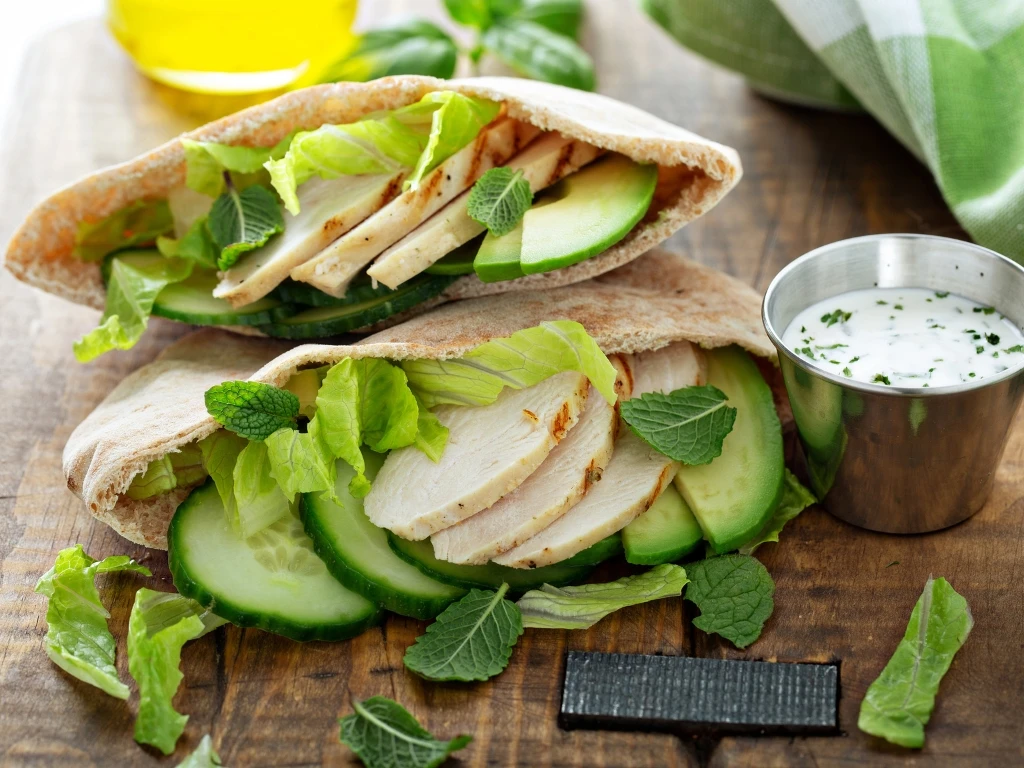
Day 2
- Breakfast: Layered Greek yogurt parfait with seasonal fruit and mixed nuts
- Lunch: Tuscan-style beans served on toasted sourdough
- Dinner: Herbed chicken served with flatbread and cool cucumber tzatziki
- Snack: Crunchy oven-roasted edamame
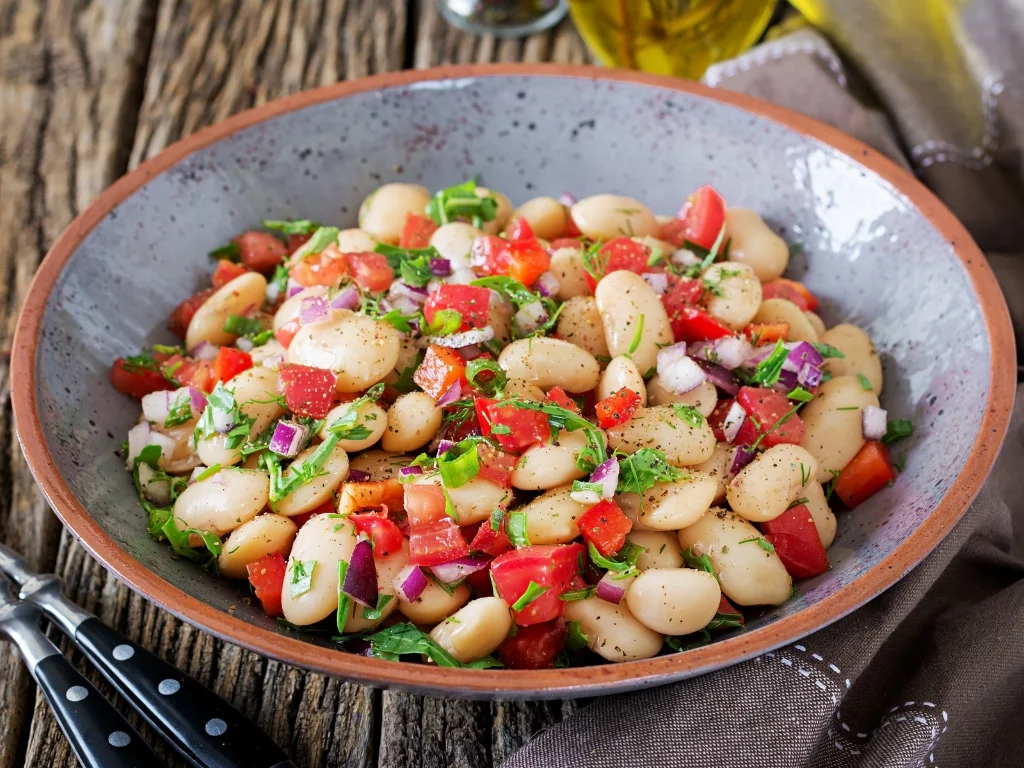
Day 3
- Breakfast: Smashed avocado on whole-grain toast topped with soft-poached eggs
- Lunch: White bean and tomato salad
- Dinner: Basil pesto-crusted salmon paired with crispy herb potatoes and charred sweetcorn salsa
- Snack: Handful of dry-roasted pistachios
Day 4
- Breakfast: Vanilla-chia seed pudding topped with fresh fruit and sliced almonds
- Lunch: Farro, tempeh, and broccoli bowl drizzled with a lemon-tahini dressing
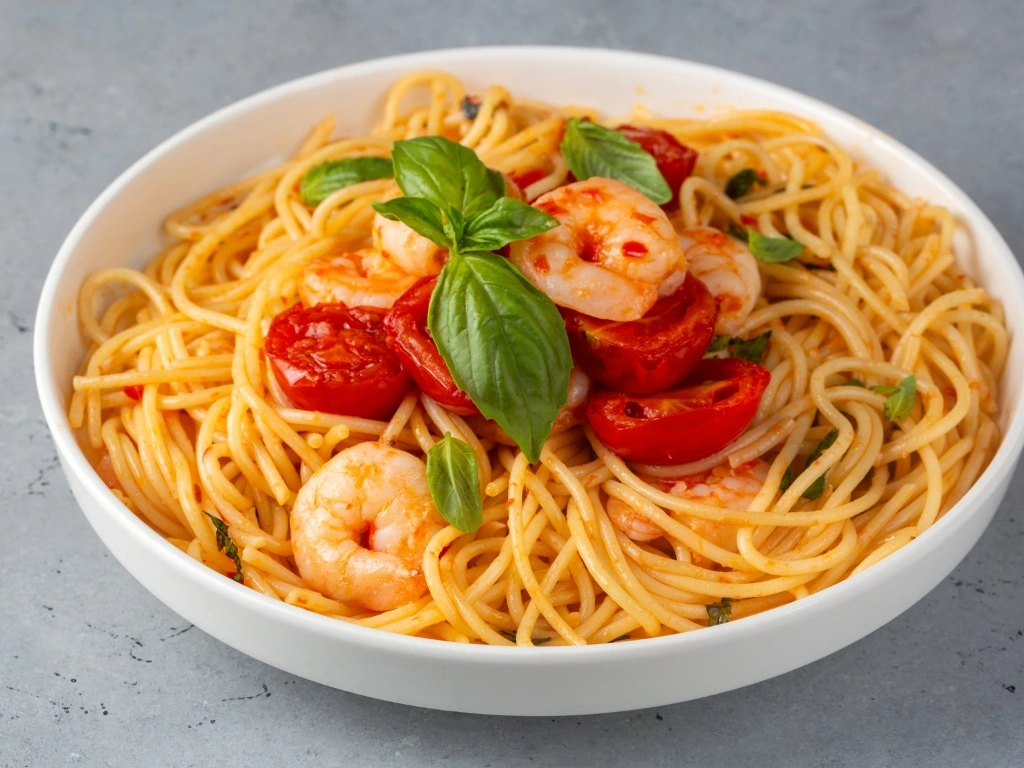
- Dinner: Spicy prawn spaghetti tossed in tomato-basil chili sauce
- Snack: Whole-wheat pita, carrots, and cucumber paired with hummus

Day 5
- Breakfast: Spinach and wild mushroom frittata
- Lunch: Herbed garden tabbouleh tossed with chickpeas
- Dinner: Roasted chicken, bulgur wheat, and vegetable bake
- Snack: Dates stuffed with goat or feta cheese and pistachios
Day 6
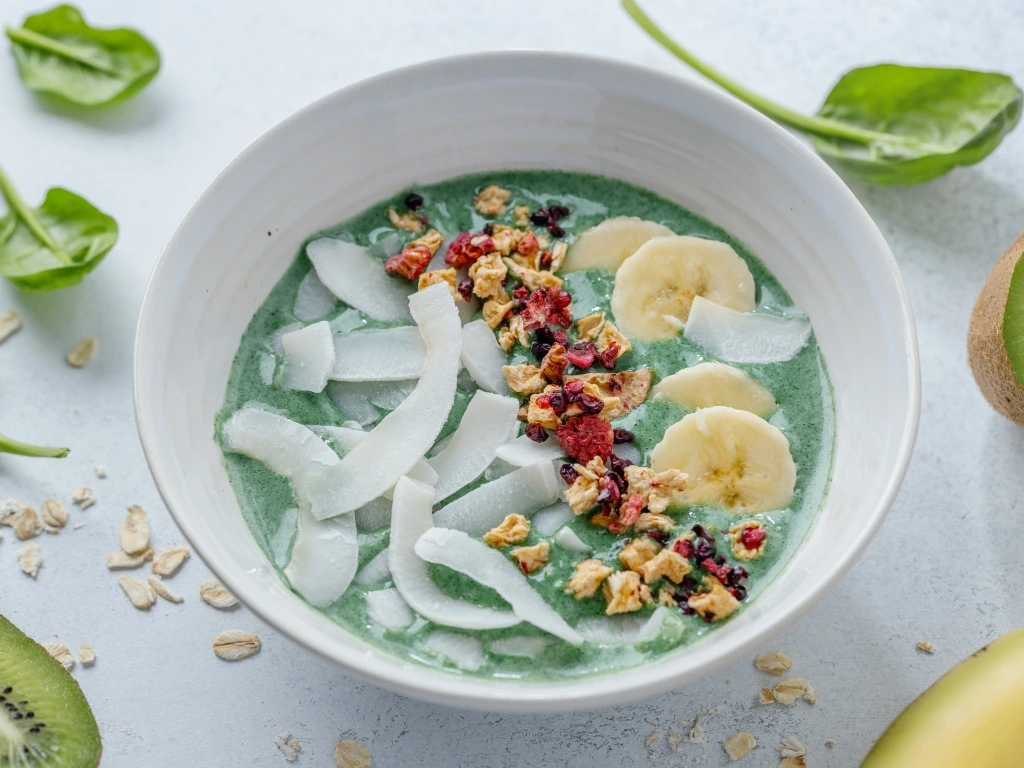
- Breakfast: Protein smoothie bowl topped with granola, fruits, and coconut flakes
- Lunch: Roasted cauliflower, tofu, and white bean tossed salad
- Dinner: Foil-packet salmon baked with vine tomatoes and olive oil
- Snack: Apple wedges dipped in almond butter
Day 7
- Breakfast: Black bean shakshuka
- Lunch: Kale and roasted butternut squash bowl topped with soft-boiled eggs
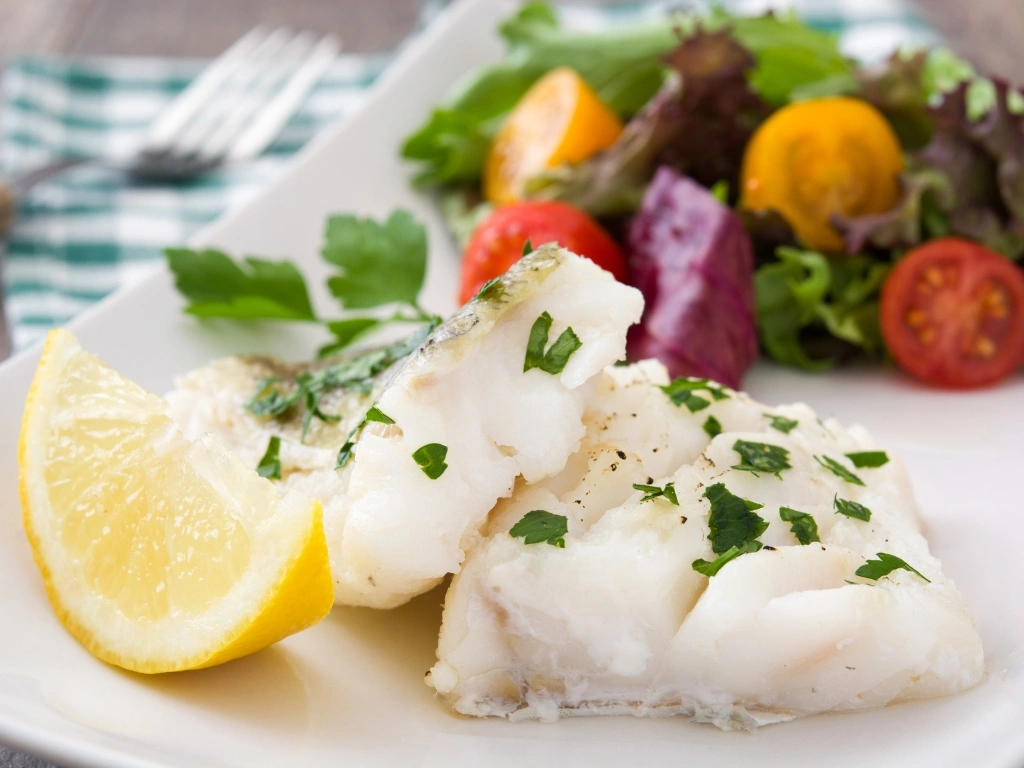
- Dinner: Oven-baked Mediterranean cod served with garden vegetables
- Snack: Fresh fruit salad served with a dollop of Greek yogurt, crushed nuts, and chia seeds
Keep in mind that, while the Mediterranean diet may be advised for some individuals, it is not a universally appropriate diet for everyone with psoriasis.
For a more personalized approach that aligns with your health needs and symptoms, a registered dietitian can help you incorporate foods that may help manage psoriasis symptoms and provide guidance on foods that may be beneficial to enjoy in moderation.
Discover a sustainable eating pattern for long-term psoriasis support
Eating when you have psoriasis doesn’t need to be complicated. Instead of restricting what you can eat, aim for sustainable habits you can maintain over time.
This means focusing on what you can add to your plate, such as fruits, veggies, whole grains, and lean proteins. There is always room to enjoy all foods in moderation based on your preferences, lifestyle, cultural foods, and health goals.
At the same time, remember that diet alone does not replace standard medical therapies for psoriasis. Dietary changes for psoriasis support are most beneficial when they’re combined with prescribed treatments, as well as key lifestyle changes such as regular physical activity and stress management.
Working with a dietitian who specializes in skin health can help you identify which steps are most realistic for you, given your health status. At Health Loft, our experts can help determine whether weight management may be appropriate or which specific foods may be contributing to your symptom flare-ups. We recommend nutrition strategies and meal plans tailored specifically to fit your personal tolerances, preferences, lifestyle, and nutritional needs, working alongside your broader healthcare team as needed.
Start building a sustainable diet for psoriasis by connecting with a Health Loft dietitian today.
This article was reviewed by Solveig Adalsteinsdottir, MS, RDN, LDN. It is intended for informational purposes only and does not replace personalized nutritional advice.