








Pregnancy is a time when paying attention to nutrition becomes more important than ever. Many expecting parents want to make sure they’re getting the right nutrients to support both their own health and their baby’s growth and development, but knowing which nutrients to prioritize can sometimes feel overwhelming.
While nutrients like folate and iron often receive the most attention during pregnancy, choline is another essential nutrient that deserves a place on your plate. This guide explores some of the best choline-rich foods to include in a healthy pregnancy diet.

What is choline?
Choline is an essential nutrient that the body needs to support normal growth, development, and overall health. Although your body can produce small amounts of choline, it cannot make enough to meet your daily needs, so it must also come from foods or, in some cases, supplements.

Why is choline supplementation important during pregnancy?
Choline is one of the many nutrients needed to support a healthy pregnancy. As your body’s choline requirements increase, eating enough choline-rich foods can help to support your baby’s development and your own health throughout pregnancy.
Supports fetal brain and spinal cord development
One of choline’s most well-known roles during pregnancy is supporting the development of your baby’s brain and nervous system. Early in pregnancy, choline contributes to the formation of the neural tube, which later develops into the brain and spinal cord.
As pregnancy progresses, it continues to support normal brain development and nervous system growth, making consistent choline intake important to maintain throughout pregnancy.
Supports healthy fetal growth
Pregnancy is a time of rapid growth, with billions of new cells forming as your baby’s organs and tissues develop. Choline helps to support normal cell division and tissue formation, allowing these developmental processes to occur efficiently.
Since nearly every organ system relies on healthy cell growth, meeting your daily choline needs helps to support your baby’s overall growth from early pregnancy through birth.
Supports placental and maternal health
Choline benefits more than your growing baby. It also supports healthy placental function, helping the placenta transport oxygen and nutrients needed for fetal development while removing waste products.
In addition, choline contributes to normal liver function and fat metabolism, helping to support your body’s changing nutritional needs throughout pregnancy.
How much choline do you need during pregnancy?
Pregnant adults are currently recommended to consume 450 mg of choline per day. However, research suggests that choline requirements may increase as pregnancy progresses, with intakes of up to 550 mg per day during the later stages.
If you’re concerned about your choline intake or think you may benefit from a supplement, speak with your healthcare provider or a registered dietitian before starting one. They can help determine whether supplementation is appropriate based on your diet, health history, and individual nutritional needs.
What foods are high in choline?
A variety of foods can help you meet your increased choline needs during pregnancy. Here are some of the best options to add to your plate.
1. Eggs
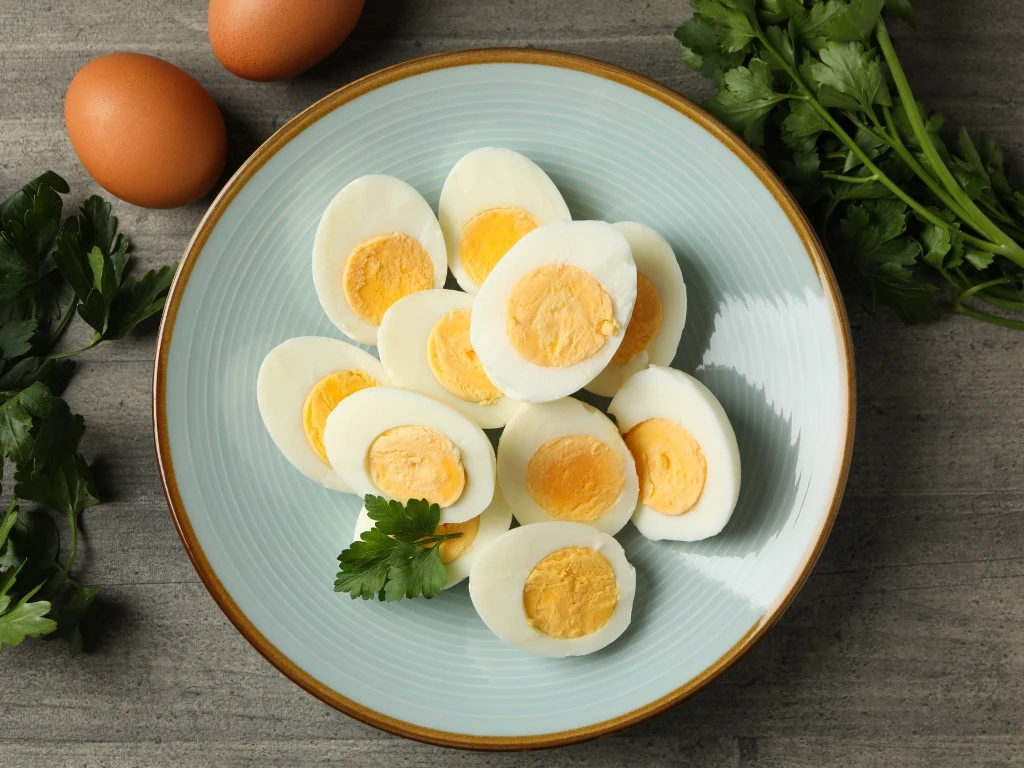
Eggs are one of the richest food sources of choline, with most of the nutrients being found in the yolk. They also provide high-quality protein, vitamin D, vitamin B12, and selenium, all of which help support a healthy pregnancy.
Eggs are safe to eat during pregnancy as long as both the yolk and white are fully cooked. Since they’re affordable, versatile, and easy to prepare, they make a simple addition to breakfasts, grain bowls, sandwiches, and salads.
2. Salmon
Salmon is an excellent source of choline and is also rich in DHA, an omega-3 fatty acid that supports your baby’s brain and eye development. This food provides high-quality protein, vitamin D, and selenium, making it a nutritious choice during pregnancy.
Be sure to eat salmon fully cooked to reduce the risk of foodborne illness. Baking, grilling, or air frying salmon and serving it with vegetables and whole grains is a great way to build a balanced meal.
3. Potatoes
Potatoes provide choline along with vitamin C, potassium, and vitamin B6, making them a nutritious addition to a healthy pregnancy diet. Leaving the skin on when possible adds extra fiber and nutrients.
Whether baked, roasted, boiled, or mashed, potatoes pair well with lean proteins and vegetables for a balanced, satisfying meal.
4. Shrimp
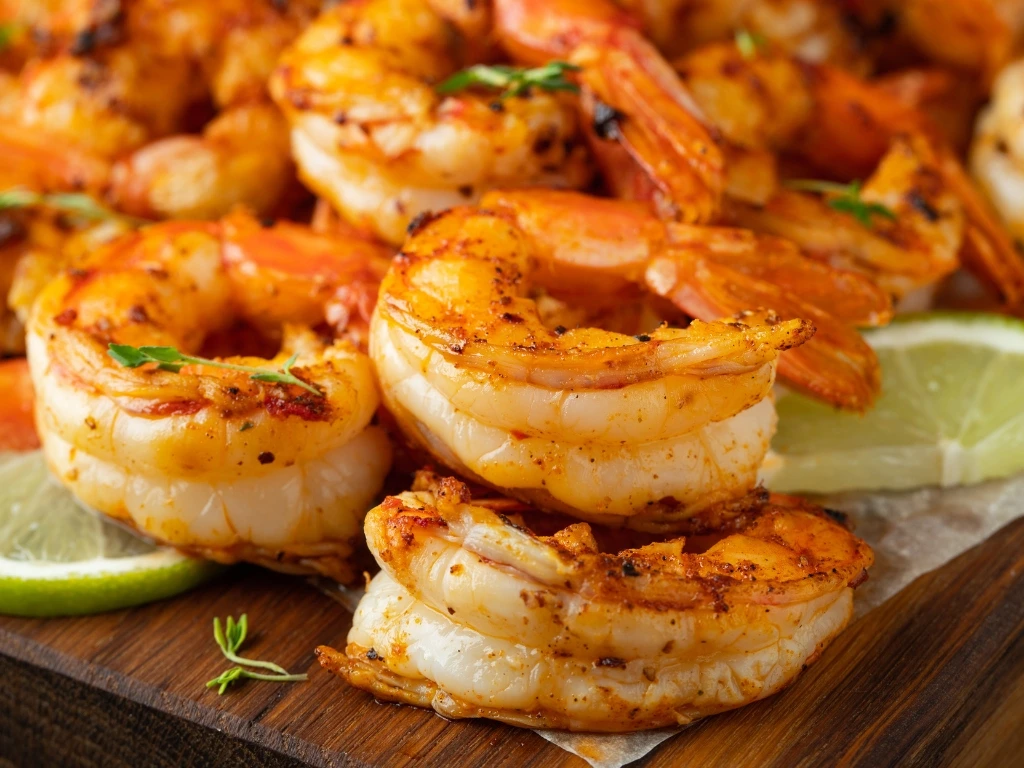
Shrimp is another seafood option that provides choline along with lean protein, iodine, selenium, and vitamin B12. It is safe to eat during pregnancy when fully cooked and can be added to stir-fries, pasta dishes, tacos, or grain bowls.
As a lower-mercury seafood choice, shrimp can be part of a healthy prenatal eating pattern.
5. Cruciferous vegetables
Cruciferous vegetables, including cauliflower, Brussels sprouts, and broccoli, provide choline along with vitamin C, folate, fiber, and other beneficial plant compounds that support a healthy pregnancy.
Cruciferous vegetables are safe to enjoy during pregnancy after thorough washing and cooking. Roasting, steaming, or adding them to soups, casseroles, and stir-fries are simple ways to include more of these nutrient-rich vegetables in your meals.
6. Kidney beans
Kidney beans provide choline, plant-based protein, fiber, folate, iron, and potassium. Canned kidney beans are an affordable and convenient option — just rinse them well before using to reduce excess sodium and compounds that can cause indigestion or gas. They make an easy addition to soups, chili, salads, and rice dishes.
7. Organ meats
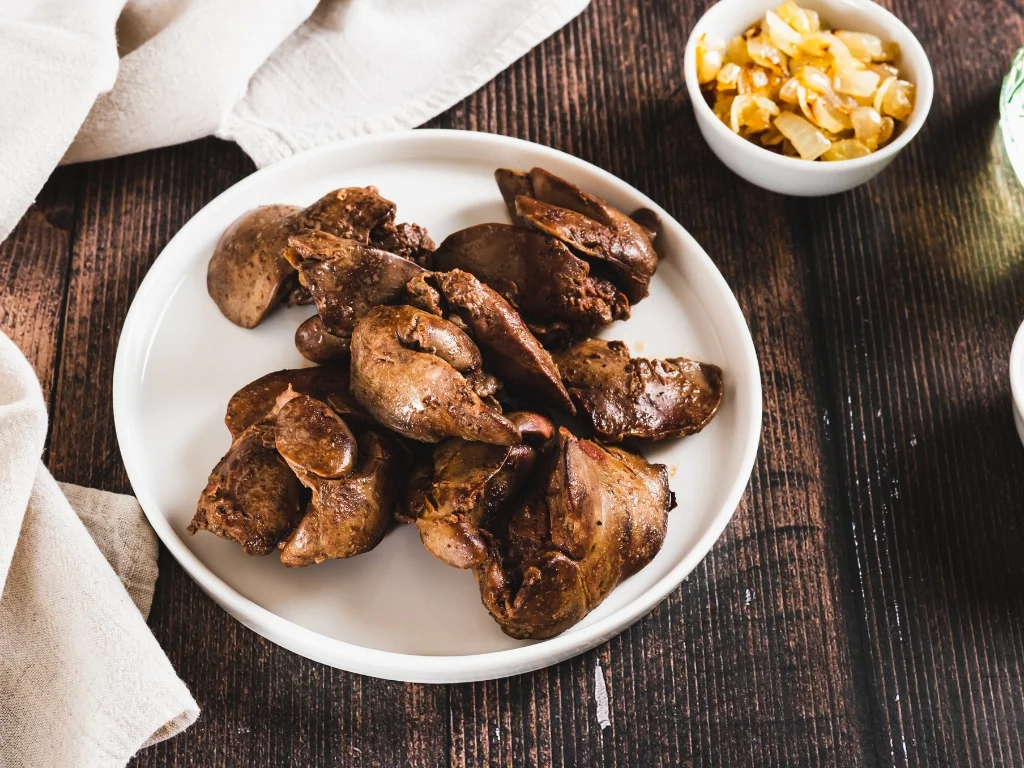
Organ meats are among the richest dietary sources of choline. Beef liver provides approximately 350 to 360 mg of choline per 3-ounce (85 g) cooked serving, making it one of the highest natural sources available. Chicken liver is also an excellent source, while other organ meats, such as beef or lamb kidneys and heart, can also give good amounts of choline.
Aside from that, organ meats provide highly absorbable iron, zinc, vitamin B12, and protein, which support red blood cell production, immune function, and your baby’s growth and development. However, because liver is very high in preformed vitamin A (retinol), it should be eaten in moderation during pregnancy. If you’re considering adding organ meats to your diet, be sure to speak with your healthcare provider or a registered dietitian first.
8. Milk and dairy products
Milk is a good source of choline and also provides calcium, iodine, protein, and vitamin B12, making it a valuable part of a healthy pregnancy diet. Choose pasteurized milk and dairy products to reduce the risk of foodborne illness.
Other dairy foods, such as yogurt, Greek yogurt, and cottage cheese, can also contribute to your daily choline intake while providing many of the same nutrients that support maternal and fetal health.
9. Chicken
Chicken is a reliable source of choline and provides high-quality protein, vitamin B6, niacin, and selenium to support both maternal and fetal health. It is safe to eat during pregnancy when cooked to an internal temperature of 165°F (74°C).
Grilled, baked, roasted, or shredded chicken can easily be incorporated into salads, soups, grain bowls, and wraps.
10. Lean beef
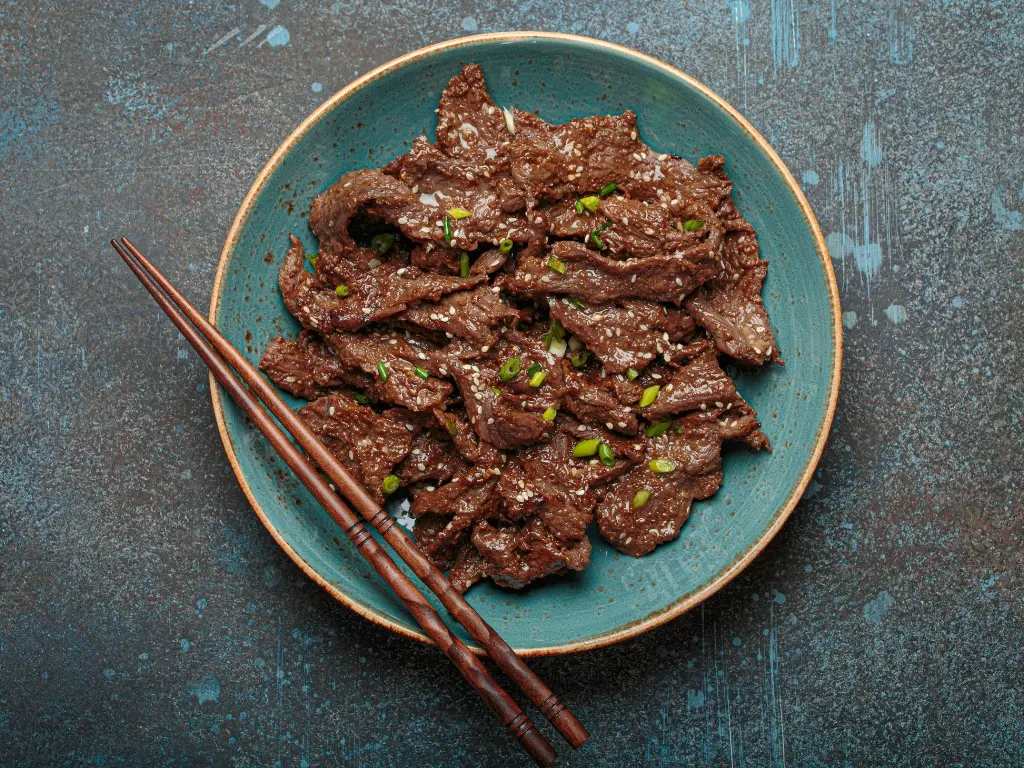
Lean beef is one of the more accessible dietary sources of choline and is an easy way to increase your intake if organ meats aren’t already part of your diet. While it doesn’t contain as much choline as liver, eating lean beef regularly can still contribute to meeting your daily choline needs.
Choose lean cuts when possible, and always cook beef thoroughly during pregnancy to reduce the risk of foodborne illness.
11. Edamame (young soybeans)
Edamame is one of the richest plant-based sources of choline, making it an excellent option for vegetarians and anyone looking to include more plant foods in their diet. It also provides protein, folate, fiber, and iron, which support a healthy pregnancy. Enjoy fully cooked edamame as a snack, in salads, in stir-fries, or in grain bowls.
Helping you nourish yourself and your growing baby
Getting enough choline during pregnancy can help support your baby’s brain and nervous system development while contributing positively to your own health throughout pregnancy.
At the same time, choline is just one of the many important nutrients your body needs during this time. A balanced prenatal diet that includes a variety of nutrient-rich foods can help provide the protein, healthy fats, vitamins, and minerals needed to support optimal maternal and fetal health.
Every pregnancy is different, and so are your individual nutritional needs. Dietary preferences, food aversions, morning sickness, medical conditions, allergies, and other factors can all influence which foods work best for you and whether you’re meeting your nutrient needs.
While choline-rich foods can help you to reach your daily nutrition goals, personalized nutrition guidance can make it easier to build a well-balanced eating plan that fits your lifestyle and pregnancy.
At Health Loft, our registered dietitians specializing in pregnancy nutrition provide compassionate, evidence-based prenatal nutrition support for every stage. Whether you’re navigating food aversions, managing a medical condition, choosing the right prenatal supplements, or simply looking for reassurance that you’re meeting all of your nutritional needs, we’ll work with you to create a personalized eating plan that supports both you and your growing baby.
If you’re ready to feel more confident about meeting your nutrition needs during pregnancy, connect with a Health Loft registered dietitian today and receive personalized guidance to help nourish yourself and your baby every step of the way.
This article was reviewed by Haleigh Mann, MS, RDN, LDN. It is intended for informational purposes only and does not replace personalized nutritional advice.