









Many traditional weight loss diets are hinged on deprivation, making them unsustainable and potentially harmful towards our relationship with food. Instead of immersing yourself in complicated food rules, one simple way to make a meaningful difference in body weight is to focus on adding fiber to your plate.
A well-structured, high-fiber meal plan can help lend more stability to appetite, digestion, and blood sugar levels, all of which contribute to reducing overeating and supporting overall health.

How fiber can support health
Eating enough fiber can help you feel fuller for longer while promoting steadier blood sugar levels. This may make it easier to maintain a calorie deficit effectively for weight loss.
Although fiber alone does not cause weight loss, consistently including fiber-rich foods can be a practical way to support long-term weight management, especially as part of a broader health-conscious eating pattern.
There are two main types of fiber, and both play important roles. Soluble fiber dissolves in water and forms a gel-like substance that slows digestion and traps cholesterol, helping you stay satisfied between meals while lowering cholesterol levels naturally. Insoluble fiber, on the other hand, adds bulk to stool and supports regular digestion, contributing to overall gut health.
Soluble and insoluble fibers are both exclusively found in plant foods like vegetables, fruits, legumes, and whole grains. As these foods tend to contain more water and volume, helping you feel satisfied even with fewer calories on your plate, a high-fiber meal plan, then, may inevitably reduce your overall calorie intake.
Fiber also slows the absorption of carbohydrates, which explains how it helps prevent sharp rises and drops in blood sugar.
“Blood sugar spikes can trigger sugar cravings because a rapid rise in blood sugar is often followed by a sharp decline, signaling the brain to seek quick energy from sweet or high-carbohydrate foods,” states Solveig Adalsteinsdottir, MS, RDN from Health Loft.
“Frequent sugar cravings throughout the day can be an opportunity to reflect on previous meals or snacks, which may not have been as complete or filling. For example, you might feel hungry an hour after eating pretzels alone, and can experiment with a more balanced option, such as pretzels paired with one tablespoon of peanut butter and a handful of sugar snap peas. Adding protein, fiber, and fat can help promote steadier energy and reduce large fluctuations in blood sugar.”
The best foods to include in a high-fiber diet
Different plant foods provide different types of fiber and nutrients. Focusing on variety over prioritizing specific foods is much more supportive of digestive health, blood sugar control, and your overall well-being.
Here are the food groups to emphasize when boosting fiber intake:
Fruits and vegetables
Fruits and vegetables are among the primary sources of dietary fiber. Because they naturally contain water and bulk, they help increase the volume of meals without adding excessive calories and are ideal for regular digestion and satiety.
Depending on their color, fruits and vegetables also lend different nutrients and benefits:
- Red – rich in lycopene and vitamin C, which support heart health, immune function, and help protect cells from oxidative stress
- Orange and yellow – high in beta-carotene (converted to vitamin A) and vitamin C, which boost eye health, skin health, and immune function
- Green – excellent sources of folate, vitamin K, lutein, and magnesium, which support healthy cells, bones, and vision
- Blue and purple – rich in anthocyanins, powerful antioxidants that aid brain and heart health and help protect cells from damage
- White and brown – contain beneficial sulfur compounds such as allicin, along with potassium and fiber, promoting heart, gut, and immune health
Below are some high-fiber fruits and vegetables that may be worth including in your diet:
| Food | Serving Size | Approximate Fiber (g) |
| Raspberries | 1 cup | 8 |
| Blackberries | 1 cup | 8 |
| Pear (with skin) | 1 medium | 5.5 |
| Apple (with skin) | 1 medium | 4.8 |
| Orange | 1 medium | 3.7 |
| Banana | 1 medium | 3.2 |
| Avocado | ½ fruit | 5 |
| Broccoli, cooked | 1 cup | 5.2 |
| Brussels sprouts, cooked | 1 cup | 6.4 |
| Sweet potato | 1 medium | 4 |
| Green peas | 1 cup | 8.8 |
| Kale, cooked | 1 cup | 4.7 |
| Spinach, cooked | 1 cup | 4.3 |
Legumes and beans
Legumes are some of the most fiber-rich foods available. Beans, lentils, peas, and chickpeas provide a combination of fiber and plant-based protein, making meals especially satisfying.
An easy way to boost fiber intake is to add legumes a few times each week. Consider these choices:
| Food | Serving Size | Approximate Fiber (g) |
| Lentils, cooked | ½ cup | 7.8 |
| Black beans, cooked | ½ cup | 7.5 |
| Pinto beans, cooked | ½ cup | 7.7 |
| Chickpeas, cooked | ½ cup | 6.3 |
| Split peas, cooked | ½ cup | 8.2 |
Whole grains
Whole grains provide fiber that’s largely removed during refining. Choosing minimally processed grains helps preserve their natural fiber content and other nutrients. Compared to refined grains, whole grains are digested more slowly and can help support steady energy levels and greater satisfaction after meals.
Here are some whole grains you can rely on:
| Food | Serving Size | Approximate Fiber (g) |
| Oatmeal, cooked | 1 cup | 4 |
| Barley, cooked | 1 cup | 6 |
| Brown rice, cooked | 1 cup | 3.5 |
| Shredded wheat cereal | 1 cup | 6 |
| Whole wheat bread | 1 slice | 3 |
| Whole wheat pasta | 1 cup | 4 |
| Air-popped popcorn | 3 cups | 5.8 |
Nuts and seeds
Nuts and seeds contribute smaller amounts of fiber compared to other plant foods, but they’re packed with healthy fats, protein, and important minerals that complement the benefits you’d get from higher-fiber options.
Because nuts and seeds are calorie-dense, enjoying moderate portions can help maximize their nutritional benefits while supporting your weight loss goals. They generally need to be paired with other high-fiber foods (whole grains, fruits, veggies) throughout the day to ensure you meet overall fiber goals.
For heartier meals, drinks, or snacks, easily add these choices as toppings or blend with other ingredients:
| Food | Serving Size | Approximate Fiber (g) |
| Almonds | 1 ounce (~23 almonds) | 3.5 |
| Walnuts | 1 ounce (~ 7 whole walnuts) | 2 |
| Pistachios | 1 ounce | 2.9 |
| Pumpkin seeds | 1 ounce | 5.2 |
| Sunflower seeds | 1 ounce | 3.1 |
| Chia seeds | 1 tablespoon | 4.1 |
| Flaxseeds | 1 tablespoon | 2.8 |
Simple 7-day high-fiber meal plan for weight loss
A high fiber meal plan for weight loss works best when it’s varied, balanced, and built around whole plant foods. This sample seven-day plan shows how simple and satisfying high-fiber eating can look in everyday life.

Day 1
- Breakfast: Eggs Florentine (poached eggs over wilted spinach) on toasted rye bread
- Lunch: Three-bean and lentil slow-simmered chili
- Dinner: Pan-seared mackerel with charred broccoli, leeks, and tomatoes
- Snack: Apple slices with almond-peanut butter dip
Day 2
- Breakfast: Almond milk oat porridge, with a scoop of Greek yogurt stirred in, topped with wild blueberries and pumpkin seeds
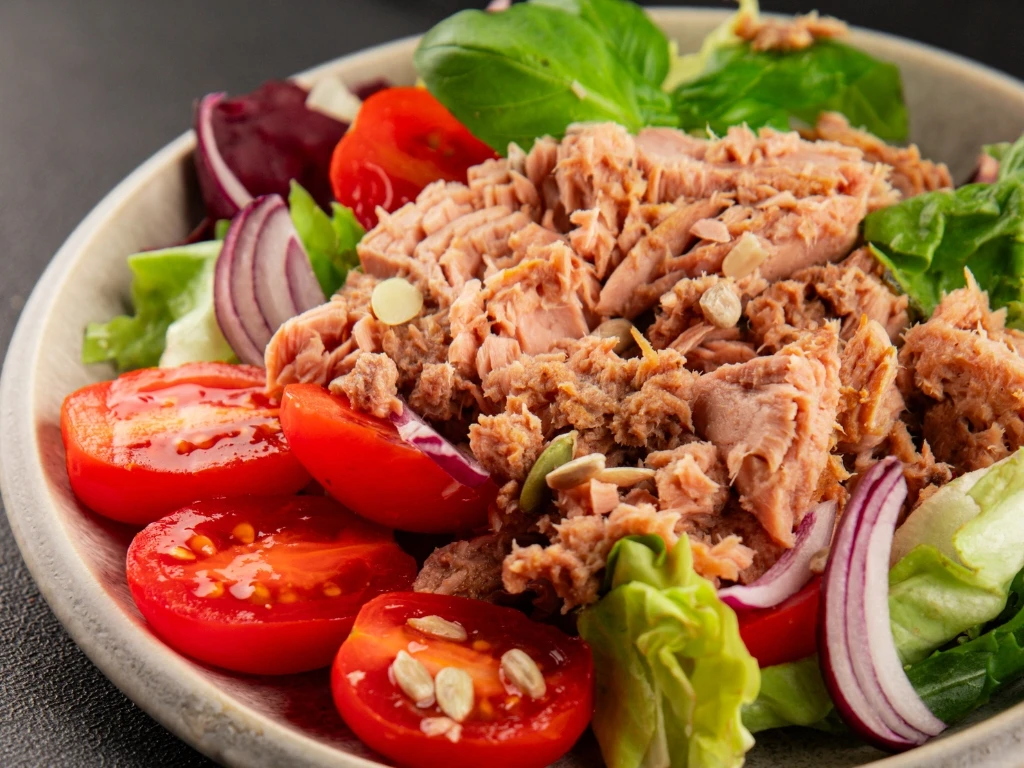
- Lunch: Vegetable salad with tossed chickpea and flaked tuna
- Dinner: Roasted sweet potato and black bean tacos with fresh salsa
- Snack: Crudités and hummus

Day 3
- Breakfast: Wild mushroom and scallion omelet with seared whole grain toast
- Lunch: Butterbean spread with crisp veggies and toasted wholemeal pitta
- Dinner: Eggplant and zucchini gratin with lean ground turkey and kidney beans
- Snack: Pear slices, Greek yogurt, and roasted almonds

Day 4
- Breakfast: Flaxseed-infused summer berry breakfast smoothie with a scoop of protein powder or yogurt added
- Lunch: Country-style root vegetable and lentil potage
- Dinner: Spiced chicken curry paired with sweet pea and cauliflower rice
- Snack: Cup of cottage cheese topped with fruit
Day 5
- Breakfast: Spiced blueberry morning glory baked oats with a tbsp of nut butter
- Lunch: Sharp cheddar, cucumber, and vine-ripened tomato toasted sandwich on whole grain, seeded bread
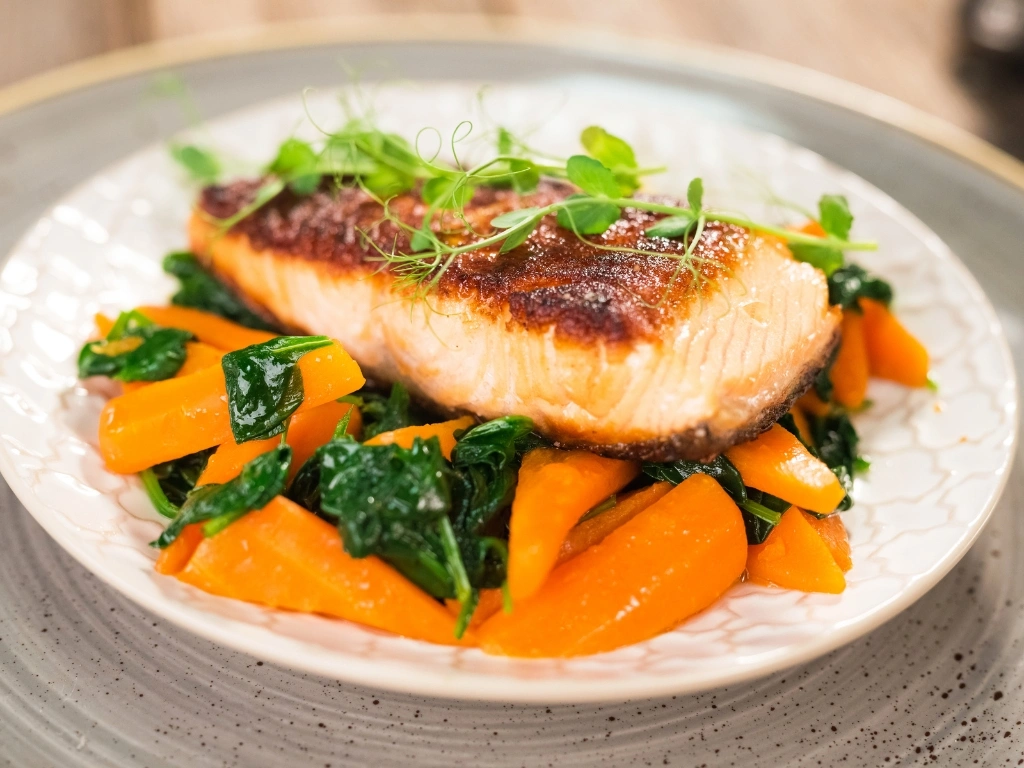
- Dinner: Oven-baked salmon with sweet potato and steamed kale
- Snack: Savory avocado cups served with crispy whole grain crackers and carrots

Day 6
- Breakfast: Earthy mushroom and poached egg open-faced toast with a side of cottage cheese
- Lunch: Cauliflower, leek, and white bean roux with a side of whole-grain biscuit
- Dinner: Butternut squash and chickpea stew with flatbread
- Snack: Snack plate with chickpeas, raspberries, and cheese
Day 7
- Breakfast: Cheddar, mushroom, and baby spinach quiche
- Lunch: Flaked smoked mackerel and arugula tartine on granary bread
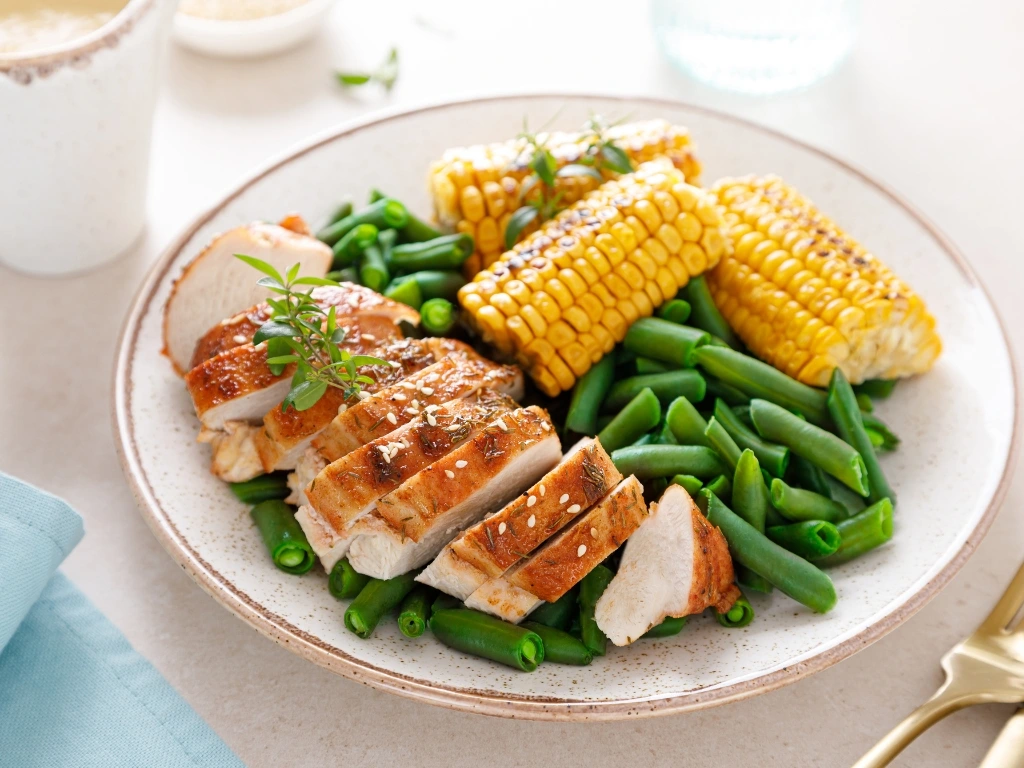
- Dinner: Herb-crusted chicken with tender green beans and corn on the cob
- Snack: Greek yogurt topped with toasted pepitas and fresh berries
Building sustainable habits for long-term weight success
Fiber can be a simple and effective part of a long-term approach to healthy weight management, especially when included consistently as one part of a balanced diet.
It’s important to remember, however, that everyone’s nutritional needs are different, depending on health conditions, lifestyle, and personal goals. This is where you may benefit from personalized support that looks into your personal preferences, health history, and weight goals.
At Health Loft, you can work with registered dietitians who specialize in weight loss and can help you create an individualized eating plan you can actually sustain. As you build a high-fiber meal plan, we help you increase your fiber intake gradually, offering ways to help your digestive system adjust and avoid any feeling of discomfort.
When needed, such as if you’re navigating postnatal weight loss, our experts also collaborate with your healthcare team to ensure that you receive nothing short of well-rounded care. Connect with a Health Loft dietitian to take the first step towards healthy weight management.
This article was reviewed by Solveig Adalsteinsdottir, MS, RDN, LDN. It is intended for informational purposes only and does not replace personalized nutritional advice.