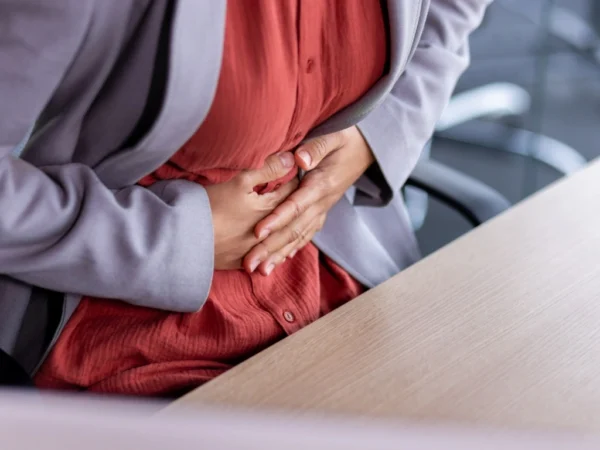









Loose stools are a common digestive issue that can happen to anyone and for many reasons, including but not limited to changes in diet, stress, infections, food intolerances, medications, and underlying digestive conditions.
While they often improve on their own, the foods and drinks you choose can play an important role in managing symptoms and how you recover. Following a sensible diet for loose stools may help reduce digestive discomfort, prevent dehydration, and encourage firmer bowel movements.

What are loose stools, and what causes them?
“Loose stools” is the term used to refer to bowel movements that are softer than usual and may appear watery, mushy, or shapeless. While they can be uncomfortable or inconvenient, they are a common digestive issue that most people experience from time to time.
It’s important to remember that stool consistency can vary naturally. What is considered “normal” differs from person to person, and factors such as diet, hydration, stress, and illness can affect bowel movements from one day to the next.
Occasional loose stools are not always a cause for concern and may resolve on their own. However, if symptoms persist, occur frequently, or are accompanied by warning signs such as blood in the stool, weight loss, or waking during the night to use the bathroom, it’s important to seek medical advice.
Common causes of loose stools include:
- Viral or bacterial infections
- Food intolerances, such as lactose intolerance
- Stress and anxiety
- Certain medications
- Digestive conditions, including irritable bowel syndrome (IBS), inflammatory bowel disease (IBD), and celiac disease
Are loose stools and diarrhea the same?
Loose stools and diarrhea are not the same, but they are closely related. Loose stools essentially play a part in diarrhea as a digestive symptom. To qualify as diarrhea, the bowel movement must involve three or more loose stools in a single day.
The main differences come down to consistency, frequency, and duration. Someone with loose stools may notice softer bowel movements occasionally without any other symptoms. Diarrhea is generally more severe, often causing repeated trips to the bathroom and making it difficult to hold a bowel movement.
Because diarrhea involves increased fluid loss, it can raise the risk of dehydration, especially in children, older adults, and people with weakened immune systems. While a brief episode often resolves on its own, diarrhea that lasts several days or keeps returning may signal an underlying condition and should be discussed with a healthcare professional.
Healthy diet for loose stools or diarrhea: best foods to eat
If you’re wondering what to eat when you have diarrhea or loose stools, focusing on easy-to-digest foods and staying hydrated is often a good place to start.
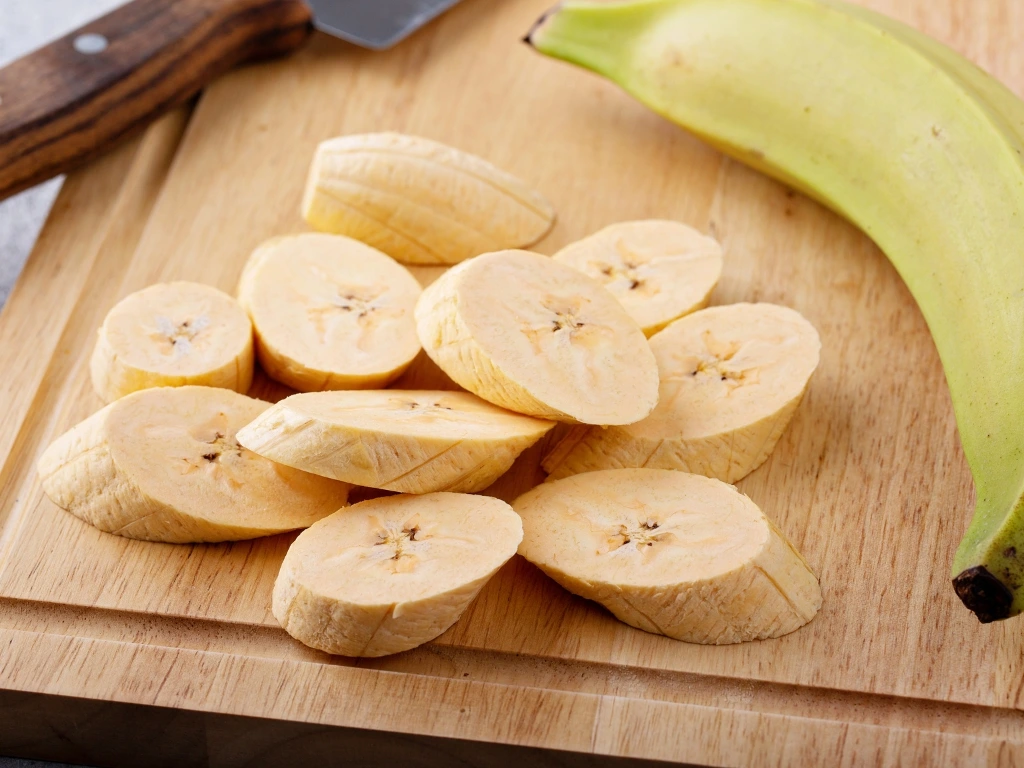
Bananas, rice, applesauce, toast (BRAT)
The BRAT diet was once the most commonly recommended approach to managing loose stools or diarrhea, but nowadays, experts are advising a broader, less restrictive diet.
The BRAT diet stands for:
- Bananas (preferably slightly unripe or green)
- Rice
- Applesauce
- Toast (white bread)
While they don’t necessarily stop diarrhea quickly, these bland, starchy foods are easy on the digestive system and may help ease episodes of diarrhea or stomach upset for the first one to two days.
It’s important to note, however, that a BRAT diet isn’t nutritionally complete and should not be observed longer than two days.
Bananas and applesauce both contain pectin, a soluble fiber that absorbs excess fluid in the gut, helping firm up loose stools.
Banana is also high in potassium, an electrolyte that can help replenish what you lose when you have diarrhea. On the other hand, applesauce provides carbohydrates and, therefore, energy without straining your stomach.
Plain, white rice and bread (toasted or eaten as is) are both highly digestible starches that further add bulk to the stool without contributing insoluble fibers found in whole grains that may irritate the gut.
Despite these benefits, continued reliance on the BRAT diet alone for more than the prescribed period of use may result in malnutrition, low energy, and dehydration.
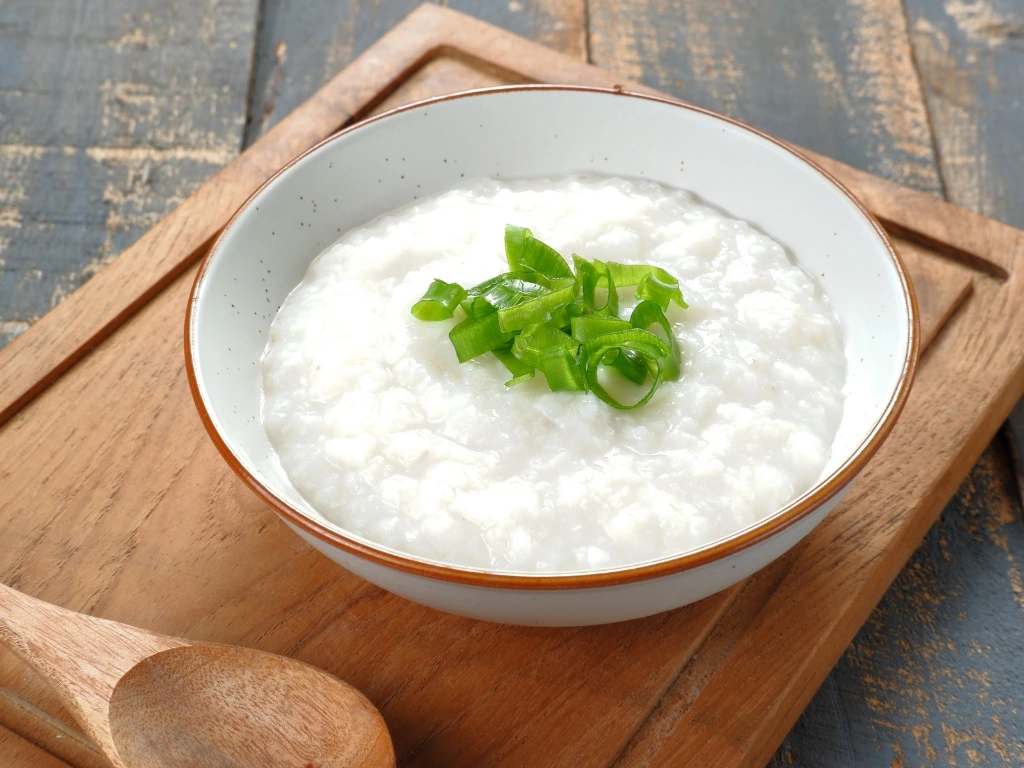
Other bland foods
Given that the BRAT diet may be restrictive when observed on its own, it’s also worth including other bland, easy-to-digest foods:
- Broth-based soups
- Oatmeal (rolled oats or instant)
- Crackers (plain salted)
- Dry cereals (unsweetened)
- Congee or rice porridge
- Plain white pasta
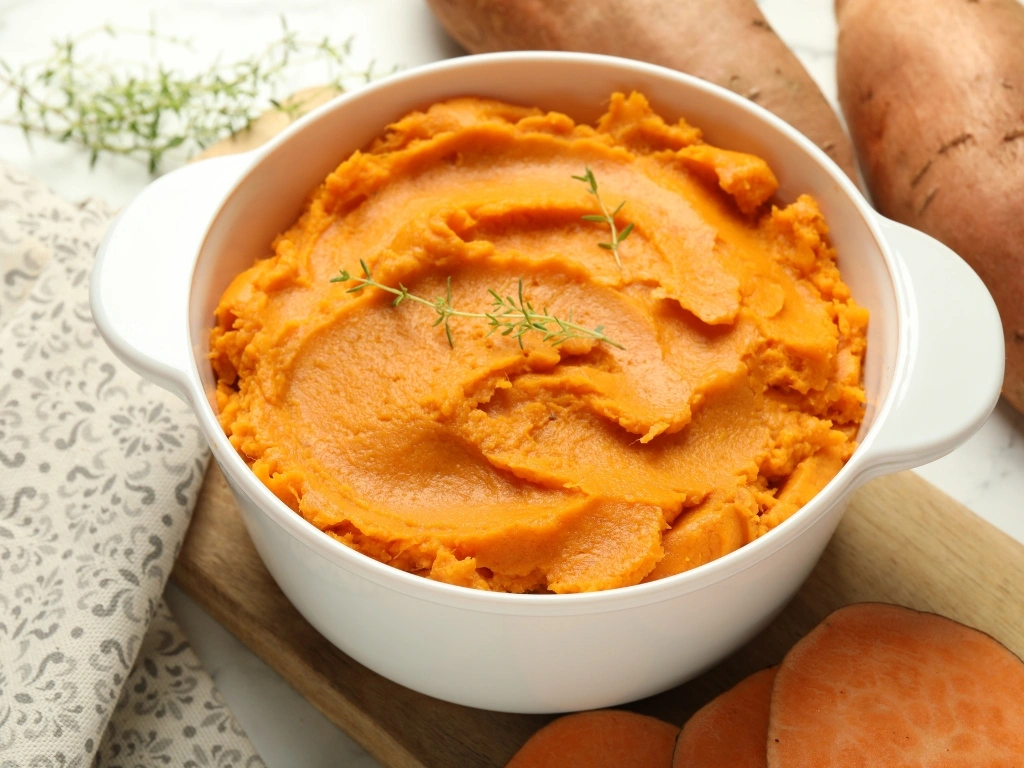
Gut-friendly protein and soluble fiber sources
A healthy diet for loose stools should also incorporate a wider variety of gentle but nutrient-providing foods. As symptoms improve, make sure to gradually reintroduce digestion-friendly options that contain protein and other nutrients necessary for recovery, as well as soluble fiber to absorb excess water in the intestines and firm up stools.
Some choices you can easily access are:
- Carrots (cooked)
- Squash or pumpkin
- Potatoes or sweet potatoes (without the skin)
- Avocado
- Chicken breast or turkey (skinless)
- Fish
- Egg
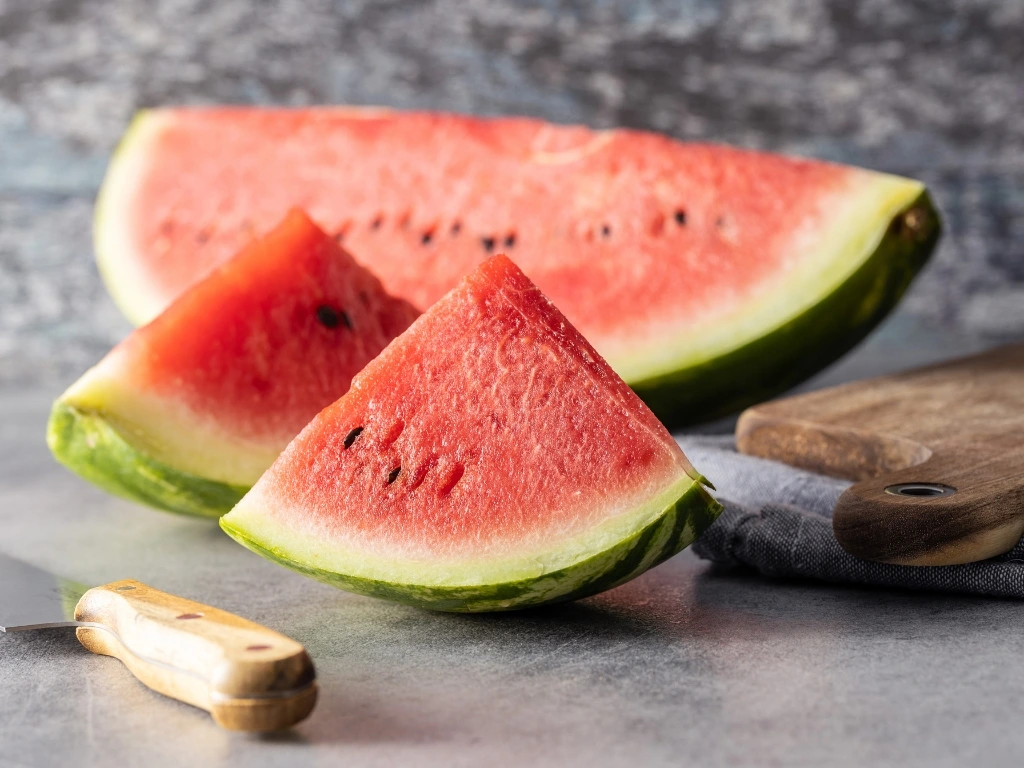
Hydrating or electrolyte-rich foods and beverages
Because loose stools, especially diarrhea, can lead to dehydration, staying hydrated and replenishing lost electrolytes are a crucial part of recovery.
Taking small sips of water regularly throughout the day may be more tolerable for the stomach than drinking large glasses at once.
In addition to drinking water, a diet for loose stools can include water-rich or electrolyte-providing choices that can help replace fluids lost through diarrhea, such as:
- Broth-based soups
- Miso soup
- Watermelon
- Strawberries
- Coconut water
- Oral rehydration solutions
- Electrolyte drinks (Gatorade, Pocari Sweat)
Dietary habits that may support firmer stools
While food choices matter, improving daily eating habits is another way to firm up stools and support digestive recovery. Consider these simple strategies:
- Eat smaller, more frequent meals. Large meals can sometimes overwhelm the digestive system. Having five to six smaller meals throughout the day may be easier to tolerate.
- Introduce probiotics gradually. Certain probiotic-rich foods or supplements may help restore a healthy balance of gut bacteria. Start slowly and monitor how your body responds.
- Limit greasy, fried, and heavily seasoned foods. These foods can irritate the digestive tract and may worsen loose stools during flare-ups.
- Keep a food and symptom journal. Tracking what you eat and how you feel can help identify personal triggers.
- Be cautious with common food triggers. Caffeine, alcohol, and very sugary foods or drinks may stimulate the bowels and contribute to ongoing digestive symptoms in some people. While you don’t need to completely remove them from your diet, it may be a good idea to avoid them while recovering from diarrhea.
When to seek help for loose stools or diarrhea
A healthy diet can be vital for loose stools, but if your stomach upset doesn’t improve or appears to worsen, it may be time to see a healthcare provider. Seek help if loose stools last more than two days or if you experience the following symptoms:
- High fever
- Bloody stool
- Severe abdominal pain
Support digestive recovery with the right nutrition choices
While this diet for loose stools may help manage symptoms, it’s not the be-all and end-all, especially if loose stools progress into diarrhea or tend to recur. It may be worth looking into potential underlying causes and working with a registered dietitian to treat these factors.
At Health Loft, our dietitians who specialize in gastrointestinal conditions can help review your symptoms, eating habits, and medical history and develop a personalized nutrition plan that supports long-term digestive health. When appropriate, our experts can also work alongside your physician and other healthcare providers to ensure that the digestive care you receive is comprehensive and effective.
Book your first consultation with a Health Loft dietitian at $0, depending on your insurance coverage, and begin your journey to better digestive health.
This article was reviewed by Katie Whitson, RD, LD. It is intended for informational purposes only and does not replace personalized nutritional advice.