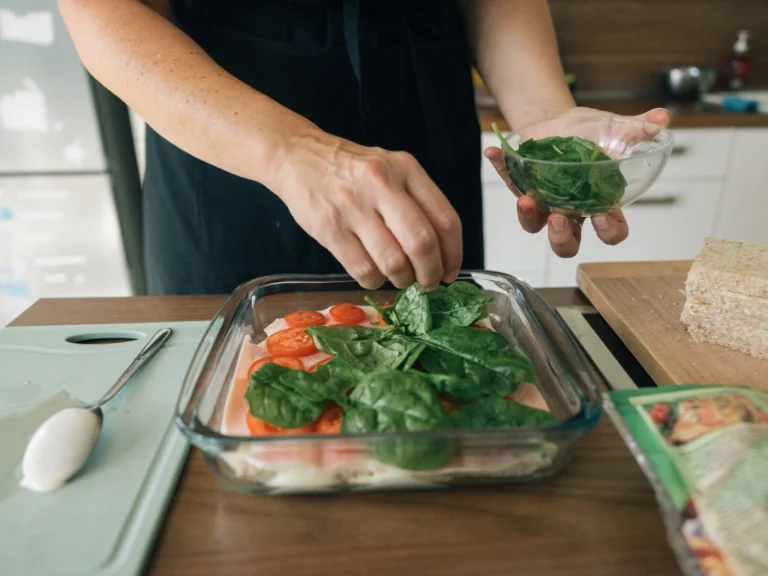









Eating is something most of us rarely think twice about until it becomes difficult. During pancreatic cancer treatment, meals that once felt routine can suddenly require much more effort. Appetite may disappear, favorite foods may no longer sound appealing, and digestive symptoms can make it harder to eat enough to maintain weight and strength.
If you’re finding it challenging to know what or how much to eat, that experience is very common. A balanced pancreatic cancer diet is not about following strict food rules. Instead, it focuses on helping you get the nutrition your body needs in ways that feel realistic and manageable.
This guide covers foods that are commonly recommended during treatment, along with a flexible, seven-day meal plan that can be adjusted based on your appetite, symptoms, and preferences.
How does pancreatic cancer affect nutrition?
The pancreas itself plays an important role in digestion by producing enzymes that help break down fats, proteins, and carbohydrates. When pancreatic function is affected, nutrient absorption may become more difficult.
Some people experience symptoms such as:
- Bloating
- Gas
- Diarrhea
- Greasy stools
- Unexplained weight loss
In some cases, healthcare providers prescribe pancreatic enzyme replacement therapy (PERT) to help improve digestion and nutrient absorption.
The pancreas also helps regulate blood sugar. Depending on the location of the tumor, surgery, or treatment plan, some individuals may experience changes in blood sugar levels that affect energy, appetite, and meal planning.
These shifts in glucose levels may also lead to a new onset of diabetes or worsen the condition in individuals who already have the diagnosis.
Unintended weight loss is another common nutritional concern associated with pancreatic cancer. When calorie and protein intake fall short, the body may begin to lose both fat and muscle.
For many people, eating enough becomes a priority, even if meals look different from those they had before diagnosis. Adequate nutrition, especially with an emphasis on protein-rich foods and nutrient-dense meals, helps promote:
- Steady energy levels
- Muscle maintenance
- Strength and recovery
- Everyday functioning
- Tolerance of the cancer treatment
Common eating challenges during pancreatic cancer treatment
Understanding why nutrition matters is only part of the picture. It’s equally important to recognize the challenges that can make eating difficult in the first place:
Appetite loss
Many people find they simply do not feel hungry enough to eat regular meals. This may be due to changes in taste or smell, which are common side effects of chemotherapy that may influence their appetite.
Skipping meals can make it harder to meet calorie and protein needs, so smaller meals and snacks throughout the day are often encouraged.
Early fullness
Some individuals feel full after only a few bites of food. When this happens, prioritizing protein and calorie-dense foods can help maximize nutrition without requiring large portions.
Fatigue
Preparing meals can feel overwhelming when energy levels are low. Having simple, convenient foods available can make it easier to eat consistently.
Digestive discomfort
Nausea, bloating, diarrhea, or changes in digestion can affect food choices and appetite. Some people tolerate softer foods, smaller portions, or simpler meals better during difficult periods.
Because symptoms and food tolerances can change throughout treatment, flexibility is important. Still, there are certain foods that are commonly included in a pancreatic cancer diet because they help provide protein, energy, hydration, and other essential nutrients.
Pancreatic cancer diet food list: what to eat during treatment
Nutritional needs can change throughout treatment, and difficulties with eating often vary from person to person. That said, most pancreatic cancer nutrition plans prioritize foods that help support weight maintenance, muscle preservation, hydration, and overall nourishment.
Protein-rich foods
Protein is often the foundation of a pancreatic cancer diet because it helps support muscle maintenance and recovery. It’s central to the repair process of cells damaged during treatment and keeps the body strong enough to tolerate chemotherapy or radiation therapy.
Good options you can include in your diet:
- Eggs
- Chicken
- Turkey
- Fish
- Greek yogurt
- Cottage cheese
- Tofu
- Nut butters
- Protein shakes, if recommended
Nutrient-dense carbohydrates
Carbohydrates serve as an important source of energy for people with pancreatic cancer, as the body constantly needs more glucose to function. They also provide calories that can help prevent unintended weight loss.
However, don’t reach for just any carbohydrate. For a pancreatic cancer diet, choose nutrient-dense options such as:
- Oatmeal
- Rice
- Quinoa
- Potatoes
- Whole-grain bread
- Pasta
- Crackers
While whole grains and higher-fiber foods work well for some people, others may find that they worsen bloating, gas, or diarrhea. If digestive symptoms are significant, lower-fiber options such as white rice, sourdough bread, pasta, or peeled, cooked vegetables may feel easier to tolerate until symptoms improve.
Healthy fats
Healthy fats provide concentrated calories, which can be helpful when appetite is limited. However, some people with pancreatic cancer have difficulty digesting fats, particularly if pancreatic enzyme production is reduced.
Examples include:
- Avocados
- Olive oil
- Nut butters
- Nuts
- Seeds
If fatty foods worsen symptoms such as bloating, diarrhea, or greasy stools, discuss this with your healthcare team.
Fruits and vegetables
Fruits and vegetables provide vitamins, minerals, antioxidants, and fiber that can help reduce systemic inflammation, boost the immune system, improve digestion, and insulin metabolism, which is vital given how pancreatic cancer can disrupt how the body processes sugar.
Examples include:
- Bananas
- Berries
- Melons
- Applesauce
- Carrots
- Sweet potatoes
- Spinach
- Squash
Cooked fruits and vegetables may feel easier to tolerate when digestion is sensitive.
Hydrating foods and beverages
Hydration remains important during treatment, as chemotherapy and radiation therapy may result in dehydration due to side effects like nausea, diarrhea, and vomiting.
Round out your pancreatic cancer diet with these hydrating options:
- Water
- Milk
- Smoothies
- Soups
- Herbal tea
- Broth-based meals
7-day pancreatic cancer diet meal plan
Putting nutrition advice into practice can feel overwhelming, especially when your appetite changes from day to day. The sample meal plan below shows what a balanced pancreatic cancer diet might look like in real life. Use it as a starting point rather than a strict set of rules. Meals can be repeated, swapped, simplified, or adjusted based on how you’re feeling.

Day 1
- Breakfast: Greek yogurt with berries and granola
- Lunch: Turkey and avocado panini with butternut squash soup
- Dinner: Salmon with rice and roasted carrots
Day 2
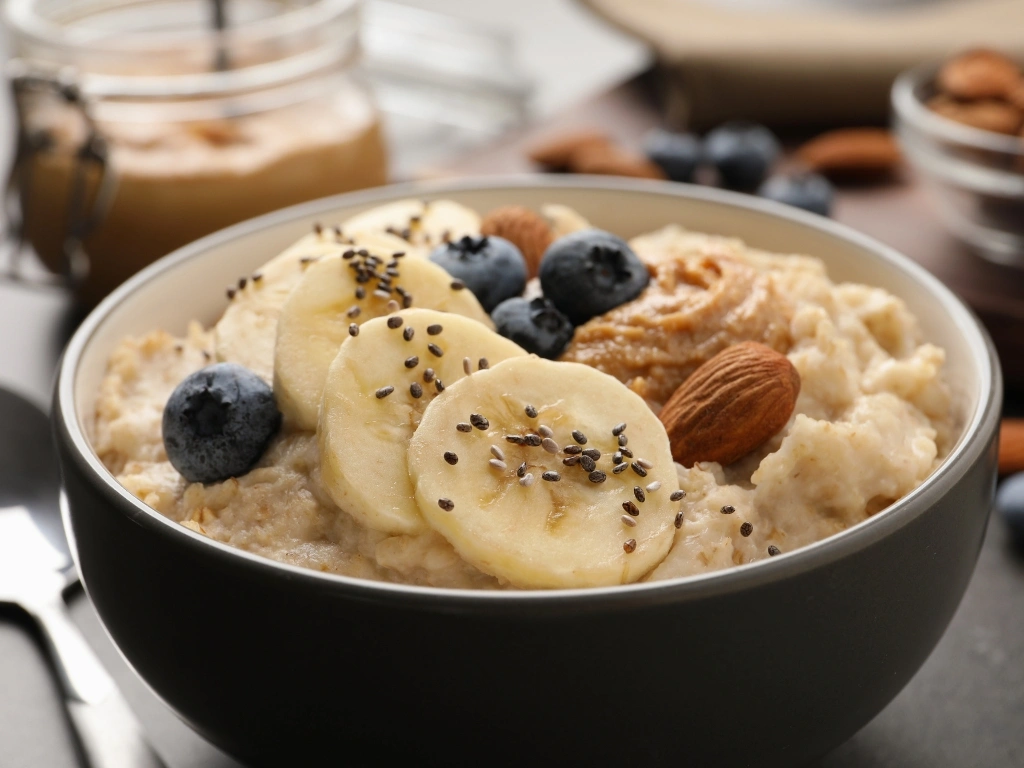
- Breakfast: Oatmeal made with milk, topped with banana, fresh blueberries, almonds, and almond butter
- Lunch: Chicken and rice bowl with stir-fried vegetables
- Dinner: Baked cod with mashed potatoes and green beans
Day 3
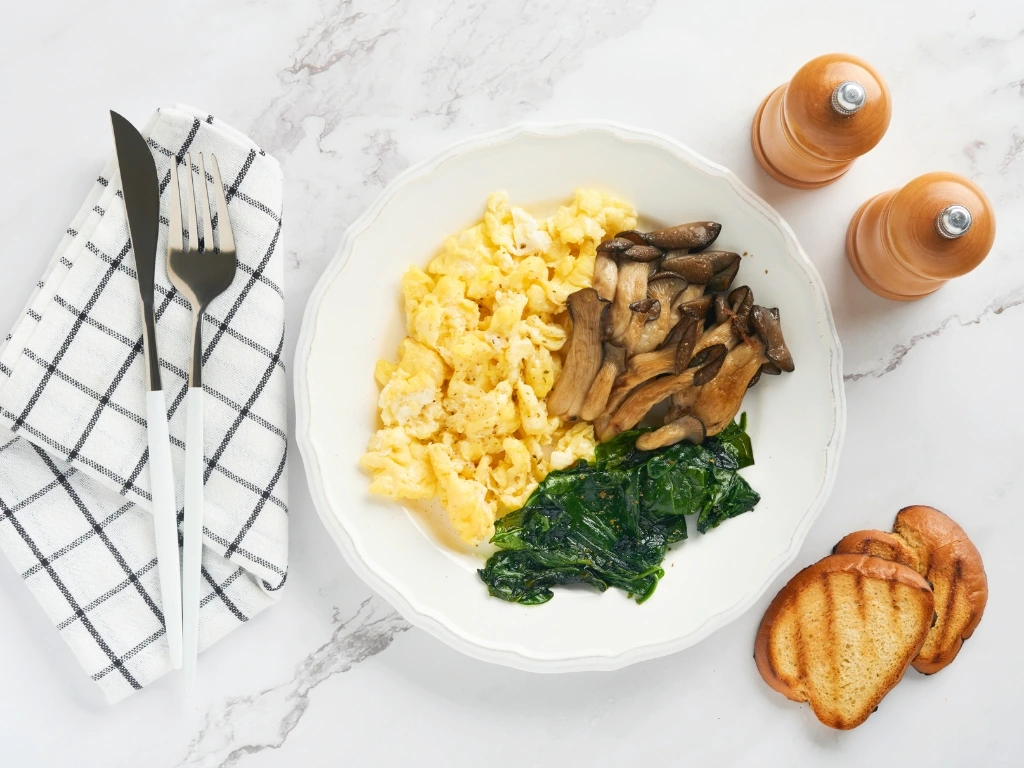
- Breakfast: Scrambled eggs, sautéed spinach and mushrooms, and whole-grain toast
- Lunch: Tuna pasta salad with cucumbers and olive oil dressing
- Dinner: Ground turkey with roasted sweet potatoes and zucchini
Day 4
- Breakfast: Cottage cheese with berries and chopped walnuts
- Lunch: Lentil soup with crackers and soft cheese
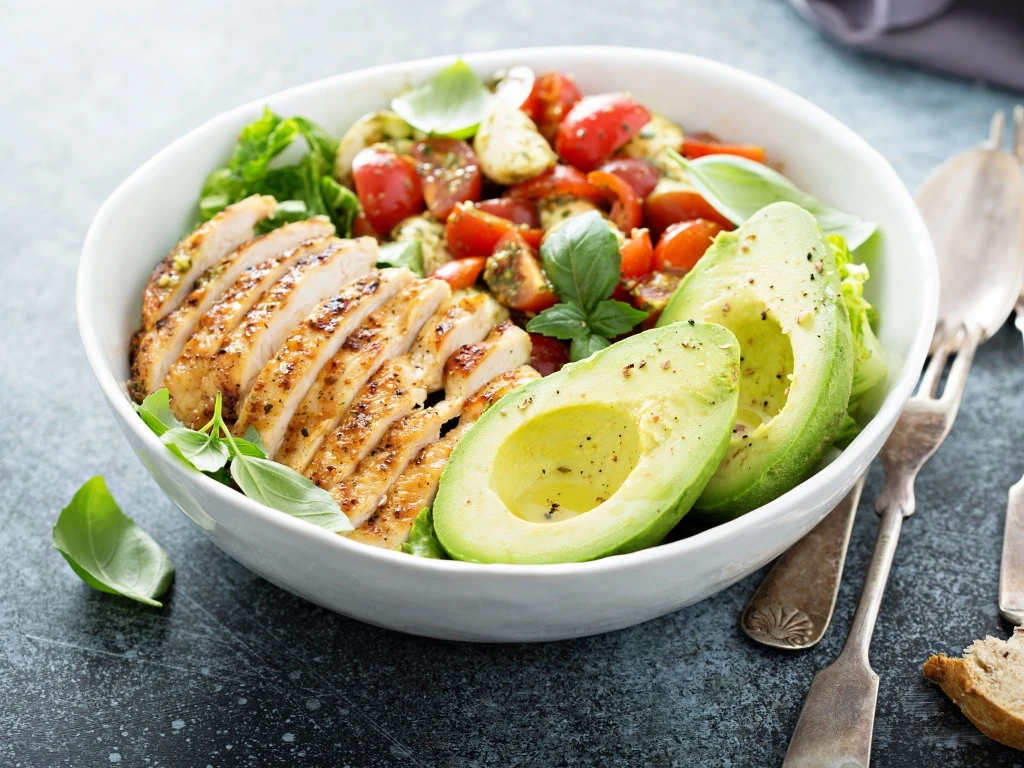
- Dinner: Grilled chicken with avocados, tomatoes, and leafy vegetables
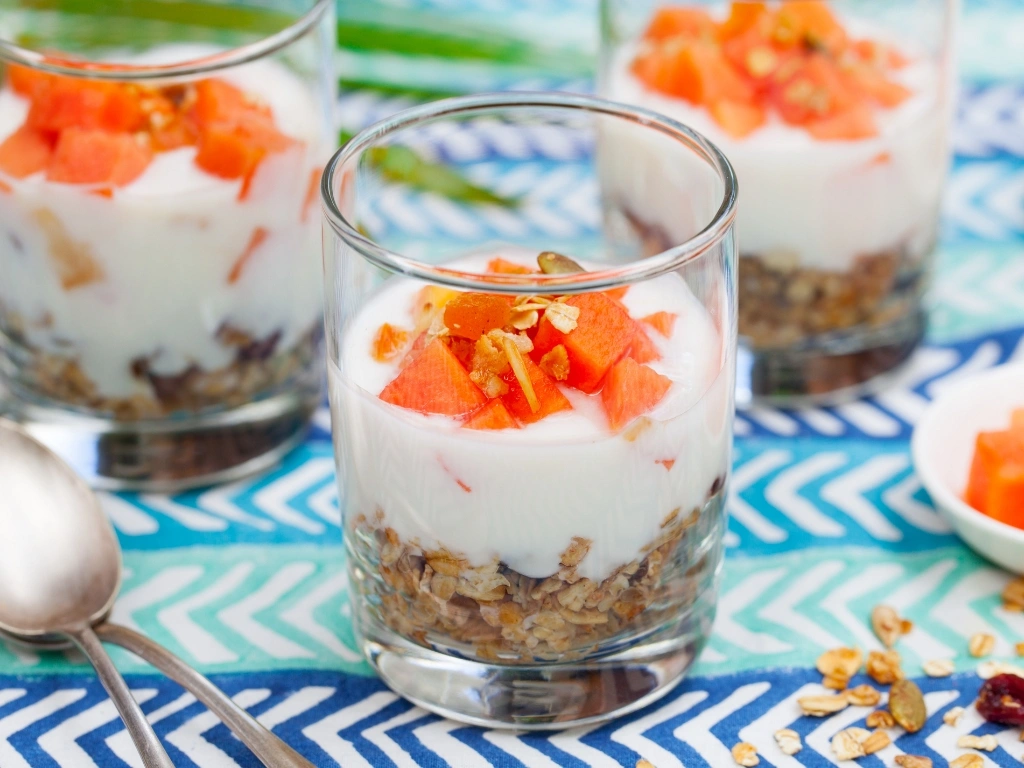
Day 5
- Breakfast: Greek yogurt parfait with papaya and oats
- Lunch: Egg salad sandwich with melon
- Dinner: Tilapia with rice and steamed carrots
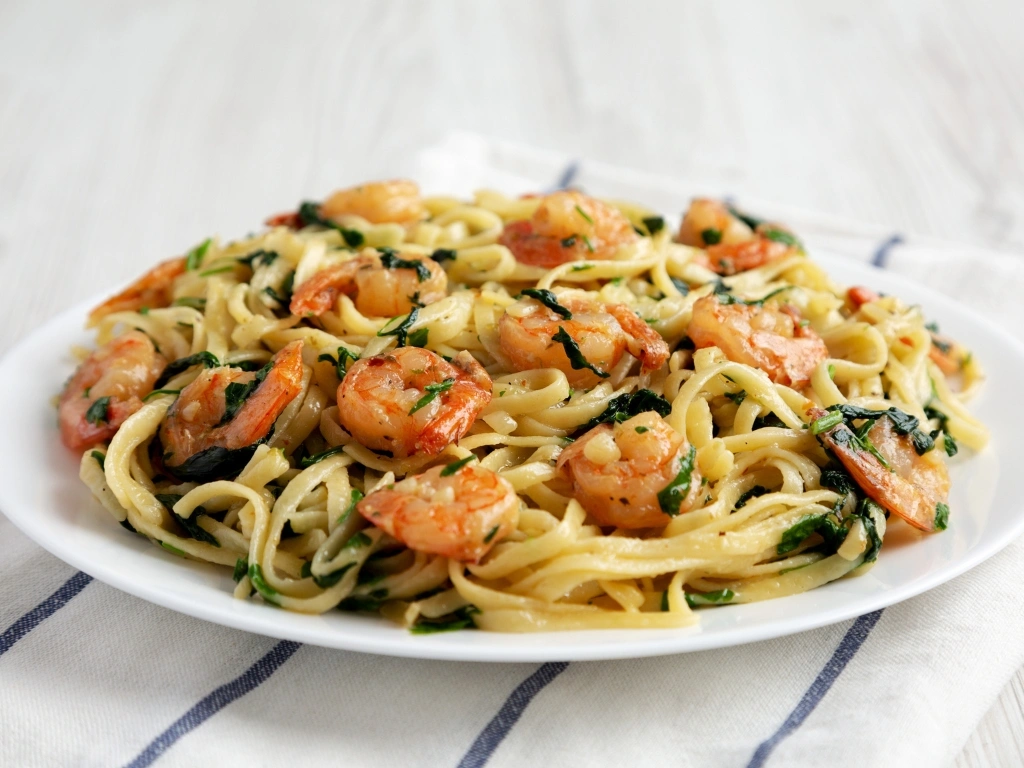
Day 6
- Breakfast: Vegetable omelet with toast
- Lunch: Hummus and avocado wrap with baked eggplant, zucchini, and red peppers
- Dinner: Shrimp pasta tossed with olive oil and spinach
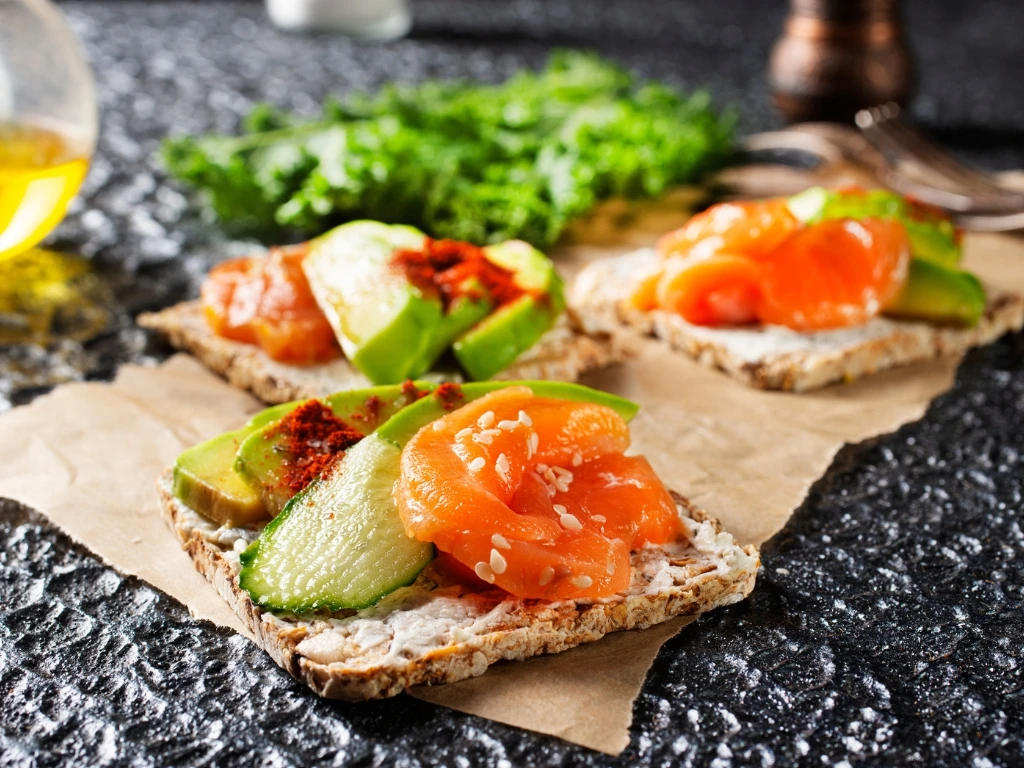
Day 7
- Breakfast: Oatmeal with walnuts and berries
- Lunch: Salmon salad on crispbread
- Dinner: Turkey meatballs with pasta and roasted Brussels sprouts and cauliflower
Tips for adjusting meals when symptoms change
It’s also important to remember that the “best” foods during treatment are often the foods you can comfortably eat, digest, and tolerate, but no meal plan works perfectly every day.
On days when symptoms are more challenging due to treatment side effects or appetite changes, simpler foods may be more helpful than trying to follow an ideal eating pattern.
Here’s how you can adjust meals based on what you’re feeling:
If appetite is low
- Eat every two to three hours instead of waiting until you’re hungry
- Focus on protein-rich foods first
- Use smoothies or liquid nutrition options if solid foods feel difficult
If you feel full quickly
- Choose smaller meals more often throughout the day
- Try drinking most fluids between meals rather than during meals, as large amounts of liquid can contribute to early fullness
- Prioritize calorie-dense foods that provide more nutrition in smaller portions
If digestion becomes difficult
- Take pancreatic enzymes exactly as prescribed
- Choose simpler meals when symptoms flare up
- Inform your healthcare team about persistent digestive symptoms, particularly greasy/floating stools, diarrhea, bloating, or ongoing weight loss (these symptoms can indicate insufficient pancreatic enzyme)
If nausea makes eating difficult
- Try cold or room-temperature foods
- Avoid strong cooking odors when possible
- Keep easy-to-tolerate foods on hand, such as crackers, toast, or applesauce

Build a pancreatic cancer diet that works for your needs
If you’ve noticed that eating feels different from one week to the next, that’s completely normal. Nutrition needs often shift throughout pancreatic cancer treatment as symptoms, energy levels, digestion, and treatment schedules change.
The most effective diet for people with pancreatic cancer is one that supports their nutritional needs while fitting their symptoms, preferences, and daily routine. Some days, that may mean nutrient-dense meals made from scratch. Other days, you may feel better relying on simpler foods that are easier to eat and digest. Both approaches can support your nutrition goals during treatment.
At Health Loft, our registered dietitians specializing in cancer nutrition provide personalized guidance tailored to your treatment plan and individual needs. We work alongside your healthcare team to help address challenges such as weight loss, digestive symptoms, poor appetite, and meal planning concerns.
Whether you’re looking for practical meal ideas, support with symptom management, or guidance on maintaining adequate nutrition during treatment, Health Loft can help. Reach out to Health Loft today to connect with a registered dietitian and receive personalized support.
This article was reviewed by Katie Whitson, RD, LD. It is intended for informational purposes only and does not replace personalized nutritional advice.