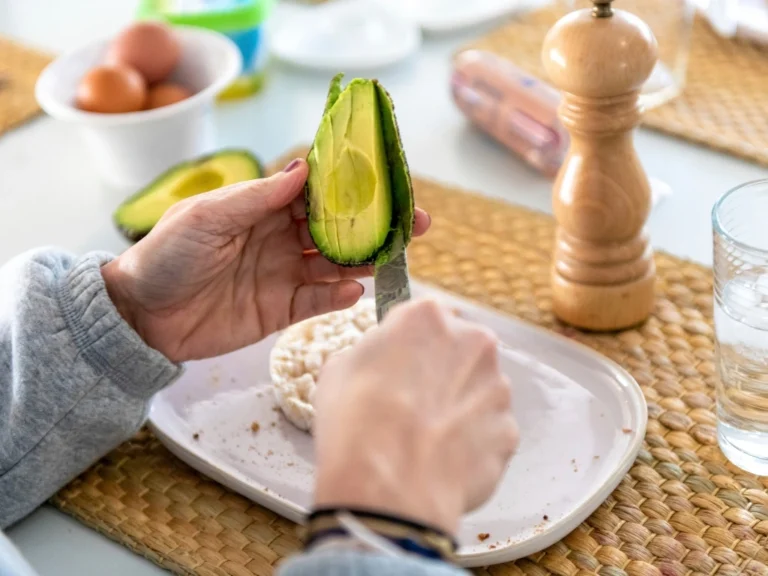









Many people invest heavily in creams, serums, and skincare treatments in hopes of getting clearer, smoother skin. But more often than not, one important factor gets overlooked: nutrition.
Although topical products can help support the skin’s appearance, what you eat plays a role in how your skin functions, repairs itself, and responds to everyday stressors. This article explores how a balanced diet supports skin health and the essential nutrients that help keep the skin functioning at its best.

How does nutrition help improve skin health?
Your skin is the body’s largest organ, and like every other organ, it relies on proper nutrition to function properly.
Maintaining a balanced diet brings the following skin health benefits:
- Support the body’s natural production of collagen, which is the structural protein responsible for the skin’s strength, elasticity, and firmness
- Maintain the skin barrier and regulate hydration to prevent moisture loss
- Protect against environmental stressors, such as pollution, ultraviolet exposure, and oxidative stress
- Encourage continuous repair of the entire skin
Research also shows that dietary patterns may influence the overall appearance and comfort of the skin. For instance, diets high in heavily processed foods and low in nutrient-dense options may contribute to dryness, dullness, or inflammation in some individuals.
On the contrary, a balanced, skin-healthy diet that includes whole foods, healthy fats, fruits, vegetables, and adequate hydration may help support better-looking skin over time.
What are some key nutrients and healthy foods for your skin?
Skin function depends on many nutrients working together to support hydration, structure, elasticity, and protection from external stressors. No single vitamin, mineral, or supplement can transform skin health on its own, which is why experts generally advise improving overall eating patterns instead of hinging your bets on one “miracle” ingredient.
A balanced diet for skin health is best built around whole, minimally processed foods containing the following helpful nutrients:
Vitamin A
Vitamin A and carotenoids help support skin repair, immune defense, and healthy skin turnover. Research also suggests carotenoids may help reduce oxidative stress caused by UV exposure.
Some good vitamin A sources you can easily add to meals are:
- Carrots
- Sweet potatoes
- Spinach
- Kale
- Parsley
- Eggs
Vitamin C
Vitamin C is essential for collagen production and helps protect skin from oxidative damage. It also supports hydration and may help maintain a more even-looking complexion.
Get your dose of vitamin C from the following sources:
- Citrus fruits
- Blackcurrants
- Strawberries
- Kiwi
- Bell peppers
- Broccoli
Vitamin D
Vitamin D plays a role in immune function, inflammation regulation, and wound healing. The skin can produce vitamin D from sunlight exposure, although production may decline with age.
Some foods you can rely on for vitamin D include:
- Wild-caught fatty fish, such as salmon, mackerel, and sardines
- Egg yolks
- Fortified milk
- Plant-based beverages
Vitamin E
Vitamin E is an antioxidant that helps protect skin lipids and collagen from oxidative stress. It may also help support the skin barrier and reduce inflammation.
Boost your vitamin E intake with easy food additions like:
- Almonds
- Sunflower seeds
- Avocados
- Olive oil
Minerals (especially zinc, copper, and selenium)
Several minerals contribute to skin structure, healing, and antioxidant defense. Zinc is especially important, as it helps regulate oil production, decreases redness, fights inflammation, supports acne healing, and is crucial for healing injuries.
Selenium helps certain antioxidants protect the skin from ultraviolet radiation and environmental stress, essentially acting as a defense against sun damage.
Meanwhile, copper helps improve the strength, firmness, and elasticity of skin, due to its collagen remodeling and elastin synthesis, reducing the appearance of wrinkles.
Get these minerals from foods such as:
- Shellfish, especially oysters
- Organ meats, especially beef liver
- Lean meat and poultry
- Nuts, especially Brazil nuts
- Pumpkin seeds
- Dark chocolate
Essential fatty acids
Omega-3 and omega-6 fatty acids help maintain the skin barrier, support hydration, and regulate inflammatory responses. Having enough of these healthy fats may help reduce dryness and irritation.
These fats are commonly found in foods like:
- Oily fish, such as anchovies, tuna, and halibut
- Seeds, such as flaxseed (ground), chia seeds, and sunflower seeds
- Nuts, such as walnuts, almonds, and cashews
- Tofu
- Vegetable oils, such as soybean oil, corn oil, or sunflower oil
- Poultry and pork (preferably grass-fed)
Flavonoids
Flavonoids and other plant compounds help protect the skin from oxidative stress and may support collagen and elastin integrity. Many colorful plant foods contain these protective compounds.
Some good examples are:
- Berries
- Grapes
- Green tea
- Onions
- Apples
- Leafy greens
Protein
Proteins provide the amino acids needed to build, maintain, and repair the structural framework of skin tissue. Key proteins like collagen, elastin, and keratin prevent sagging and wrinkles while supporting the skin’s barrier function and hydration.
Peptides, which are considered the building blocks of protein, are also widely studied for their role in prompting skin cells to produce more collagen and elastin. By helping rebuild these proteins, peptides help firm up and strengthen the skin, improve its texture, and reduce inflammation.
Proteins that may be beneficial for skin health include:
- Eggs
- Lean poultry, such as chicken or turkey
- Greek yogurt
- Soy
- Oat
- Pulses, such as chickpea, beans, and peas
Balanced 7-day diet plan for healthier-looking skin
How does a balanced diet for skin health look when translated into daily meals? Below is a simple meal plan centered on colorful produce, healthy fats, whole grains, and quality proteins and carbohydrates that offer many of the nutrients associated with skin health.
Day 1
- Breakfast: Porridge made with milk, topped with blueberries, almonds, and ground flaxseed
- Lunch: Wholegrain pita with hummus, spinach, tomatoes, and grilled chicken
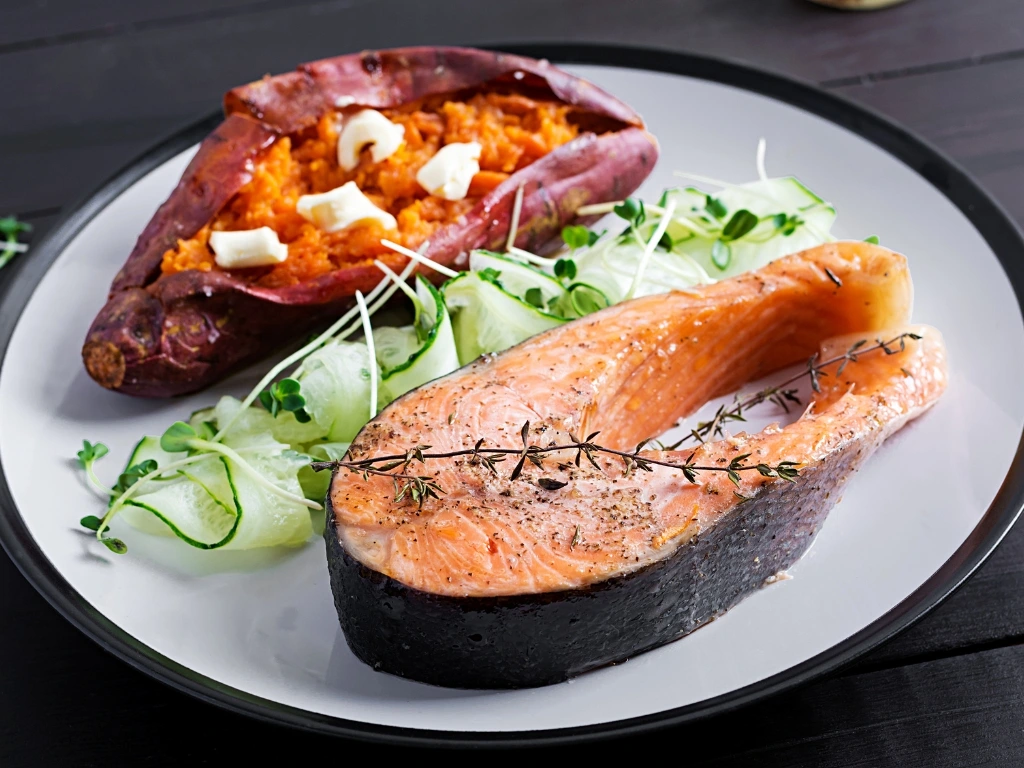
- Dinner: Baked sockeye salmon with roasted sweet potatoes, cucumber, and olive oil
- Snack: Red grapes and walnuts
Day 2
- Breakfast: Wholegrain toast with avocado, poached egg, and sliced tomato
- Lunch: Lentil and vegetable soup with carrots, leafy greens, and extra virgin olive oil
- Dinner: Sardines with brown rice and sautéed broccoli
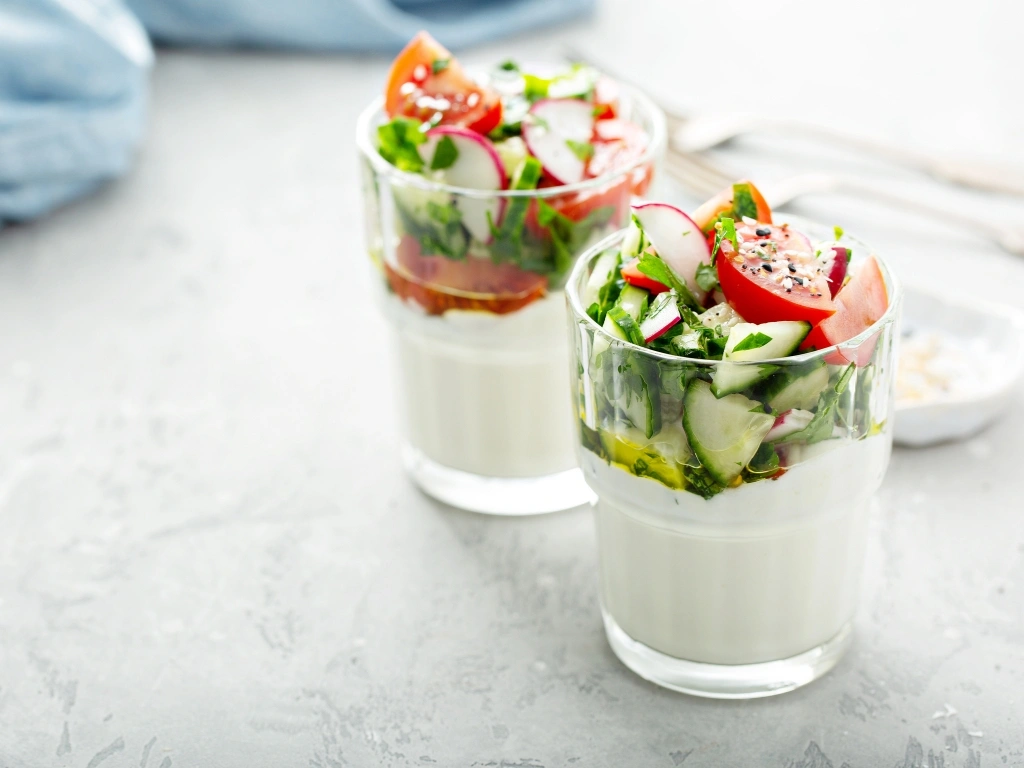
- Snack: Garden vegetable salad cup with tzatziki

Day 3
- Breakfast: Smoothie with kefir, kale, banana, cocoa powder, and chia seeds
- Lunch: Whole-grain wrap with canned tuna, lettuce, cucumber, and olive oil dressing
- Dinner: Chicken stir-fry with colorful vegetables and quinoa
- Snack: Fresh strawberries and almonds
Day 4
- Breakfast: Wholegrain cereal with milk, kiwi, and pumpkin seeds
- Lunch: Chickpea salad with parsley, tomatoes, cucumber, feta, and olive oil
- Dinner: Grilled mackerel with roasted zucchini and brown rice
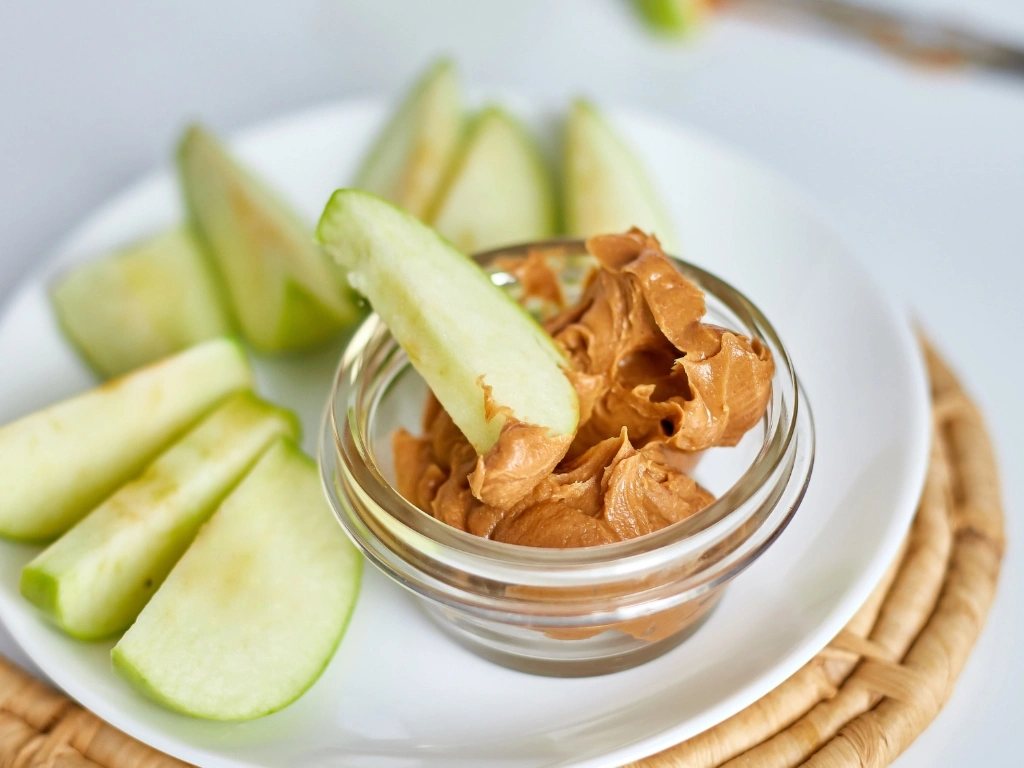
- Snack: Apple slices with natural peanut butter
Day 5
- Breakfast: Scrambled eggs with spinach, mushrooms, and wholegrain toast
- Lunch: Couscous salad with leafy greens, olives, tomatoes, and grilled salmon
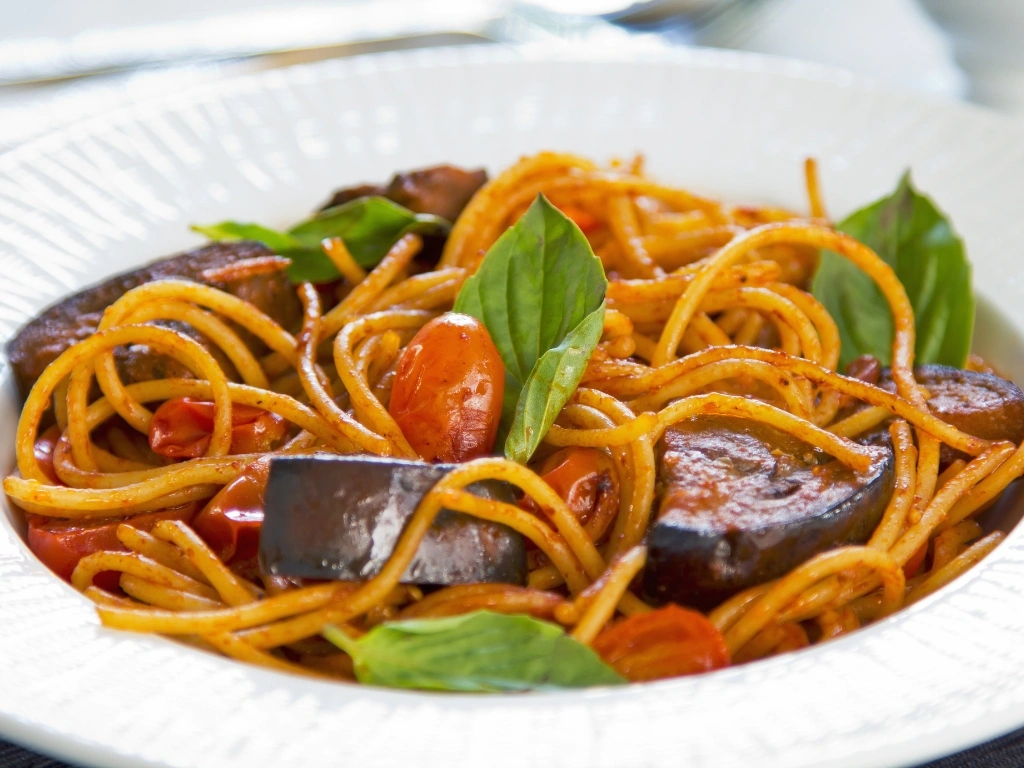
- Dinner: Whole-grain pasta with tomato sauce, and roasted eggplant
- Snack: Blackberries and pistachios
Day 6
- Breakfast: Bircher muesli with oats, chopped walnuts, and raspberries
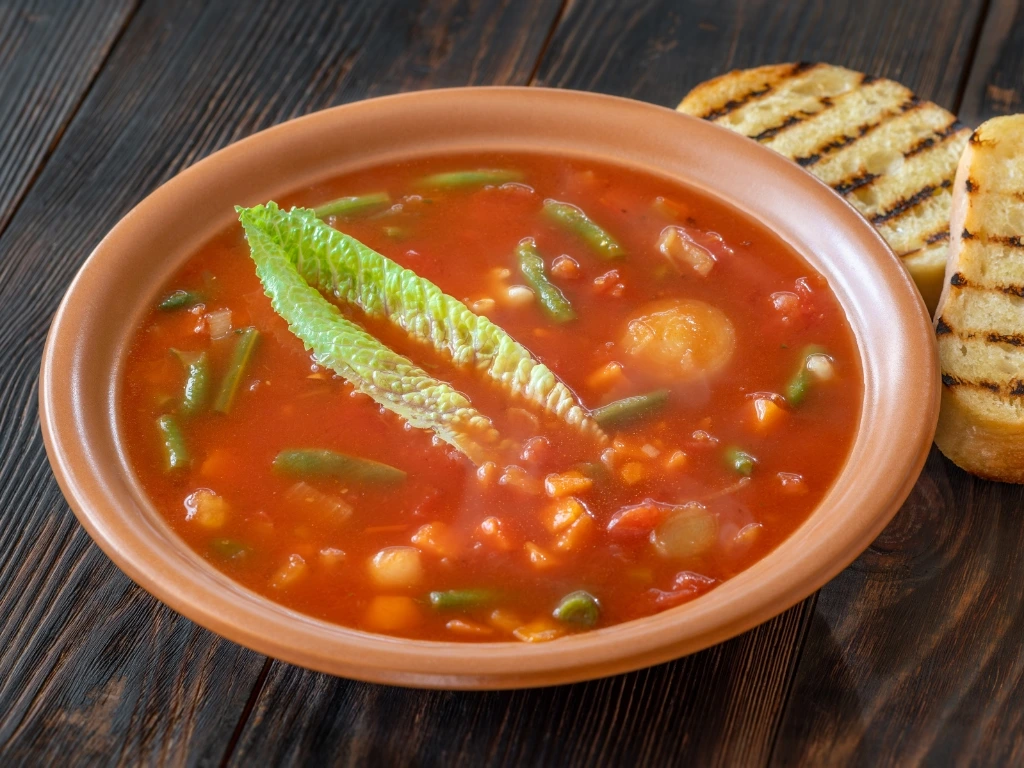
- Lunch: Vegetable and bean soup with wholegrain bread
- Dinner: Herb-roasted chicken breast with carrots, broccoli, and quinoa
- Snack: Green tea and fruit

Day 7
- Breakfast: Toast with ricotta, sliced pear, walnuts, and cinnamon
- Lunch: Falafel bowl with spinach, tomatoes, cucumber, and tahini dressing
- Dinner: Arctic char with roasted tomatoes, avocado salad, and wild rice
- Snack: Carrot sticks with hummus
Consider this sample plan as a flexible starting point for a balanced, skin-friendly diet. Adjustments, such as swapping ingredients, may be needed to better accommodate what your skin needs. To help you personalize a seven-day diet plan for guaranteed glowing skin, consider consulting a registered dietitian.
Get healthier skin through a balanced diet guided by Health Loft
Building a balanced diet for skin health through nutrient-dense foods can help support the skin in its entirety, keeping it resilient, well-functioning, and glowing.
It’s worth keeping in mind, however, that both nutrition and skin health are highly individual. Factors such as age, medical conditions, allergies, digestive health, medications, lifestyle, and even cultural eating patterns can all influence how the skin responds to certain foods and dietary changes. If an approach that works well for others doesn’t seem effective or appropriate for you, don’t worry.
Instead, reach out to a registered dietitian who can assess your eating habits, identify possible nutritional gaps, and evaluate lifestyle factors that may be affecting your skin health. Once these are determined, your dietitian will develop a personalized plan that boosts your skin health while also supporting broader aspects of your health.
At Health Loft, our skin health-specialized dietitians can also provide practical guidance for managing nutrition concerns linked to conditions such as acne, eczema, or persistent dryness.
Rather than relying on quick fixes or restrictive diets, connect with a Health Loft dietitian for a personalized and evidence-based approach to better skin and even better health.
This article was reviewed by Adrienne DePaul, MS, RDN. It is intended for informational purposes only and does not replace personalized nutritional advice.