








Preparing for and recovering from gastric bypass surgery involves more than simply eating smaller portions. The body needs time to adjust to changes in digestion and rebuild a balanced eating routine. A gastric bypass diet is designed to help your body accomplish this in a structured, gradual manner.

What is gastric bypass surgery?
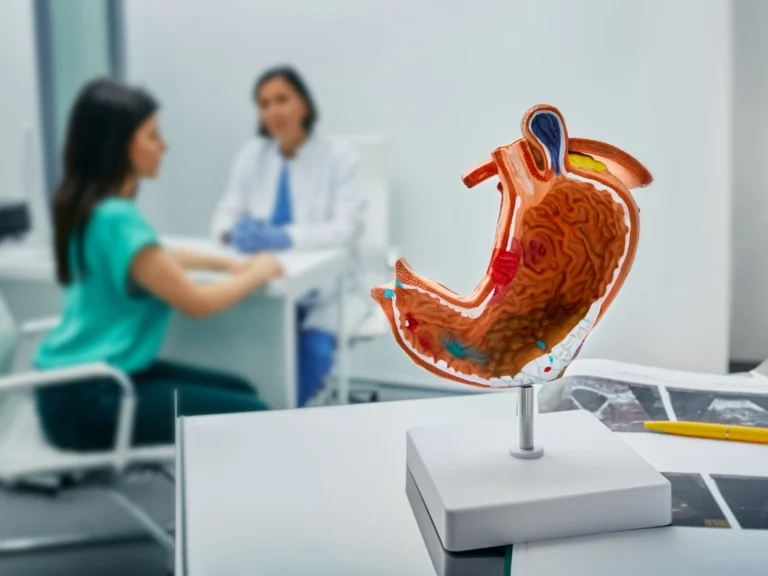
Gastric bypass is a surgery where the stomach is made smaller and part of the small intestine is bypassed. This limits how much food you can eat and changes how calories and nutrients are absorbed, making it a common strategy for managing obesity and obesity-related conditions. Gastric bypass may also help improve conditions such as type 2 diabetes, high blood pressure, and sleep apnea.
Because the digestive system changes after surgery, eating habits also need to change. Following a structured gastric bypass diet helps your body recover safely while still meeting your nutritional needs.
What does a gastric bypass diet look like? Sample meal plans for each stage
The gastric bypass diet is split into two parts: before surgery and after surgery.
Pre-gastric bypass diet (before surgery)
The pre-gastric bypass diet focuses on reducing the liver’s size to prepare your body for the procedure. Doing this allows for easier, safer access to the stomach during surgery, reducing the risk of damage.
Depending on the current size of the liver, a pre-gastric bypass diet may be prescribed two weeks or more before the scheduled surgery.
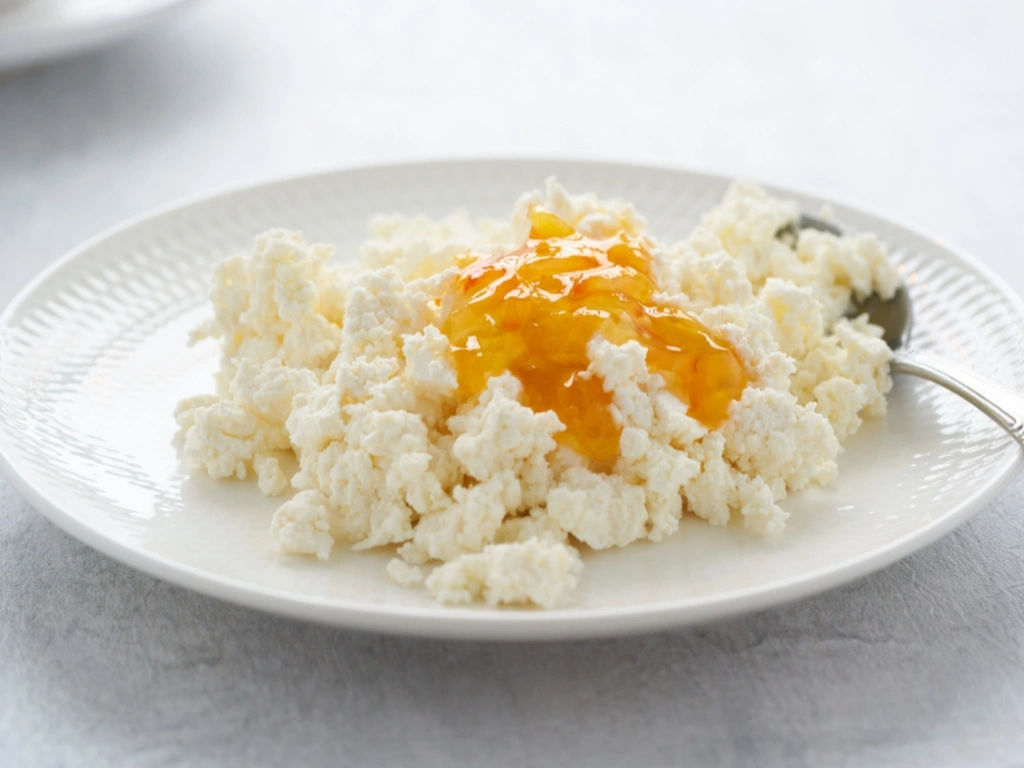
Liver fat is reduced through a nutrition plan that’s high in protein (lean meat, fish, poultry, eggs, and low-fat dairy), low in carbohydrates (starchy, fatty, and sugary foods), and total calories. In some cases, a liquid-based diet may be recommended closer to the procedure.
Following this diet is crucial because it can directly affect whether the surgery proceeds as planned.
Here’s a sample meal plan featuring foods you can have at this stage:
- Breakfast: Turkey and low-fat cheese breakfast wrap on a whole-grain tortilla
- Morning snack: Whey protein shake with water and a dash of cinnamon
- Lunch: Grilled tilapia with steamed asparagus
- Afternoon snack: Low-fat ricotta with applesauce
- Dinner: Roasted turkey breast with sautéed eggplant
- Evening snack: Lemon-infused water
Post-gastric bypass diet (after surgery)
Rather than jumping straight back into regular meals, the post-gastric bypass diet allows for a safe transition from liquids to soft foods and eventually to solid meals, giving your stomach time to adjust to its new capacity.
Stage 1: Clear liquids
This stage starts immediately after surgery and typically lasts a few days. Your stomach is still healing from the procedure, and even small amounts of pressure can cause discomfort, so only thin, easy-to-digest fluids are recommended.
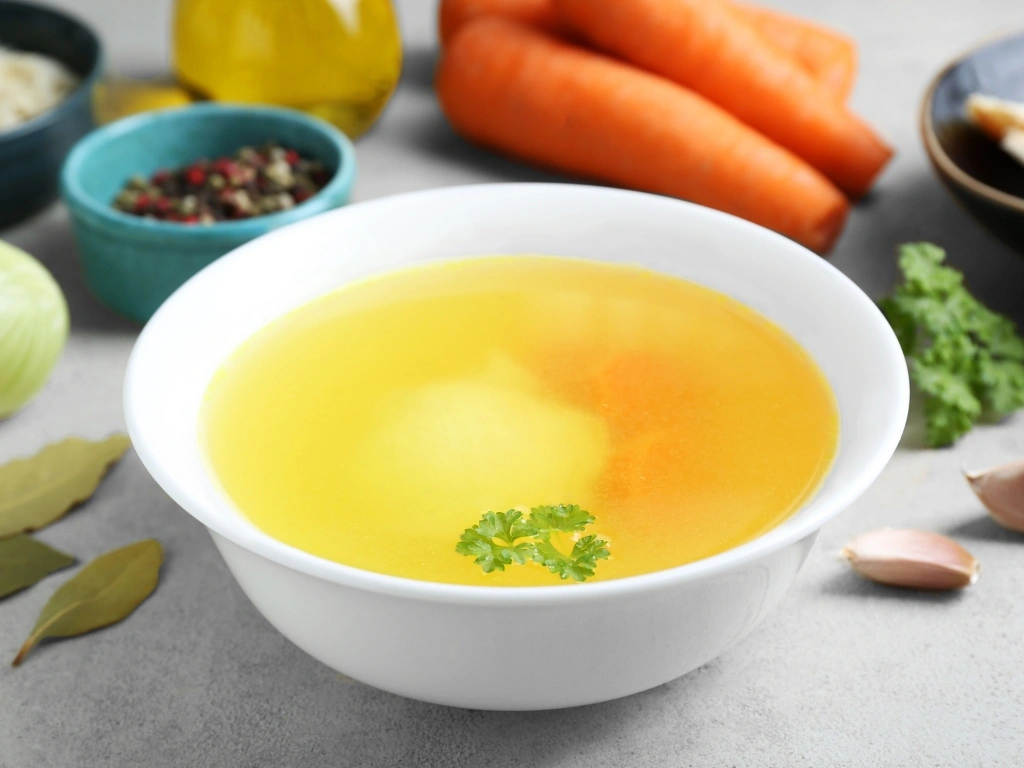
Choices like high-protein bone broths or clear oral nutrition supplements like Ensure Clear may be allowed to ensure that you get protein, which is important for repairing tissues, maintaining muscle mass, and supporting your overall recovery.
Here’s a sample meal plan featuring foods you can have at this stage:
- Breakfast: Warm vegetable broth
- Morning snack: Water with electrolyte powder (sugar-free)
- Lunch: Light chicken broth
- Afternoon snack: Diluted apple juice
- Dinner: Clear beef broth
- Evening snack: Decaffeinated herbal tea
The main goal during this stage is to keep you hydrated while protecting the surgical area. Clear liquids easily pass through the digestive system without putting stress on it. You may not consume many calories yet, and that’s normal at this point in your recovery.
Stage 2: Full liquids
Once your body tolerates clear liquids well, you can move into fuller liquids, usually within the first one to two weeks after surgery. At this point, swelling has started to go down, and your stomach can handle slightly thicker, more filling options.
Here’s a sample meal plan featuring foods you can have at this stage:
- Breakfast: Vanilla protein shake with lactose-free milk
- Morning snack: Soy milk
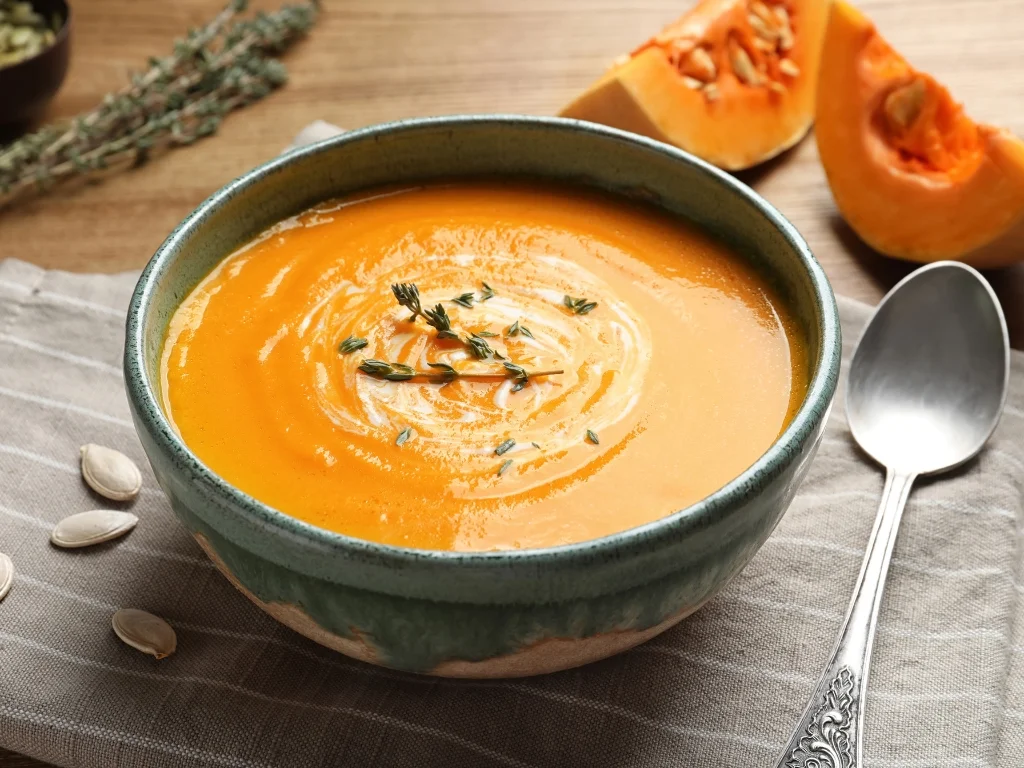
- Lunch: Blended pumpkin soup (smooth, no chunks)
- Afternoon snack: Drinkable sugar-free high-protein yogurt
- Dinner: Spinach and pea soup (fully blended and strained)
This stage introduces more nutrients, especially protein. Even though the options here are more nourishing, foods should still be smooth, consumed slowly, in small amounts, and not require chewing to keep digestion gentle.
Stage 3: Pureed foods
Around weeks two to four, you can begin eating pureed foods. By now, your stomach is becoming more stable, but it’s still in the process of adjusting, so textures need to stay soft and smooth.
Here’s a sample meal plan featuring foods you can have at this stage:
- Breakfast: Smooth cottage cheese with mashed ripe mango
- Morning snack: Mashed avocado
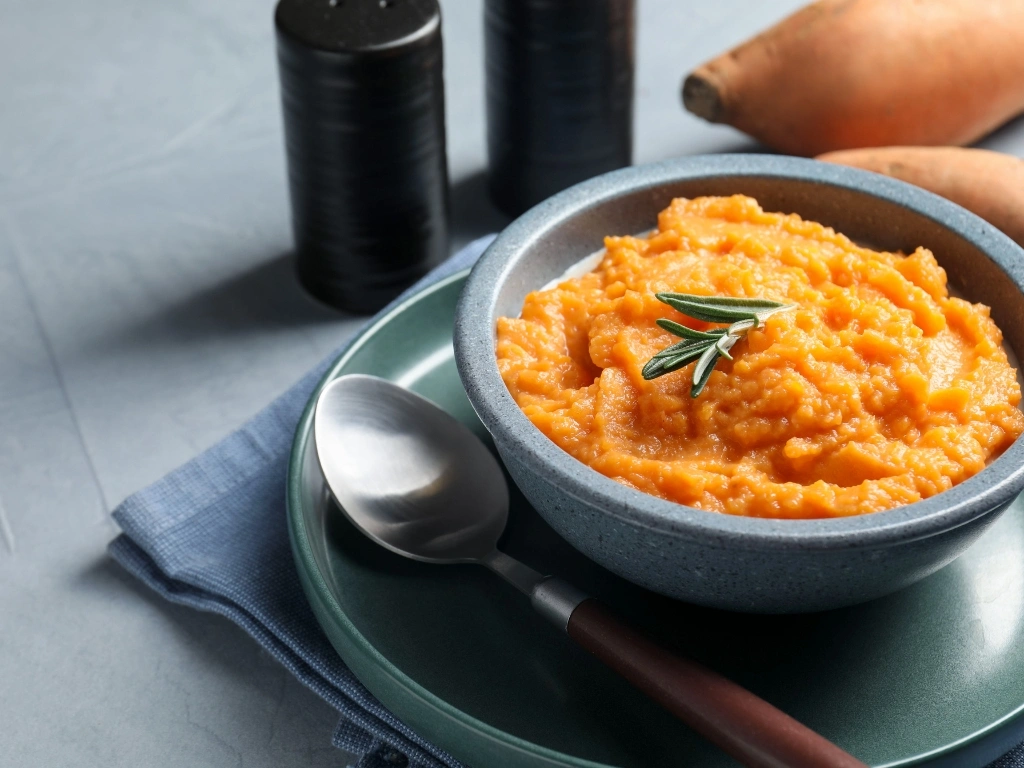
- Lunch: Pureed turkey with mashed sweet potato
- Afternoon snack: Silken tofu blended with a small amount of honey
- Dinner: Pureed white fish with mashed green peas
This is your first real step back into solid foods, even if it doesn’t look like it yet. Your digestive system is starting to work with more than just liquids, so the goal now is to avoid irritating it as you continue introducing more nutrients. Focus on eating slowly, taking small bites, and giving yourself a few minutes between bites to see if you’re comfortable eating more.
Stage 4: Soft foods
From about weeks four to eight, you can begin adding soft foods that require light chewing. Your stomach is stronger at this point, but it may still need gentle textures to avoid discomfort.
Here’s a sample meal plan featuring foods you can have at this stage:
- Breakfast: Scrambled eggs
- Morning snack: Stewed apples with cinnamon
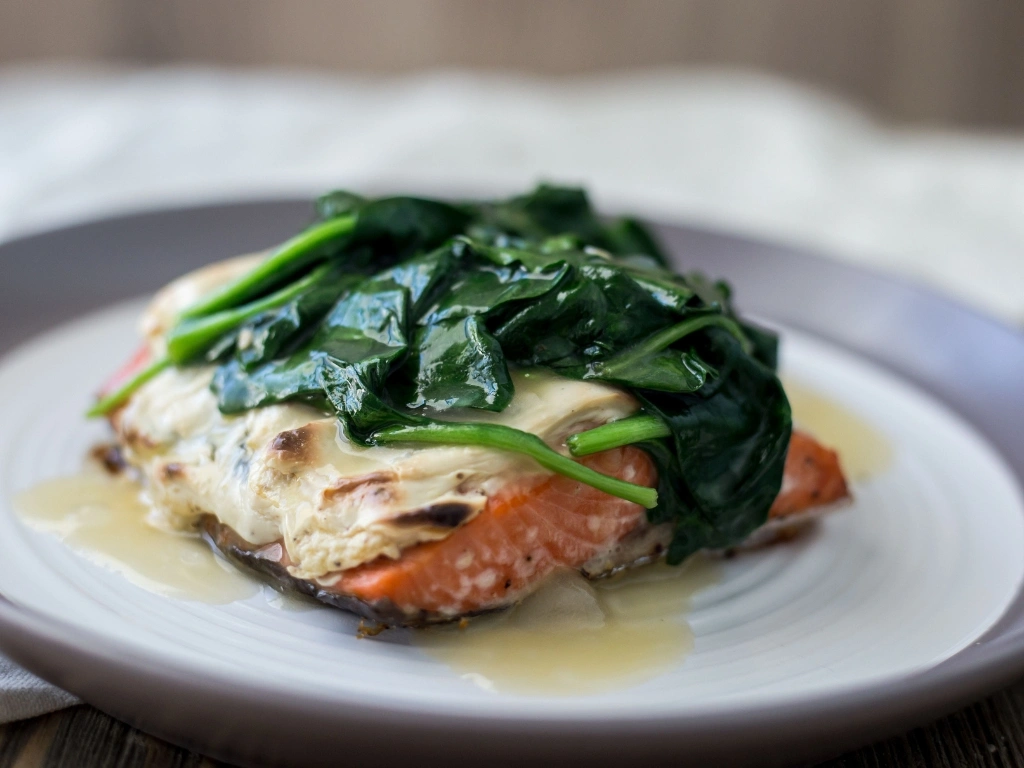
- Lunch: Flaked steamed salmon with sautéed spinach
- Afternoon snack: Ricotta with soft pear slices
- Dinner: Oven-baked lean meatloaf with tomato glaze
This stage is where eating starts to feel more normal again, helping you build tolerance as you learn how your new digestion works. Your stomach can handle more variety, but portions should be kept small, as certain foods may still feel too heavy.
Stage 5: Solid foods
By around the second month, you can gradually return to more regular foods in small portions. Your stomach has healed enough to handle a wider range of textures, though it may still work differently than before surgery.
Here’s a sample meal plan featuring foods you can have at this stage:
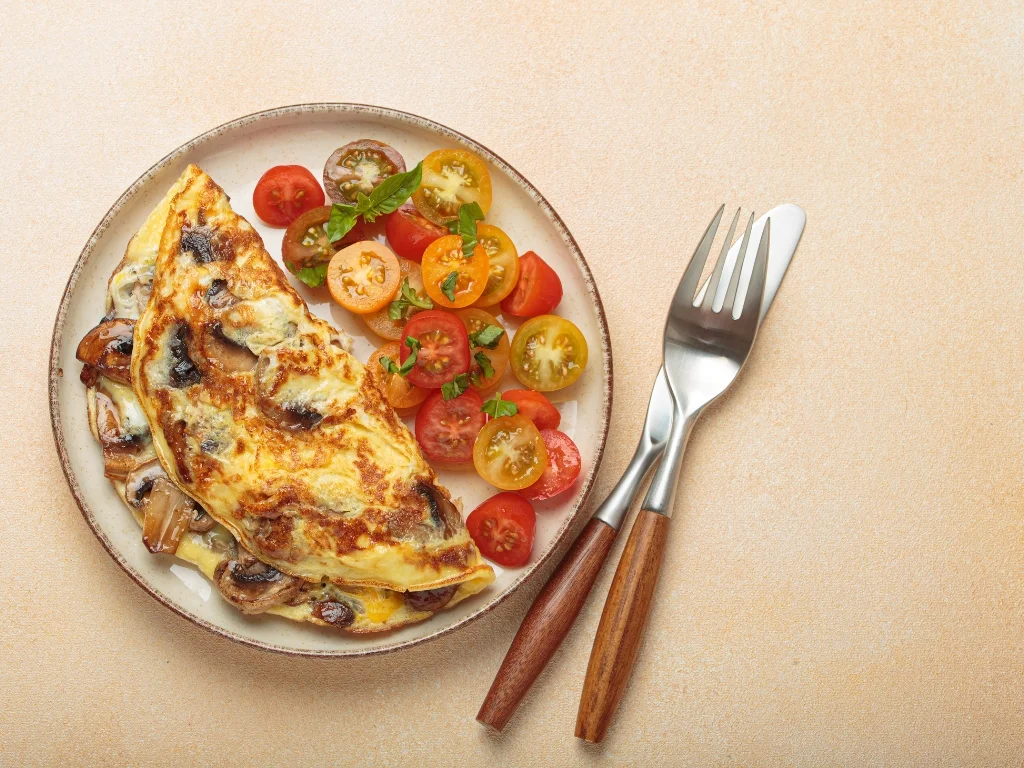
- Breakfast: Mushroom omelet with a side of tomatoes
- Morning snack: Whole-grain crackers with string cheese
- Lunch: Grilled shrimp with quinoa and roasted zucchini
- Afternoon snack: Handful of soft nuts (like soaked almonds, if tolerated)
- Dinner: Stuffed bell peppers with ground turkey and brown rice
The focus is now on building long-term habits. While you may now be able to meet your full nutritional needs at this stage, your body may still require multivitamin supplementation due to changes in nutrient absorption.
Some foods may also still be harder to tolerate, but you can expect your options to grow as your body continues to recover and adjust. It’s important to stay mindful of keeping your portions, intake, and hydration well-balanced.
How can you adjust your diet as you recover?
As you recover, the goal shifts from just tolerating food to building a routine that feels stable and consistent. Instead of changing everything at once, it helps to make small adjustments based on how your body responds day to day.
- Pay attention to how foods feel after eating. Notice any discomfort, fullness, or fatigue so you can identify what works better for you.
- Keep meals simple before adding variety. Sticking to a few well-tolerated foods at first can make it easier to avoid digestive issues.
- Space your meals properly throughout the day. Eating at regular times can help with energy levels and prevent overeating.
- Prioritize protein first. Protein supports healing and muscle maintenance, which supports long-term recovery after surgery.
- Stay consistent with hydration habits. Sipping fluids regularly supports digestion and overall recovery. To best support getting enough nutrition, have your water between meals and snack times to maximize stomach volume.
- Take supplements as recommended. Vitamins and minerals are often needed after bariatric surgery, but it’s best to follow your physician’s or dietitian’s advice before starting anything new. Some expert-recommended brands to consider are BariMelts or Bari Life.
If you’re still having a hard time adjusting or something doesn’t feel right, it’s important to get support. Watch out for signs like:
- Dumping syndrome symptoms (such as nausea, cramping, diarrhea, or dizziness after eating, especially with sugary or high-fat foods)
- Persistent bloating or discomfort after meals
- Constipation or difficulty with bowel movements
- Signs of dehydration (dry mouth, dark urine, fatigue)
- Difficulty progressing through diet stages
- Low energy or feeling weak
- Unexpected weight changes (not losing weight as expected or regaining weight)
If you notice any of these, consider speaking with a dietitian or consulting your healthcare provider. They can help adjust your plan so it better fits your recovery and nutritional needs.
Planning for your post-bariatric surgery diet? Keep nutrition balanced with Health Loft
Recovery after gastric bypass surgery looks a little different for every person. As your eating habits, appetite, and nutritional needs change throughout your recovery journey, receiving the right support can make it easier to build routines that stick.
A dietitian specializing in bariatric nutrition is critical to this process. At Health Loft, our experts not only help you plan meals but also monitor your nutrient intake, identify challenges early, and adapt strategies as your body heals. This kind of support may also be valuable when planning diets for other bariatric surgeries, both pre- and post-op.
Reach out to a Health Loft dietitian to start receiving individualized guidance shaped around your procedure, stage of recovery, and health goals.
This article was reviewed by Katie Whitson, RD, LD. It is intended for informational purposes only and does not replace personalized nutritional advice.